by Helen | May 14, 2024 | Interiors
Our thoughts are beginning to really turn to what could be a whole new life for us. Although we are not over the line yet, we are as close as we have been to selling our home in Istria and relocating to Andalucia. It’s close, but at the same time, until the ink has dried on the final contract and we have handed over the keys – and monies are banked – we could still be quite a way off. But, we need to start really thinking about our new life and what it is going to look like. As well as communicating daily with estate agents, we’ve made connections with a storage company, which we think we’ll need to store everything as we don’t know how long it will take to purchase in Spain, secured a removal company and think we might have found, on recommendation, an excellent lawyer, who will hopefully smooth our transition.
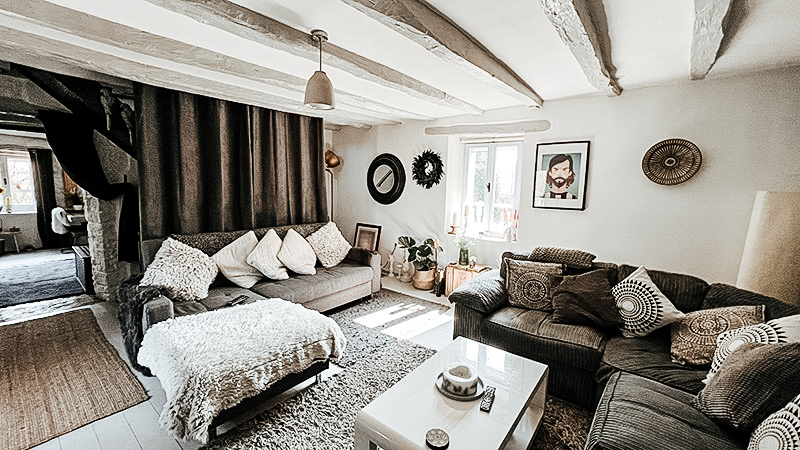
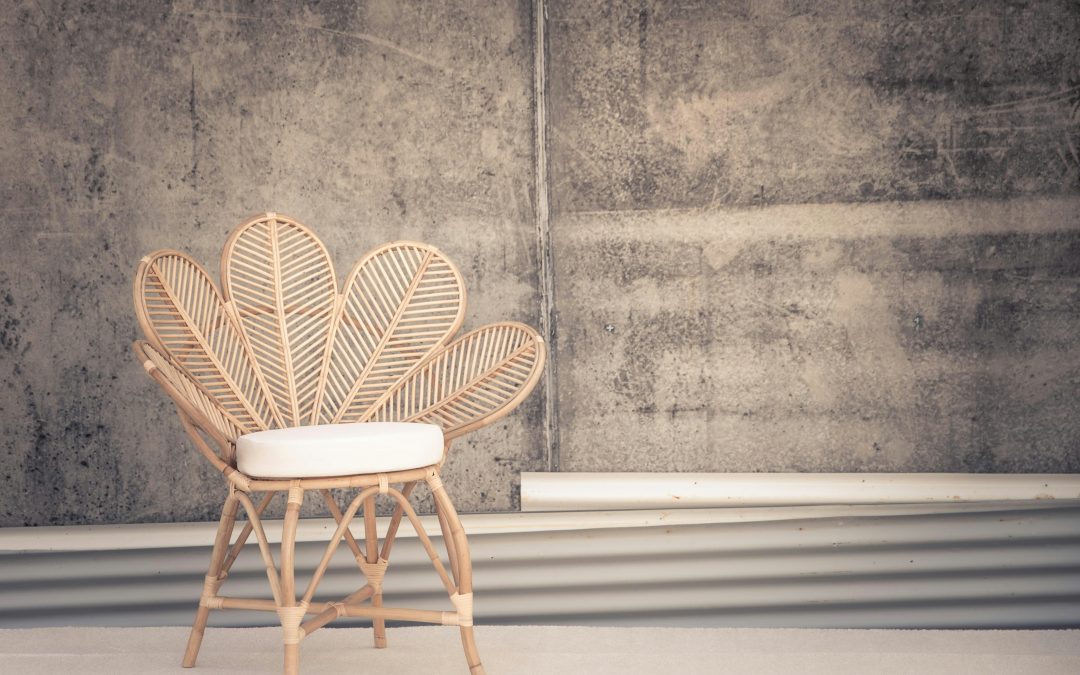
When I’m not working on all of these things, and trying to find my way through the complexities of selling and buying in Europe, post Brexit, I focus on the kind of home we want to create. We’ve learnt so much from our Istrian renovation, and we’ll be using these lessons to guide us. We’re leaning towards typical Andalucian townhouses, with plenty of original features, but with plenty of scope to enhance the property. We have a handful of favourites, and as soon as we can, we’ll be going out to view them and assess the potential. And hopefully, find the one, quite quickly. However long it takes, though, we know what we want to do interiors wise, keeping things light and airy and as natural as possible, in terms of furnishings. So, I’ve been investigating rattan, and I think the house will feature this material quite prominently, as I like what I’m finding out about it.

Rattan furniture is crafted from a type of palm plant native to tropical regions of Africa, Asia, and Australasia. The rattan palm vine is flexible and durable, making it an ideal material for furniture production.
Rattan is typically harvested from the wild or cultivated in plantations. Harvesting rattan involves cutting the vine from trees and then stripping off the outer skin to reveal the inner core, which is used in furniture making.Once harvested, the rattan is treated to make it pliable and durable. This may involve steaming, boiling, or soaking the rattan to soften it and make it easier to work with. Chemical treatments may also be applied to strengthen the material and protect it from pests. Rattan furniture is typically handcrafted by skilled artisans who weave the rattan strands into intricate patterns to create the desired piece of furniture. This weaving process requires precision and expertise, as well as an eye for design.

In terms of sustainability, rattan furniture has several eco-friendly qualities:
Renewable Resource: Rattan is a fast-growing plant that can be harvested sustainably without causing long-term damage to the environment. Unlike hardwoods, which can take decades to mature, rattan can be harvested every few years, making it a renewable resource.
Low Environmental Impact: The cultivation and harvesting of rattan have minimal environmental impact compared to other materials like hardwoods or metals. Rattan plantations can also provide habitat for wildlife and help prevent soil erosion.
Biodegradable: Rattan is biodegradable, meaning it can break down naturally over time without releasing harmful toxins into the environment. This makes rattan furniture a more environmentally friendly option compared to synthetic materials like plastic or metal.
Support for Local Communities: Many rattan-producing regions rely on rattan cultivation and weaving as a source of income. By purchasing rattan furniture, consumers can support these local communities and help promote sustainable livelihoods.
For me, rattan furniture combines natural beauty with sustainability, so it seems a bit of a no-brainer for a home which we hope will be as environmentally friendly as possible. Whilst we’ve had phases of dark and moody colours, both in our Manchester home and here in Istria, we think that Andalucia will lend itself so much more to a house which is flooded with light and natural materials. It’s going to be a big project getting it right, and especially getting the balance right, so that we’re not overwhelmed with rattan – but with inspiration like these products, we think we’ll do it…


by Helen | May 13, 2024 | Lifestyle
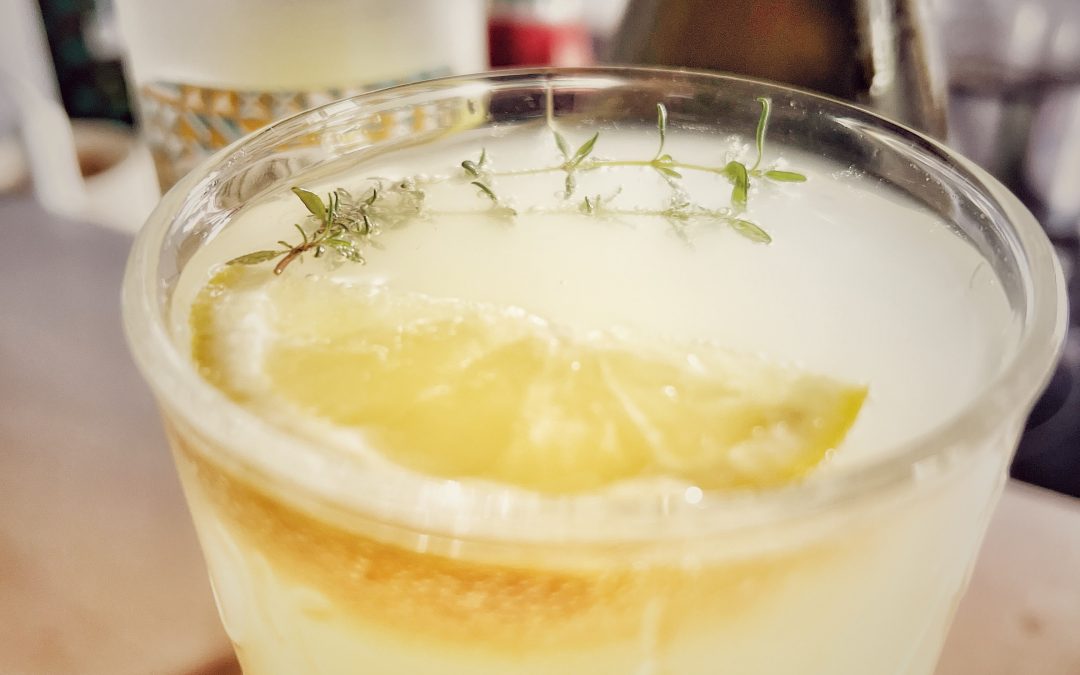
Limoncello spritz is a refreshing and vibrant cocktail, combining the zesty flavors of limoncello liqueur with the effervescence of prosecco. It’s a popular Italian aperitivo, perfect for sipping on a warm summer day – and with no mixology skills required, it’s quick and easy to rustle up. An Aperol Spritz is obviously the ubiquitous Italian aperitivo, and it is much loved in our house, but I have to say that the Limoncello Spritz is becoming much more popular here, as it’s just a whole lot more refreshing.

what you need per glass
- 60 ml limoncello
- 120 ml prosecco (or sparkling white wine)
- 60 ml soda water
- 20 ml lemon juice
- sprig of fresh thyme and lemon halves to garnish
- ice cubes
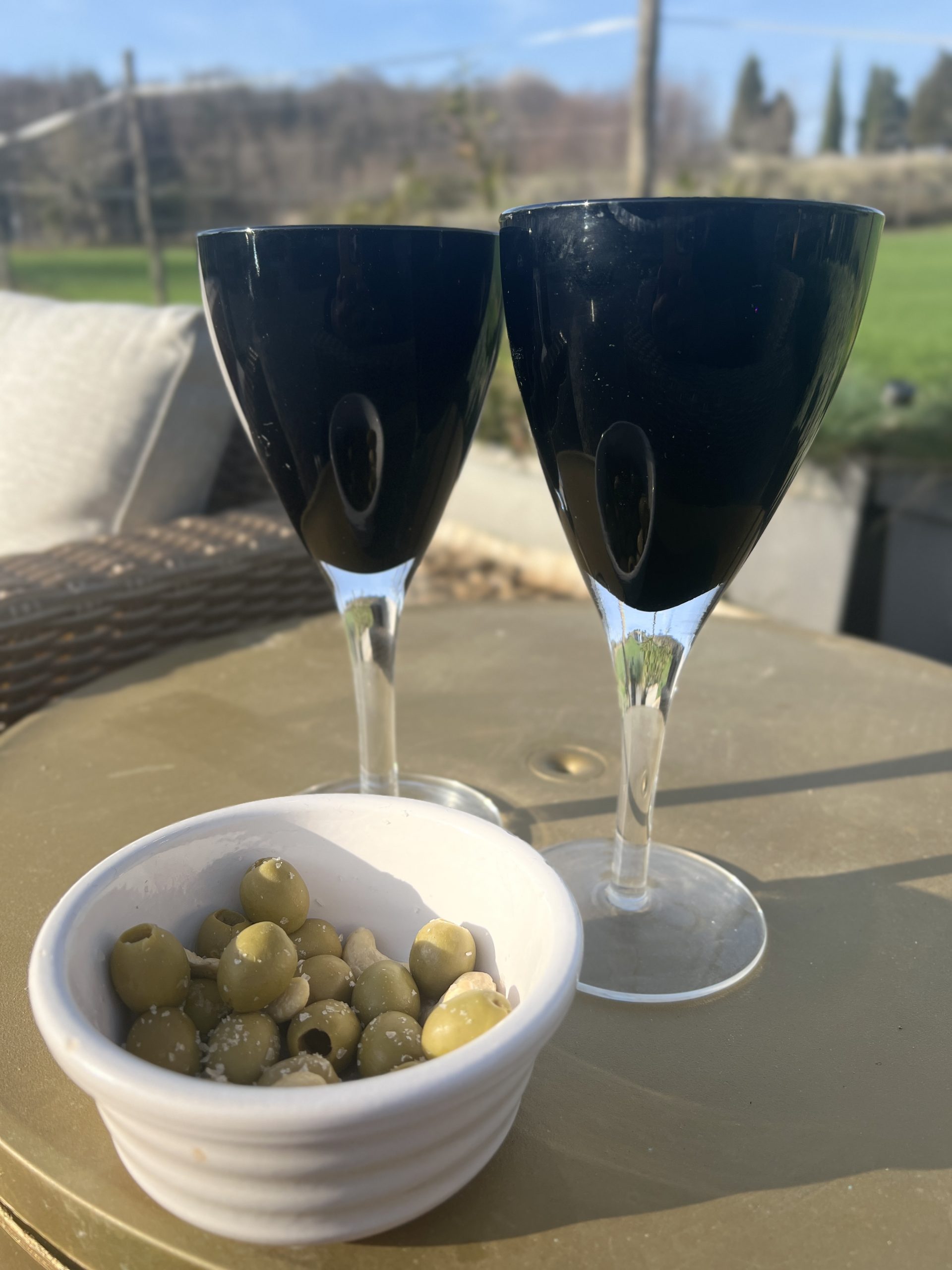
As I say, you definitely don’t need to be a mixologist to create this refreshing aperitivo – just pour the ingredients over ice, mix and garnish. It couldn’t be simpler. And, served with olives in our new favourite way – heated up in the microwave, and sprinkled with coarse sea salt and chilli flakes. You’ll not eat a cold olive, again, I promise.
So, here’s to summer in a glass…

by Helen | May 12, 2024 | Lifestyle
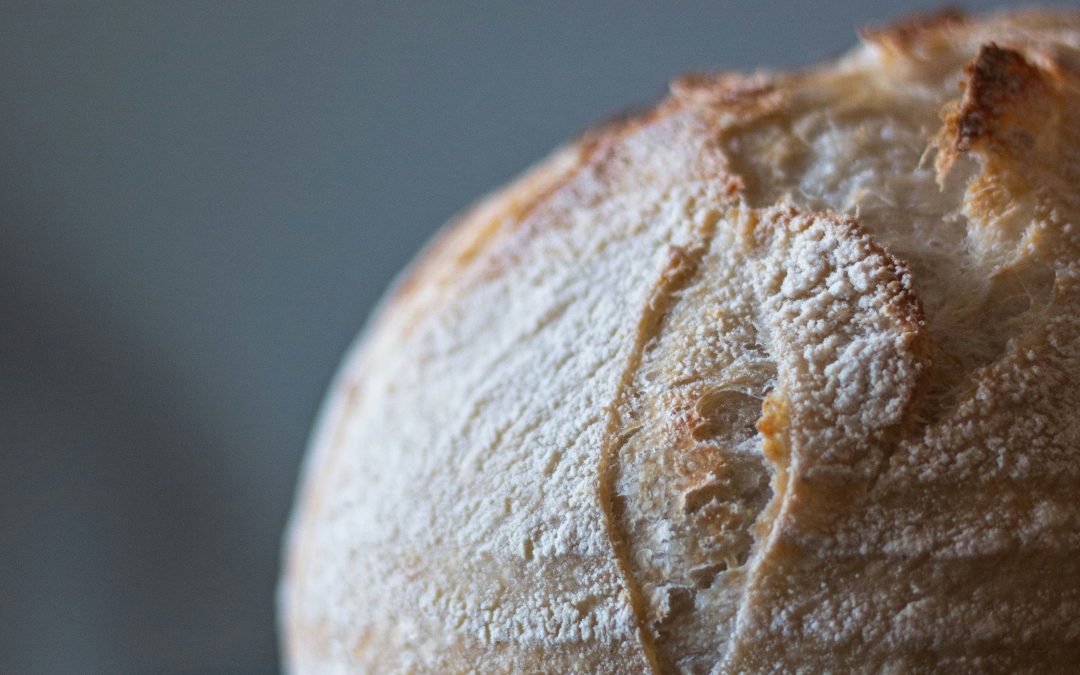
Now that we’ve discovered a fabulous bakery, in Porec, that sells nothing but sourdough bread – many varieties, but all sourdough – we buy lots of it. We’re trying not to eat sliced, packaged, processed breads and so often bulk buy and freeze, when we can get to Bread Point Bakery. But we’re not the best at quickly polishing off a loaf, and so often, the bread goes hard. And you know what sourdough’s like – I think you could actually break a tooth on it, when it’s not at it’s freshest. Stupidly, we’ve been throwing it out when it gets like this – but no longer, since I spotted a Reel on Instagram, and I found out what probably everyone else in the world has known all along. You can regenerate sourdough!

It’s so simple – and it works! So, if like me, you’ve been uninformed and chucking it, I can promise you, you will NEVER do that again, because this is how easy it is, to keep your sourdough going :
- Moisten the crust of the bread with water – running it under a slow cold water tap works well, but you could probably also sprinkle water over the bread or lightly misting it with a spray bottle. (The cold water tap worked better for our bread, because it was very hard – as in four or five days old).
- Then, wrap the bread in aluminum foil and place it in a preheated oven at around 180°C) for about 10 minutes, and the steam generated from the water will help soften the bread.
- Remove, place on a wire rack and allow to cool down and you will not believe how fresh it is, with all of its sourdough springiness back.

by Helen | May 11, 2024 | Renovation
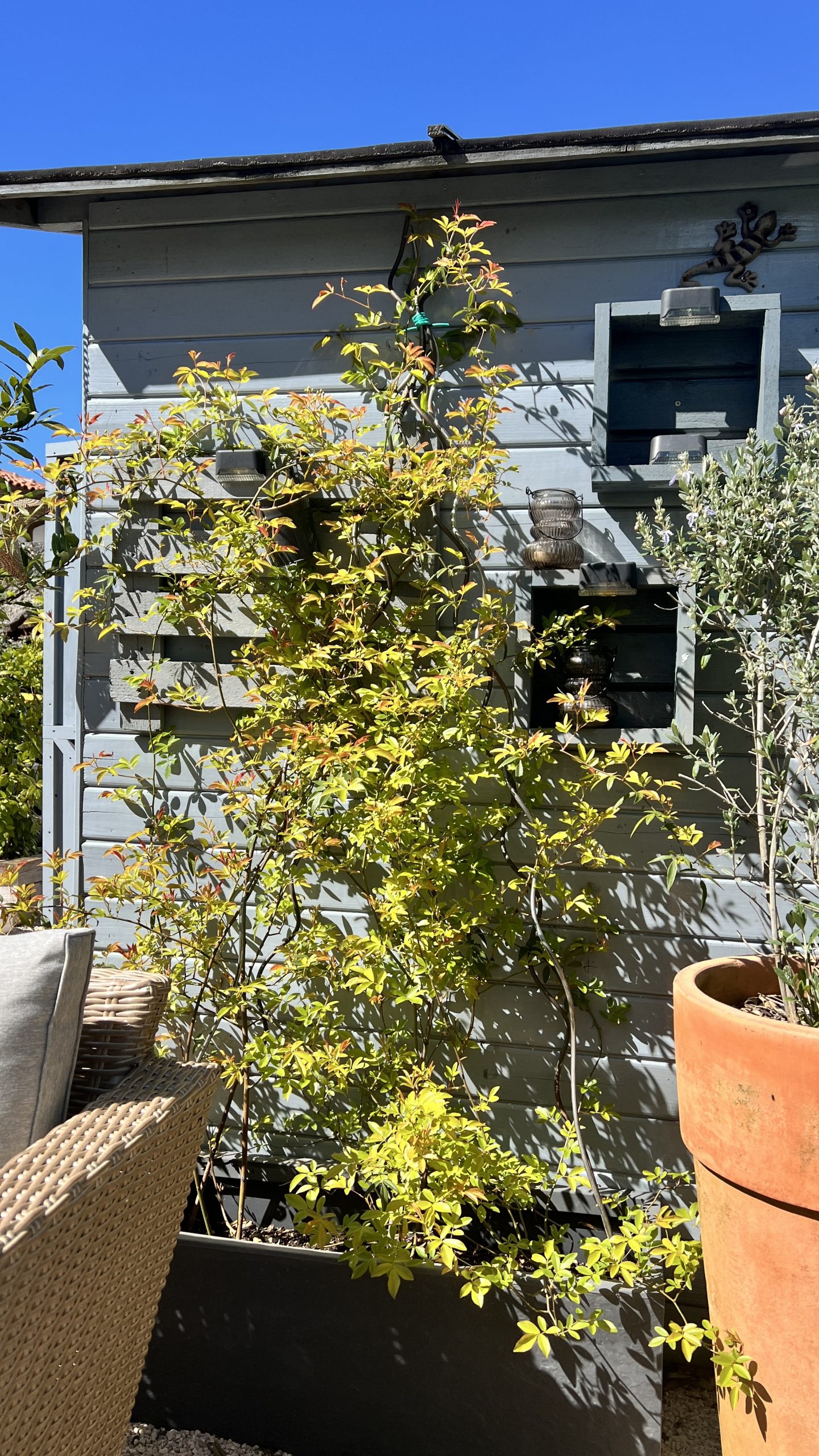
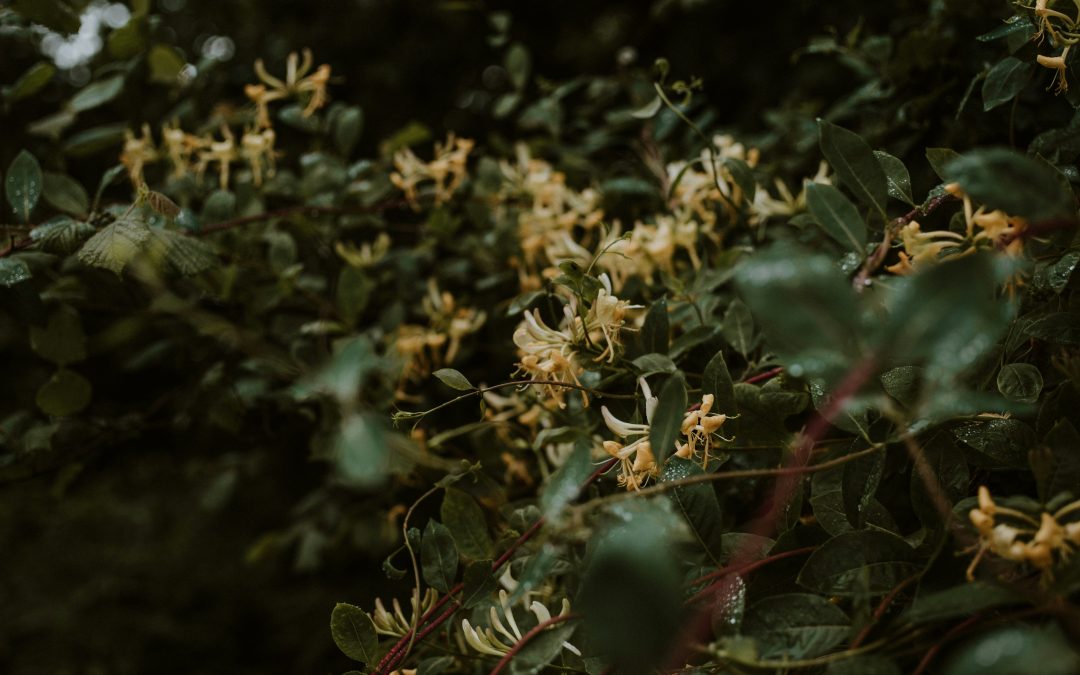
Over the past four or five years, we’ve had mixed success with our three honeysuckle plants. They have been moved around the garden quite a lot, due to some extensive renovation works, and last year, we dug them up out of big wooden planters, where they were supported on a frame, and re-potted them, because bay trees were being planted, for additional privacy. We didn’t really think the honeysuckles would survive the big move, across what we call Last Chance Saloon, but they seemed to rally, and so were moved back again, to the front garden. This is how they looked, last September, when they were relocated. Healthy looking leaves and pretty sturdy looking branches, but still not very fulsome.

But we knew that if the plants could rally, they would be beautiful. We did have one summer of lots of flowers, white and creamy, with the most heady aroma, so we decided not to give up and started to nurture the plants a lot more. We also started to get to know the honeysuckle plants, known for their fragrant, tubular flowers. Belonging to the genus Lonicera, they are native to many parts of the world, including Europe, so we guessed they would fare well, if treated well.
The tubular shaped flowers were very pretty, when they bloomed, and the sweet fragrance definitely attracted bees and butterflies for pollination. Honeysuckle plants are often grown for their vigorous growth habits, which was encouraging as ours did like the trellis. Aside from their ornamental value, honeysuckle flowers can also used in traditional herbal medicine, as it said they have health benefits. They have been used in teas, tinctures, and other preparations for their supposed anti-inflammatory, antimicrobial, and antioxidant properties. However, if we just get another summer of aromatic, creamy flowers, we’ll be very happy! And, judging by how thick the plants are, just eight months on, and seeing lots and lots of creamy buds emerging, we just end our time in our Istrian garden on a honeysuckle high…


Keeping our fingers crossed, that over the next few weeks, these tiny little buds of creaminess, open into fragrant flowers, filling the garden with the smell of summer and the buzz of bees and butterflies…

by Helen | May 9, 2024 | Italy, Travel
Jesolo is always on our radar, as it’s not too far from where we live in northern Istria. A couple of hours and a bit away, there’s an expansive beach – 15 kms – to be explored, making it one of the largest beach resorts in Italy, just behind Rimini. Beaches near us, on the Istrian peninsula, are largely rocky or pebbles, so we love an opportunity to get fine sand between our toes. I’ve been to Jesolo once before, many years ago as part of a school trip, and so wanted to revisit to see if it was still as I remembered. The beach is the definitely the one thing that has always remained in my memory – stretching as far as the eye could see, and even in winter, blue sky.

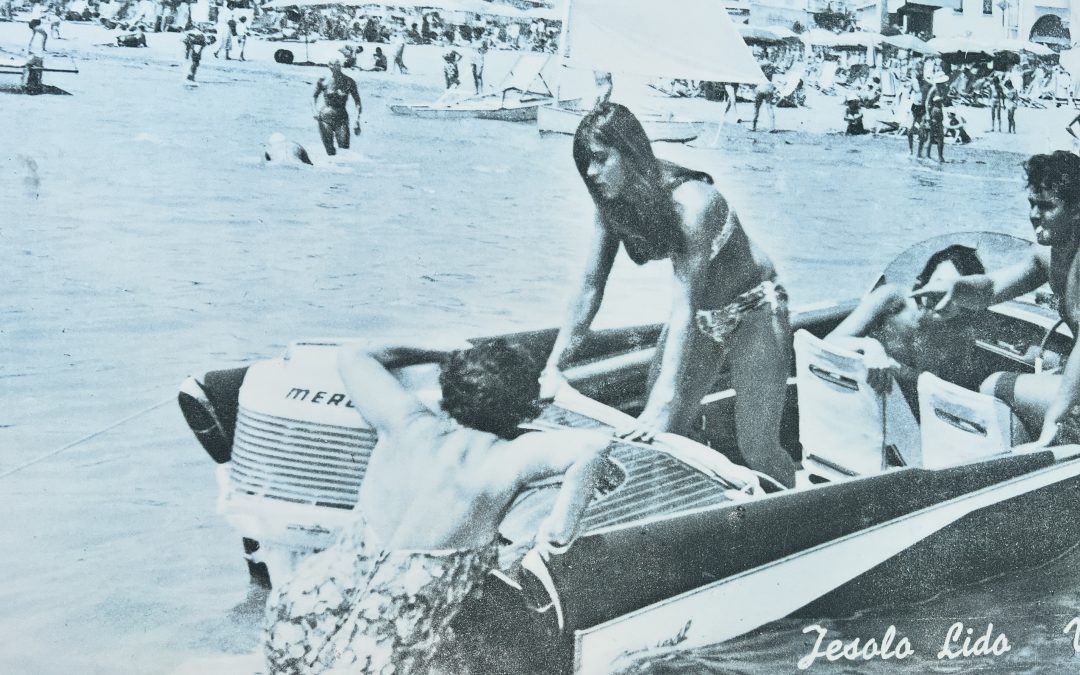
So, we took the opportunity to do a detour on a recent trip back from the airport in Venice. We’re usually rushing on these trips, either to collect people or get them back for a flight, so it was lovely to get off the motorway and take the more scenic route down to Jesolo. It’s definitely a “sea-side” resort and very, very different to much of the rest of Italy. It’s also definitely very family-friendly, with a fun fair and water park, but there’s also a real nostalgic charm to it. The beach is lined with hotels – some very upmarket and glitzy, some a little more on the down, but it’s all mostly quite low-level, with a few high-risers on the skyline, but nothing too offensive, and there is a bit of a feeling you’ve stepped back in time. Perhaps what me feel like this, are the huge photographs, which line parts of the beach, celebrating Jesolo in years gone by. And it was certainly glamorous…


You’d definitely not be lost for things to do in Jesolo – there are restaurants offering an abundance of cuisines, shopping opportunities aplenty, from cheap beach accessory shops to high end, high name boutiques. And although we visited at the end of August, so the season was coming to an end, it was evident that the beach offers many activities for the sporty and for children. But, if all you want to do is soak up the sun on a lounger, Jesolo is pretty much the perfect destination, with its colour coded and regimented rows of sunbeds, facing out to the Adriatic.

I’m not sure that Jesolo is where we’d go for a two week holiday, but for a quick stop-over, in an Italian resort offering a fine sandy beach, I think we might we might pop over a couple more times, before we start off on our new adventure, away from Italy.
by Helen | Apr 19, 2024 | Lifestyle
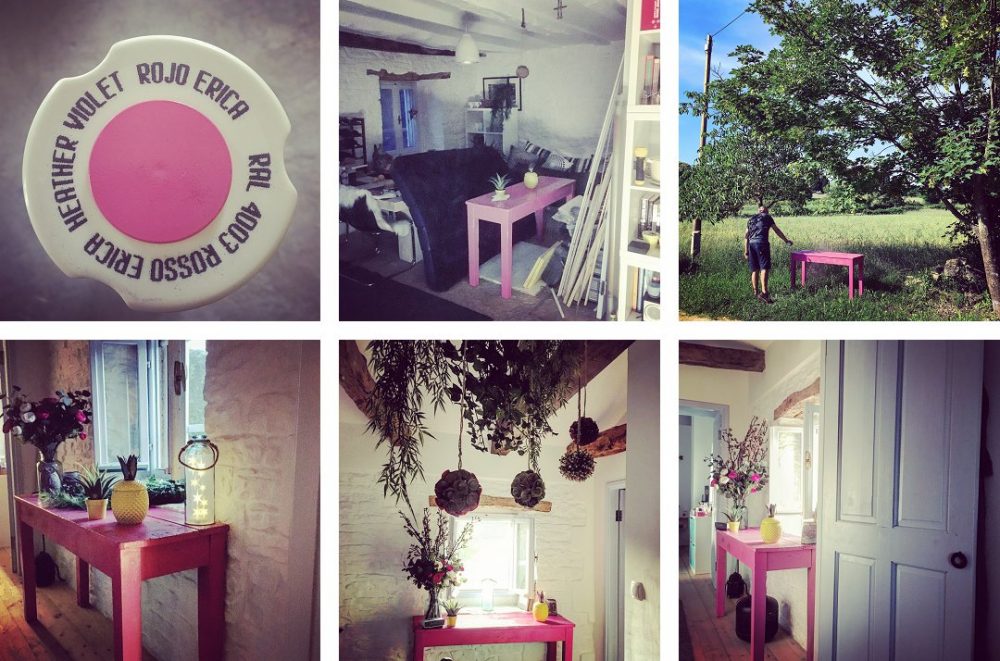
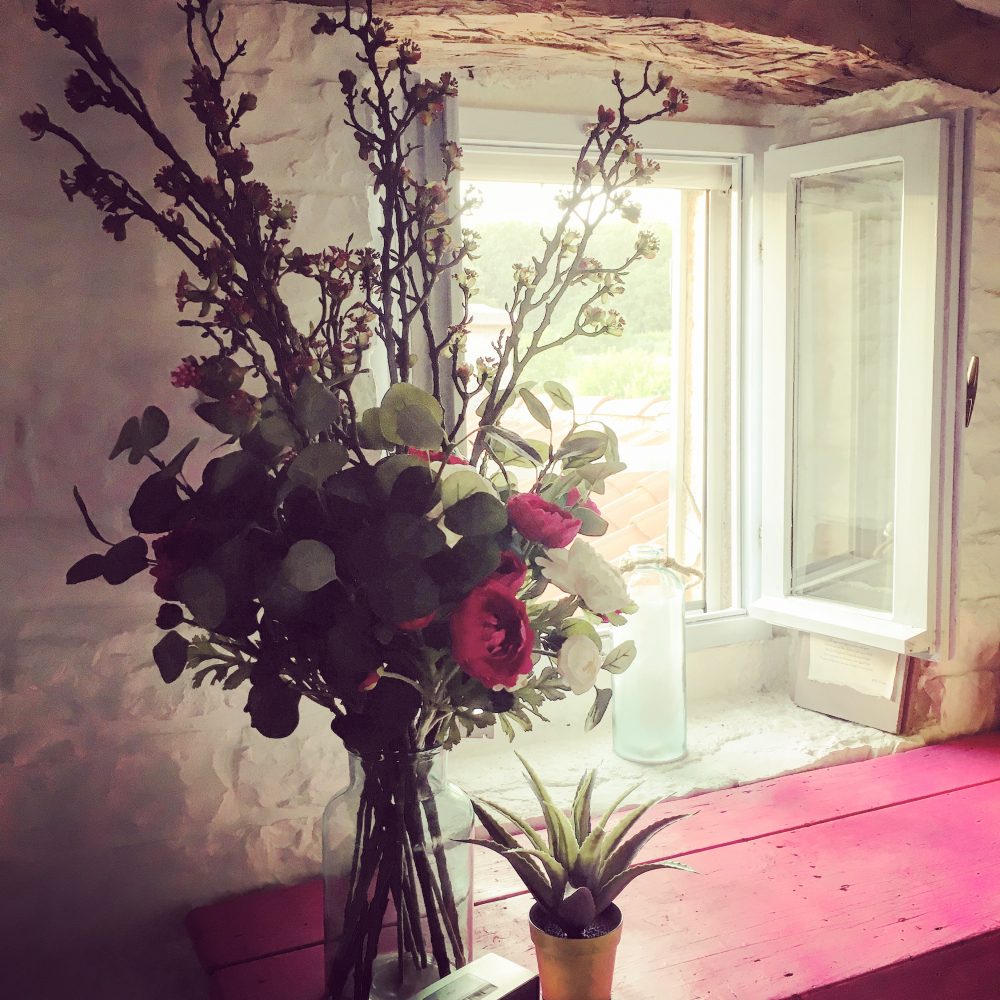
We have an old, rustic wooden table, which we brought out to Istria with us. It used to be a work table, so was stained with oil drops, paint splashes and cuts in the wood. We used it originally, once cleaned up, as a work desk, as being quite long and thin, could fit into quite small spaces and was the perfect size for a laptop. When we were renovating our Istrian stone house, we wanted to make it much more light and airy and so we spent months painting everything white – stone walls, wood work, ceilings etc. To introduce an immediate pop of colour, we decided to spray paint the wooden table and opted for a hot pink, which certainly did the trick of brightening things up…
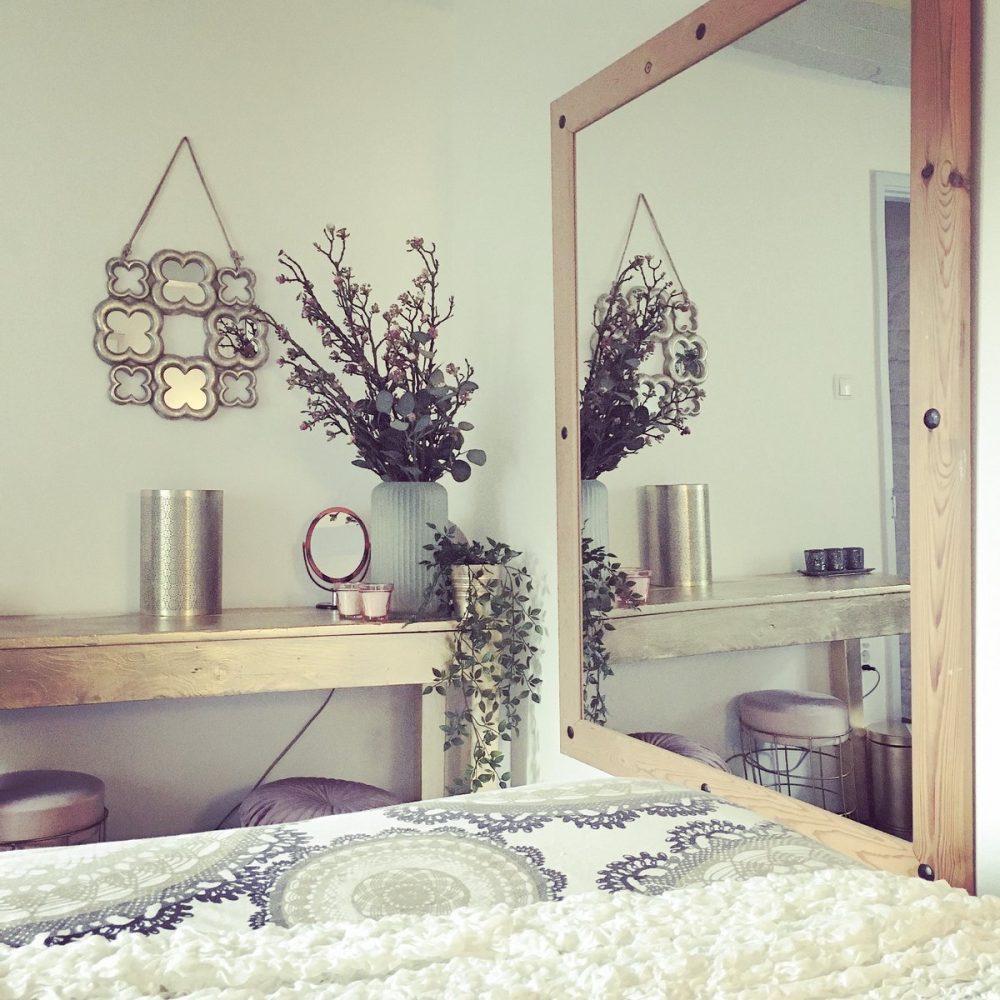
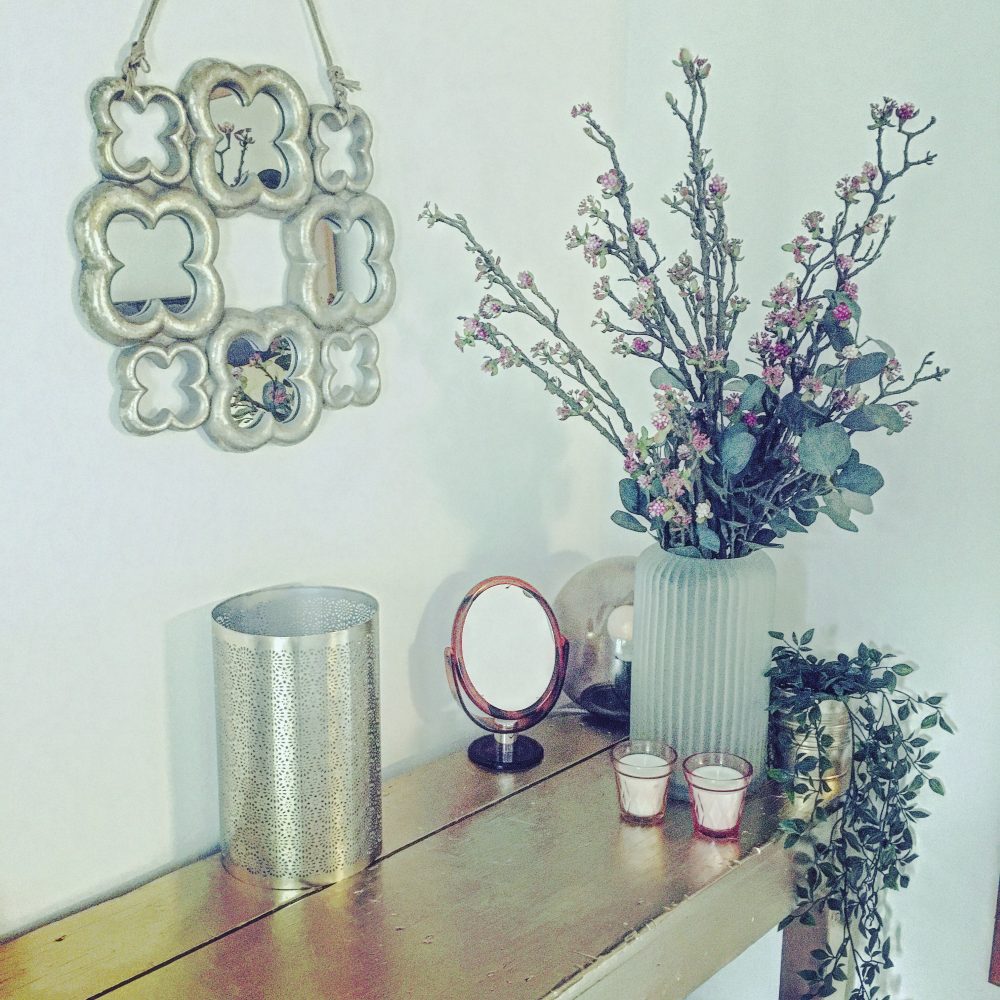
As much as we loved the pink, once we got into our groove regarding how we wanted our house to look and feel, it needed to be toned right down, as a more natural palette was starting to emerge. To contrast with the white, a gold spray was opted for, and the table sat quite happily in one of the bedrooms for quite a while…
However, over the course of time, we’ve neglected the table a little bit and it’s been largely left outside, as we’ve moved things around inside. But, it’s sturdy and robust and this spring we decided to give it another lease of life, and use it as an additional outdoor table in the summer. This has meant almost stripping it back to the wood, letting it dry out from the winter, in the sunshine, and caulking the deepest cuts. Once all of this preparatory work was done, it was sanded, primed and undercoated, and then painted in a couple of top coats of white satinwood. An immediate transformation…
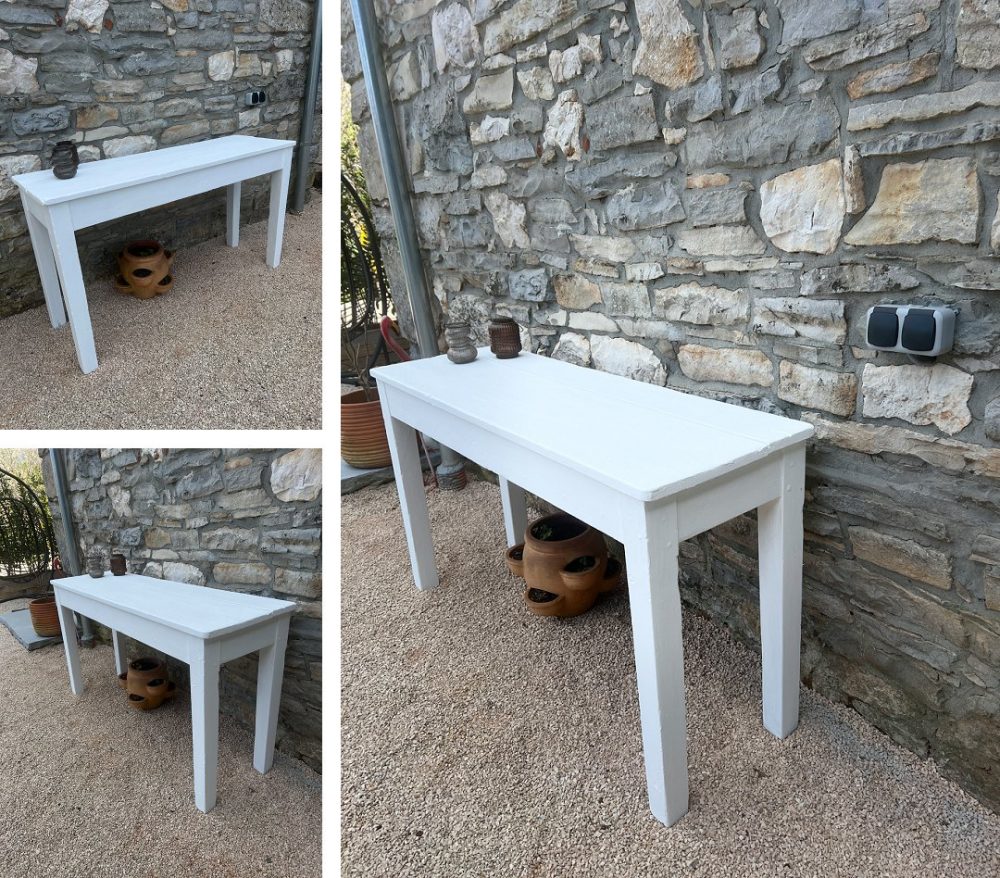
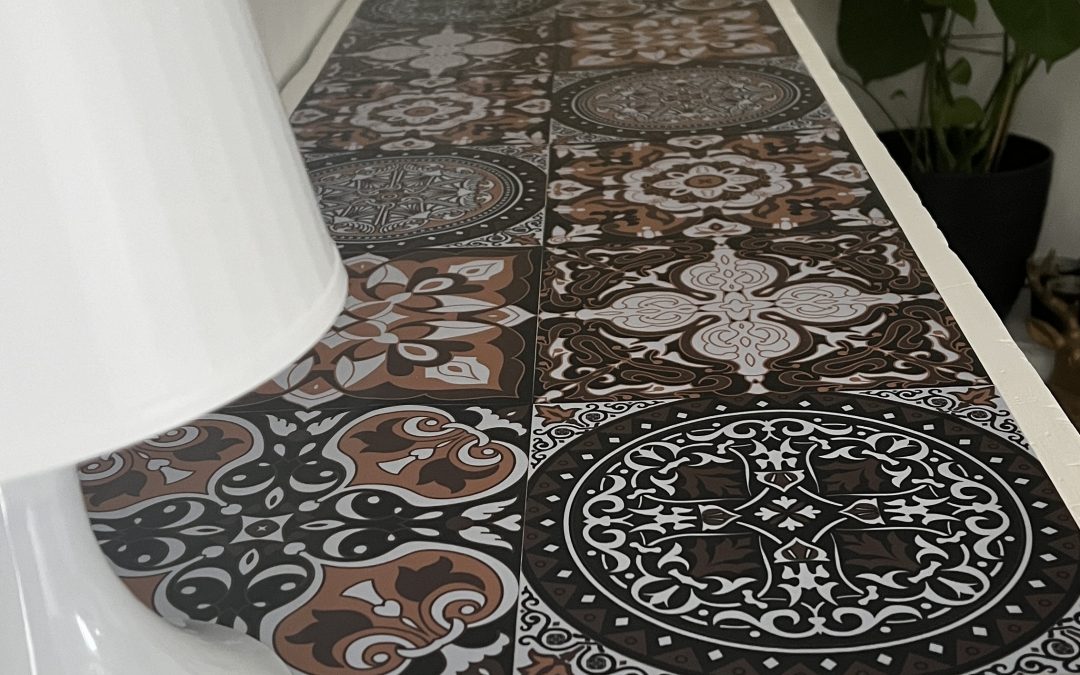
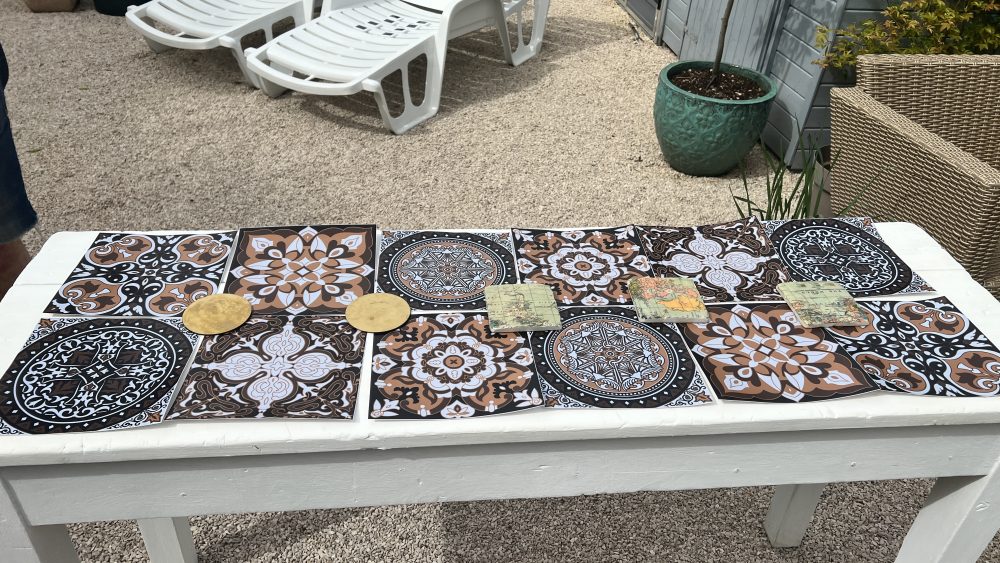
But we weren’t quite finished there, as we wanted to transform the top a little. Our minds are turning to all things Andalucian/Moorish, as we begin to start planning what could be the next adventure, and so tiles were considered. Ceramic ones were rejected pretty soon, as we felt that we didn’t want to go to the expense and time, if it didn’t, so after a lightbulb moment, a search was done for waterproof, adhesive tiles and hey, presto – they were delivered a week later, at just shy of €25 (inc p&p) for 24 tiles.
Once we’d decided on the pattern, after a little bit of initial trepidation, we discovered they were very easy to apply, and by leaving a little border around the edge of the table, none of the tiles needed to be cut. They are very adhesive, so we’re hoping that they will withstand a summer, in the garden. The table will be covered or brought indoors though, when we get downpours, as I’m not sure that even being waterproof, they’ll survive our downpours, when they come.
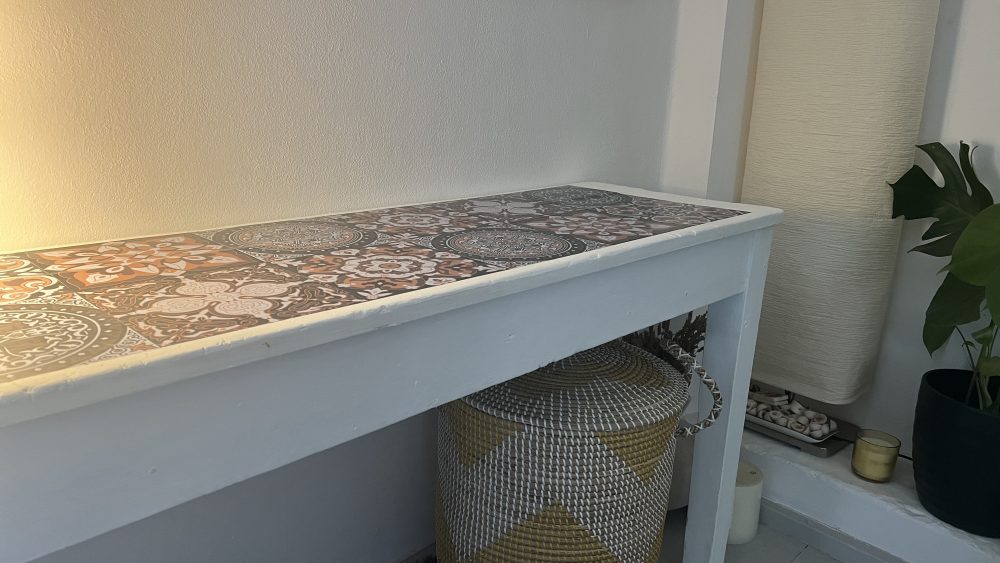
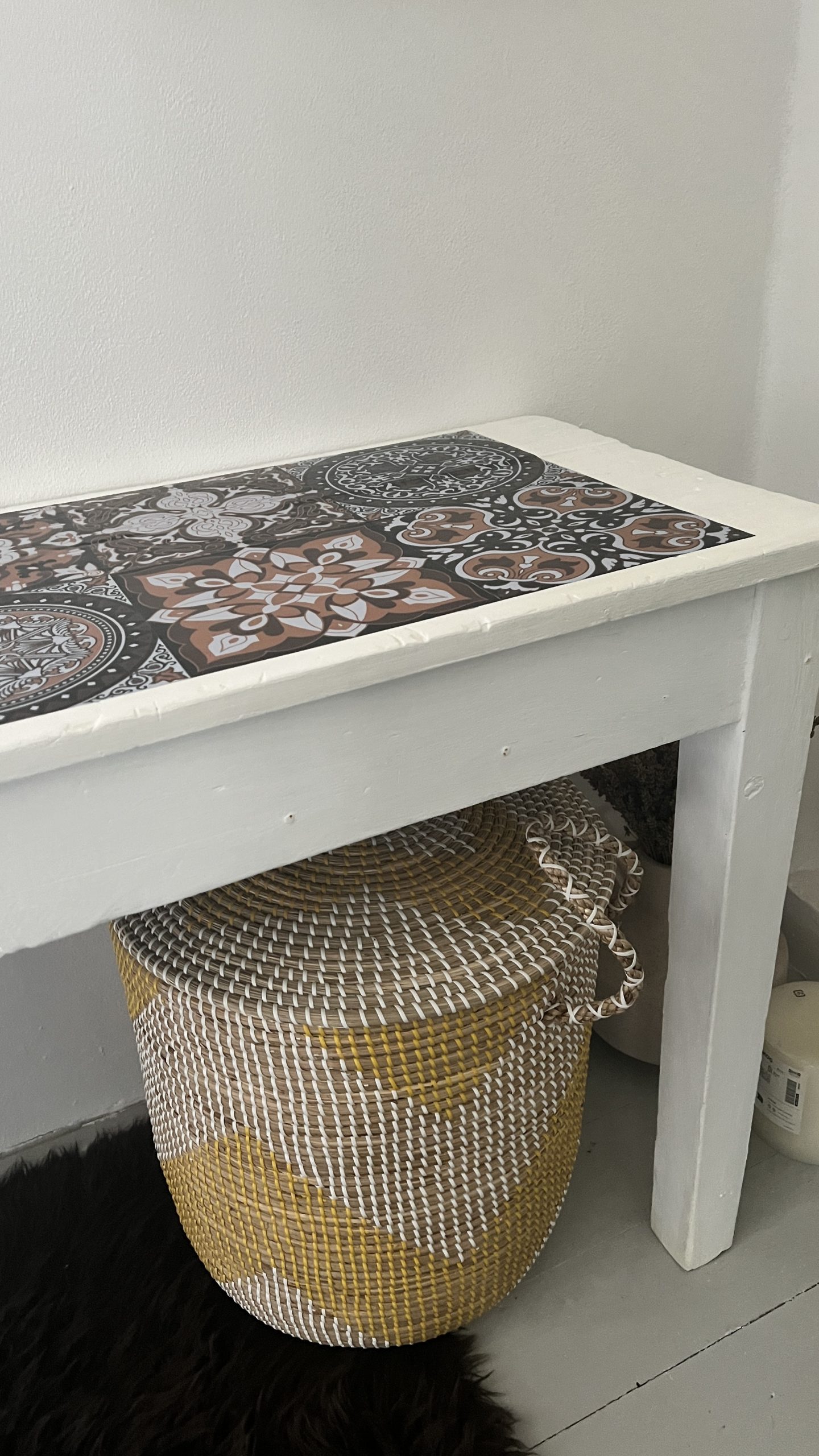
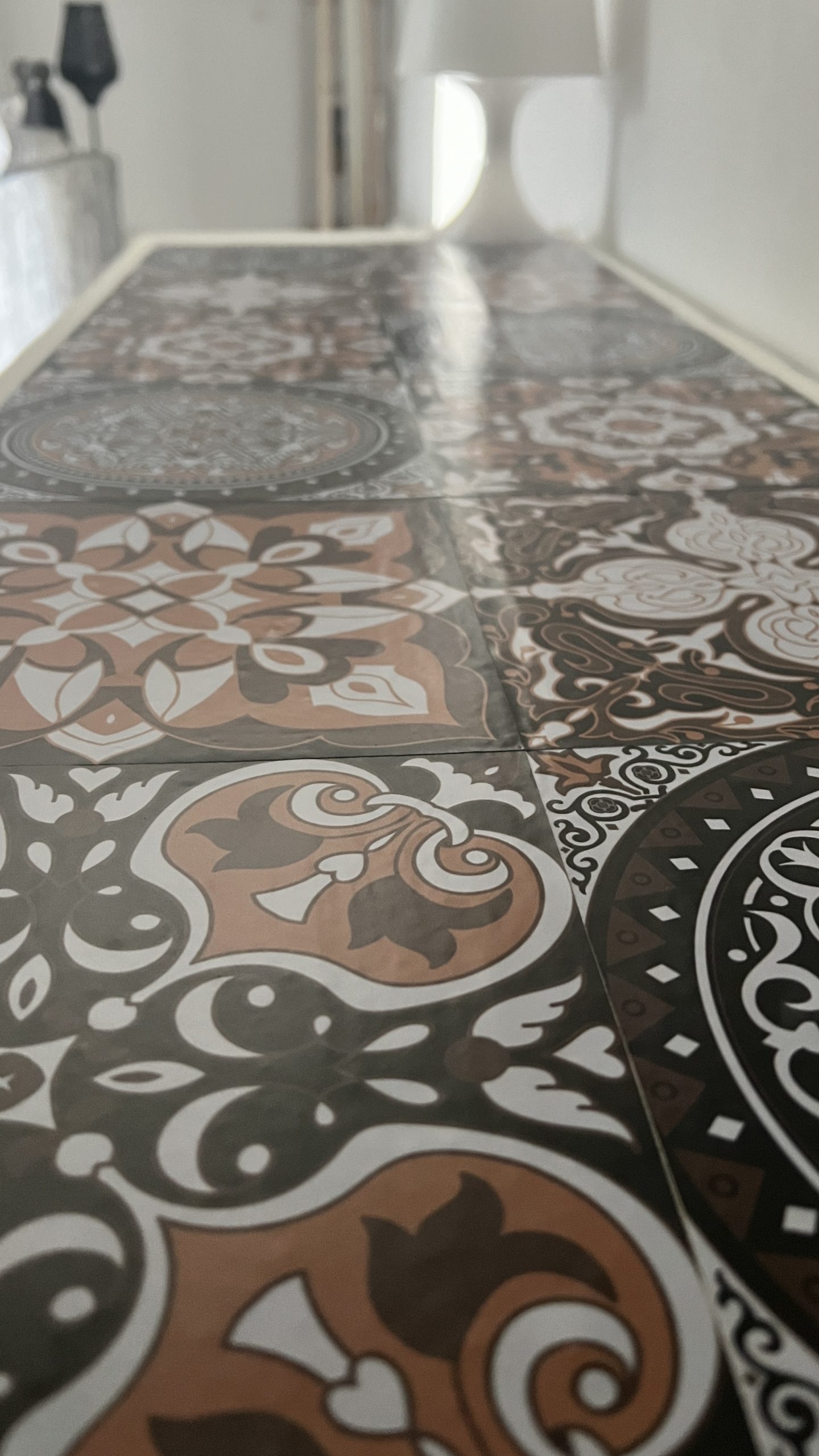
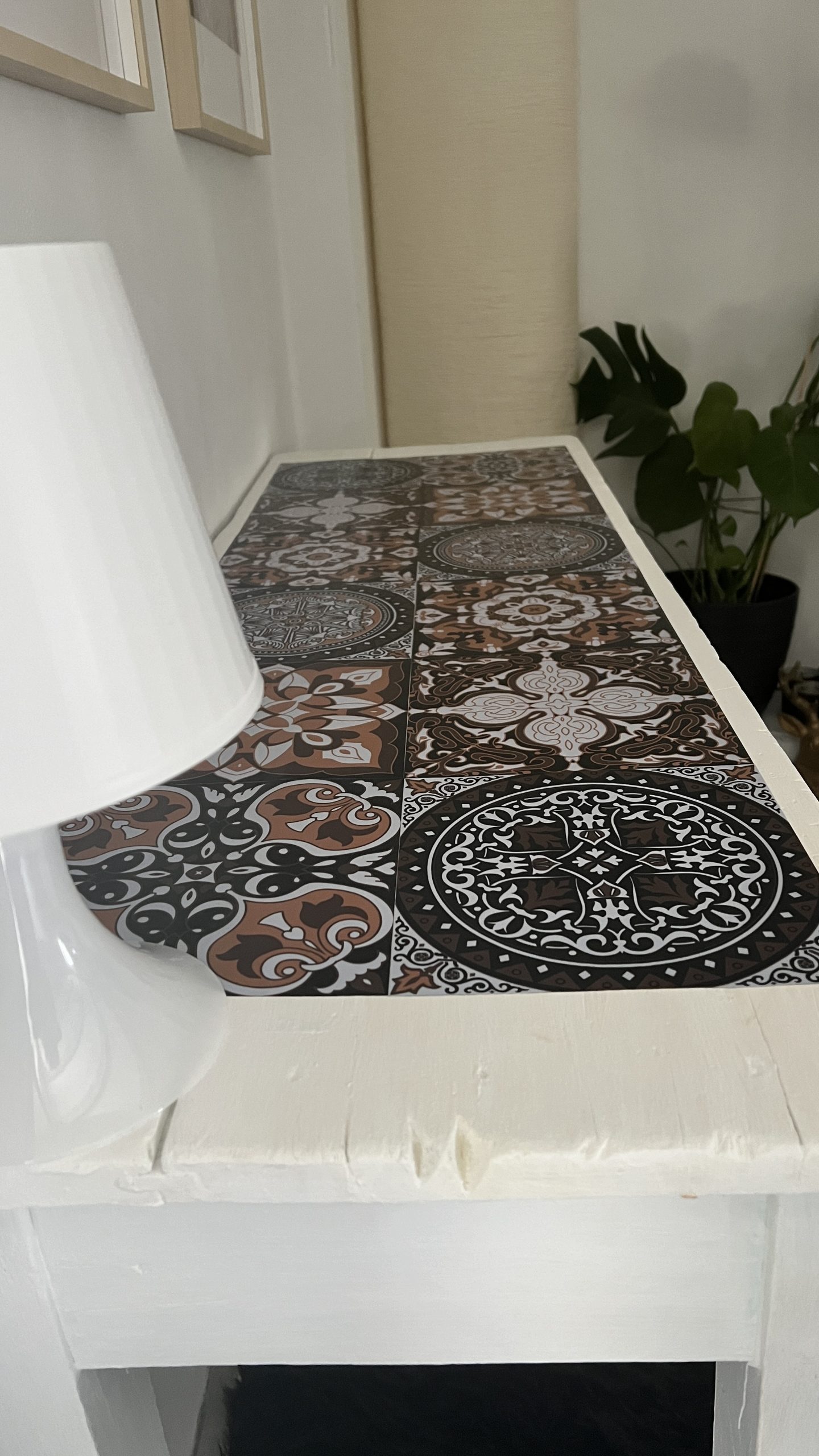
For relatively little expenditure – we had everything except the adhesive tiles – we think we’ve transformed the table and created something which should look lovely in the garden. And, who knows – if the tiles don’t prove to be as adhesive as we need them, we may do it properly and go for ceramics. Perfect for its new home where Moorish inspired tiles rule…
by Helen | Apr 16, 2024 | Italy, Travel
Very recently, we watched the film “Ferrari”, based on a family recommendation, because of its locations. We’re definitely not car-people and so if not for the Italy connections, we might have by-passed it, but it was actually a great – and in places, shocking – watch. We did indeed know many of the locations, especially the scenes shot in Brescia, where we were about to stay with family. So, a thoroughly good watch, as described by Wikipedia – although if you’ve not seen the film, skip the quote, as it’s a BIG plot-spoiler…
In the summer of 1957, Italian entrepreneur Enzo Ferrari prepares his racing team for the Mille Miglia, an open road, endurance-based race lasting one thousand miles. Grappling with both domestic and professional crises, Ferrari and his estranged wife, Laura, grieve for their only son, Dino, who died a year prior. While he has kept Laura from learning of his infidelities, Ferrari’s mistress, Lina Lardi, pressures him to grant their illegitimate son, Piero, the Ferrari name as his confirmation nears.
Meanwhile, in the wake of the groundbreaking development of the team’s Formula One car, Ferrari’s manufacturing company is suffering from severe financial hemorrhaging. Faced with no other choice, Ferrari must merge with a sister company to continue doing business. However, Laura owns half of Ferrari’s shares, and in order to move forward on deals, Enzo must convince Laura to sign the entirety of the company over to him. A resentful Laura demands a check for $500,000, which will bankrupt the company if she cashes it. Laura confirms her suspicions that Enzo has been having an affair after finding where Lina and Piero live in the countryside outside Modena. Enzo agrees to write the check and trust her to wait.
As the Mille Miglia commences in Brescia, Ferrari encourages his drivers to remain ahead of the competition. During a pit-stop in Rome, Enzo’s newest addition to the team, Alfonso de Portago, refuses to change tires in order to stay in the lead; he suffers a blowout and loses control of the vehicle, which veers off the road, killing de Portago, his navigator, and nine onlookers in the resulting crash, including children. Another of Ferrari’s drivers, the veteran Taruffi, completes the round trip to Brescia and wins the race. Ferrari is blamed by the media for de Portago’s lethal accident, and Laura cashes her check to provide bribe money for journalists. She signs over the full rights to the company, requesting that in return, Enzo refrain from giving Piero the Ferrari name until after her death. Enzo agrees, and later brings Piero to his half-brother’s grave.
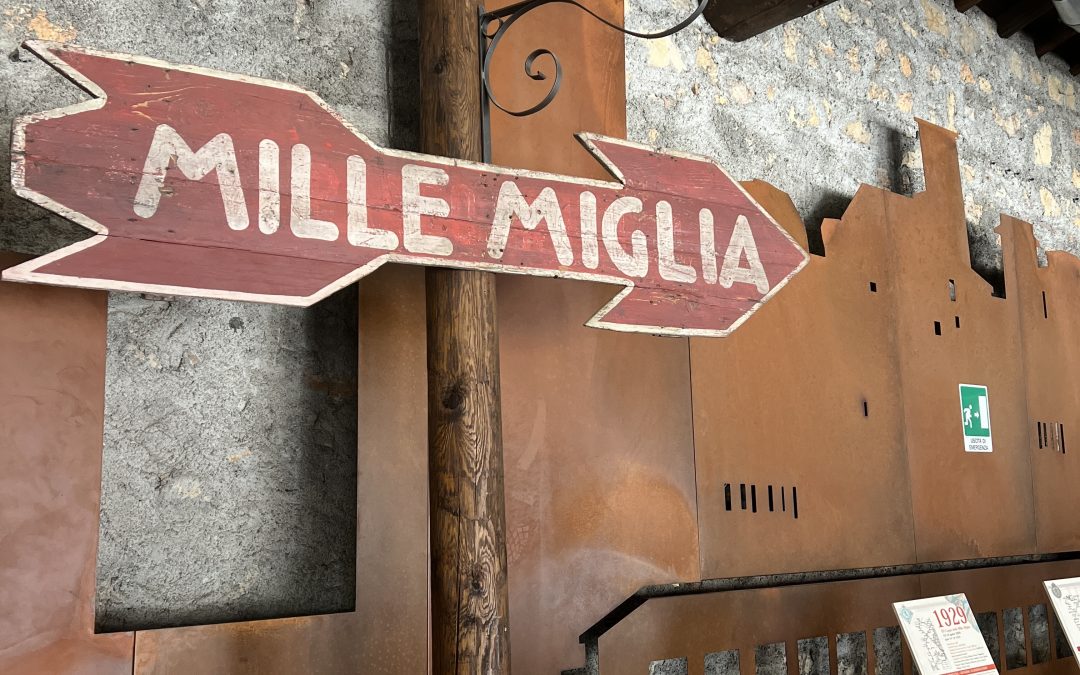
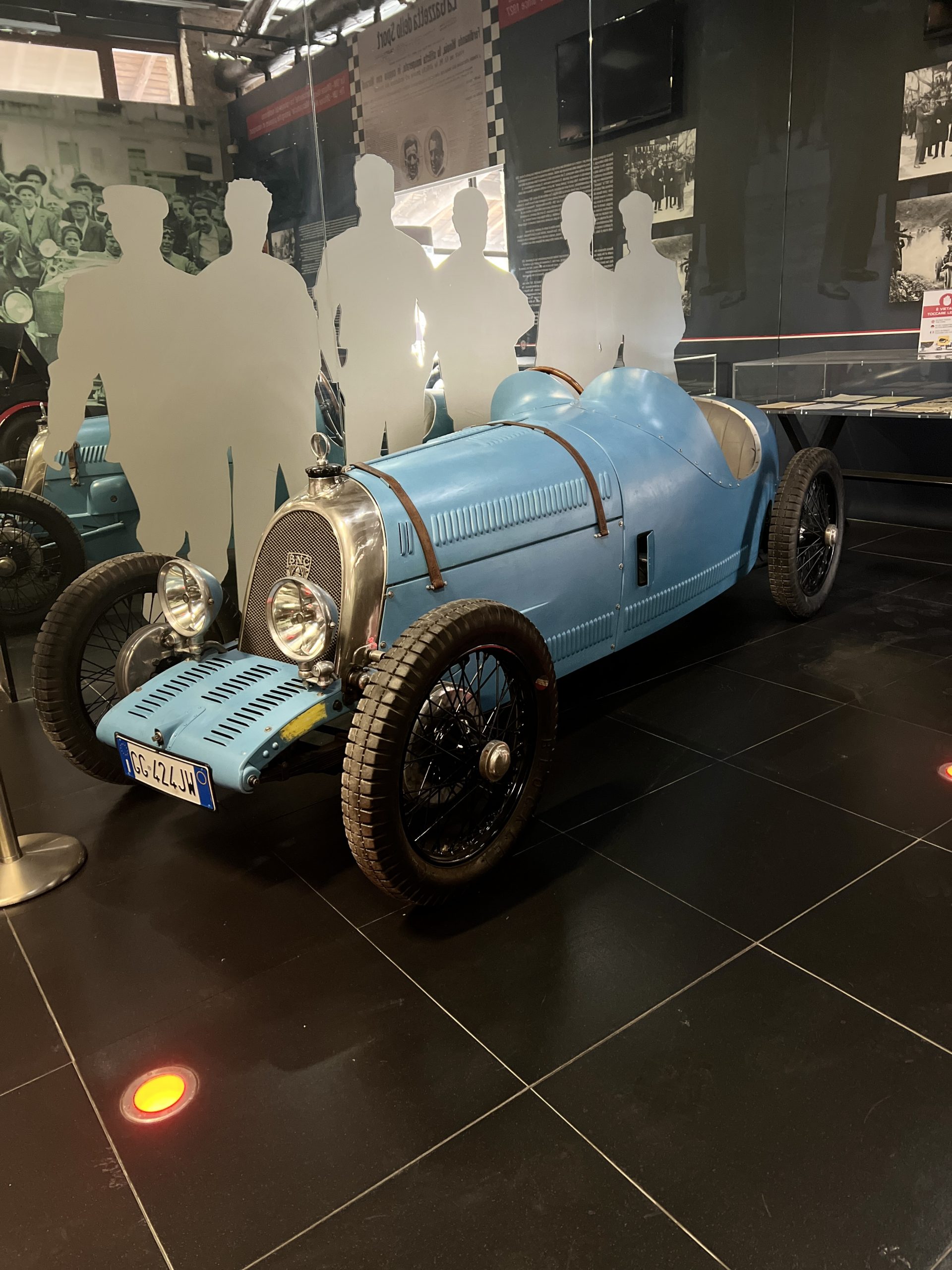
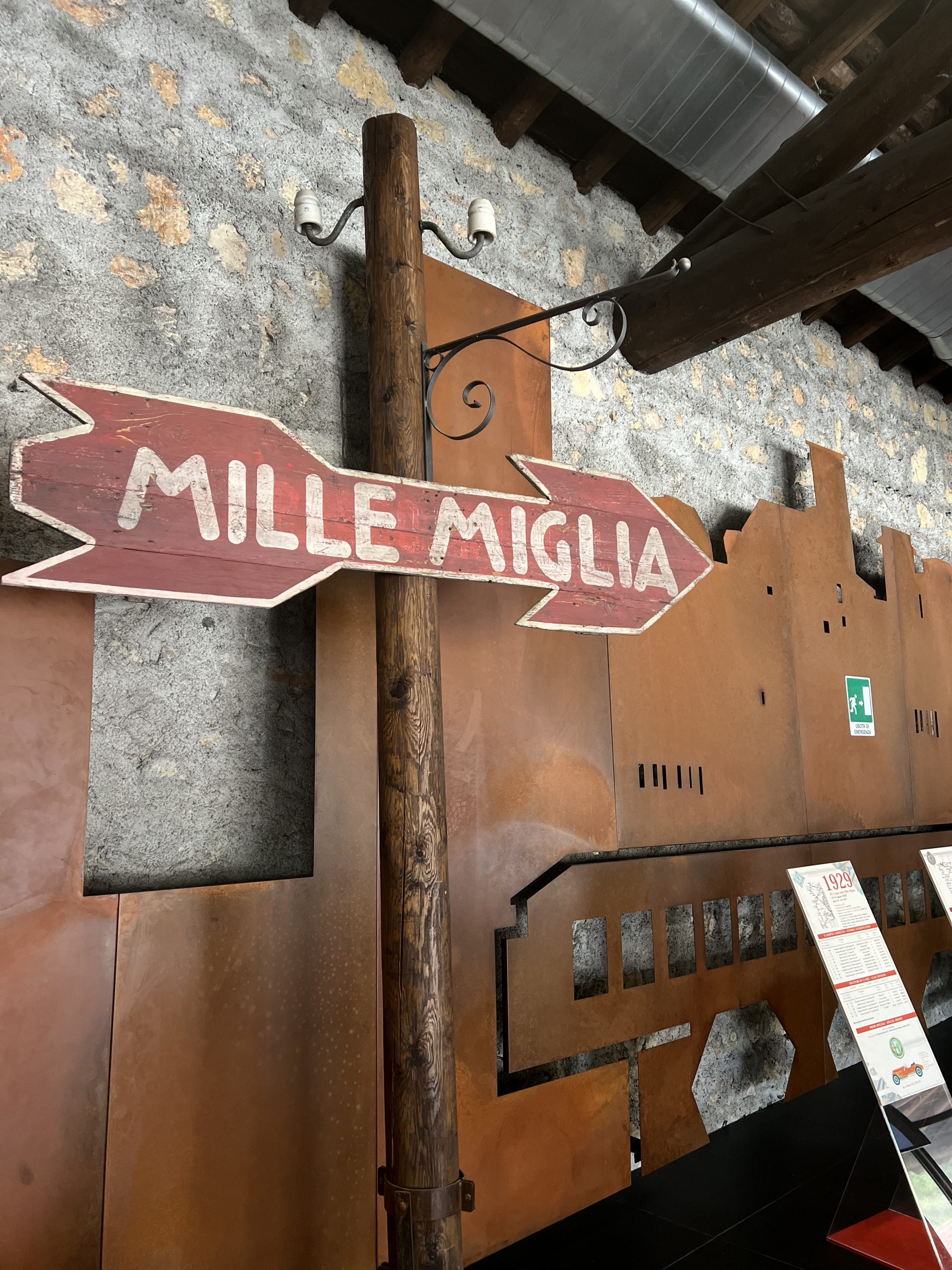
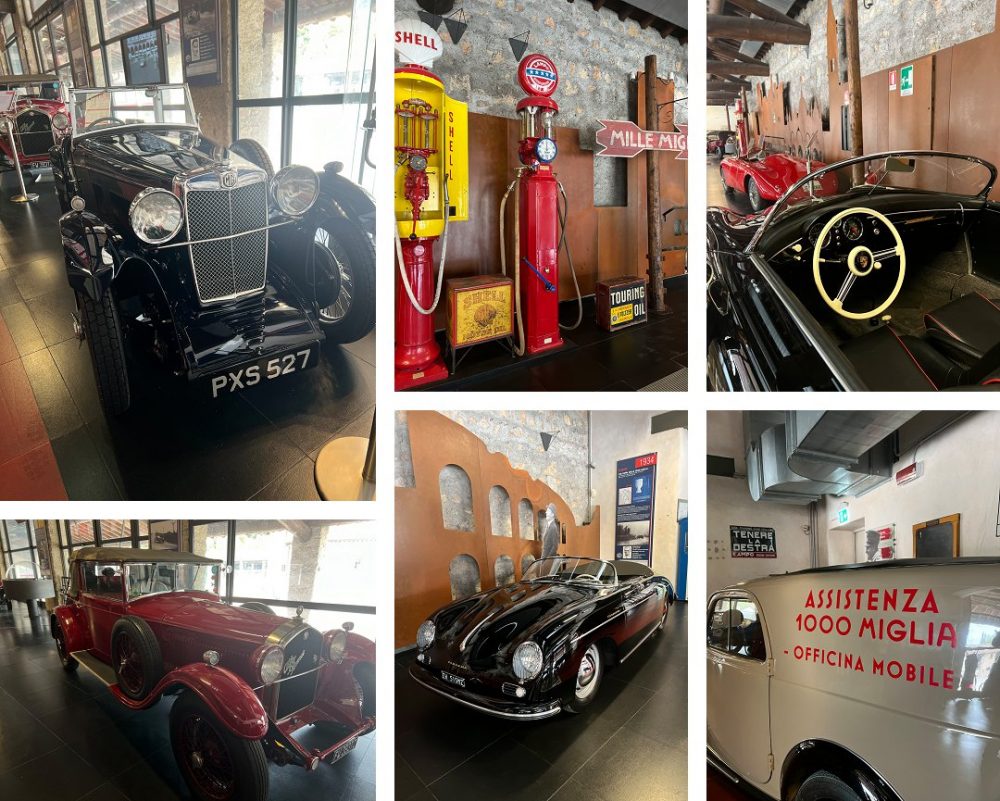
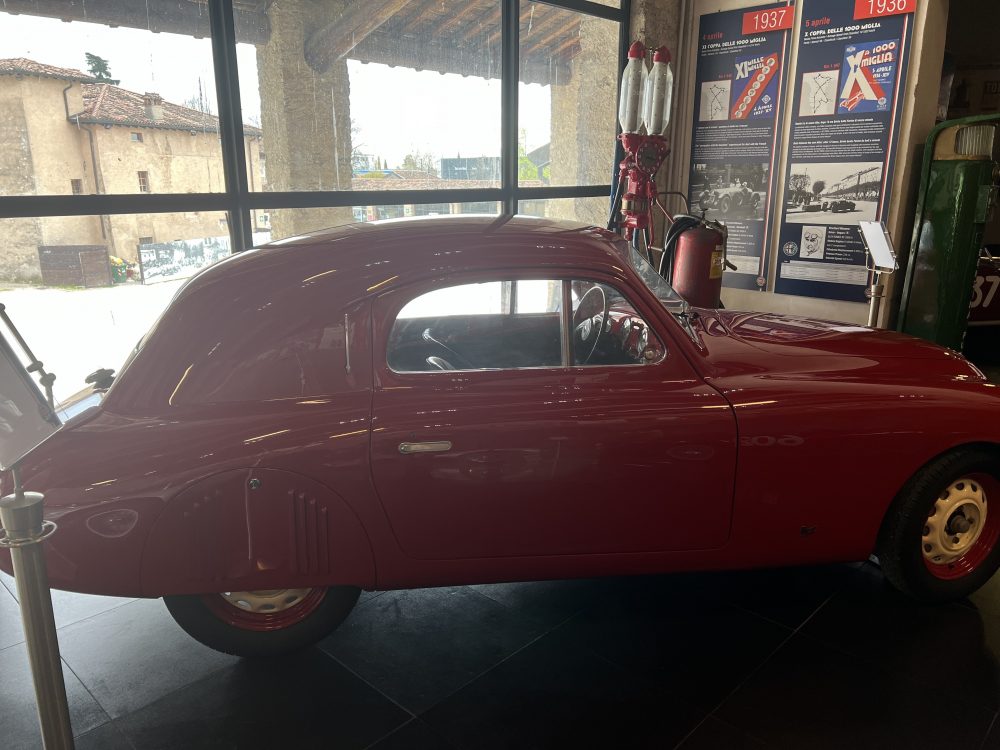
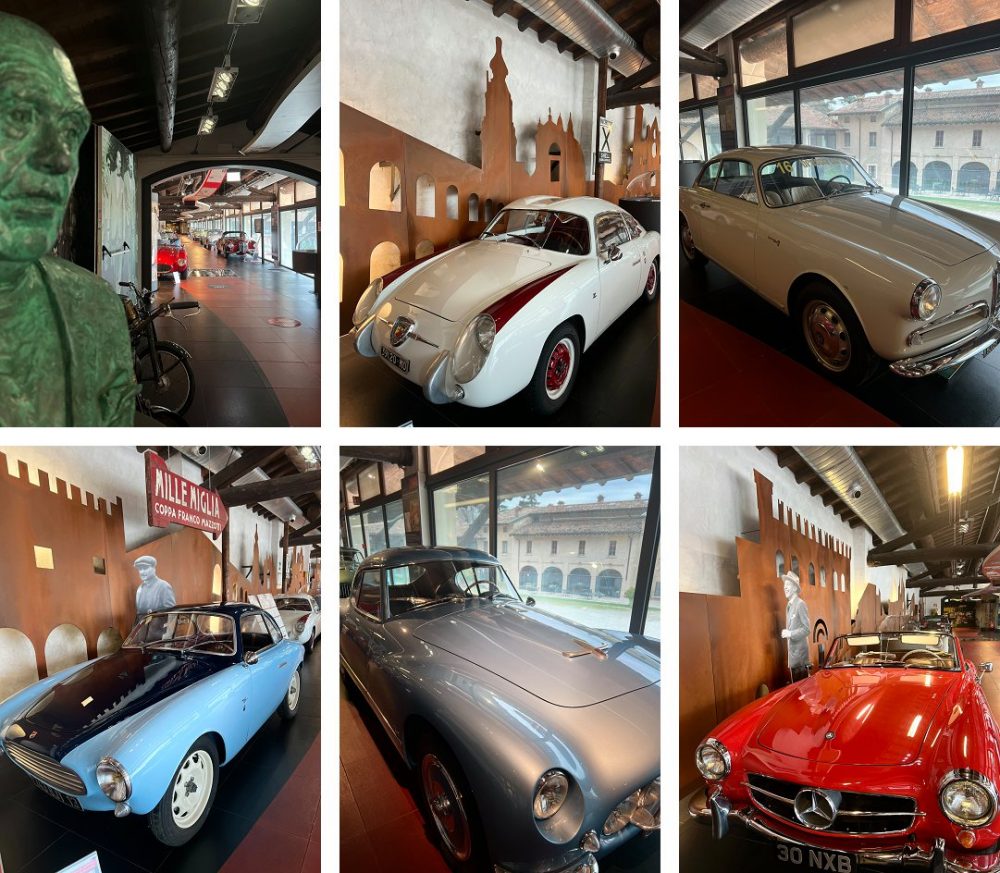
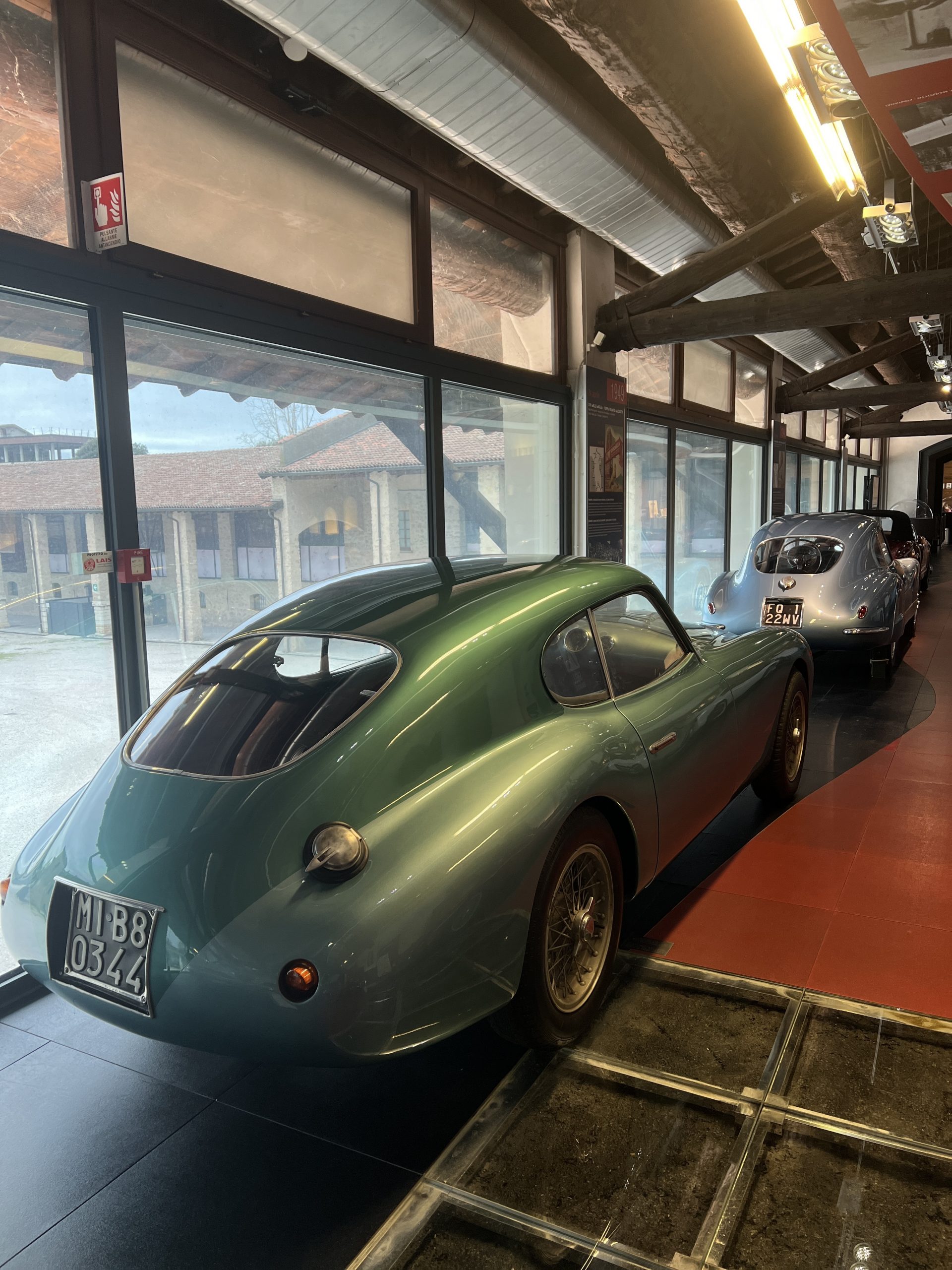
So, after a night in Brescia, we set off in the direction of Trieste, to head back to Istria, when we realised that the famous Mille Miglia museum was only 10kms away, and so a detour was made. Dedicated to the Red Arrow race (held between 1927-1957), the museum was established in December 1996 by a group of Brescian businessmen known as the “Friends of the Mille Miglia” and opened in 2004. The Museum aims to reconstruct this famous cultural sporting event, and has been able to establish a collection of rare, four-wheeled gems, which it exhibits in its museum, thanks to the devotion of private collectors and partnerships with other automobile museums, including a Cooperation Agreement the Mille Miglia has signed with the Mercedes-Benz Museum.
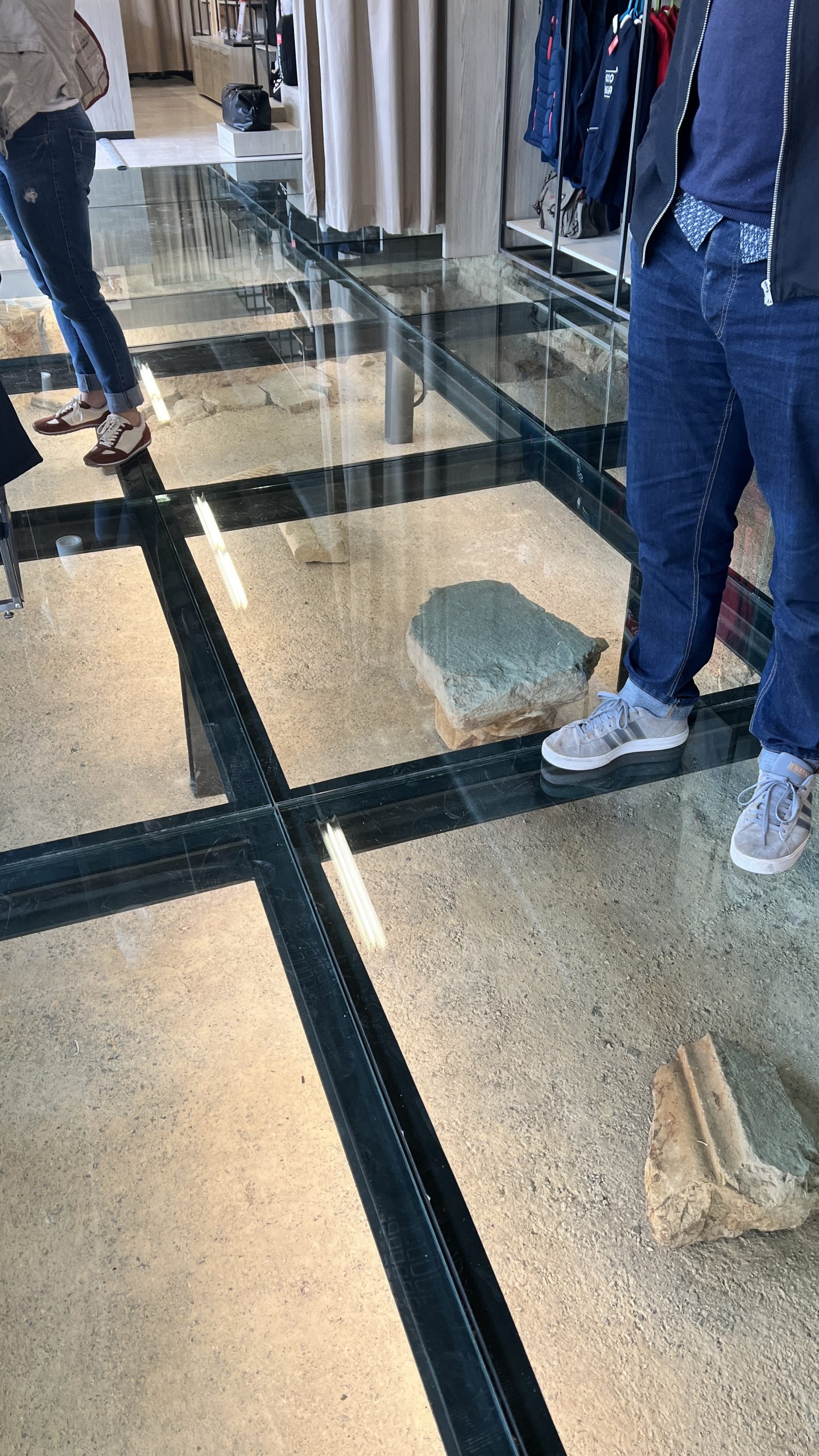
We’re absolutely not petrol-heads, but did find this a really fascinating visit – and some of the cars are just unbelievably beautiful. The location of the museum is pretty stunning, too – sitting within the grounds of the Sant Eufemia della Fonte Monastery, which dates back to 1008. In the museum shop, we particularly liked the glass floor which sits over some of the ruins, as it reminded us very much of our glass well cover. The museum shop is very cleverly located – you pay for your entrance tickets here, so have to access the museum through the shop and then exit through it. Very difficult not not make a purchase – and especially as some of the offerings are actually very tasteful. Clever, clever.
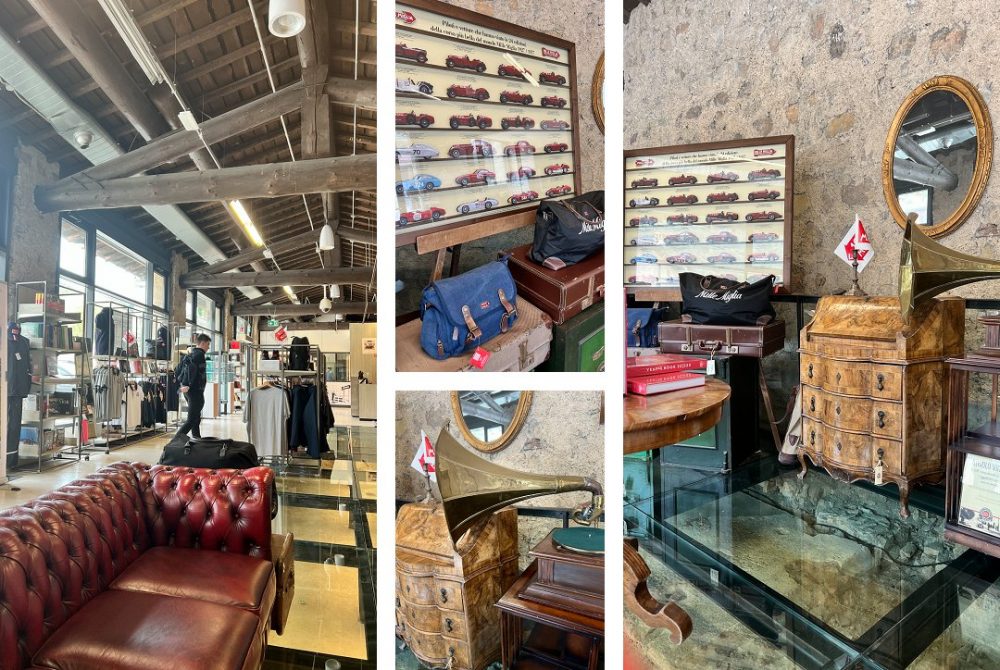
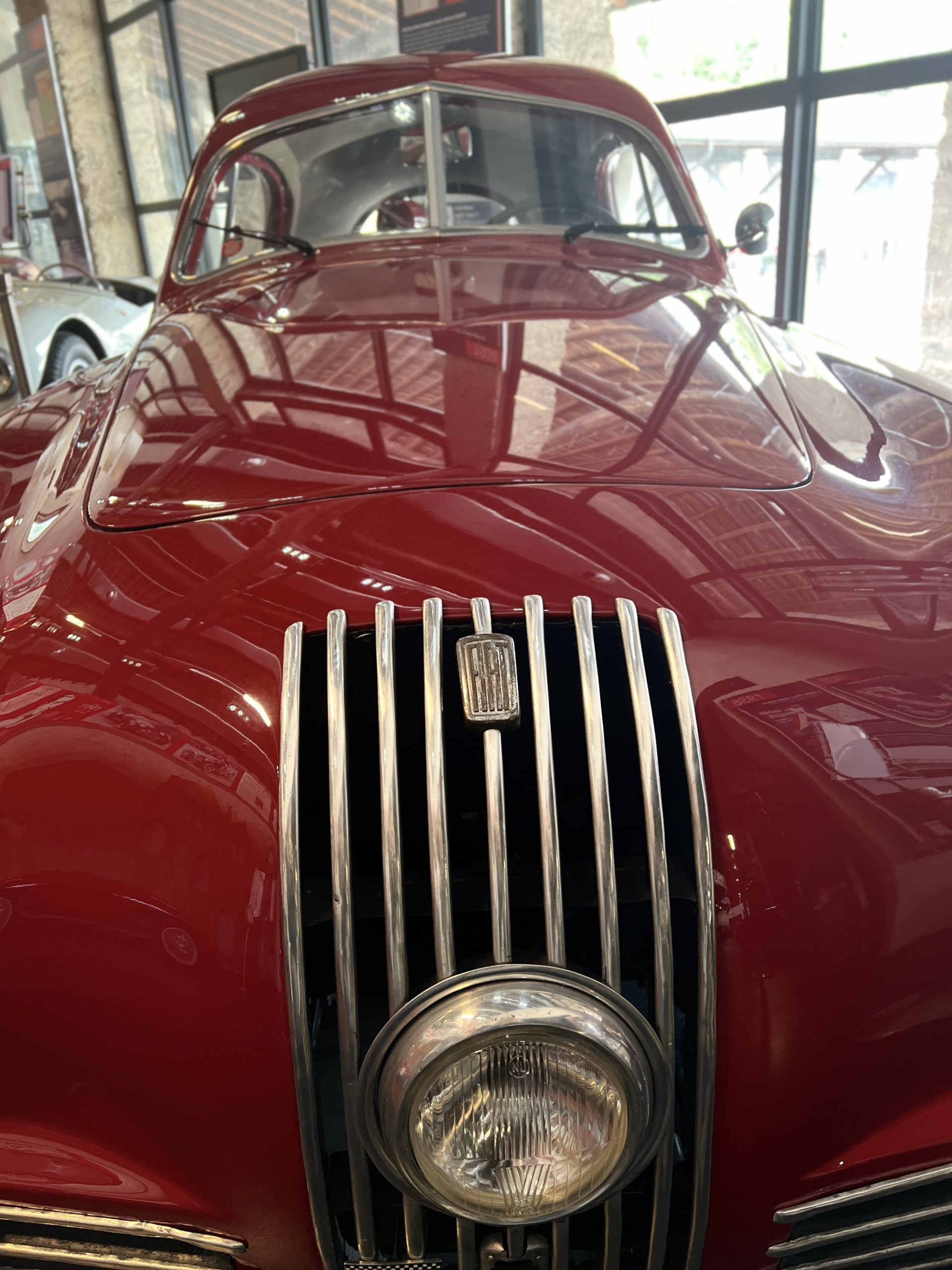
As well as a very decent display of quite astonishing cars from different eras, there are lots of photographs which explain the race through the ages and the personalities involved – accompanied by the background sound of car racing, which I didn’t find annoying, more immersive, as it made the whole thing seem a little more real. Anyway, the exhibits…
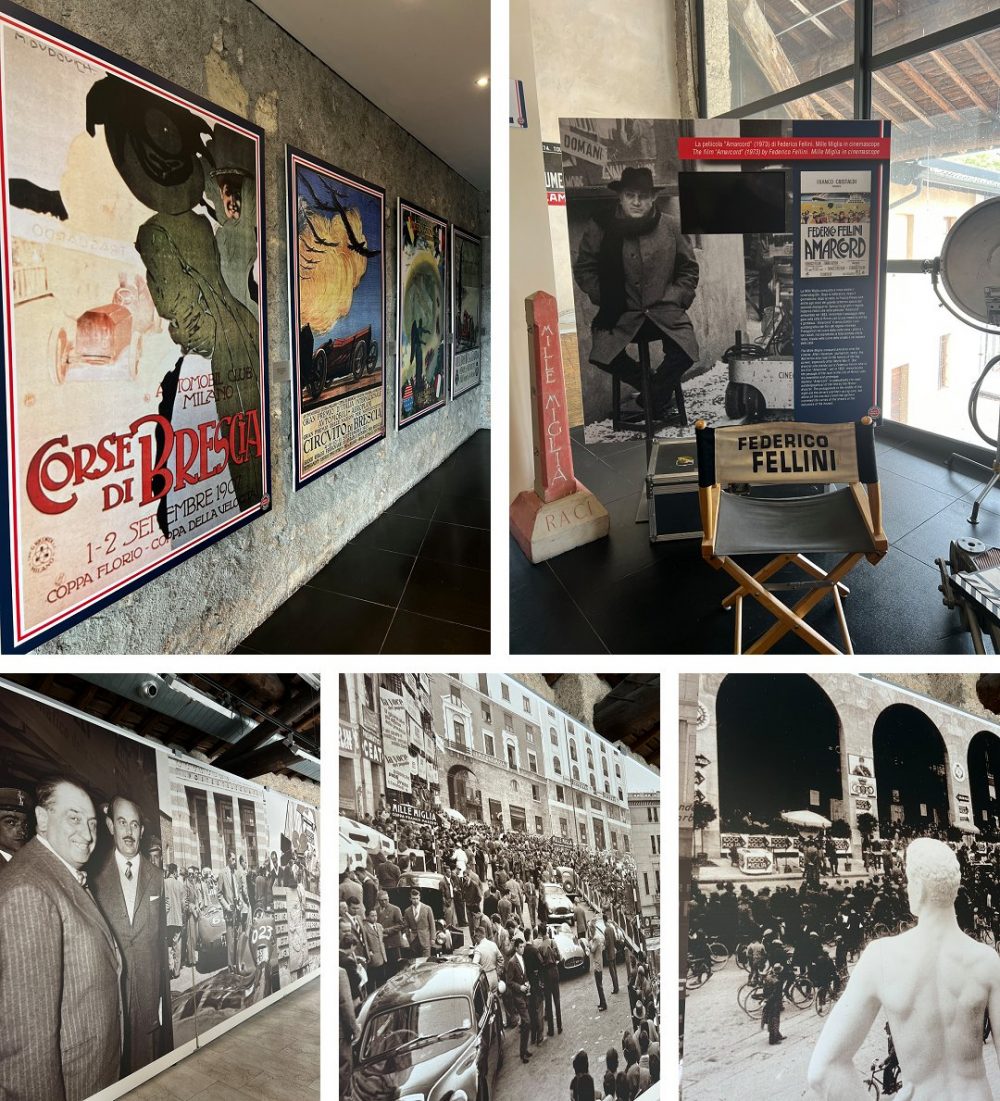


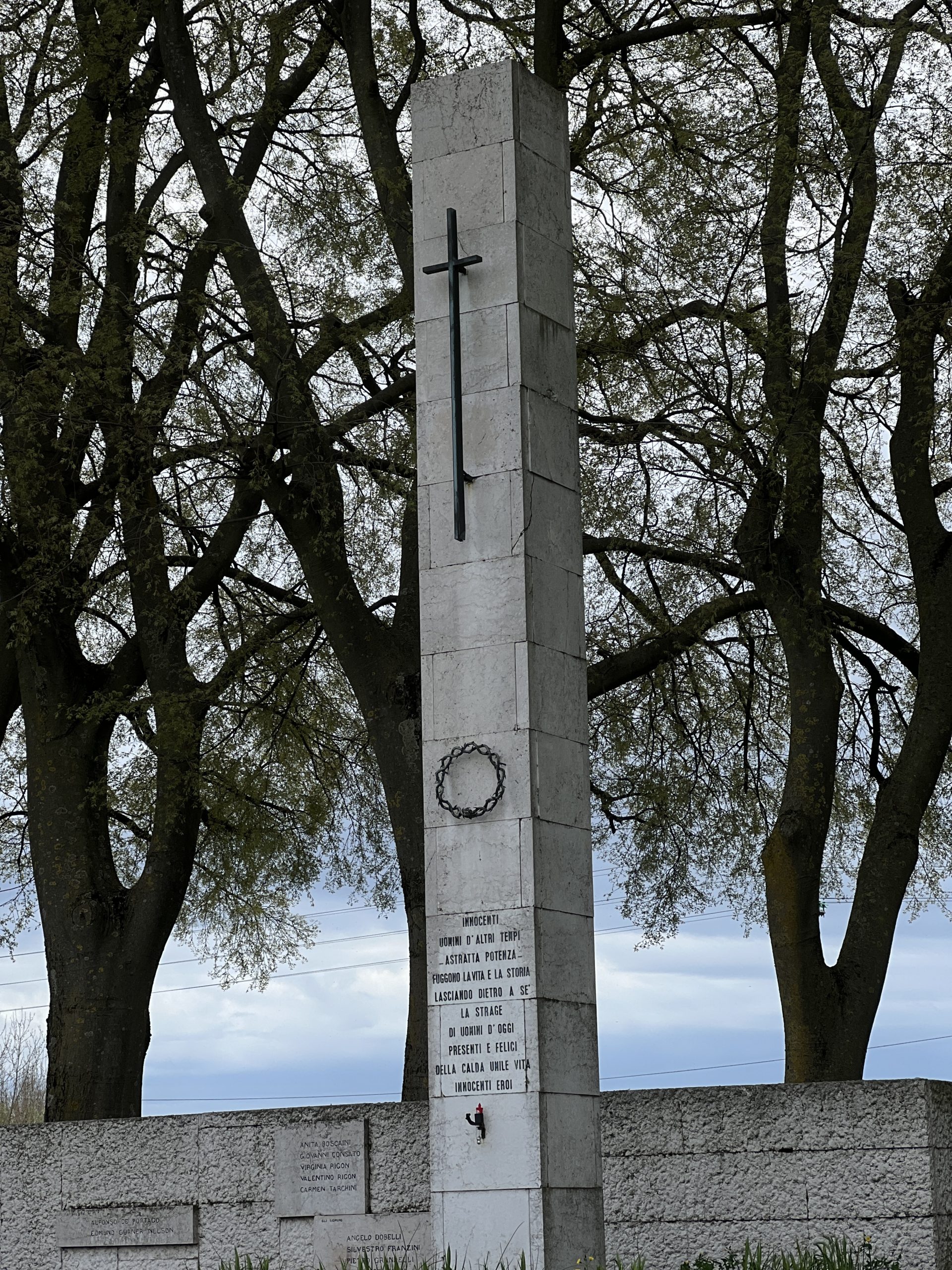
One of the most memorable scenes from the film “Ferrari” is the fatal crash scene, on a country road, near Guidizzolo, just outside of Brescia. It is a really shocking scene, especially if you know nothing of the events. In 1957, with only a few miles left in the grueling, 11-hour race, a Ferrari driven by the dashing Spanish racer Alfonso de Portago blew a tyre and tragedy struck the Mille Miglia. The damaged Ferrari spun out of control and flew off the road, instantly killing de Portago and his co-driver Edmund Nelson. Tragically, nine spectators were also killed—five of them children. The Mille Miglia was never raced again.
After leaving the museum we felt it would be fitting to visit the site, as we knew that a monument stood there, in memory of the people killed. All that marks the spot now, is a tall, slim monument, which could be easily missed if you weren’t actively looking out for it. There’s no real place to pull over, no car park for example, just a grass verge – and with lorries thundering past, we didn’t feel we were in the safest location, so didn’t linger. A very poignant visit, especially after the museum…
by Helen | Mar 28, 2024 | Lifestyle
We’ve had a Bose Soundlink Mini II bluetooth speaker for a good few years now. It’s portable, the charge lasts for quite a long time and the sound quality is excellent. It still looks pretty cool after about ten years, so design-wise, it ticks boxes for us. It’s small enough to pack into an overnight bag, so when we go away, it’s usually brought with us, as we can’t be without our Spotify playlists. It’s used both indoors and outdoors – and this is the only real negative. It’s not waterproof or rain resistant. Not that we’d ever leave it out in the rain, but sometimes you are caught a bit short and it has had to be rescued in the nick of time, from an unexpected shower or two. But, we’ve been more than happy with it.

However, we now have a young pretender. Step forward a rather funky looking bluetooth speaker from IKEA, of all places. We weren’t in the market for a new one, necessarily, but having just had outdoor sockets finally fitted in the garden, we’ve been re-thinking how things can be a whole lot better, sound and lighting wise. We’ve even considered a projector so that we can watch films outside, like the time we watched Cinema Paradiso on a wall in a village in Lesvos. But, I don’t think we were really considering a new speaker, until I read something about the VAPPEBY speaker online. Not only was it a very good price – €49.95 – but the reviews were amazing, especially relating to chargeability, portability and sound quality. One thing which definitely steered us in its direction was the Spotify Tap, the technology that lets you start, or carry on listening, just by tapping a button, rather than opening the app on your phone, selecting a playlist, and going through all that rigamarole. Just press a button on the device to start streaming with Spotify Tap. Don’t like what’s playing? Press the button again and another recommended song will start up. Once pared with your playlist, it’s very intuitive and the tap function is really good added extra. One which our Bose doesn’t have. Being made of tough, easy to clean plastic, and rated IP65, it’s shower proof, so completely suitable for using outdoors, especially as it has 360-degree sound meaning that the music plays clearly and distinctly. Again, another feature missing from our much more expensive Bose speaker.
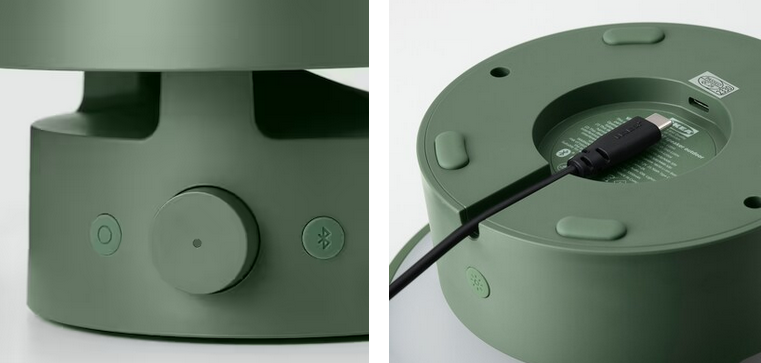
We bought this on Sunday and did charge it initially – there was already some charge in it, but it is only this morning (Thursday) that it has needed to be recharged. And, when I say we have hammered its use, I really do mean that – it’s been in use every day since Sunday, because we can’t work without music. So, that’s another big plus point. Another plus point, is that it also has a lamp function, with two settings, one being a bit more ambient than the other. The brighter setting, however, is perfect for evenings in the garden when it starts to fall dark. The sturdy carrying handle is also very useful, especially if you are carrying other things in and out of the garden at the same time.
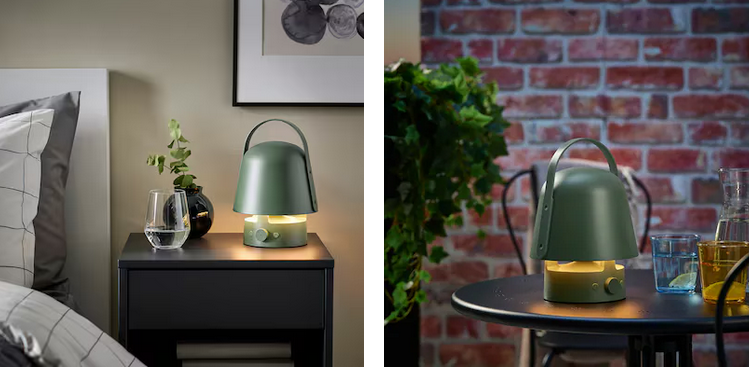
The unit comes in three colours – white, a sage green (the one we purchased) and a dark blue/grey. It’s good to know that a USB cable for charging the portable speaker is included, but if you need a USB power adapter, this is NOT included, and is sold separately.
So, so far so good with our new Bluetooth speaker, which was less than €50. Perhaps a summer of it being used all the time, may reveal signs of wear and tear, and we may return to our faithful Bose, but I think we have high hopes for the VAPPEBY.
This is NOT a sponsored post. We paid full price for the speaker and we have NOT been asked to review it. All photographs of the product are IKEA images, from the website.
by Helen | Mar 27, 2024 | Lifestyle
We have very fond memories of Velvet, on Canal Street, in Manchester, way back in the ’90s. Along with bars such as Manto and Metz, these places just seemed to ooze glamour and decadence and opened up a whole new world – definitely a far cry from some of the student haunts we used to visit. When we moved to West Didsbury in 2000, it took a good couple of years before we saw any kind of resurgence and renovation, and so still largely travelled into the city centre to get our glamour kicks. Then, The Metropolitan was given a new lease of life, and West Didsbury started to become the place to be, and as everything was on our doorstep, we stayed local, and all of the early 90s bars became fuzzy memories.
Move onto 2017 and we found ourselves living an entirely different life. Up in the hills of northern Istria. With not a Velvet anywhere on the horizon. But, over the past few years, things have started to develop in our neck of the woods and we have a lot more choice for eating out and drinking options. But, as in the old days, sometimes you need to head the bright lights of the big city – and these days, when we do, it’s often Zagreb.
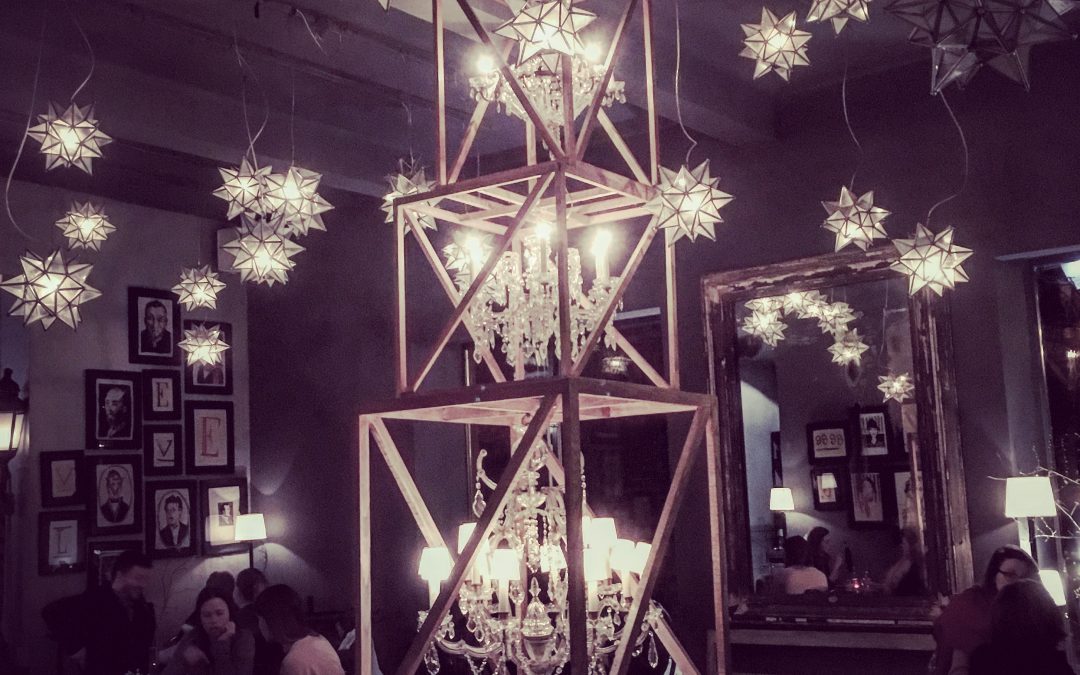
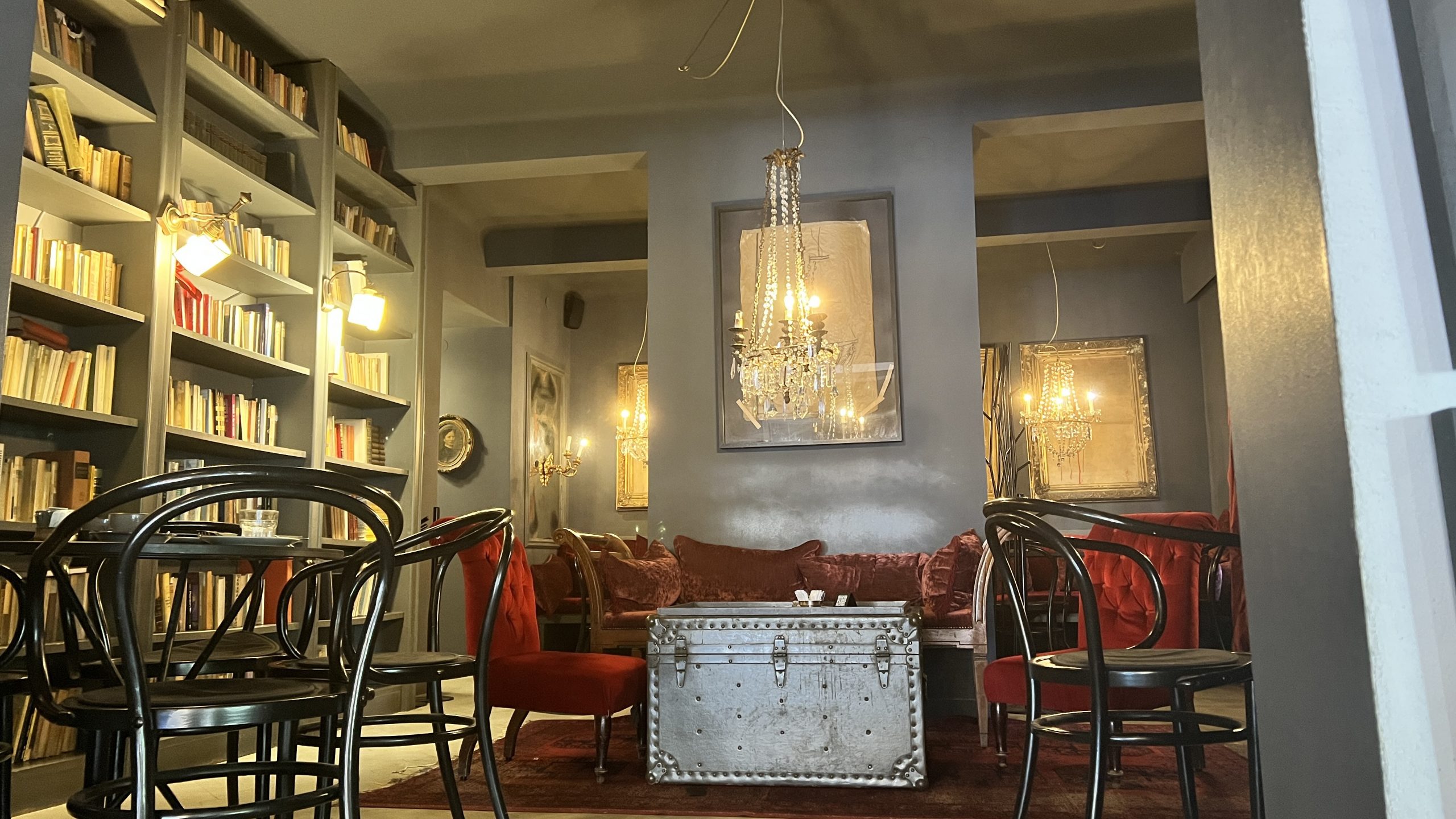
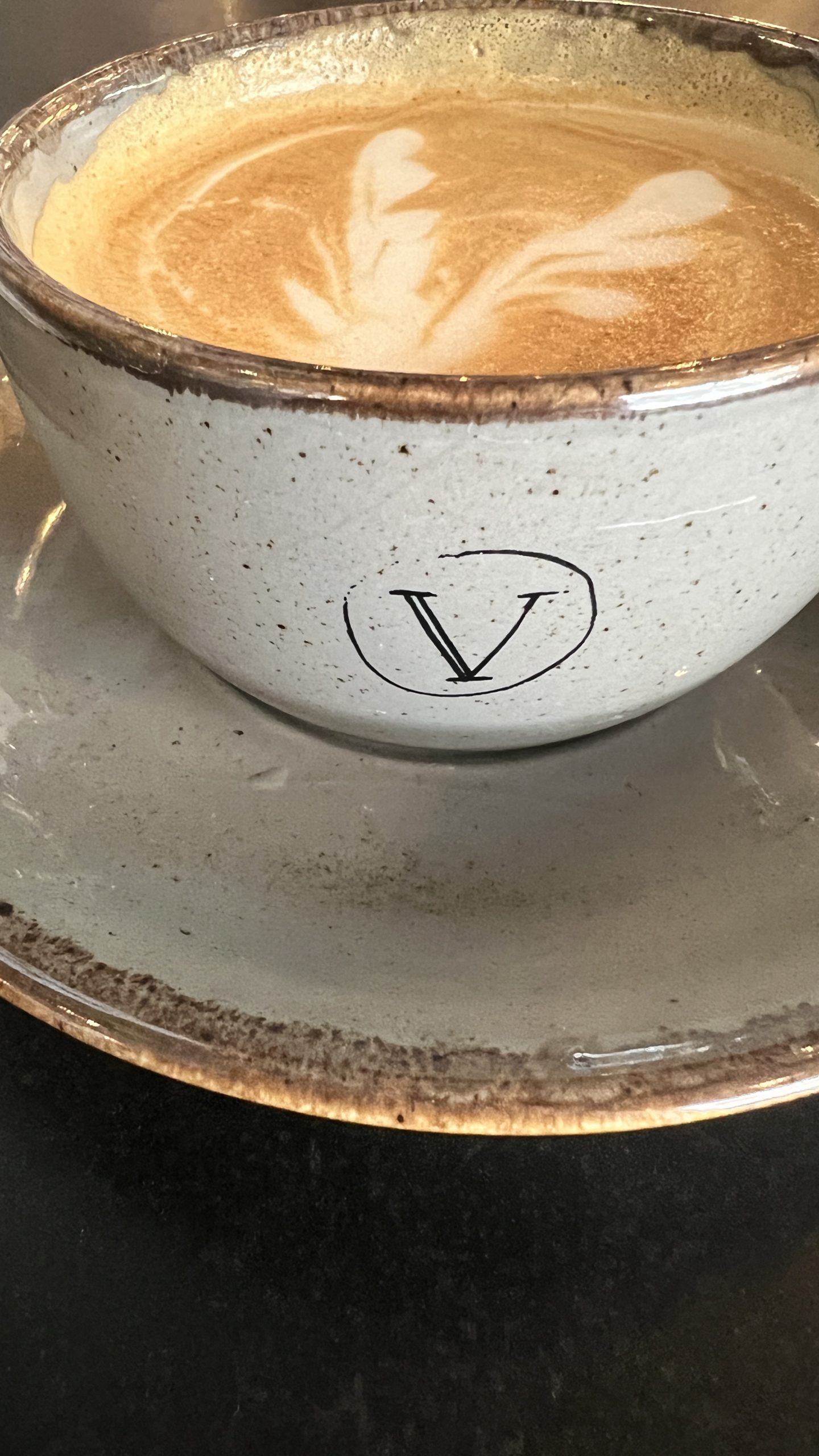
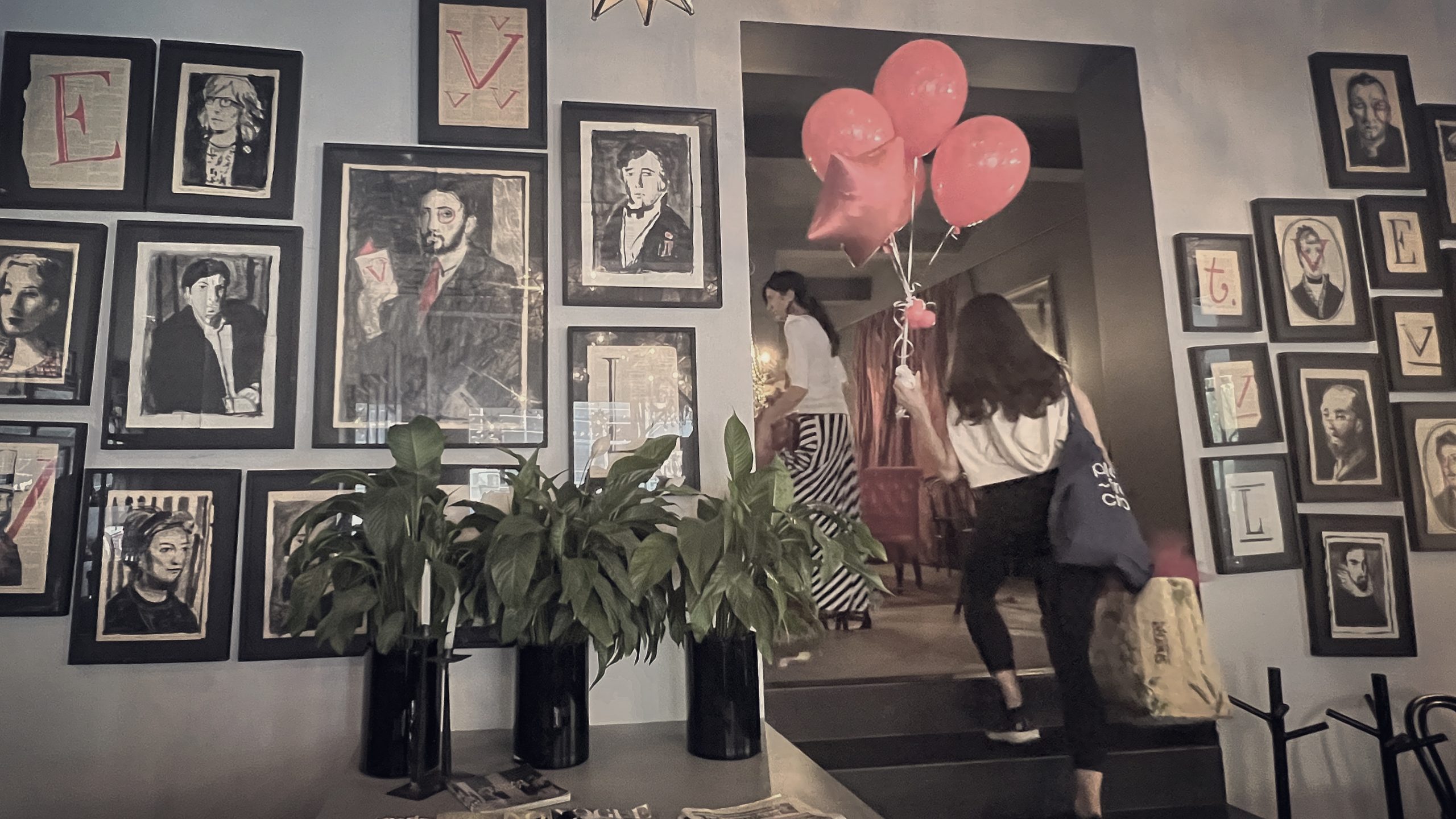
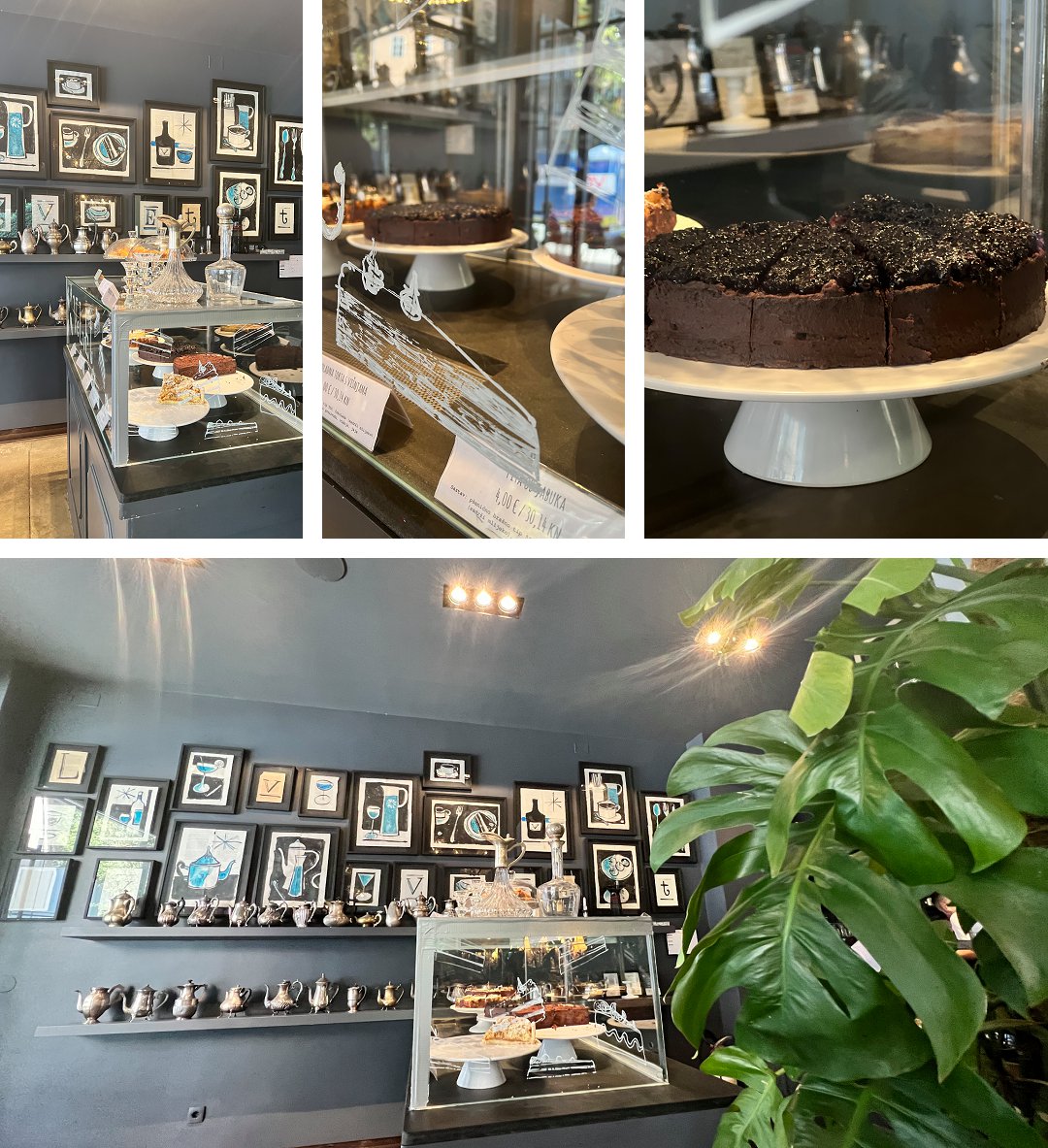
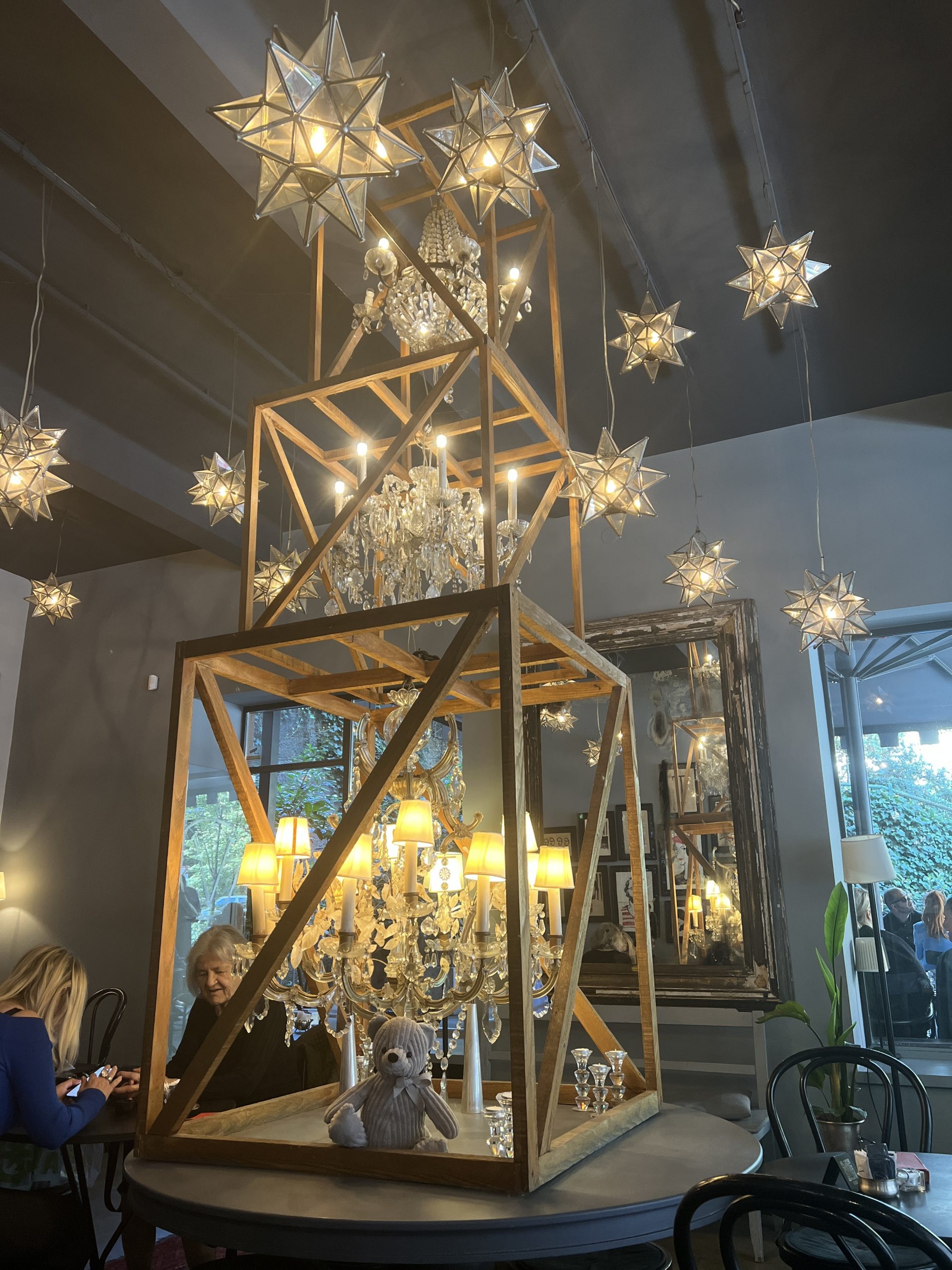
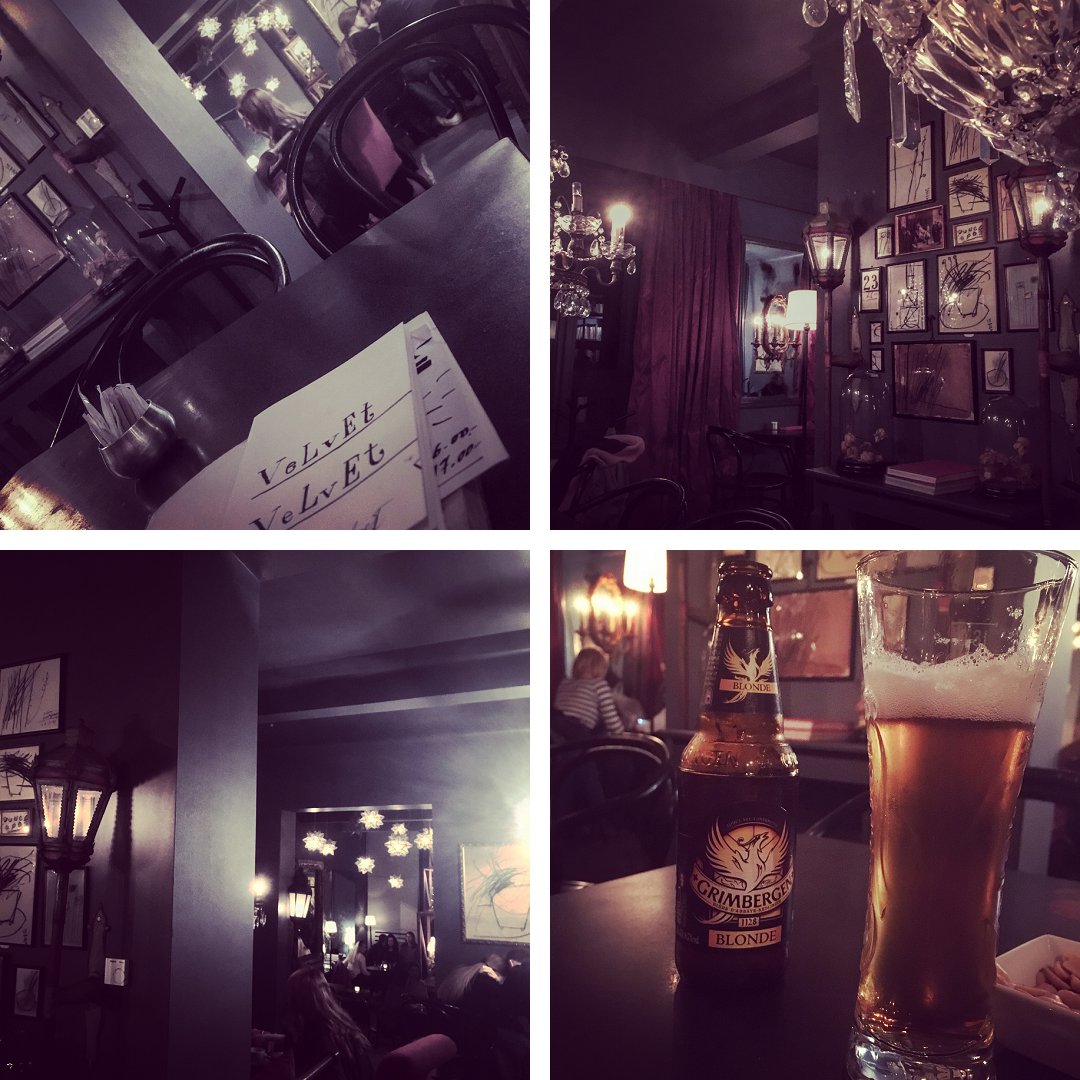
So, the reason I initially mentioned Velvet on Canal Street, is that we’ve now found ourselves another Velvet – this time, tucked away under the old town of Zagreb, conveniently located next to an underground car park, beautiful independent stores, cool restaurants and stylish apartments, perfect for a short stay. At night, it’s dark and moody and velvety. Perfectly adorned with chandeliers and ambient twinkling lights. Set on different levels and with different rooms/areas, you can be as anonymous or as gregarious as you want to be. By day, it’s light and airy, and serves just about the best coffees we’ve found so far in Croatia, as well as a massive array of cakes and sweet bakes and savoury sandwiches and toasties. A very good way to begin your day or enjoy a leisurely brunch.
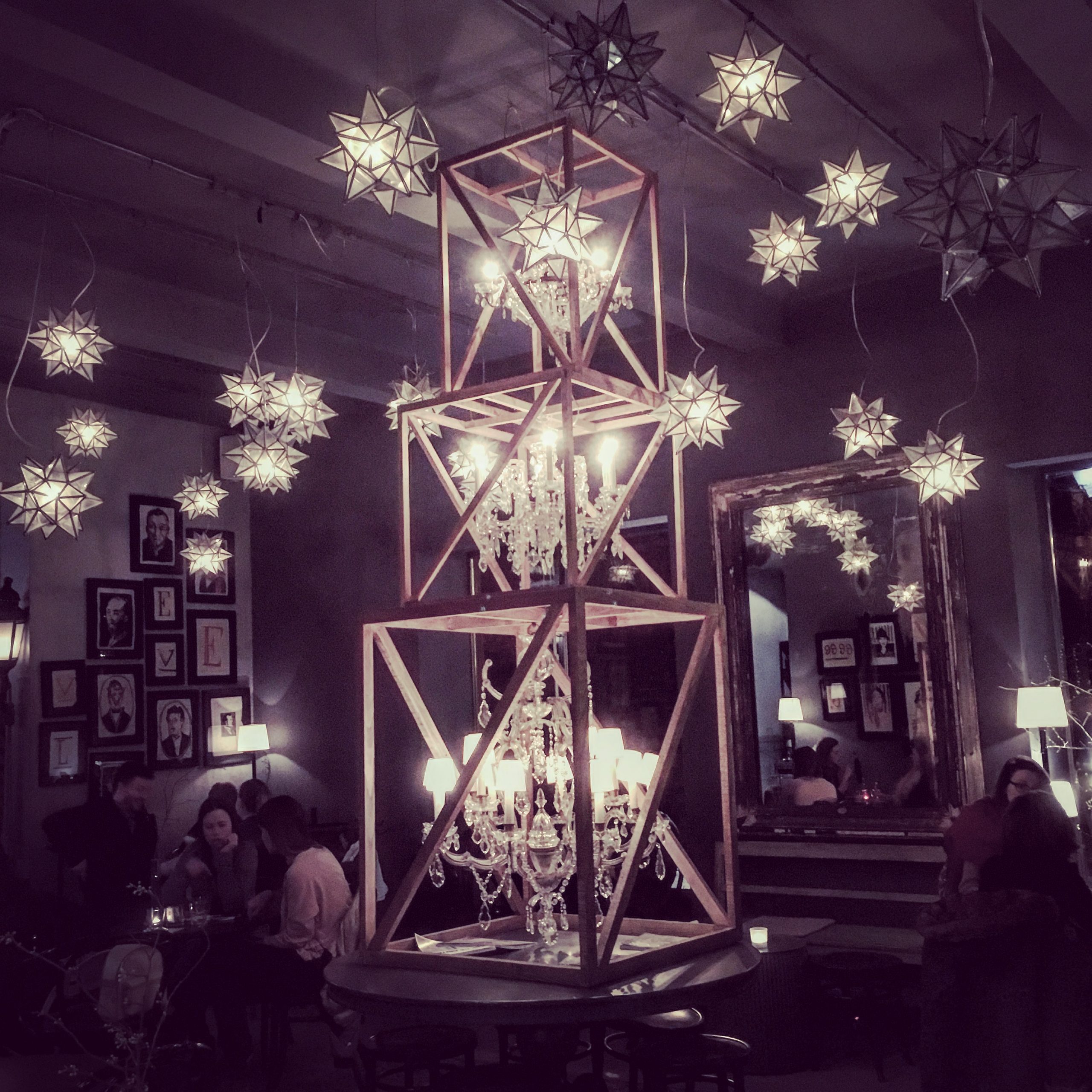
Although we do currently need to go a little further afield to find a funky bar, than we did when we lived in West Didsbury, we see the travel as part of the adventure. We get to stay over in places we wouldn’t otherwise probably have investigated – seven years ago, I would never have considered high-tailing into Zagreb, as we used to in Manchester. But that’s how our lives have turned out – opportunities we never knew were possible, but even if it’s the name of a bar, always intertwined with our Manchester lives…
by Helen | Mar 26, 2024 | Lifestyle
This winter definitely hasn’t felt as long as previous ones we’ve spent in Istria. When summer ended and family went home after four long, fabulous weeks, we had two autumn visits from friends, when we experienced a really warm October, feeling that summer was still stretching itself out. At the start of December, we met up with Didsbury friends in Bergamo for birthday celebrations, and at Christmas, family came out again. We then had a lovely surprise New Year visit, from the friends we’d gone to Bergamo with, so by the time January arrived, we almost felt that summer was only just over.
January and February have been pretty mild, too – no snow, so far, and we are crossing our fingers it stays away this year. We’ve had rain and wind and fog,but who doesn’t in winter? And although we’ve been here long enough now, to know that the weather doesn’t settle into a summery rhythm until later April/early May, March has arrived and brought with it warm weather, blue skies and sunshine.
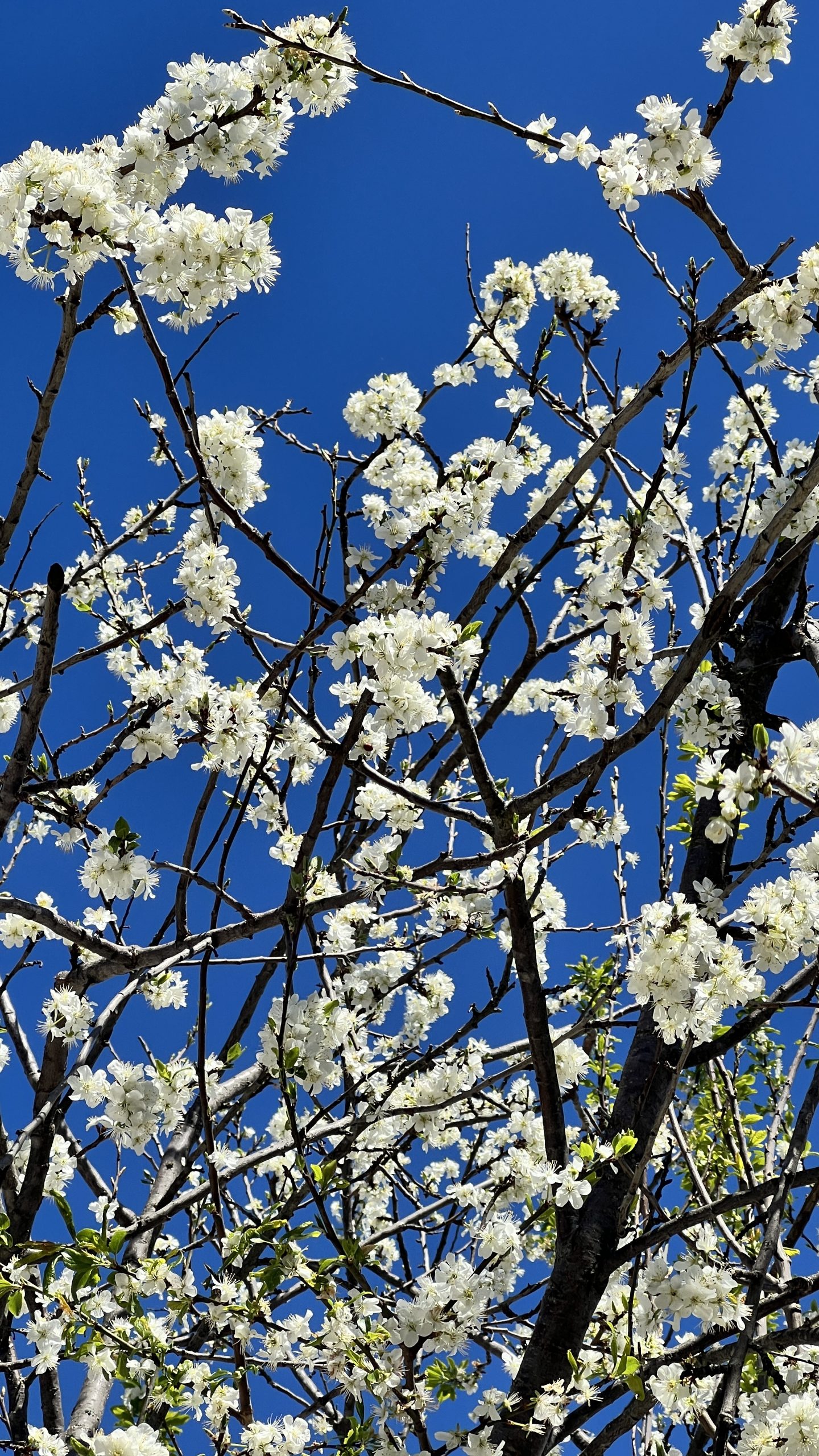
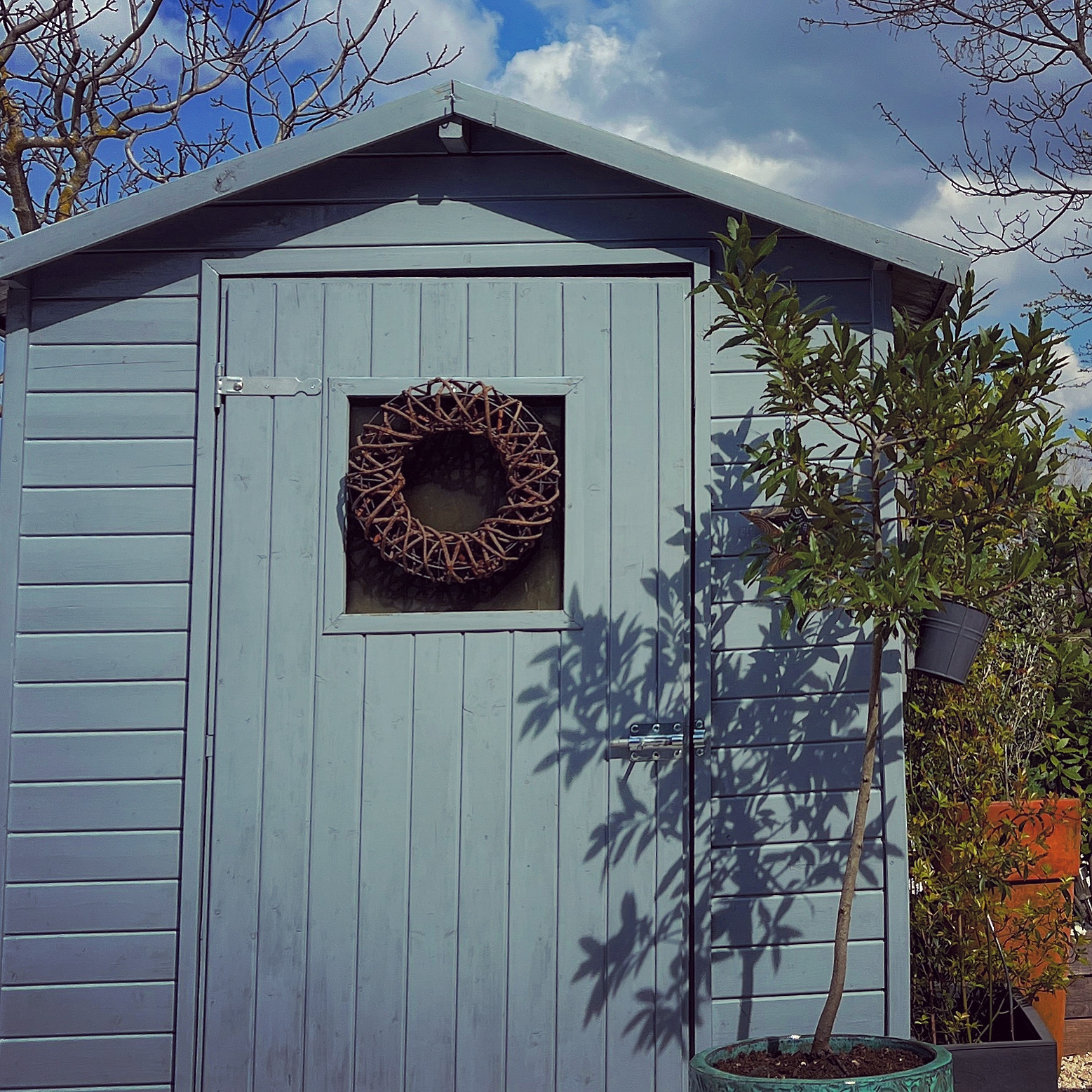
We’ve been keeping ourselves busy, doing a BIG de-clutter. The outside cellar has finally been cleared and rationalised – seven years worth of *stuff* has been either stored away neatly and tidily, or put on the ever growing pile for the municipal tip. We can finally get inside it now, and get to the overspill fridge – very handy in the summer! – instead of stumbling over boxes, bags, bicycles, pots of paint and all of the paraphernalia that comes with a long house renovation. We also have two sheds in the garden – one that was supposed to be a storage place for all things gardening related, the other, a home for all of the garden furniture cushions and throws and lanterns etc. Of course, these have also become dumping grounds and nothing has had its own place, so cushions have been squashed up against terracotta planters and lights and lanterns have just been shoved wherever there was a space. Not any more though – everything now has a home, and we feel super organised and ready for the onset of very warm weather. Maybe the budding trees and plants have motivated us, but we feel very re-energised and ready for a big summer of adventure.