by Helen | May 16, 2014 | Spain, Travel
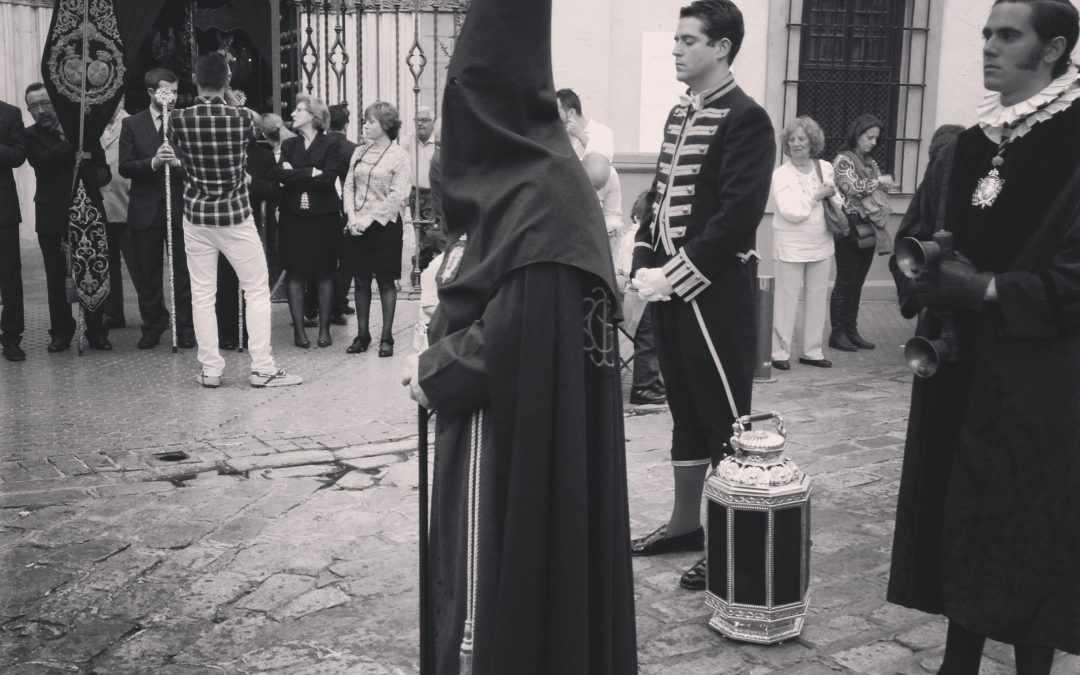
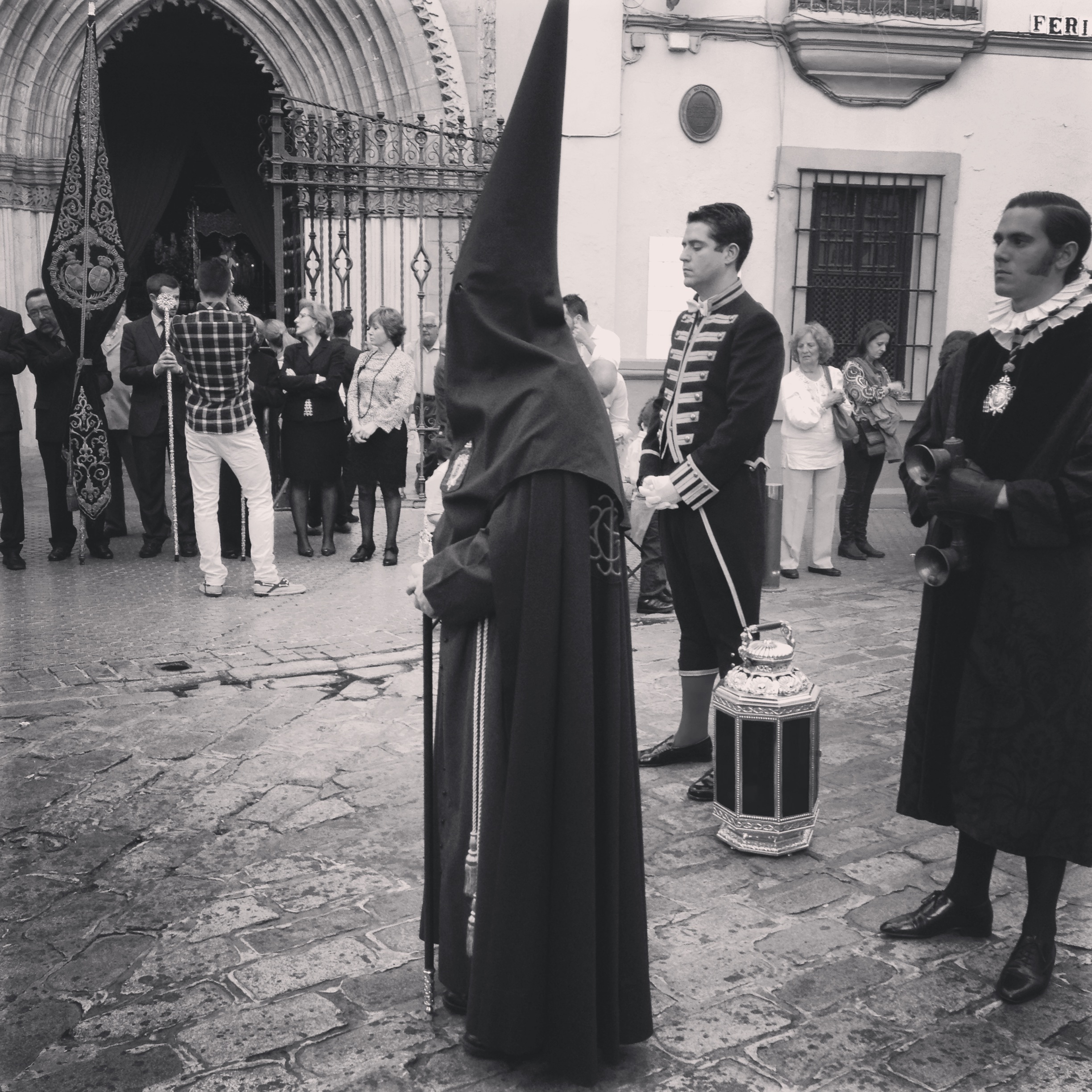
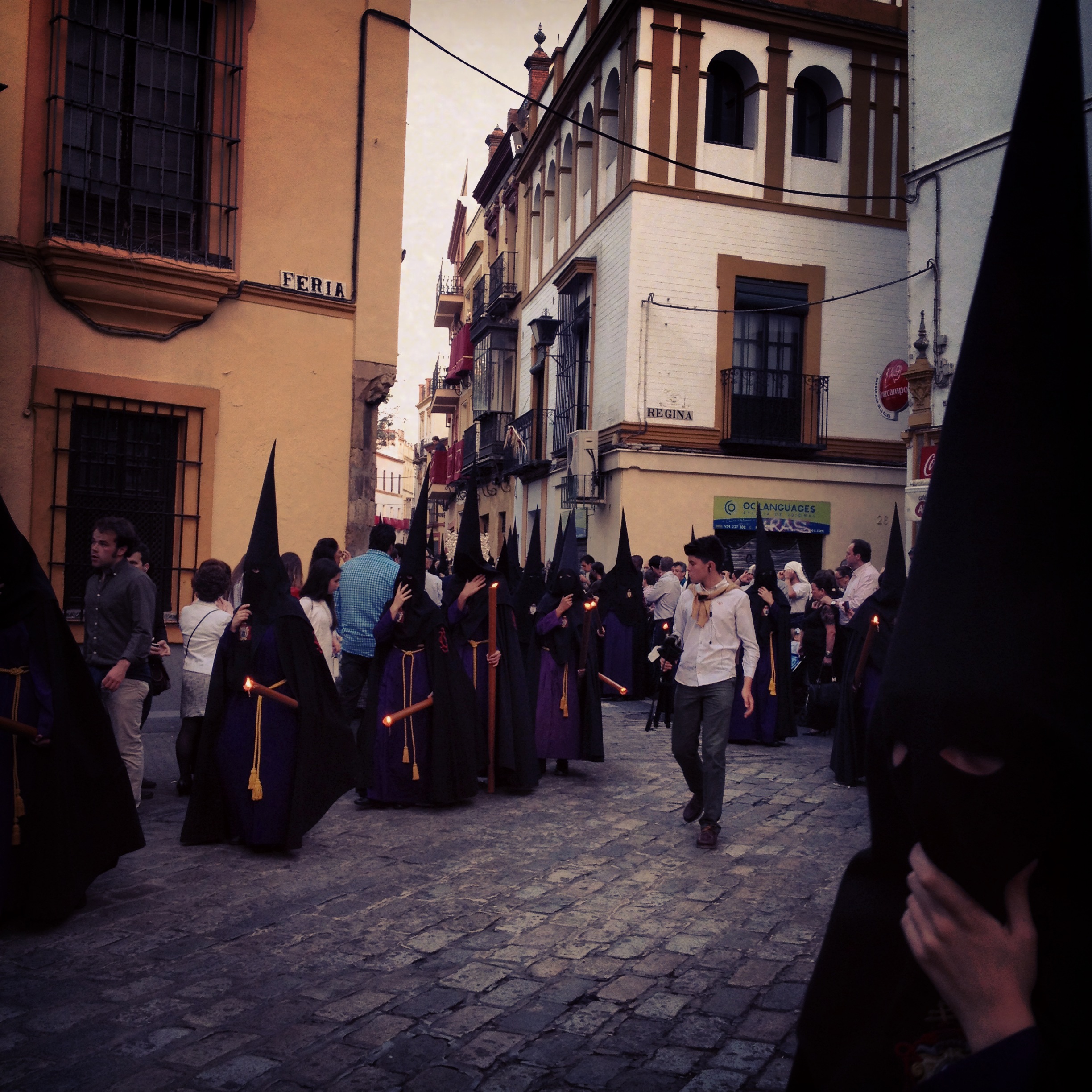
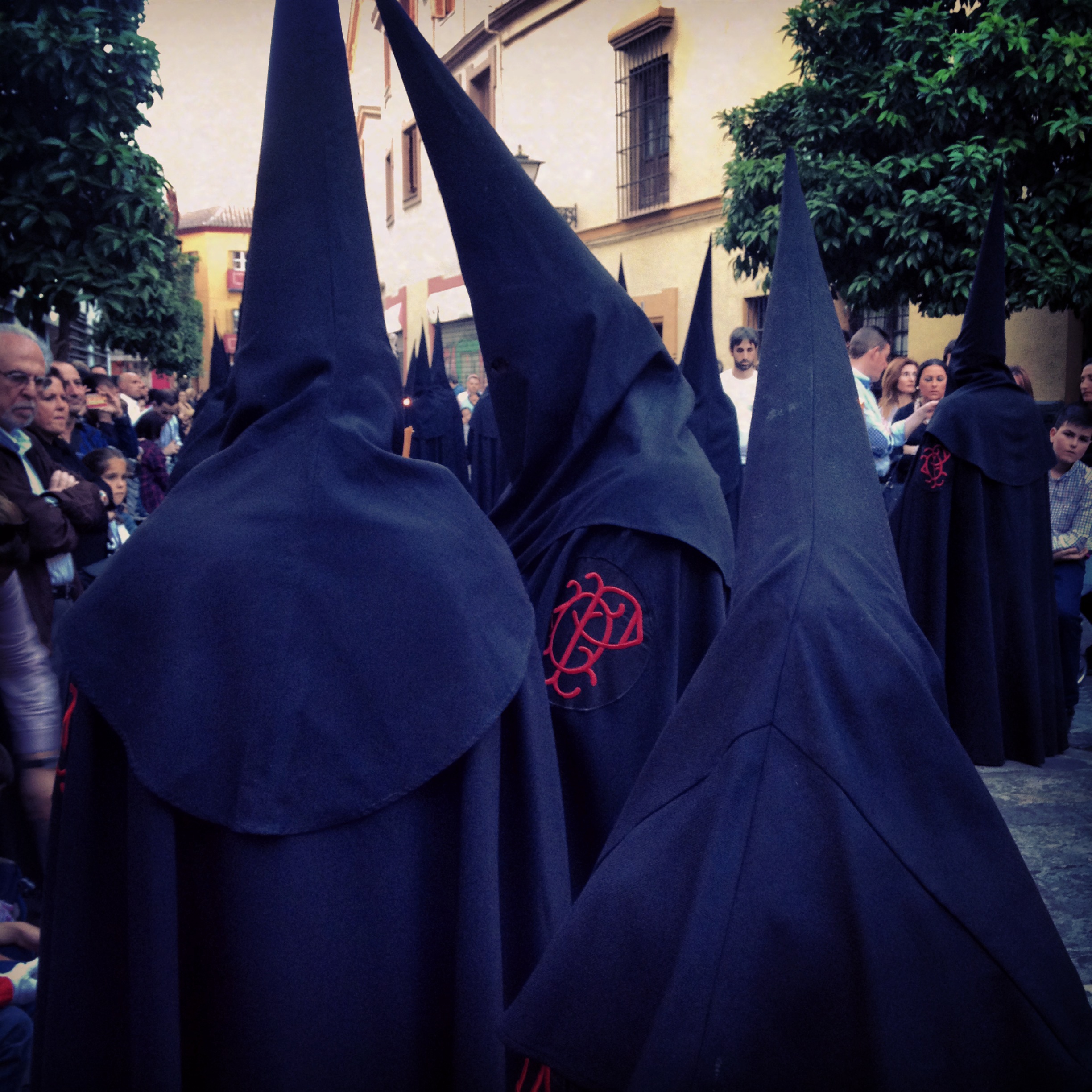
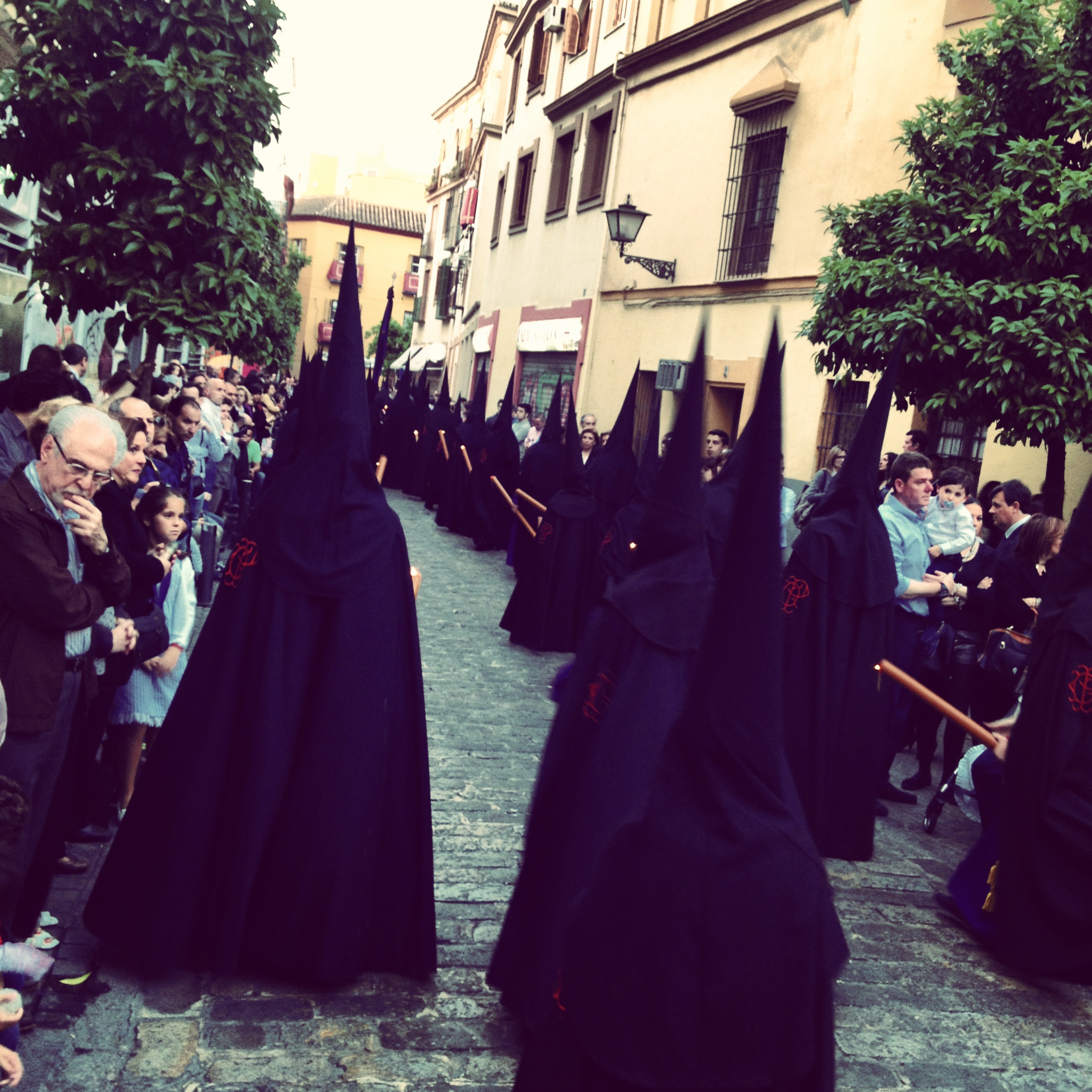
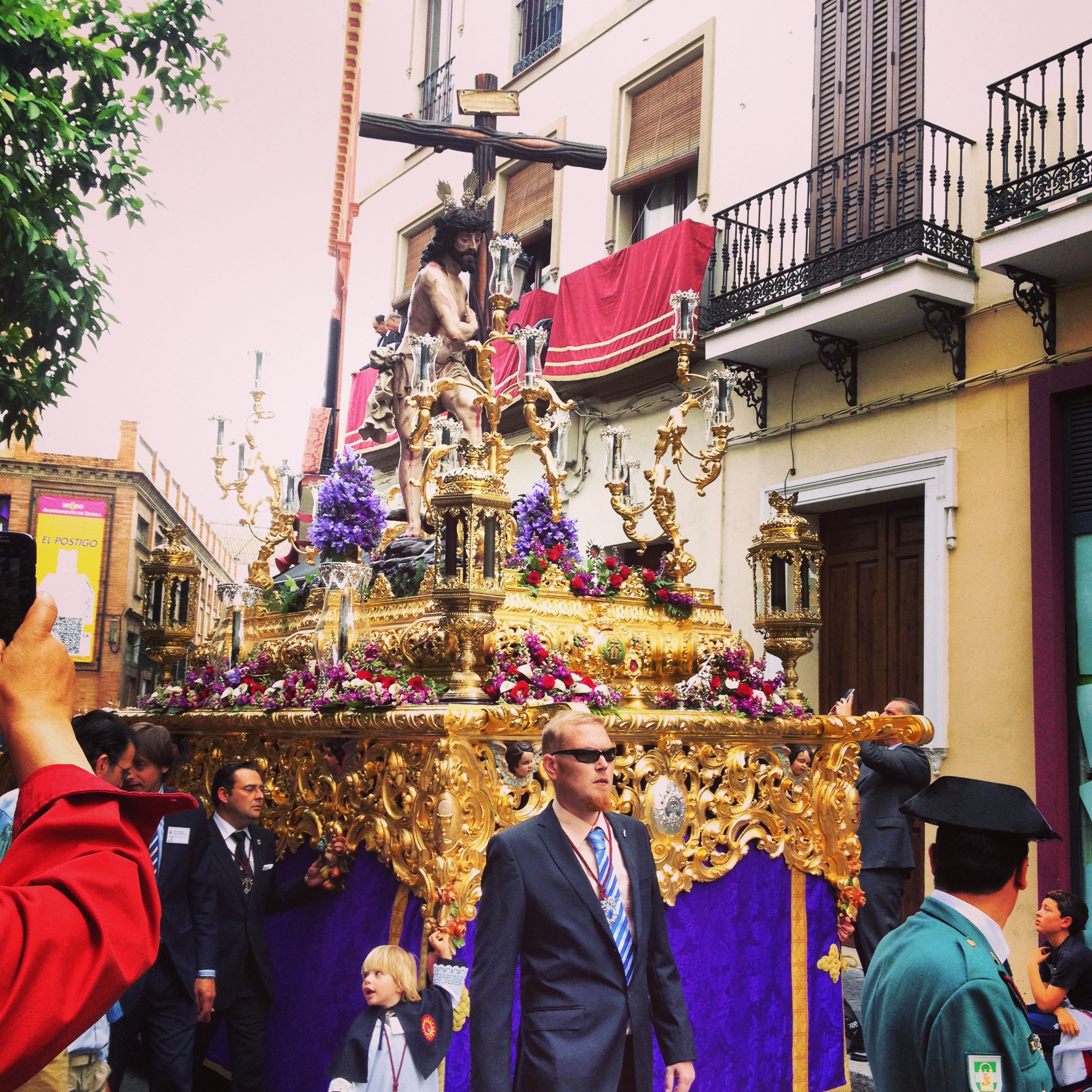
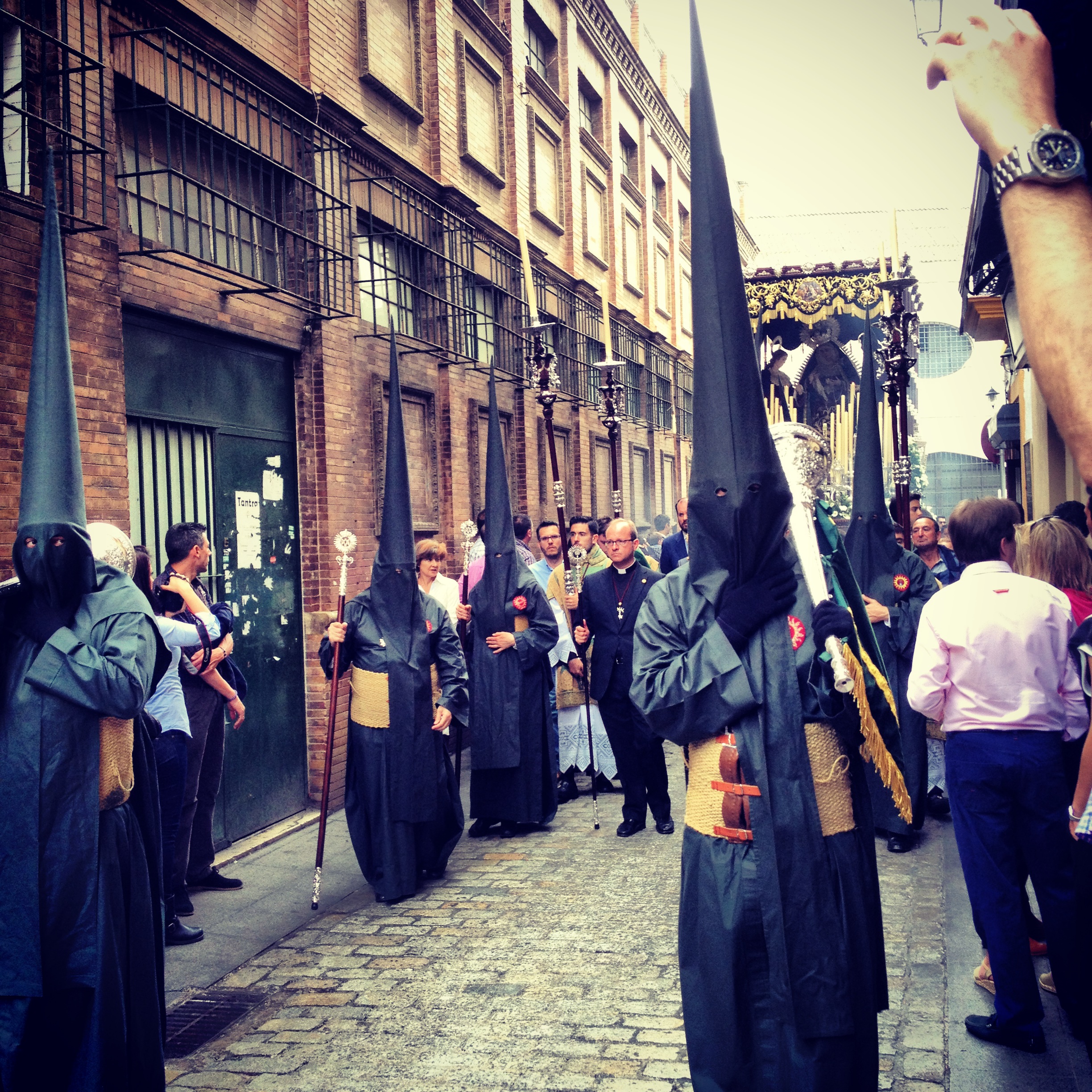
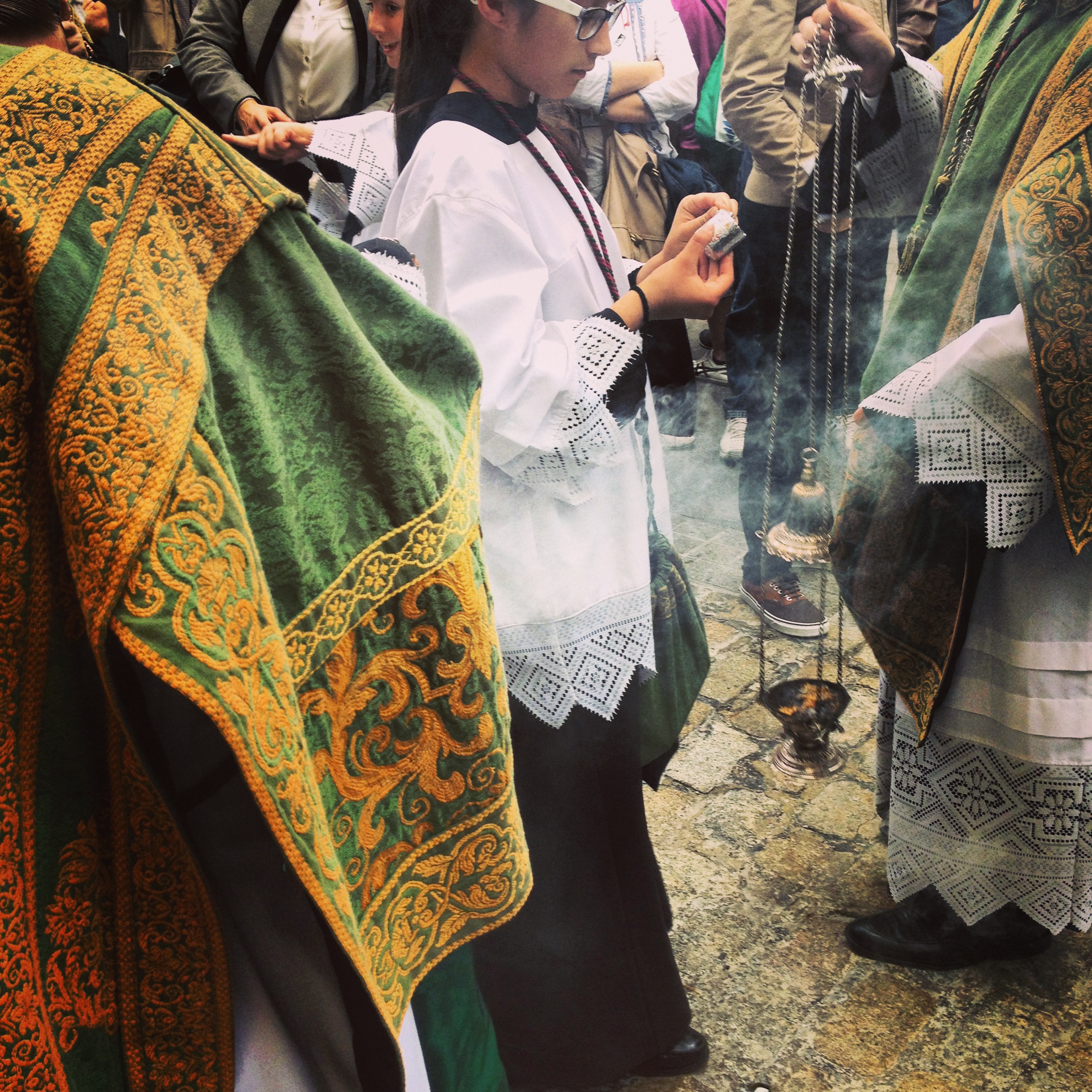
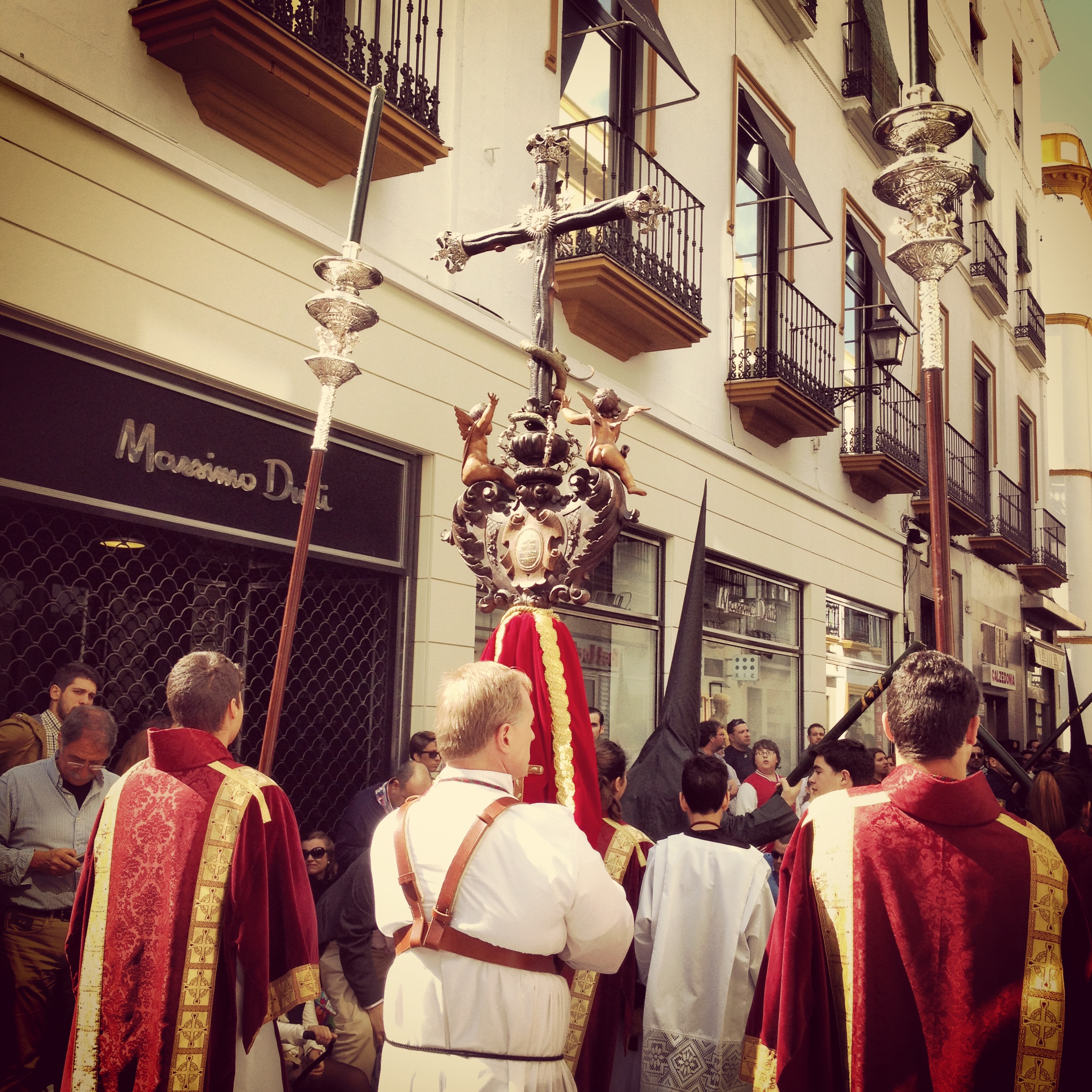
Easter may be well over now, and it’s a couple of weeks since we returned, but memories of Seville are still burning very, very brightly. We were lucky enough to be there during Semana Santa (Holy Week) and, oh my word! What a spectacle! The week features the processions of pasos – floats of life-like wooden sculptures of individual scenes of the events from the Passion, or of the Virgin Mary. The processions are organized by hermandades and cofradías, religious brotherhoods. During the processions, members precede the pasos dressed in penitential robes, and conical shaped hoods. The processions work along a designated route from their home churches and chapels to the Cathedral, the ones from the suburban barrios taking up to 14 hours to return to their home churches. The processions continue from Palm Sunday to Easter Sunday morning. The climax of the week is the night of Holy Thursday, when the processions continue throughout the night, into Good Friday morning – the madrugá. An astonishing display of theatre…
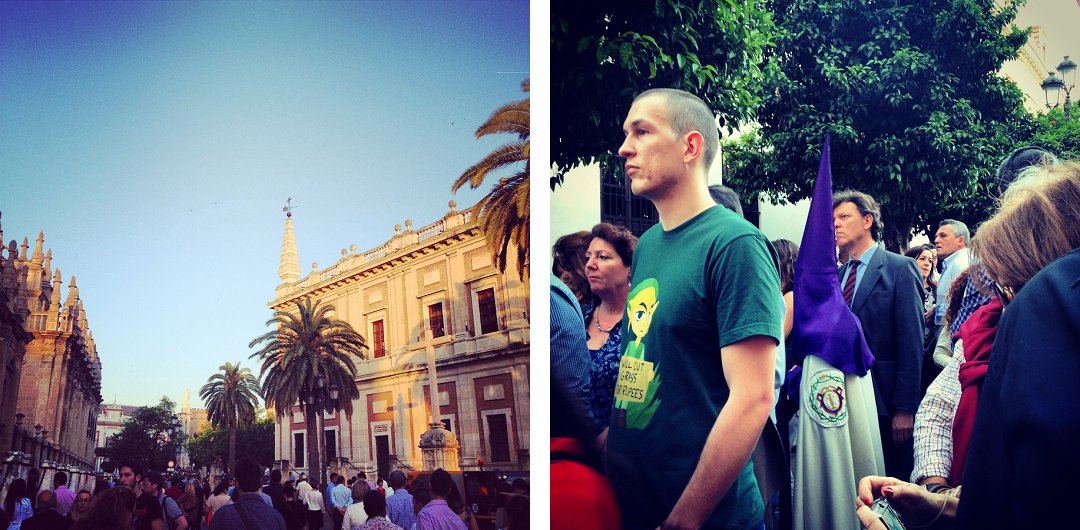
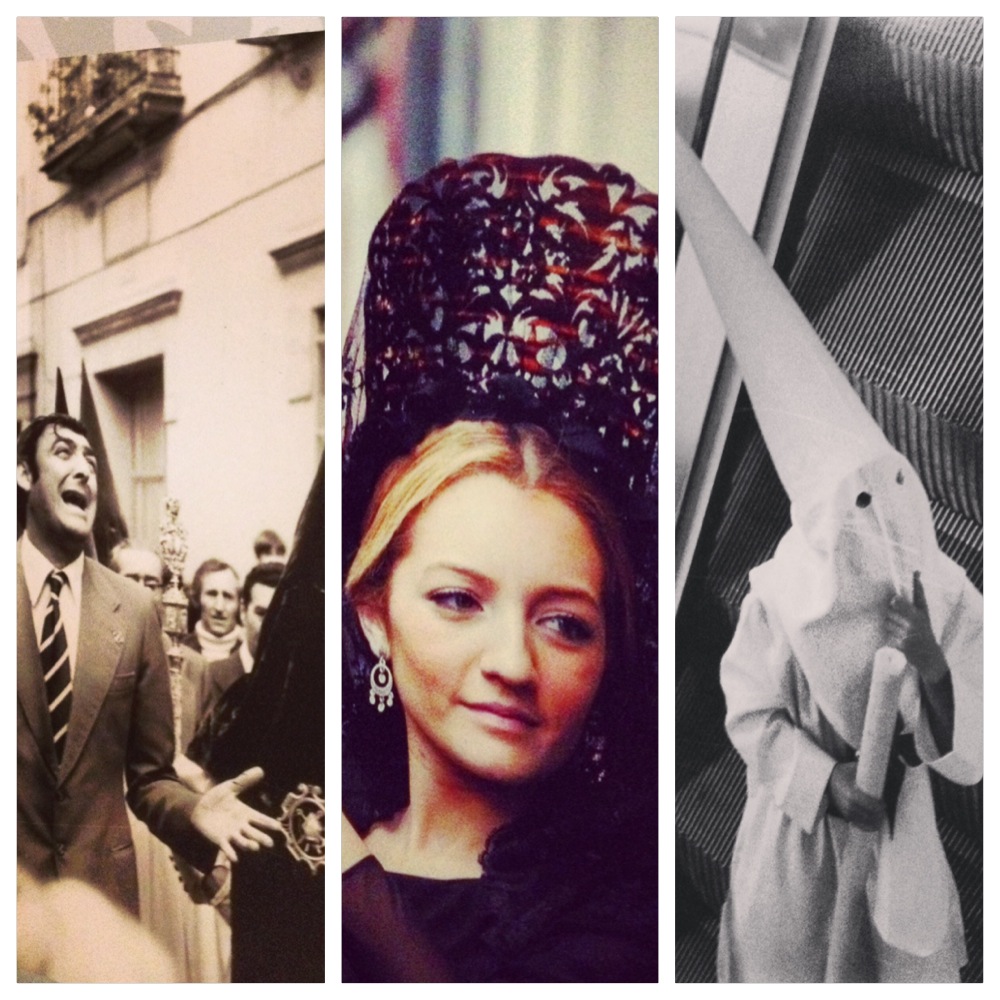
The MADRUGA begins on the evening of Holy Thursday and continues through the night, into the small hours, often still going on Good Friday morning. It is a real test of endurance. The processions of local brotherhoods – endless rows of nazarenos, or penitents, who slowly walk carrying candles, torches, wooden crosses, and lavish “Pasos”, or floats – wind their way through the central streets of Seville, accompanied by the haunting and hypnotising sounds of drums and coronets from the marching bands. Considered as one of the main elements of the Holy Week processions, the elaborate floats, carried at head height, are decorated with religious statues that depict scenes from the gospels related to the Passion of Jesus Christ and the Sorrows of the Virgin Mary. They march, slowly, from their neighbourhood churches to the cathedral and the whole night is a real test of endurance. A mesmerizing feature of the processions is the wearing of the penitential robe – the nazareno. Although similar to those of the Ku Klux Klan, they’re completely unrelated – these long purple robes with pointy hoods (capirote) were widely used in medieval times.
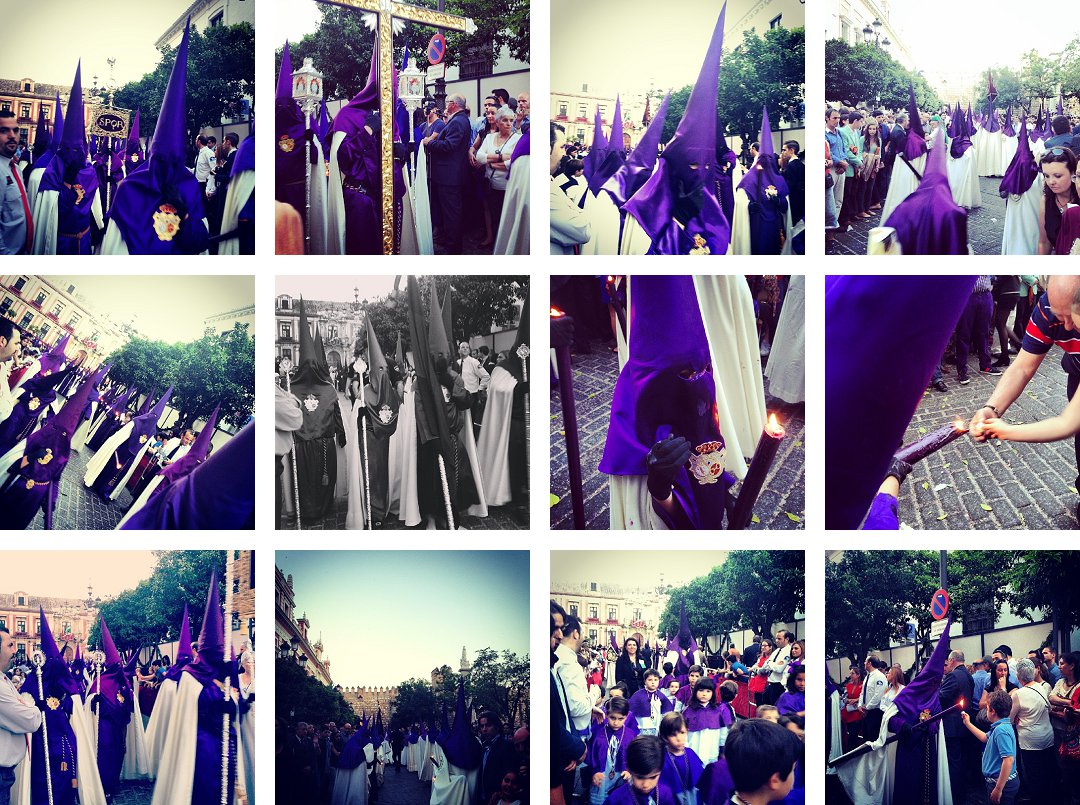
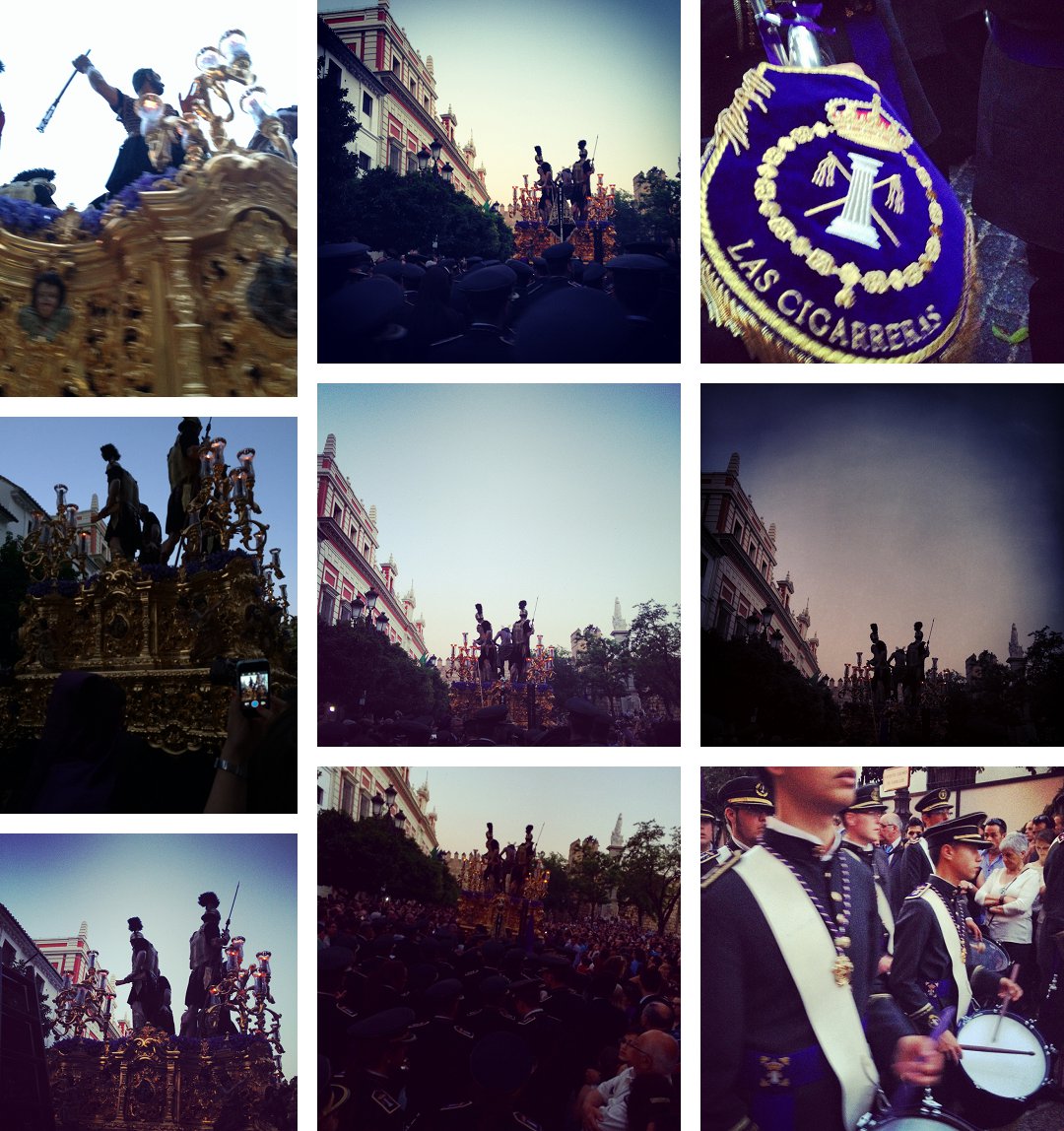
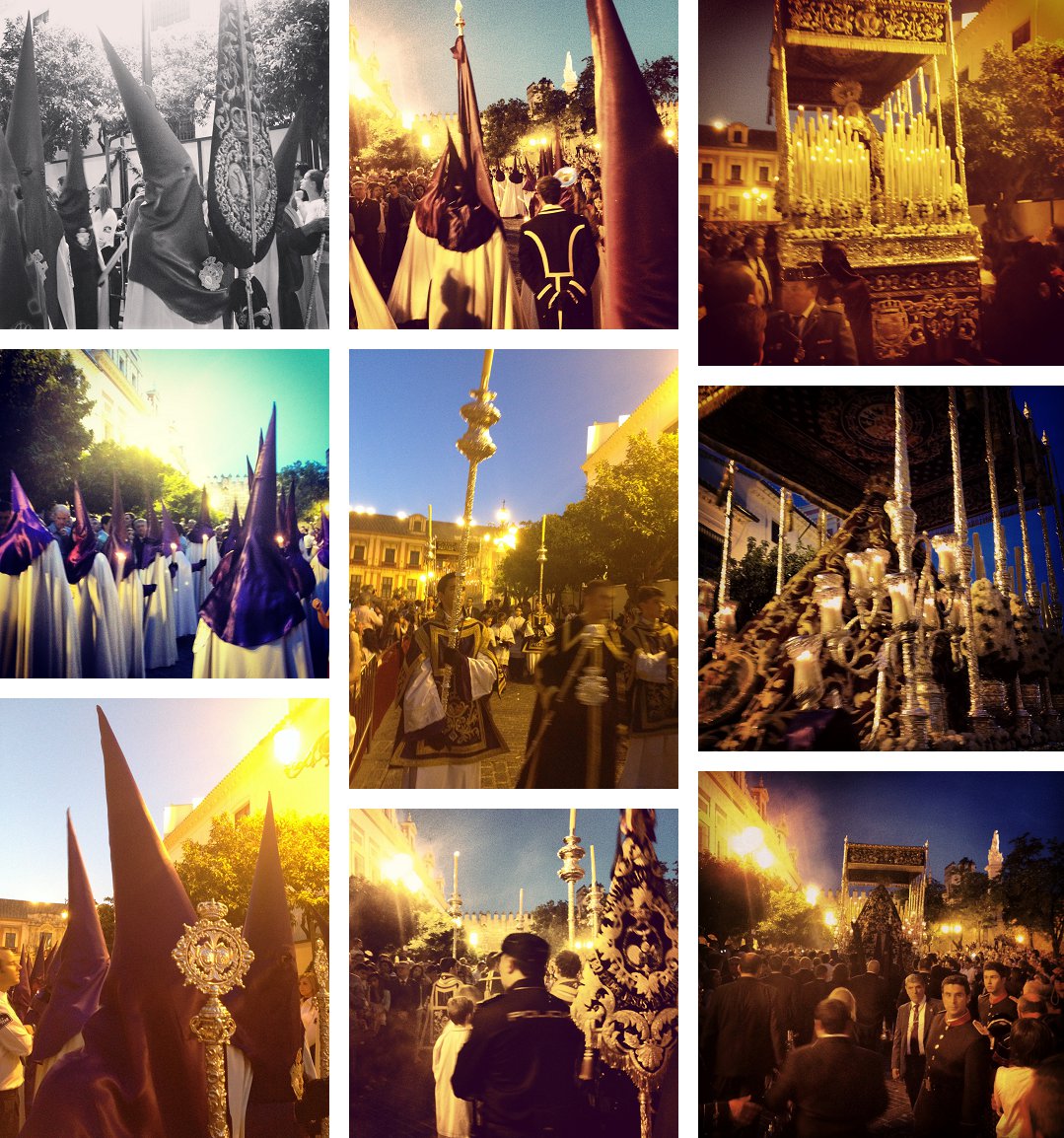
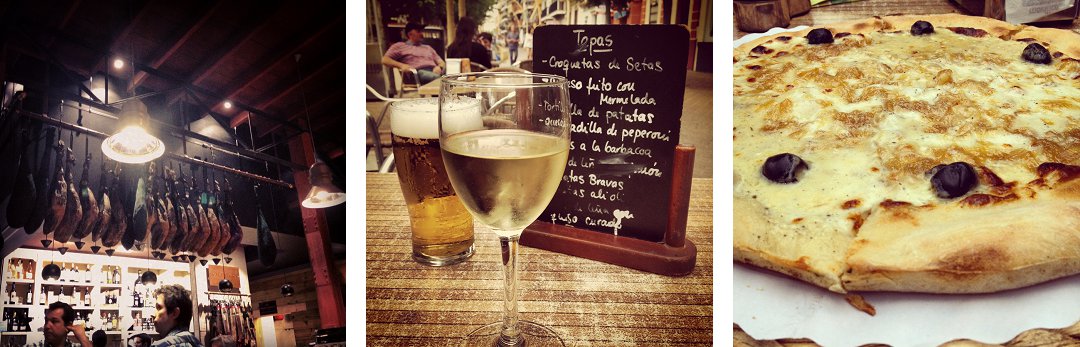
As the evening progresses, the crowds grow and the atmosphere is palpable. There’s a heady mix of religious fervour and curiosity and awe. Some people are clearly there to have a full on religious experience, but some – like us – wanted to experience it for the first time. I can honestly say I have never witnessed, or experienced anything quite like it. It really was quite intoxicating and we followed the processions for hours, into the early morning of Good Friday. Luckily, bars and restaurants are mostly open for the duration, so weary feet can be rested…
Good Friday sees Round Two, and as we were there, we did the whole thing again. Seeing it all in darkness is a spectacle but you did miss lots of what is going on, so doing it in the day time, gives you the opportunity to everything in its full glory…
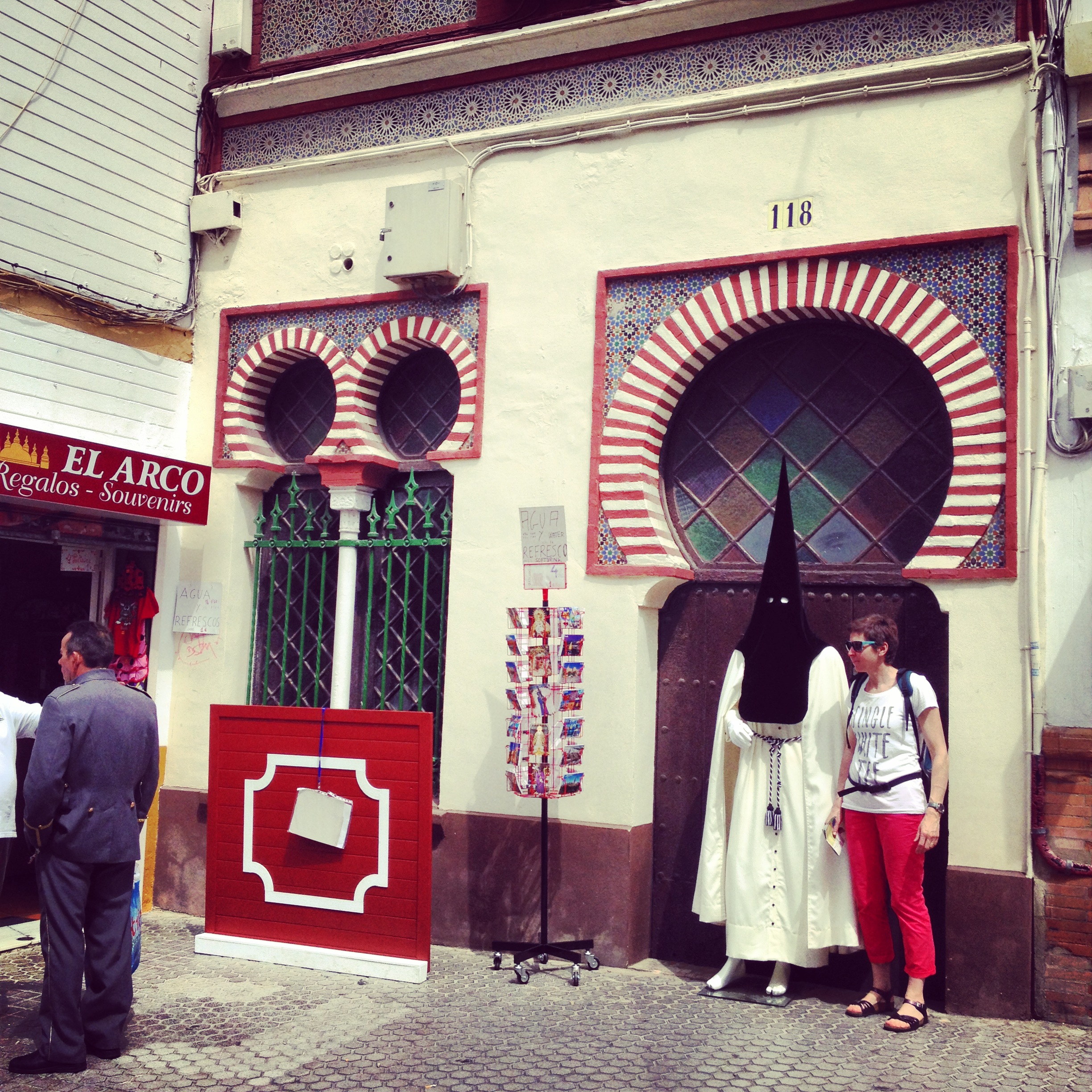
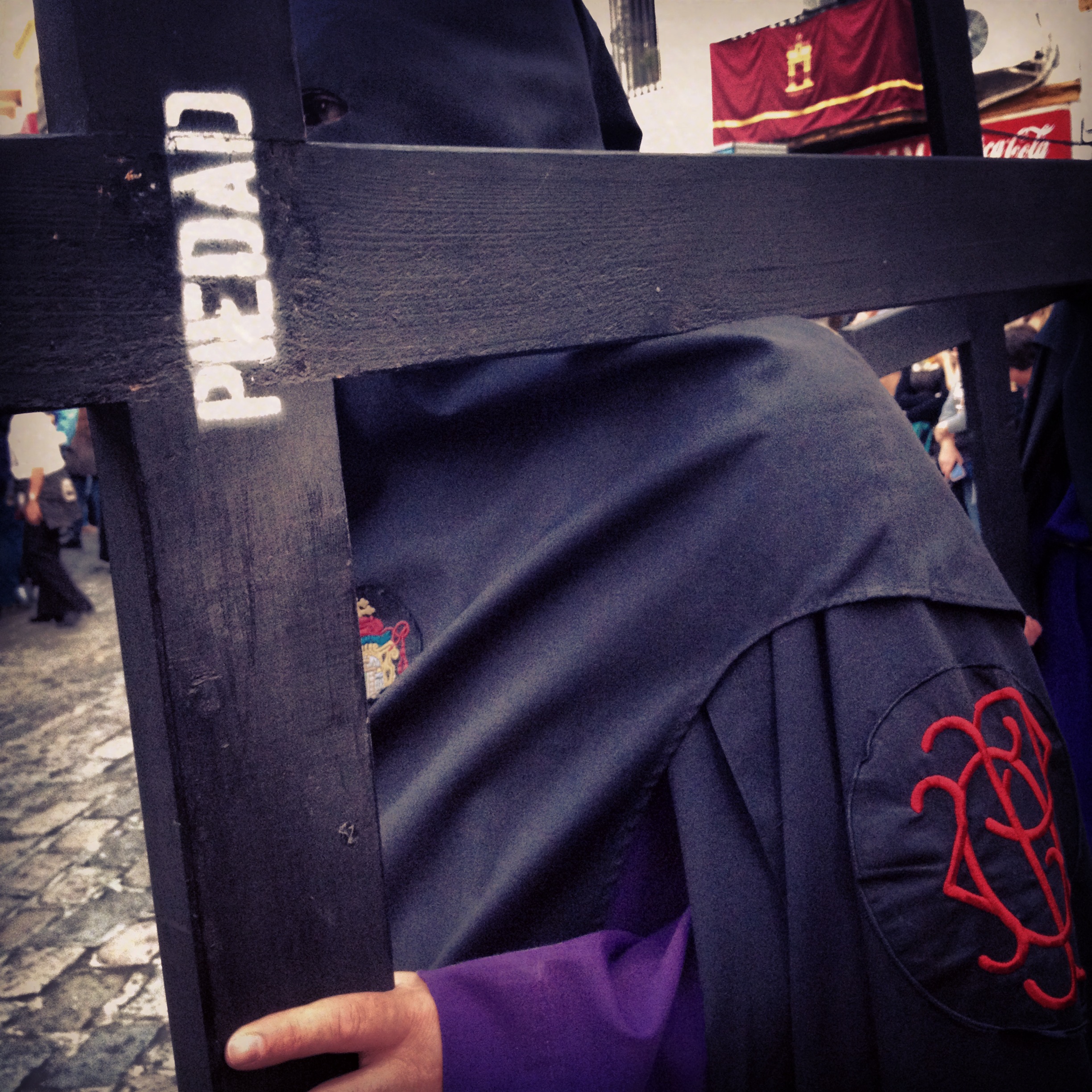
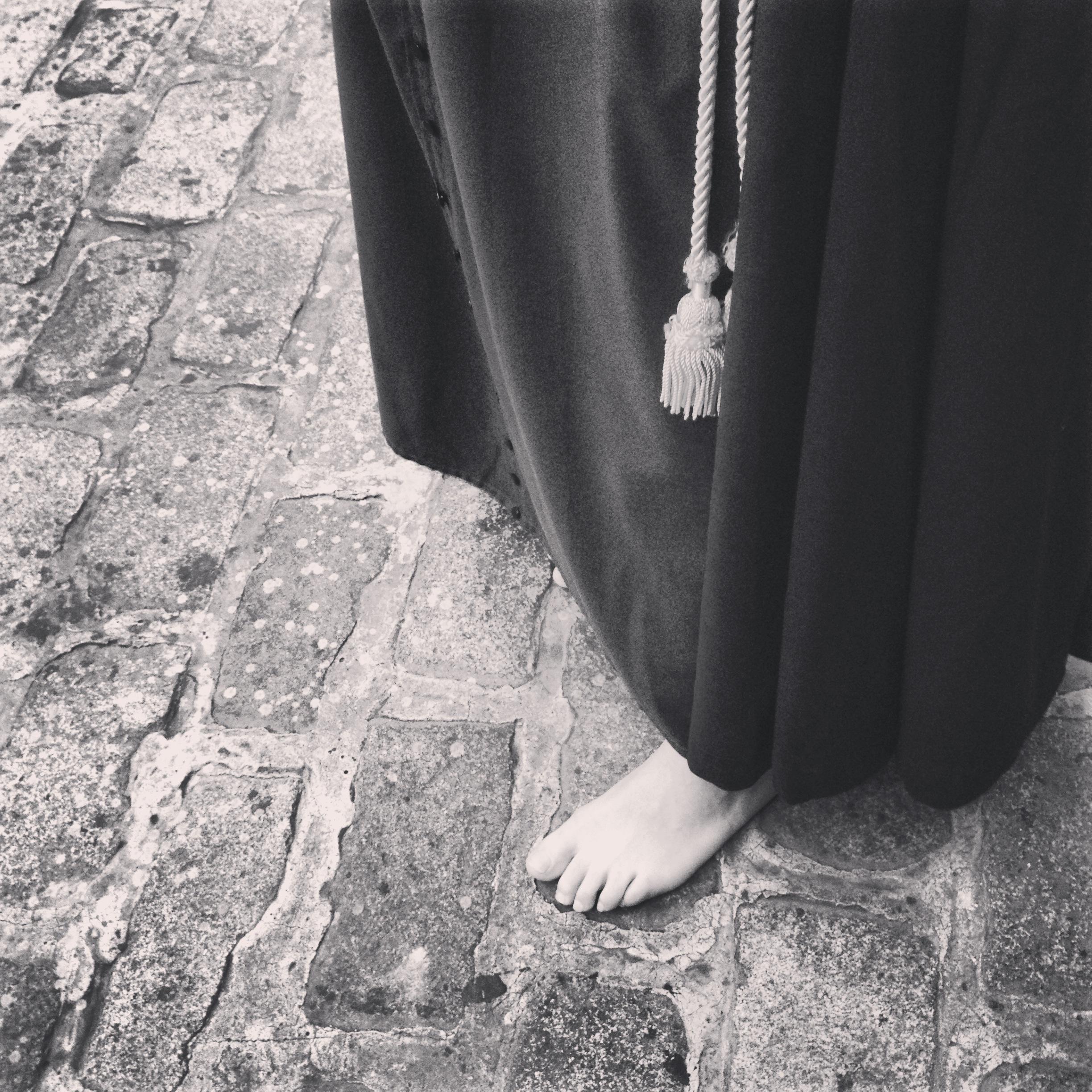
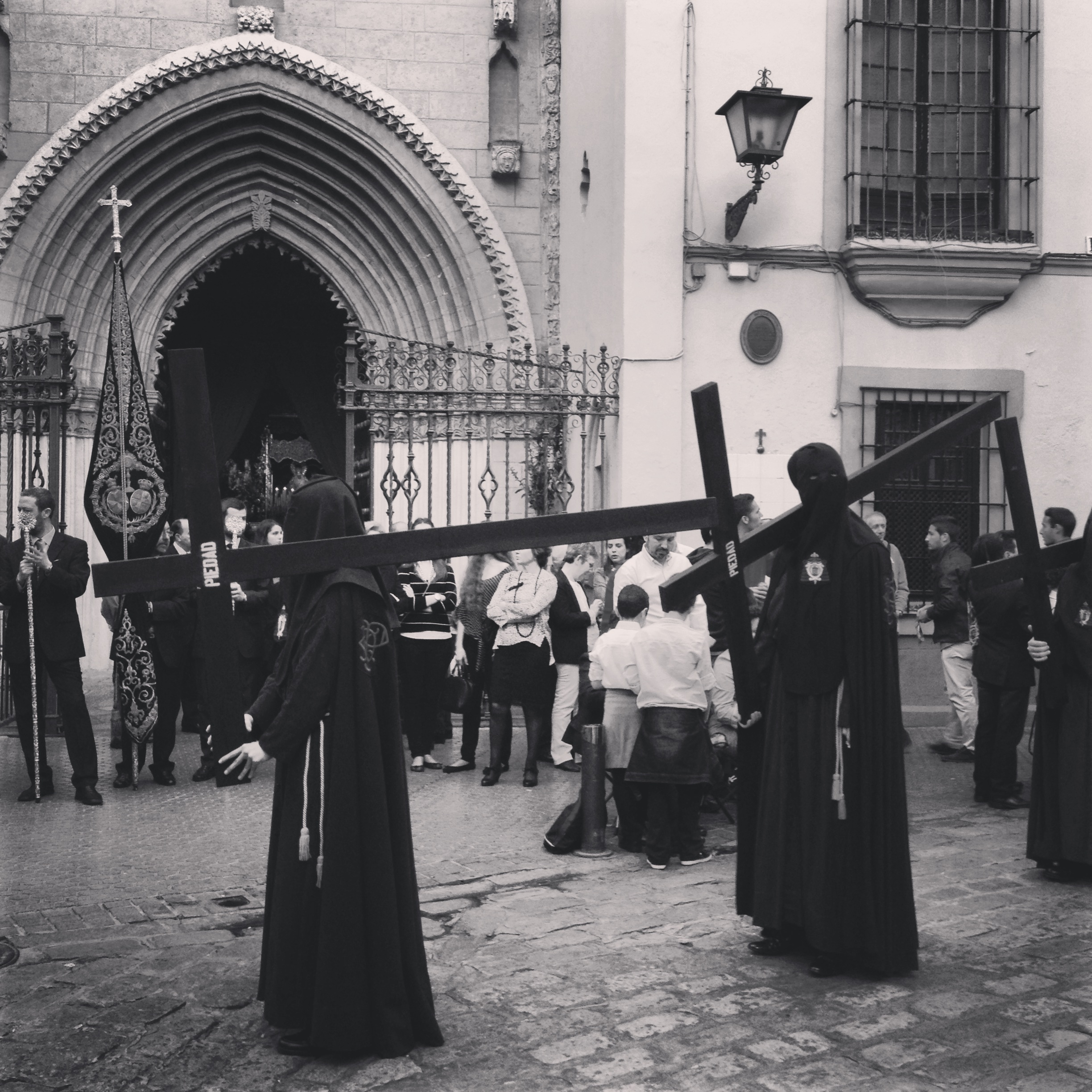
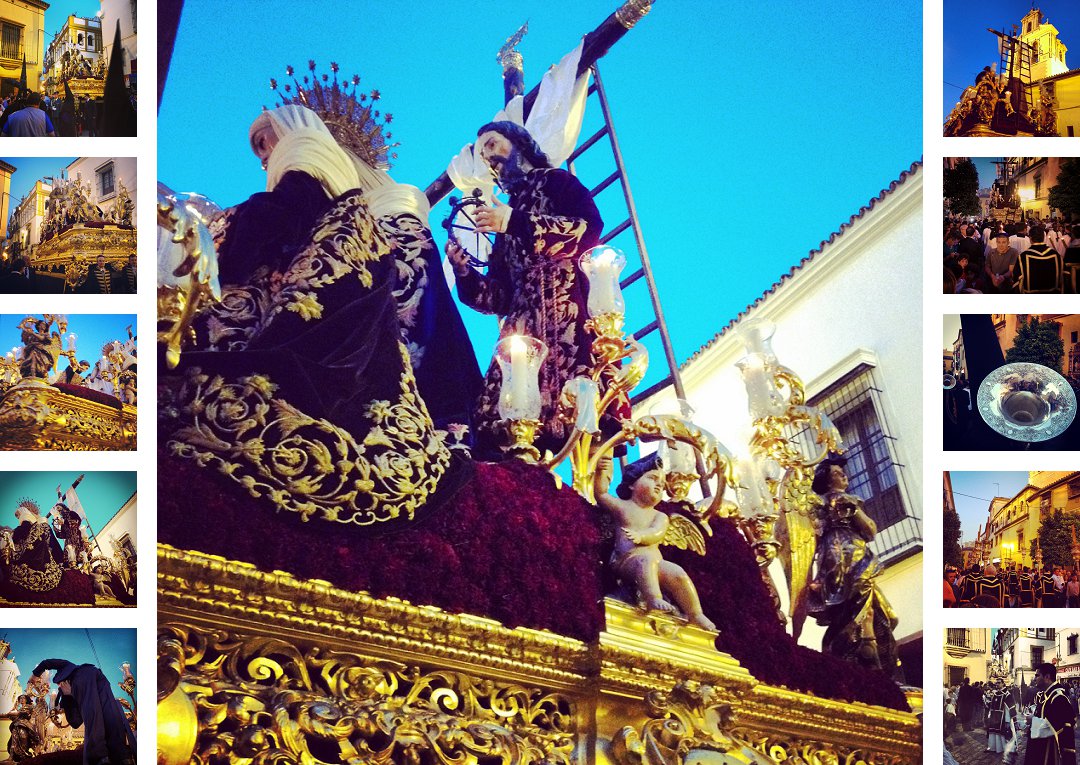
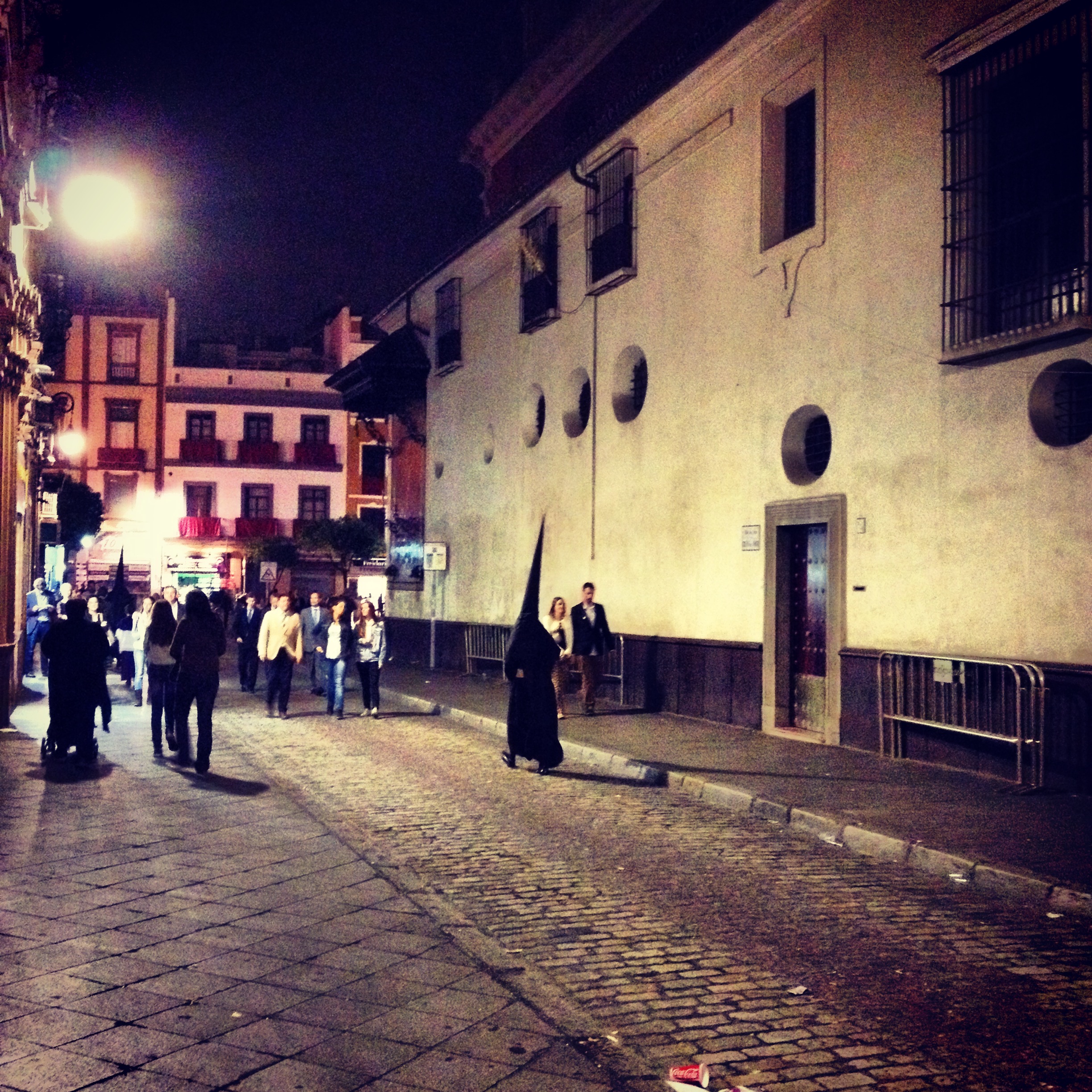
Easter Saturday is a little more subdued, but if you want your fix of processions again, you can do the whole lot again. Fair play to the people participating – although they do apparently rehearse all year round and it is considered to be the greatest honour to take part.
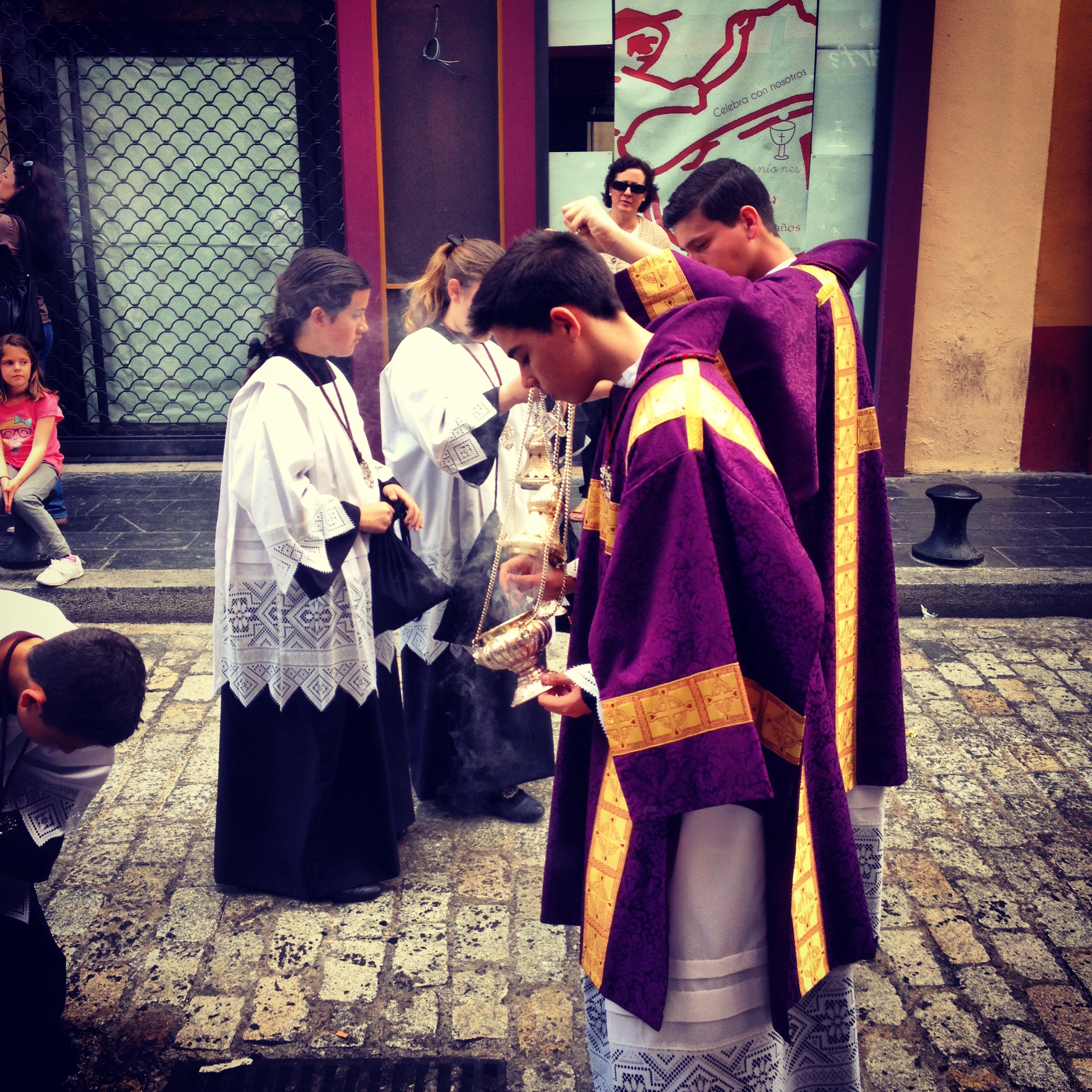
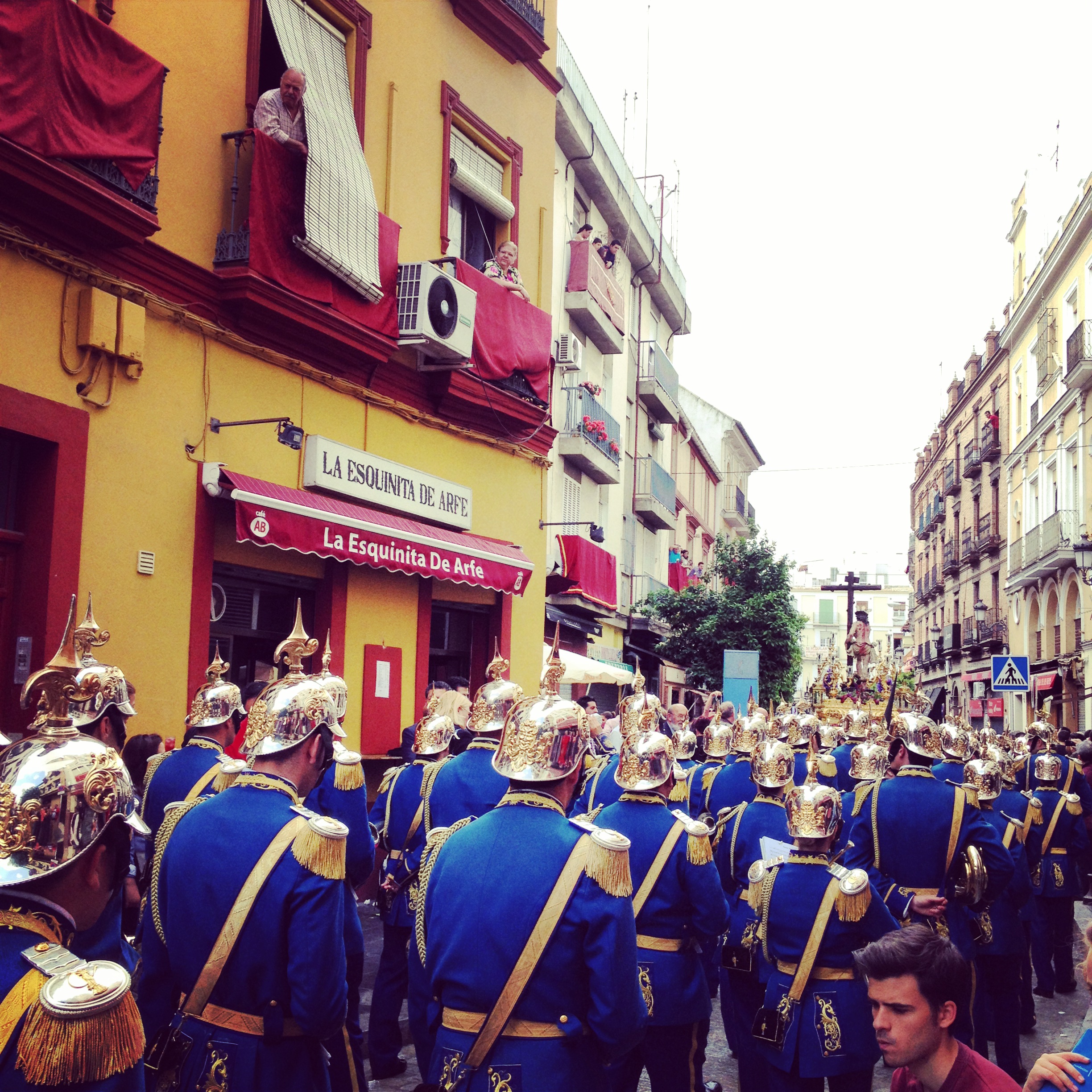
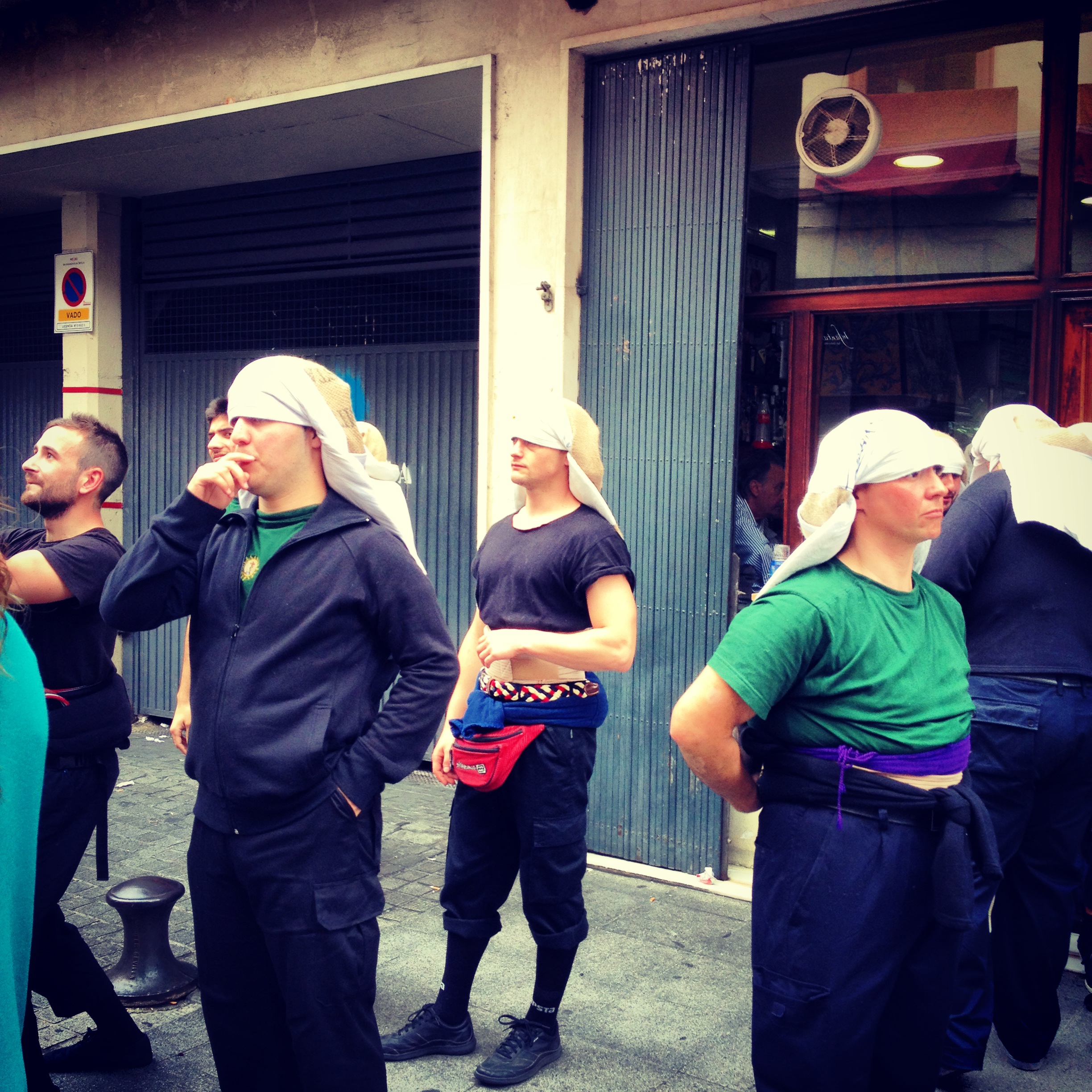
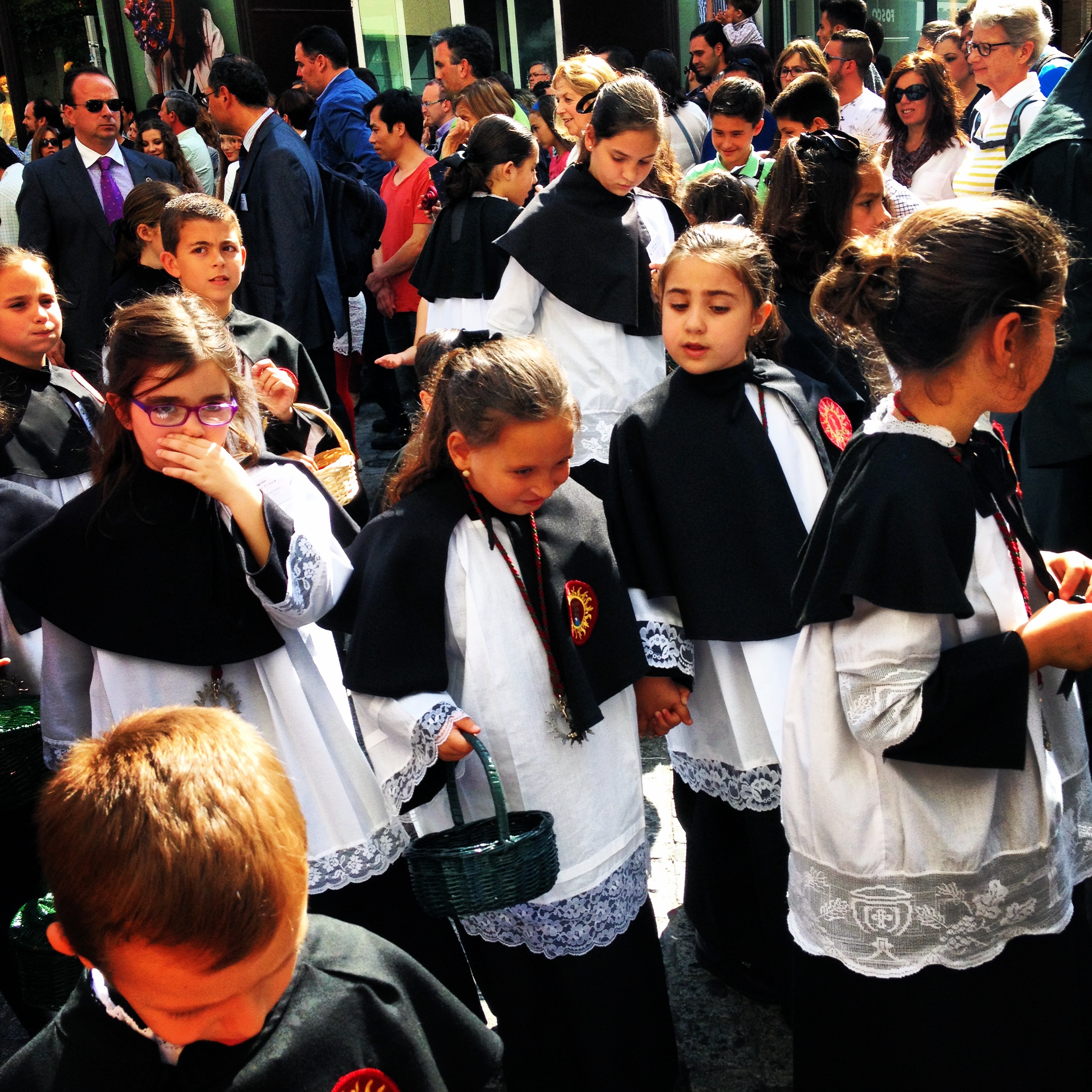
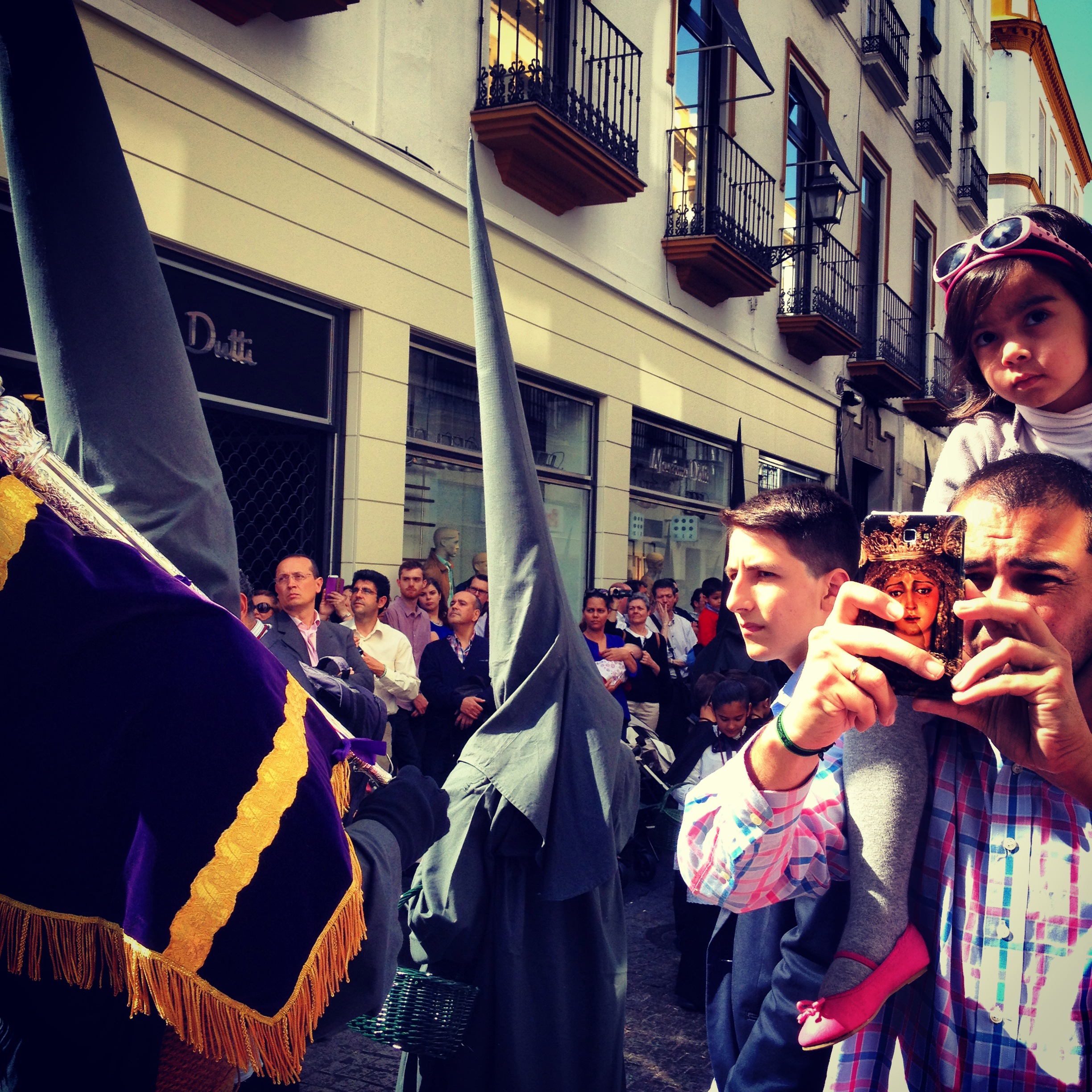
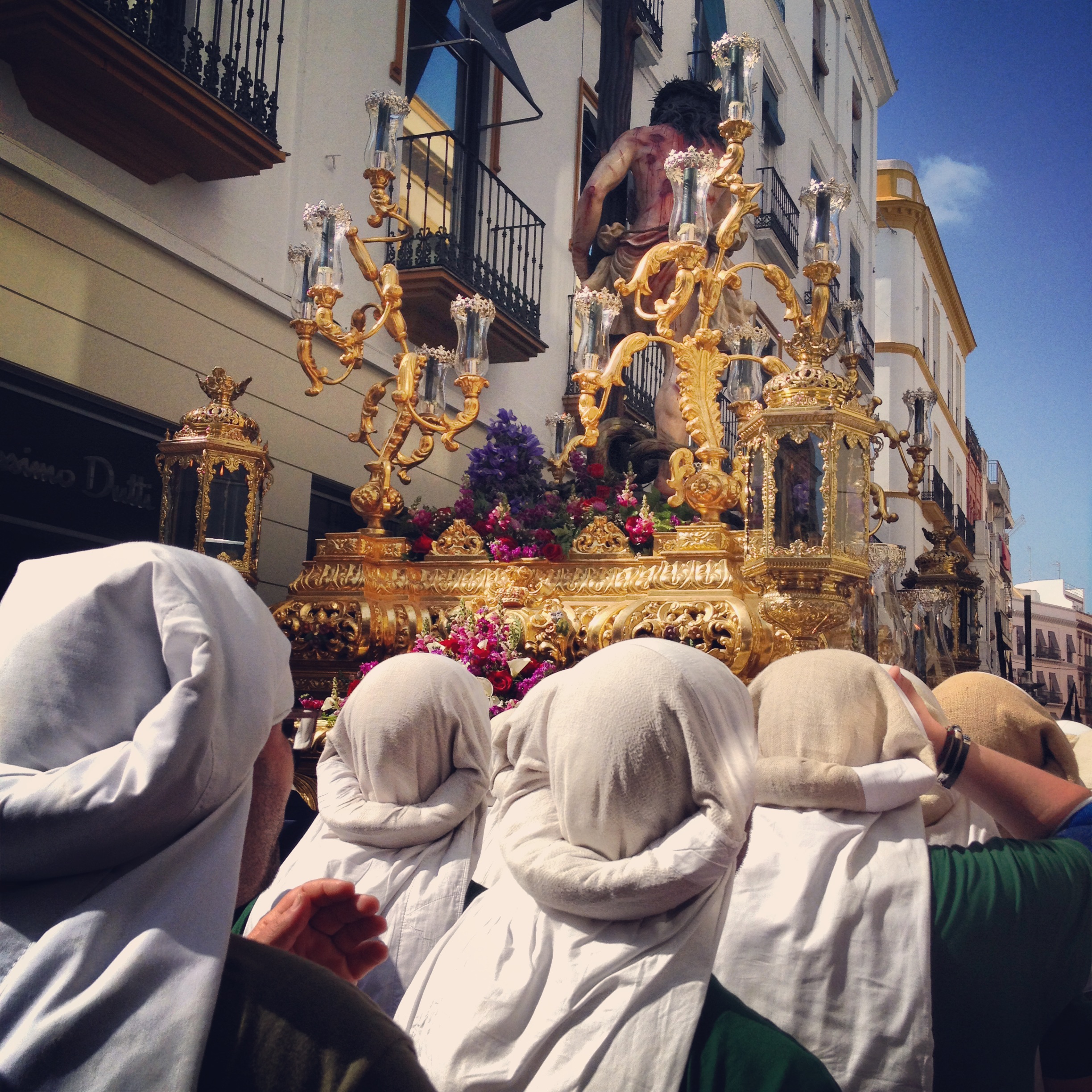
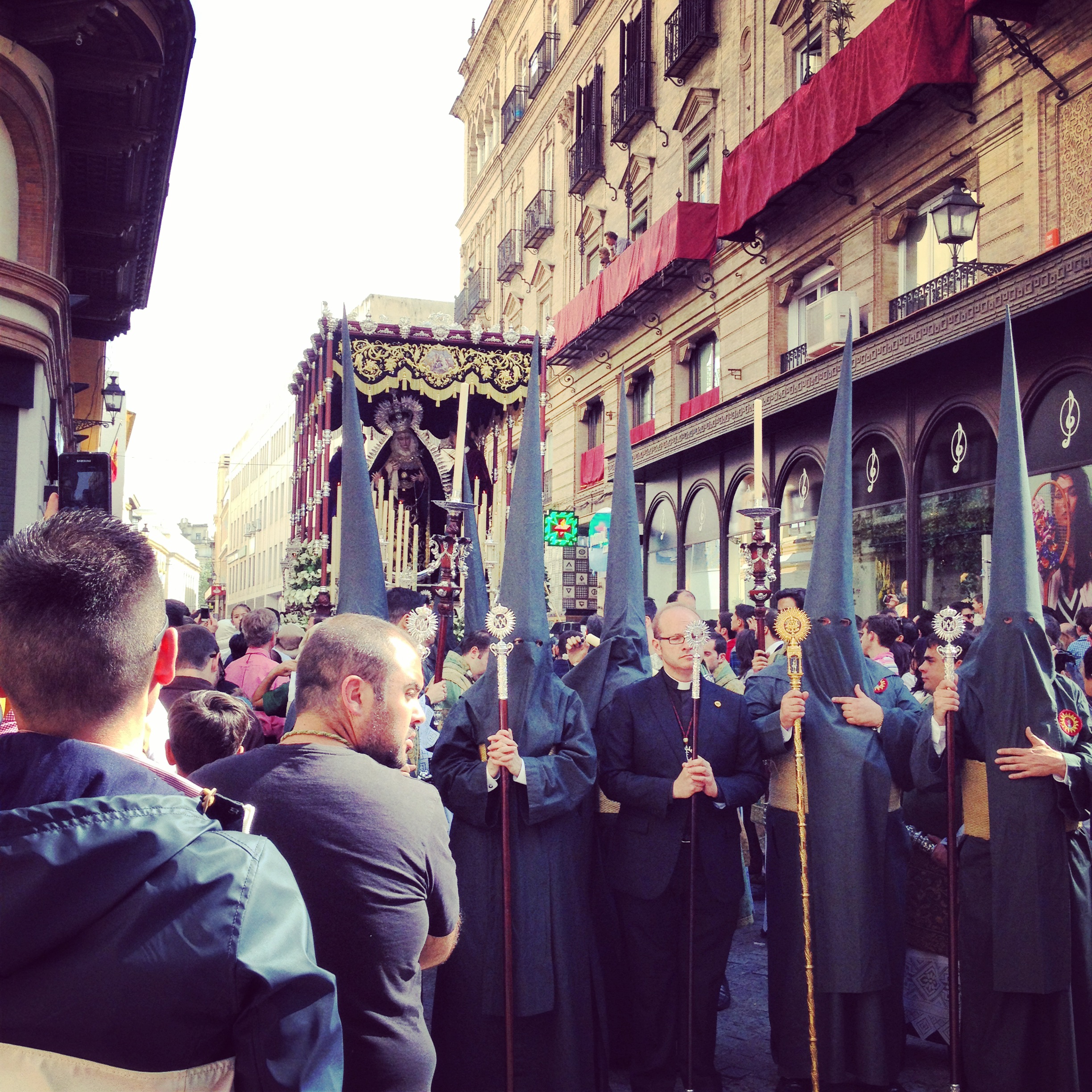
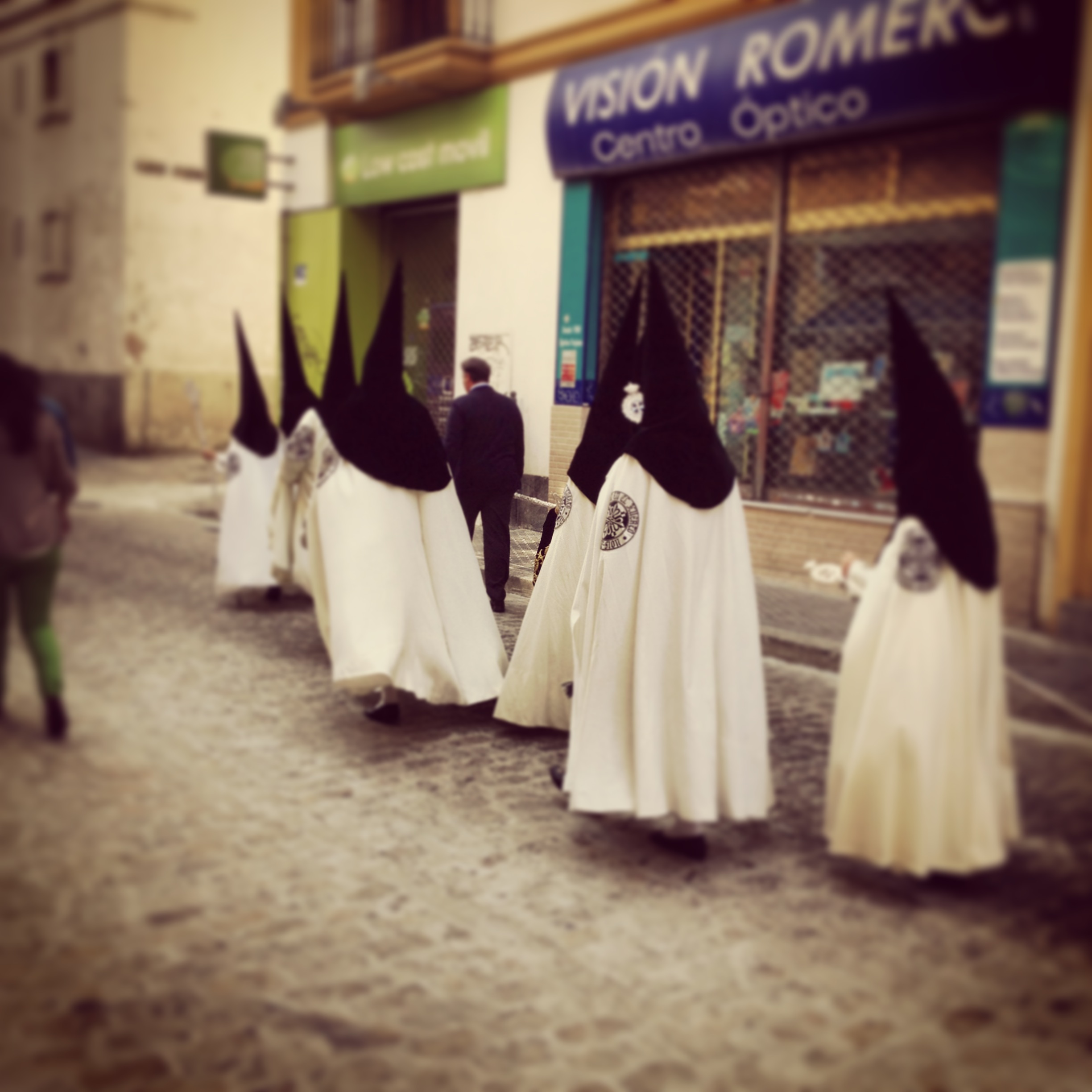
Easter Sunday itself, is perhaps the quietest day of the whole of Semana Santa. I’m not sure how many processions we could have actually taken, but there are none on this day itself, as this is the day when the pesos are carried back to their churches and the statues brought home, for another year.
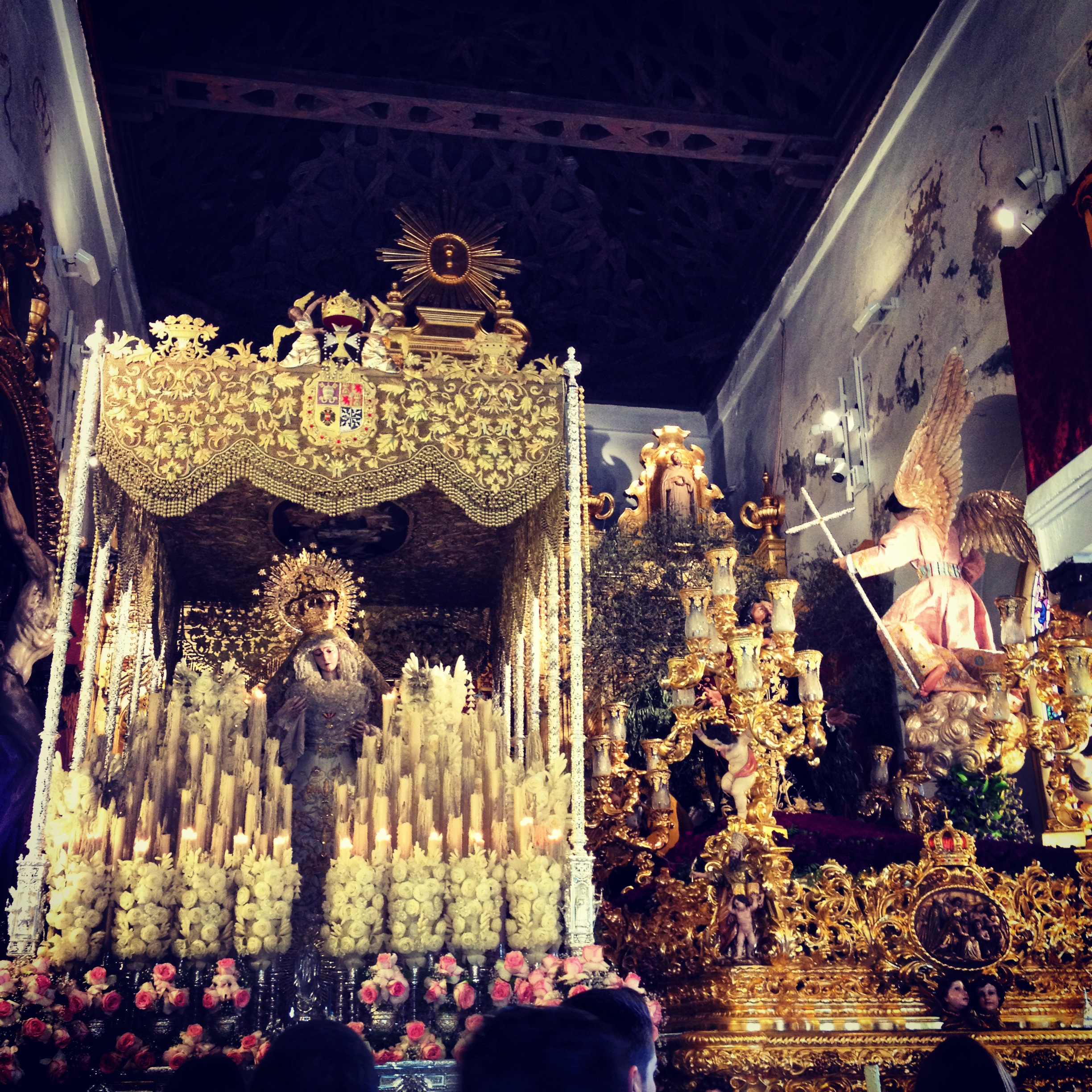
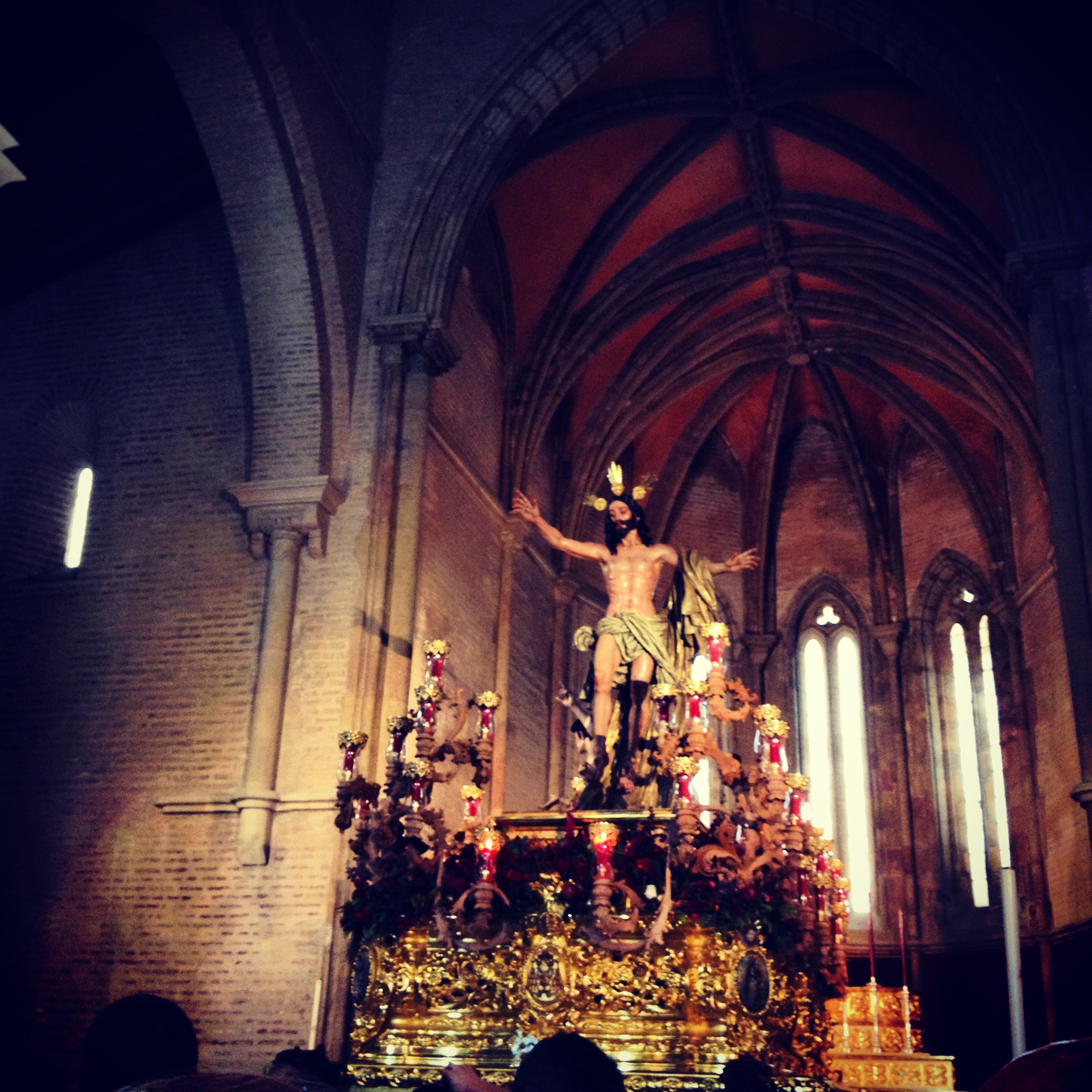
All in all, one of the breath-taking weekends we have ever experienced. And, on top of all of the Semana Santa excitement, we still were able to experience and explore Seville. And, what a city…
by Helen | May 1, 2014 | Spain, Travel
Staying in southern Spain, with a hire car, meant that we could get out and about and really explore the region of Andalucia. One of our trips was across to the west and the amazing city of Seville. All the more amazing because we visited over Easter and this was totally mind blowing. A true spectacle that we will never forget. However, on the way to Seville, we couldn’t not stop and take in Ronda, the mountaintop city in the Malaga region, that’s set dramatically above the deep El Tajo gorge, which separates the city’s 15th-century new town from its old town, dating back to Moorish times. It was mid-April when we arrived, and already hot. It seemed as if summer was in full swing, with cloudless sky, bright sunshine and wide esplanades, filled with orange trees, bursting with fruit.
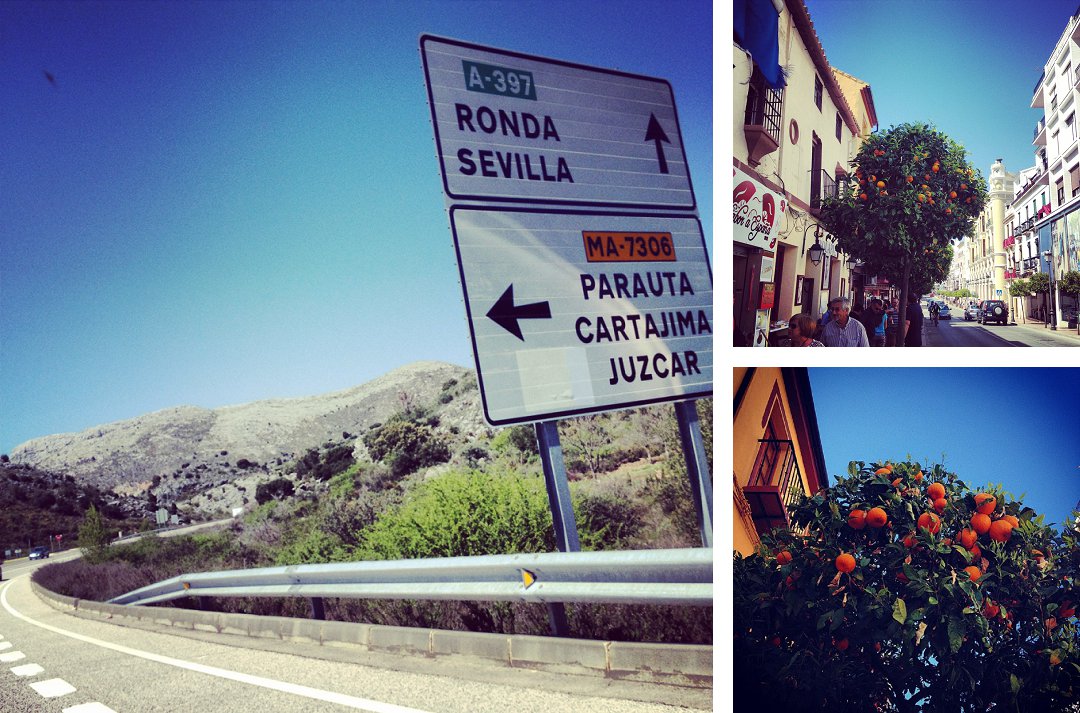
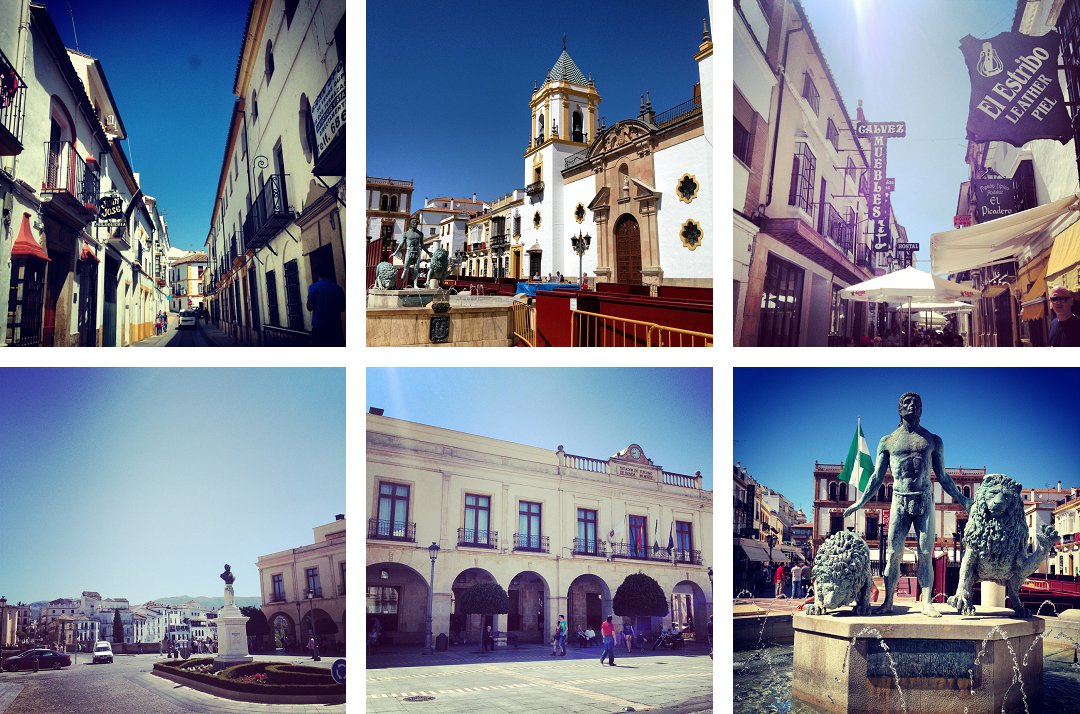
When we arrived, the town was vibrant and full of locals and tourists. Bars and restaurants were buzzing. But, as we continued to explore, the streets started to empty as siesta time kicked in. And, although it was very, very warm, we decided to stay out and about, as we were only there for a short time and wanted to see as much as we could. And, without throngs of tourists, this was much more bearable in the early summer heat.
Although not small, Ronda retains much of its historic charm, particularly in its old town. Elegant, pastel and cream coloured buildings, with elaborate facades look onto tree lined roads. The trees are beautifully manicured and clearly looked after, all year round. During our very short visit, we couldn’t even really begin to take in the buildings and the architecture, as there was just so much to see and savour. So, we had whistle stop tour of the area around the gorge – as that was what we had come to see on this occasion.
The Gorge : El Tajo
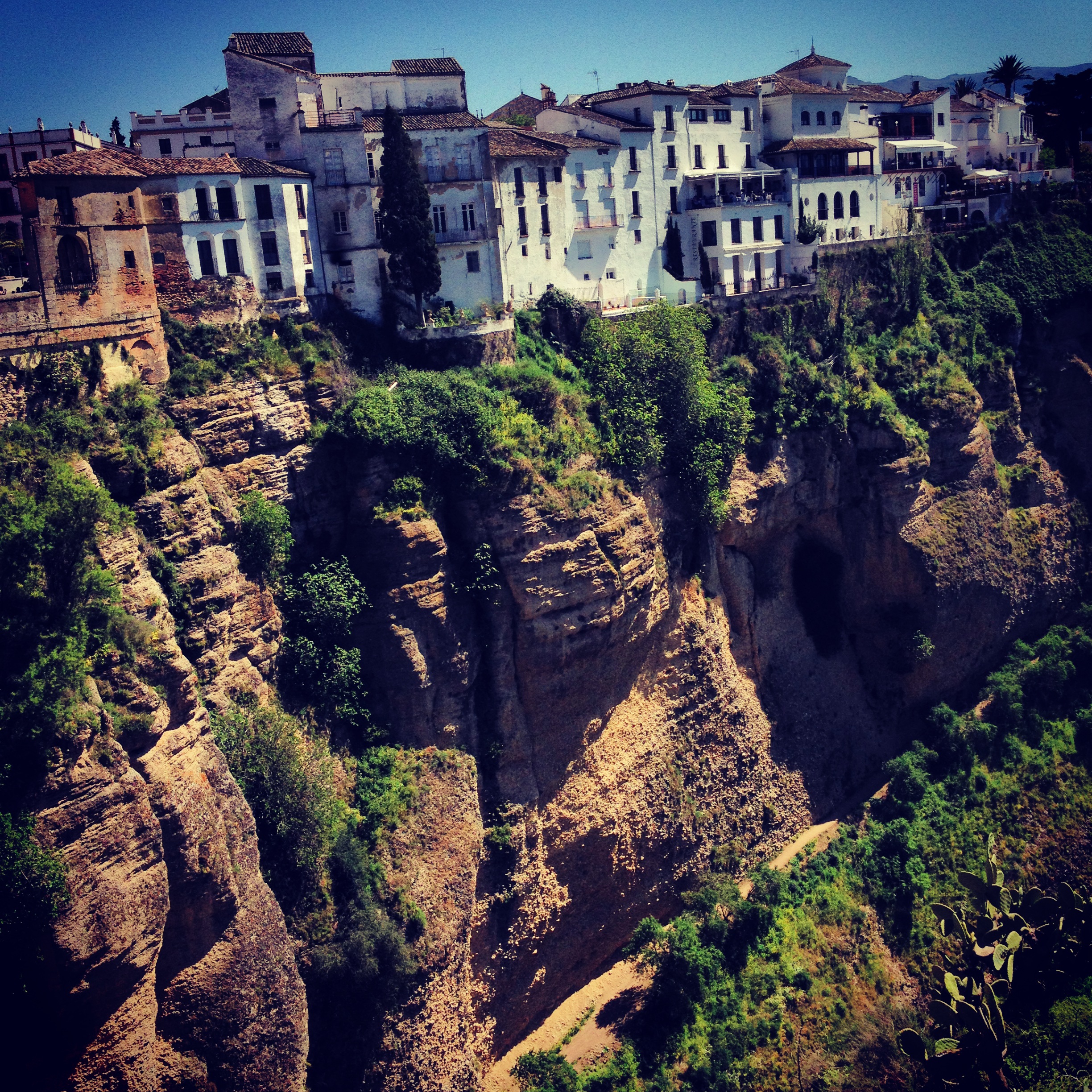
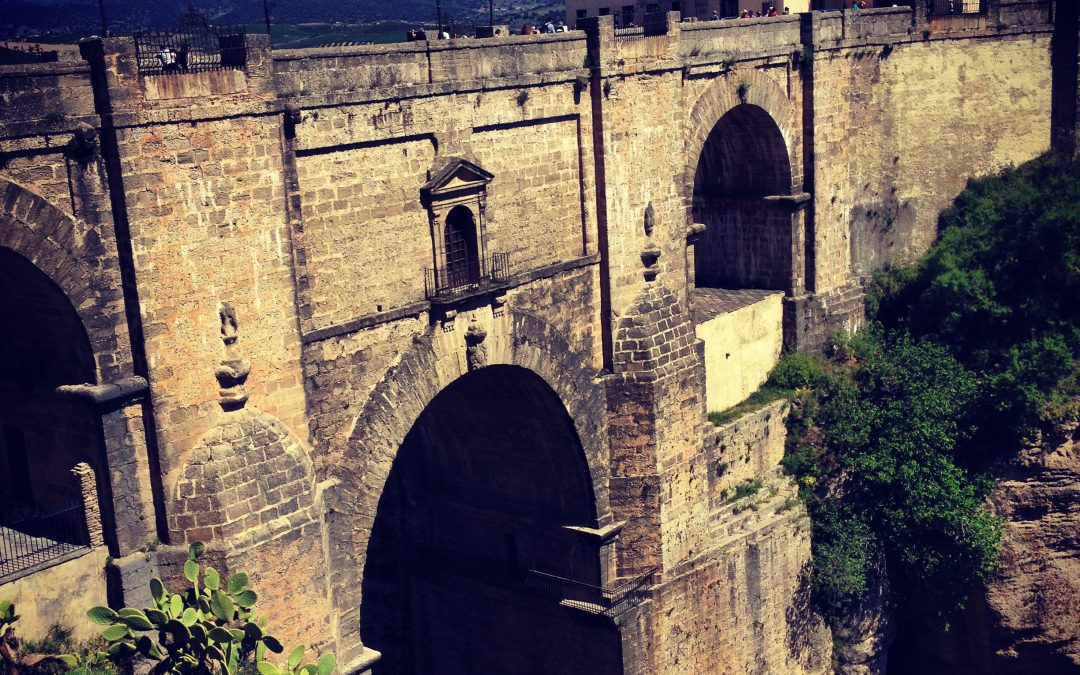
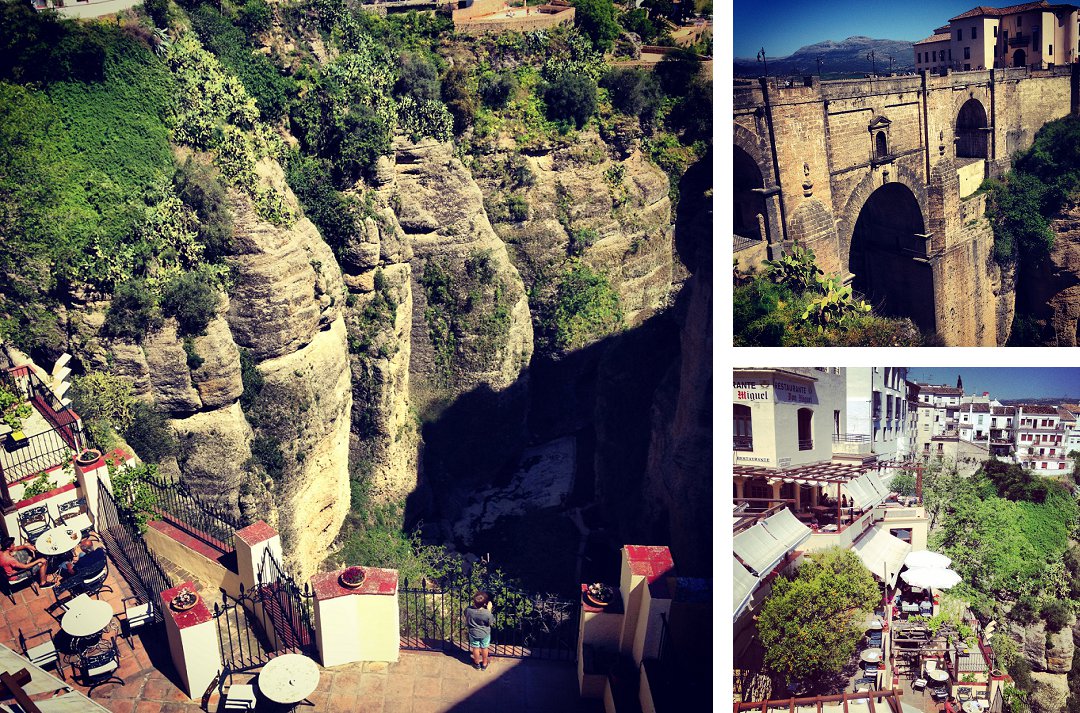
This area, an Andalusian Natural Monument, has two distinct sections. The first is the 500-metre long, 100 metre deep, gorge goes to the Guadalevín river. The other part is a large scarp that opens onto “La Caldera”, a circular hollow. It dates back 5,000 years, a seismic movement created two plateaus separated by the gorge, known as the Tajo de Ronda.
The Puente Nuevo connects two parts of the city known as El Mercadillo and La Ciudad (the old and new towns), which are otherwise separated by the El Tajo gorge. It’s dizzingly high, and if you suffer from a fear of heights, it may be an idea not to lean over the edge and look down…
Had we not been determined to experience Semana Santa in Seville, I think we’d have made a booking for a couple of night’s accommodation, there and then, but the pull of the processions was just too great. So, Ronda is bookmarked for a return visit, and we’ll get to explore a whole lot more.
by Helen | Feb 1, 2014 | Italy, Travel
In my book, a “cool” place to stay doesn’t need to be hip and trendy and cutting edge. It just needs to be somewhere that isn’t bog-standard. And this place we stumbled upon – quite literally – in Castellabate, Campania is very cool, if like us, you like things that are a little bit different.
We’d taken the coastal road south from Sperlonga – and although only 136 km it was a long drive, as the road isn’t straight. We stopped off in Salerno hoping to get a room, but unfortunately had arrived in town when the Italian postal workers were holding a national conference. No room at the inn, so on we carried. Paestum was the next obvious stop – and I remembered the name from history lessons – but it was difficult on a dark October night (it was after 9pm by this time) to summon up any enthusiasm for the town, simply because we couldn’t obviously find anywhere to stay. This is a big regret of our trip to Italy as I’ve since really looked into Paestum and the history geek in me WILL be returning. The upside though of not finding anywhere on route, meant that we discovered the next place – Castellabate.
Although to be fair, we didn’t realise this until the next day. We were shattered, and a bit lost to be honest, so pulled into a car park in a what seemed to be a typical old, Italian hill town. By sheer coincidence, where we’d parked the car, we saw a sign, half covered with ivy, which seemed to say “Albergo” – and although it was now quite late, we thought we’d at least make an enquiry. And, wow – how glad are we that Salerno was full of postal workers? This was a GEM and we simply cannot recommend it highly enough…
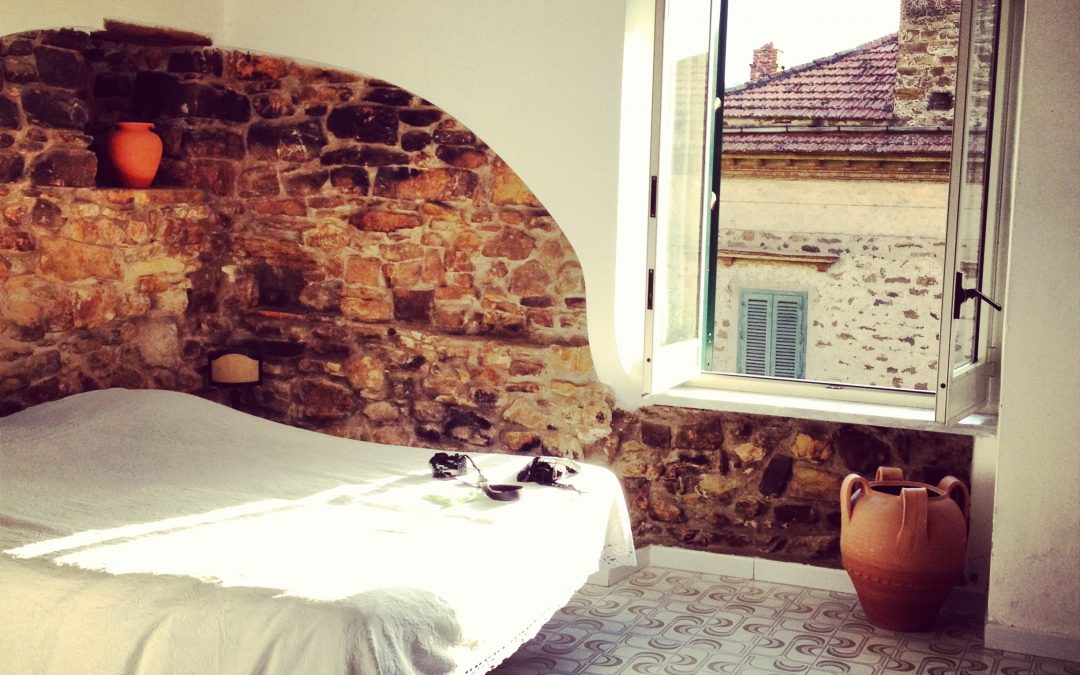
Despite the lateness, and our lack of Italian, Franca, the lovely owner, immediately came to our rescue! The albergo is quite literally a “castle” – very old, beautifully furnished and just stunning. We were shown the most incredible en-suite apartment – a huge bedroom & bathroom, with exposed ancient stone walls, mosaic tiled floors, beautiful furniture & the most comfortable bed, with crisp white bedding. Although not modern in terms of furnishings, the bedroom & bathroom were spotless. We took it without hesitation.
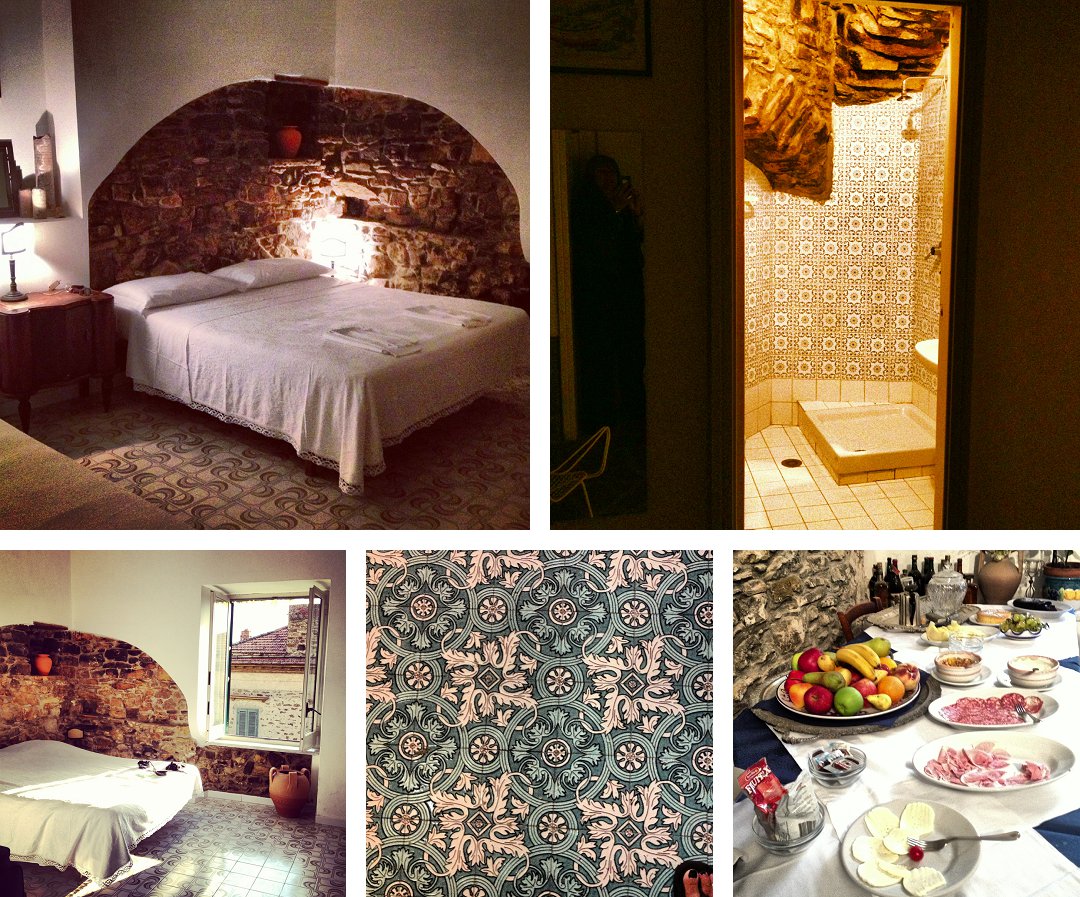
If you are looking for a real get-away-from-it-all, we couldn’t recommend this gem highly enough. It is family run, and run with obvious love. Breakfast was amazing – fruit, breads, cheese, meats, juices, coffee, preserves – and all made with produce from the gardens where possible. The terrace where we had breakfast, even in late September, was full of flowers and foliage and with a stunning view down to the sea & across the countryside. (There is also a roof terrace with loungers).
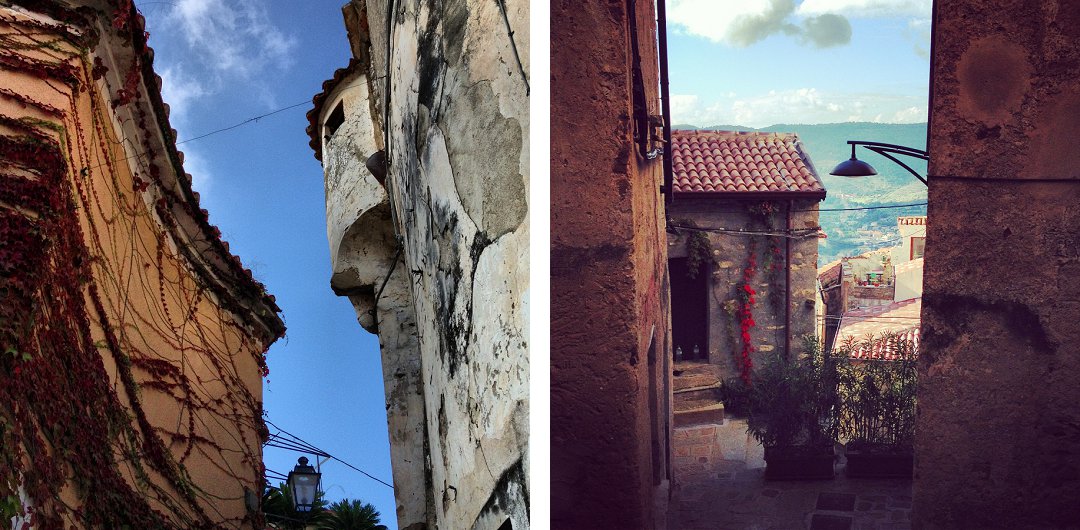
The hotel (although as it’s far removed from a “hotel” as you can imagine) is just stunning – as is Castellabate. Another find, highly recommended by us. But, keep it quiet – we don’t want everyone going there.
update : november 2023
It’s over ten years since we stayed at this beautiful castello in Castellabate and I recently checked to see if was still open. It looks as if the owners who had it when we were there sold it in 2018 and it has been completely refurbished by the new owners. It looks bloomin’ amazing – even better than in 2013, when we found it to be magical – so I guess it’s back on our list of places to revisit…
by Helen | Dec 28, 2013 | Travel, UK
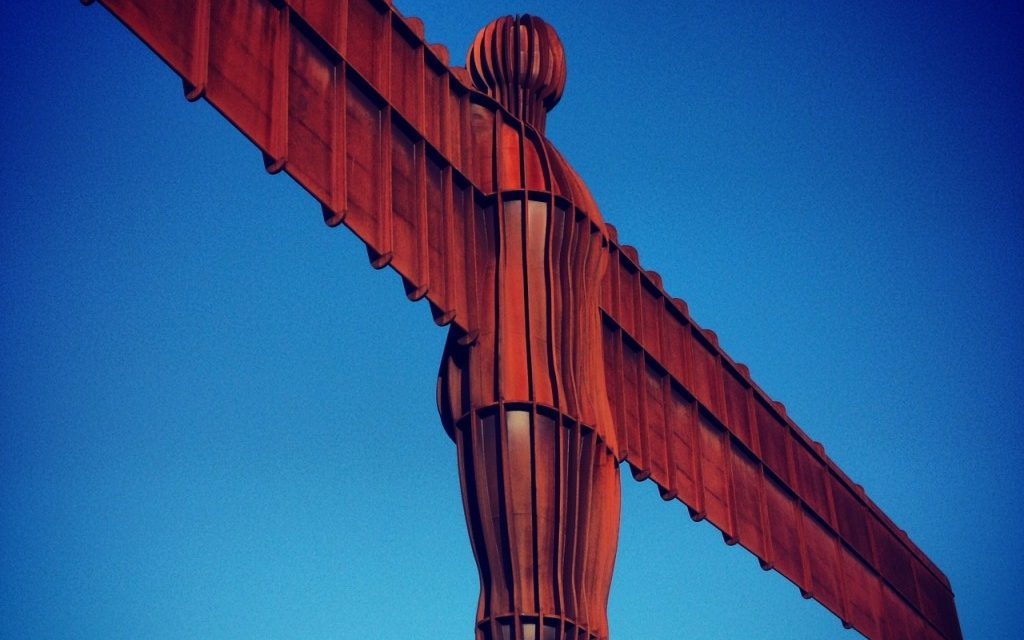
We’re big fans of Anthony Gormley’s sculptures and whenever back in Formby, visiting relatives, we take a trip over to Crosby Beach and walk amongst the Iron Men statues, when the tide is out. So, on our recent Christmas trip back to the north east, we decided to get up close and personal to The Angel of the North, having only ever seen it from the motorway. And, wow, once underneath it, it’s immense and pretty awesome!
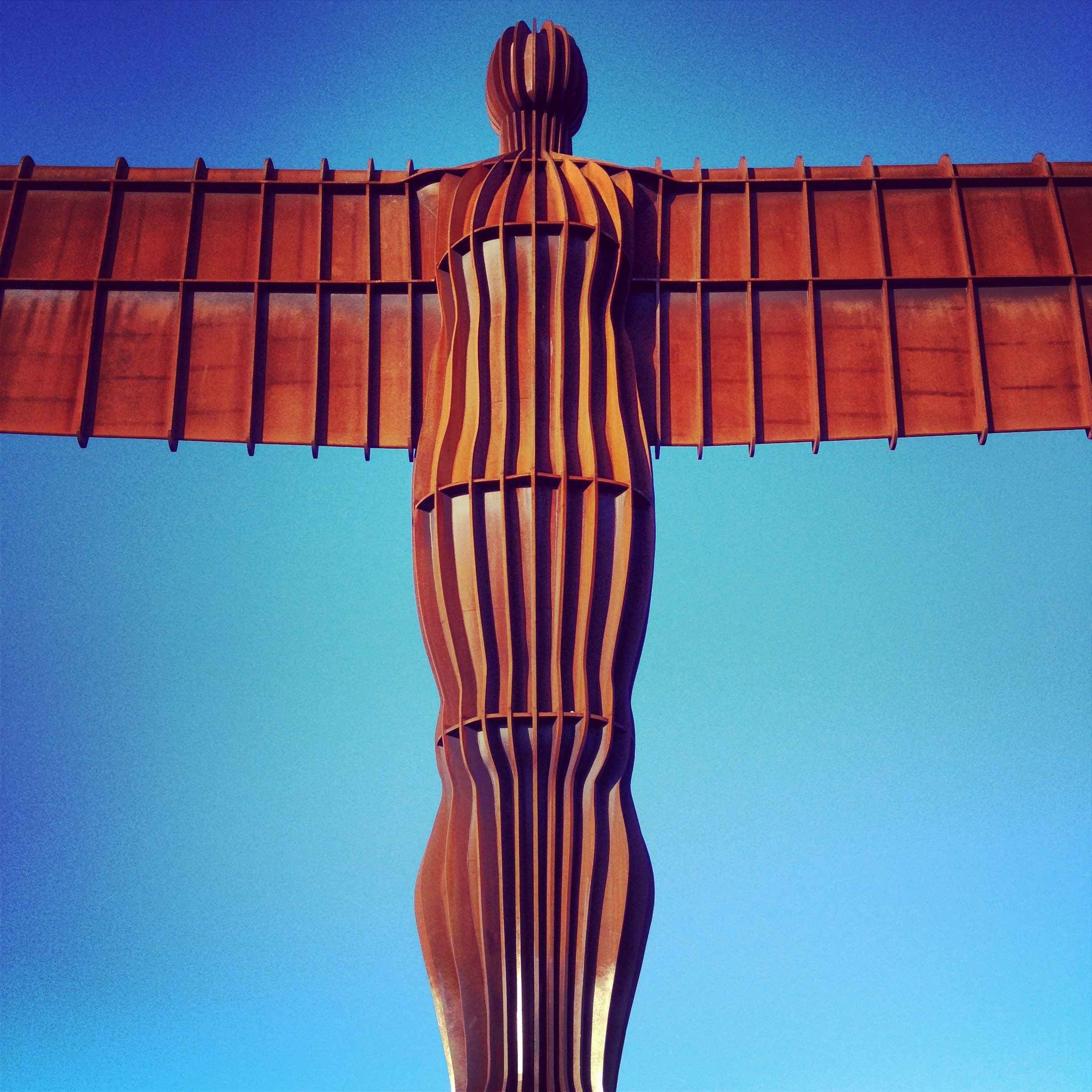
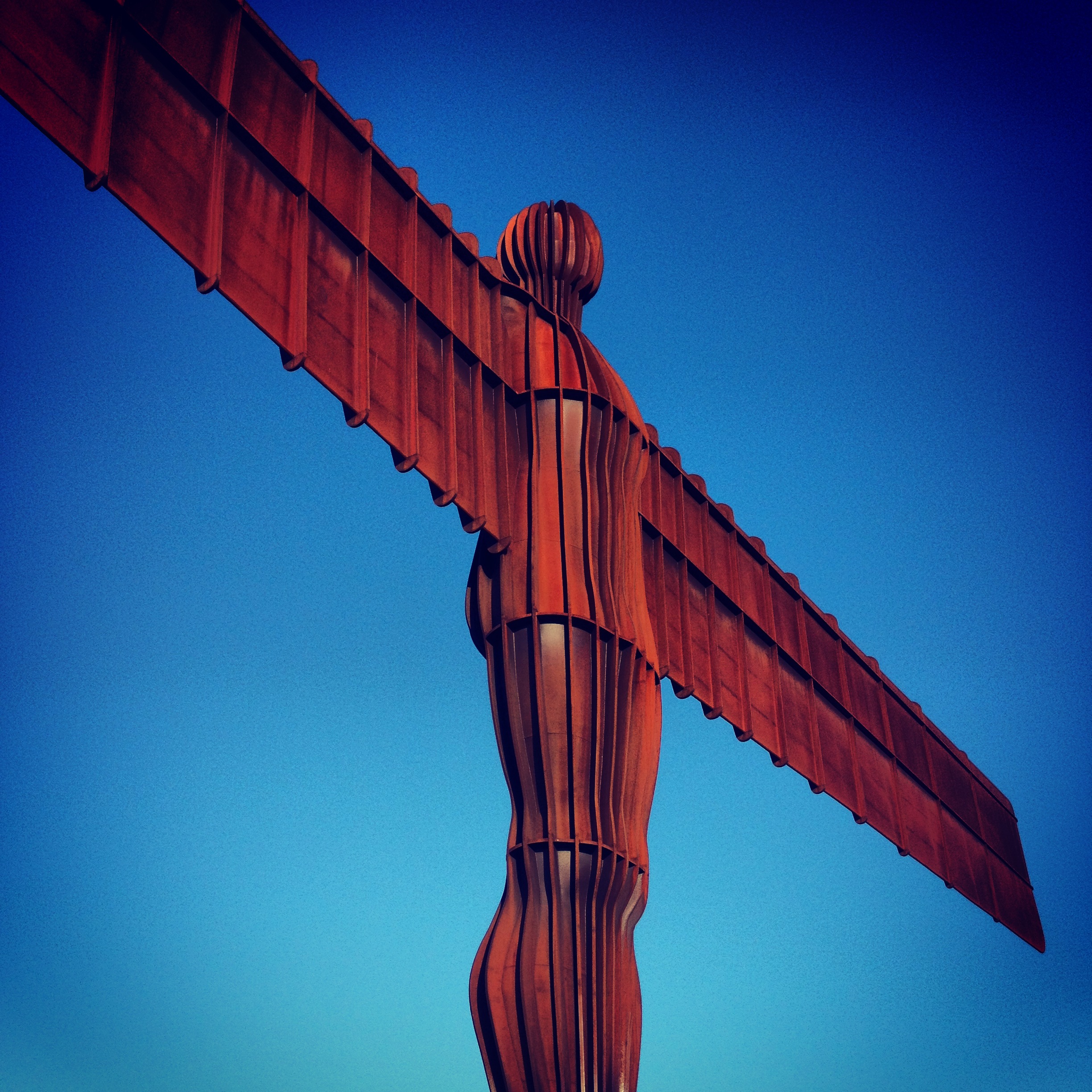
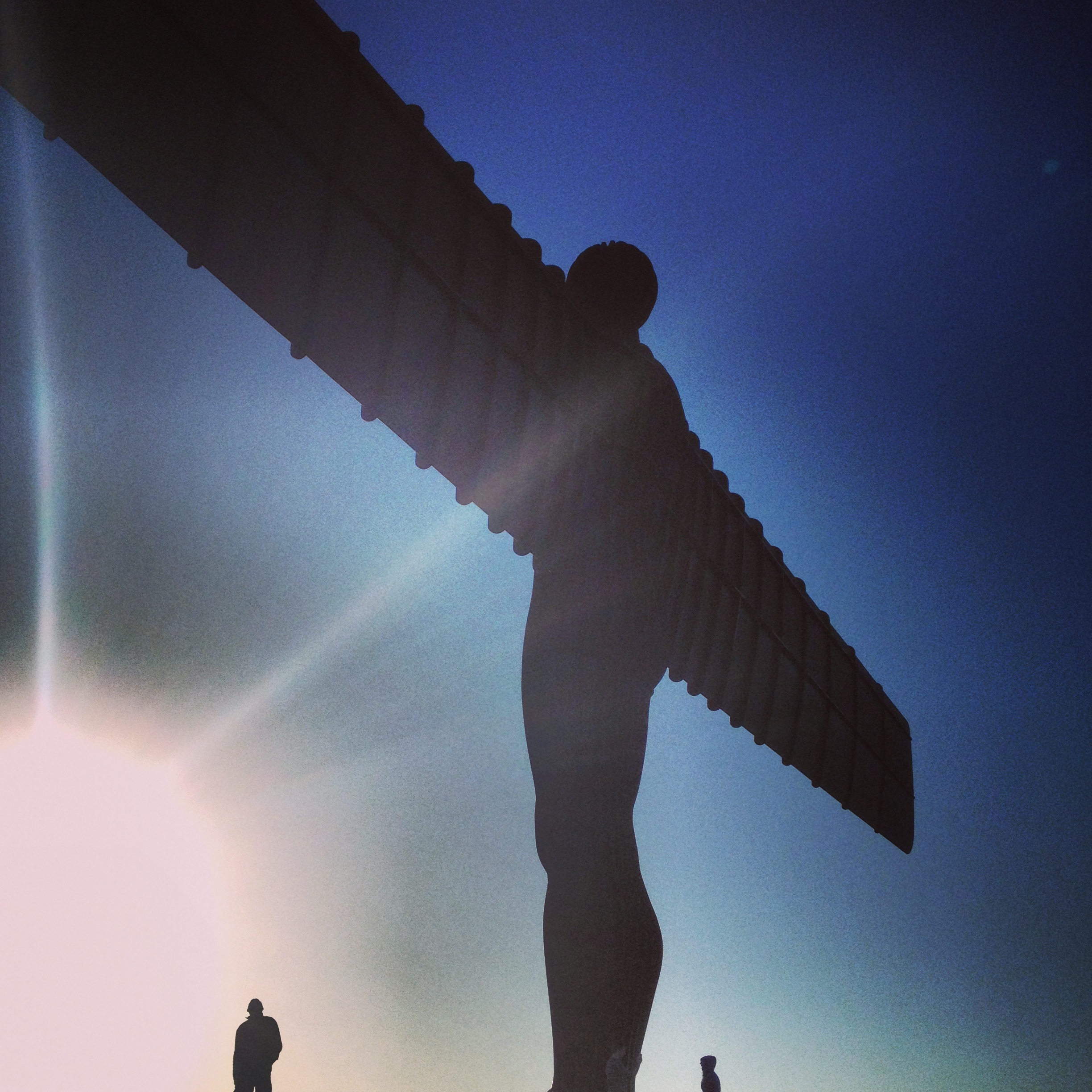
Viewed against the brilliant blue winter sky, the coppery metal is just beautiful – red and rusty and earthy. Just like the surrounding land. Sitting on top of the hill, the statue is just beautiful, with its outstretched arms. Everything just seems to be engulfed. A very powerful, in every way.
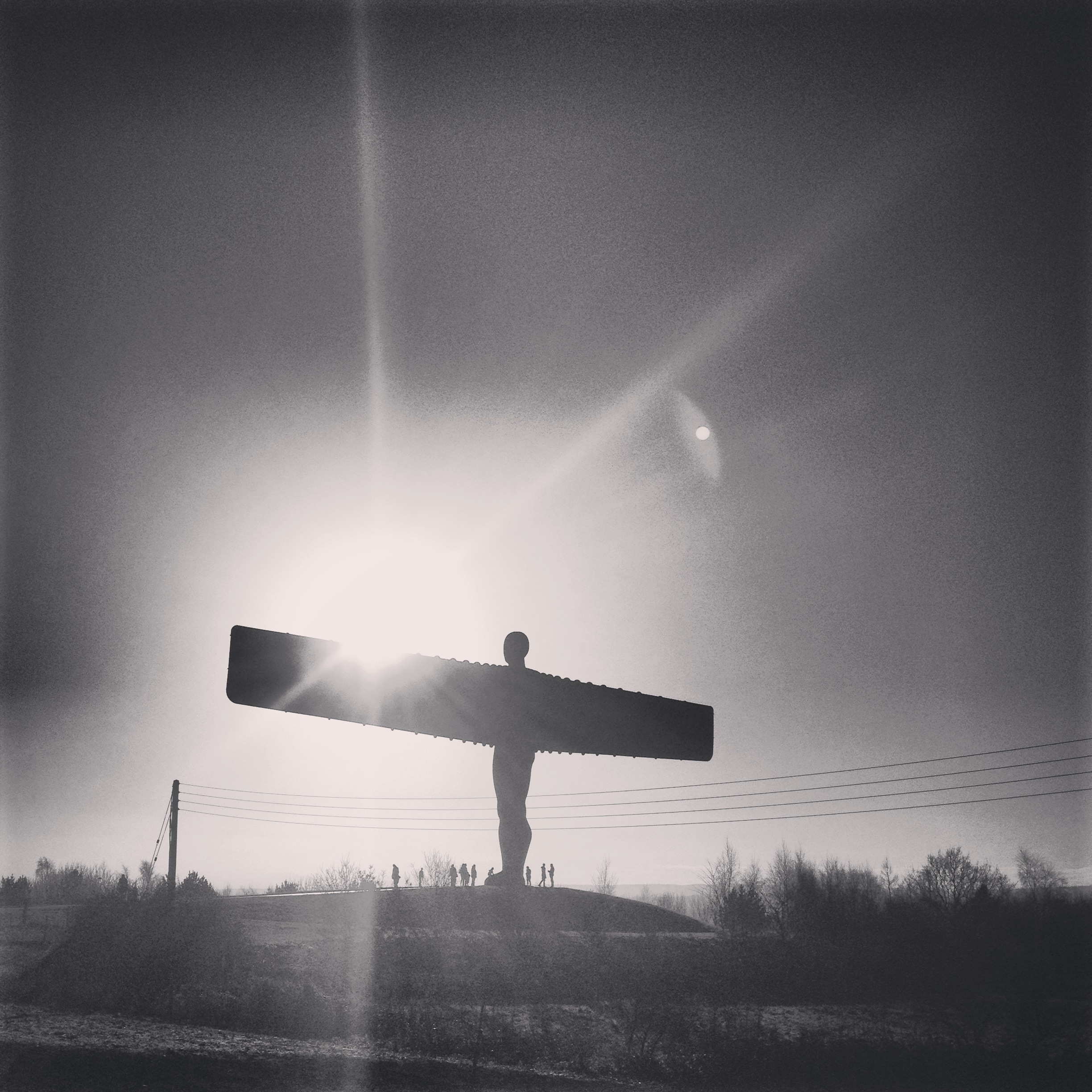
The Angel of the North is a contemporary sculpture, designed by Antony Gormley, which is located in Gateshead, Tyne and Wear, England (Durham Rd, Low Eighton, Gateshead, Tyne and Wear NE9 6AA). It is a steel sculpture of an angel, 20 metres tall, with wings measuring 54 metres across. There is a free car park, no admission and is accessible all year, including Xmas & New Year.
by Helen | Nov 23, 2013 | France, Travel
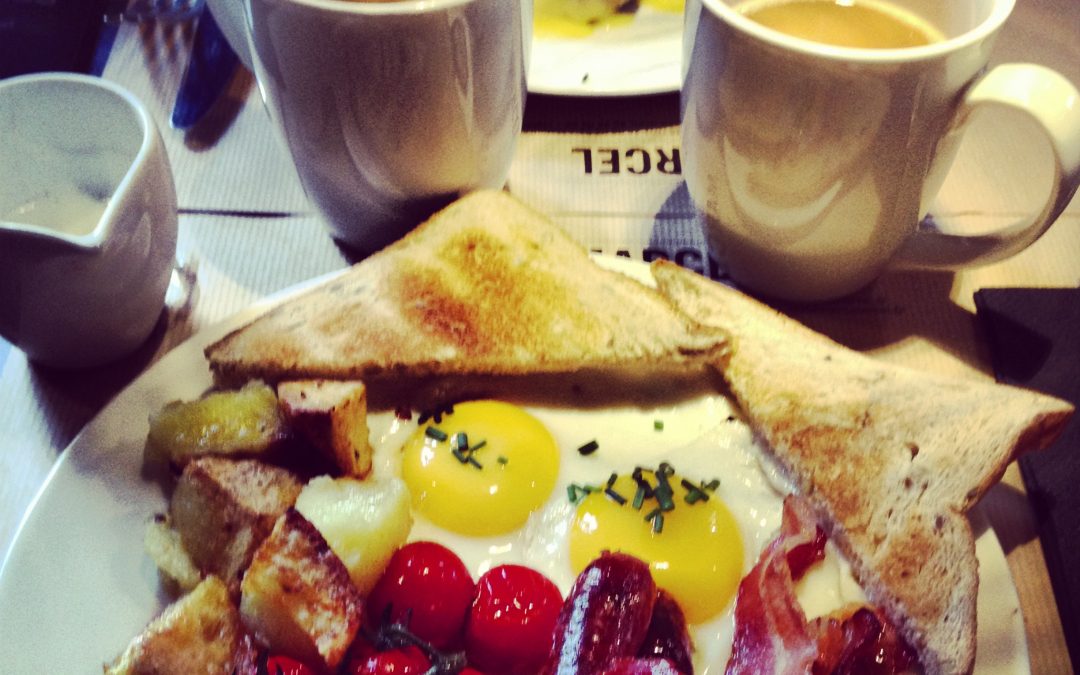
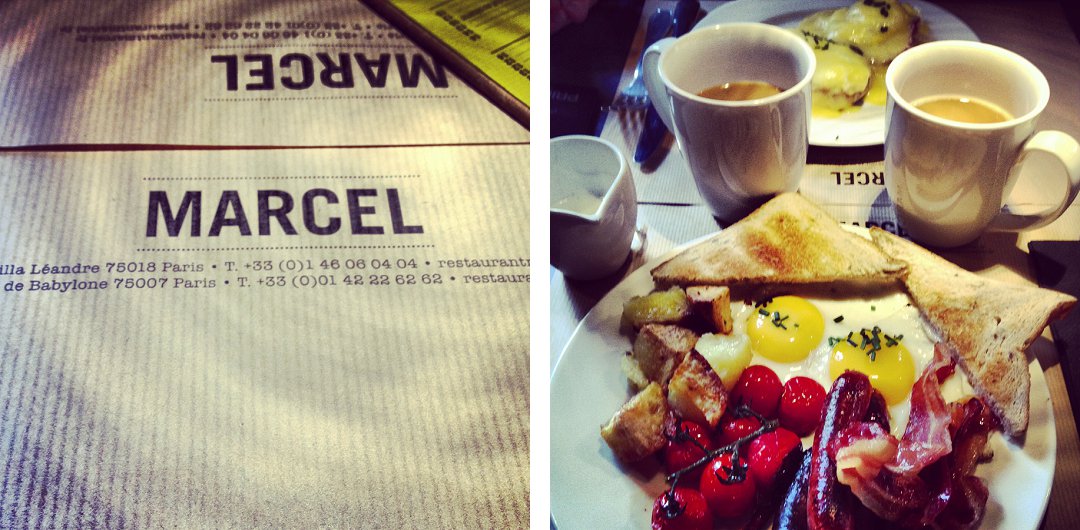
Although Paris is packed to the gills with the most gorgeous places to eat, sometimes its the unexpected ones you stumble upon that are the most memorable. We recently stayed in Montmartre and Saturday morning was cold and grey – much like a home from home, so it was decided that breakfast was much needed to set us up for a day of sight-seeing. Having had two months of sweet Italian breakfasts, we were craving a savoury fix – and Restaurant Marcel just ticked those boxes perfectly.
Inside it was as achingly cool and cute as you like, and clearly a hip place for Parisiens to hang out on a Saturday morning. The decor was beautiful – greys and dark wood and low slung bare light bulbs. If Amelie had walked in, I wouldn’t have been surprised. For the first time, in a long while, we had a hot, savoury breakfast – with two BIG cups of coffee. Bliss! And clearly, these breakfasts go down well with the locals too, as most people in there were having what we were having. After nearly three months on the road – and it feels ungrateful even saying it, as it was all spent driving around beautiful Italy – you could not under estimate how good this breakfast was! Sausages, bacon, eggs, fried potatoes, vine tomatoes and toast. Just delicious!
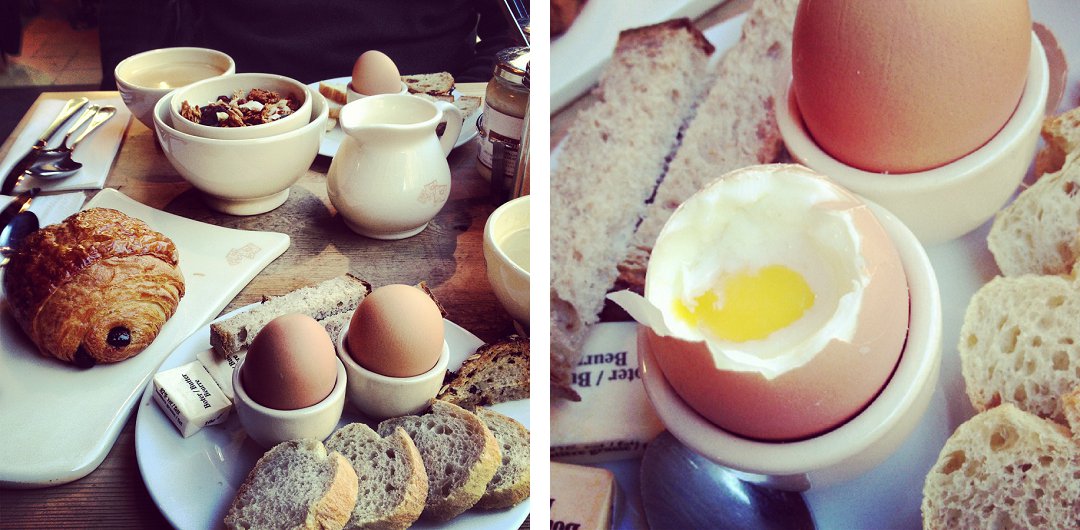
Another breakfast find was Le Pain Quotidian, situated on the corner of Rue Lepic and Rue des Abbesses, Montmartre – a perfect location to while away an hour or so, over a delicious breakfast.
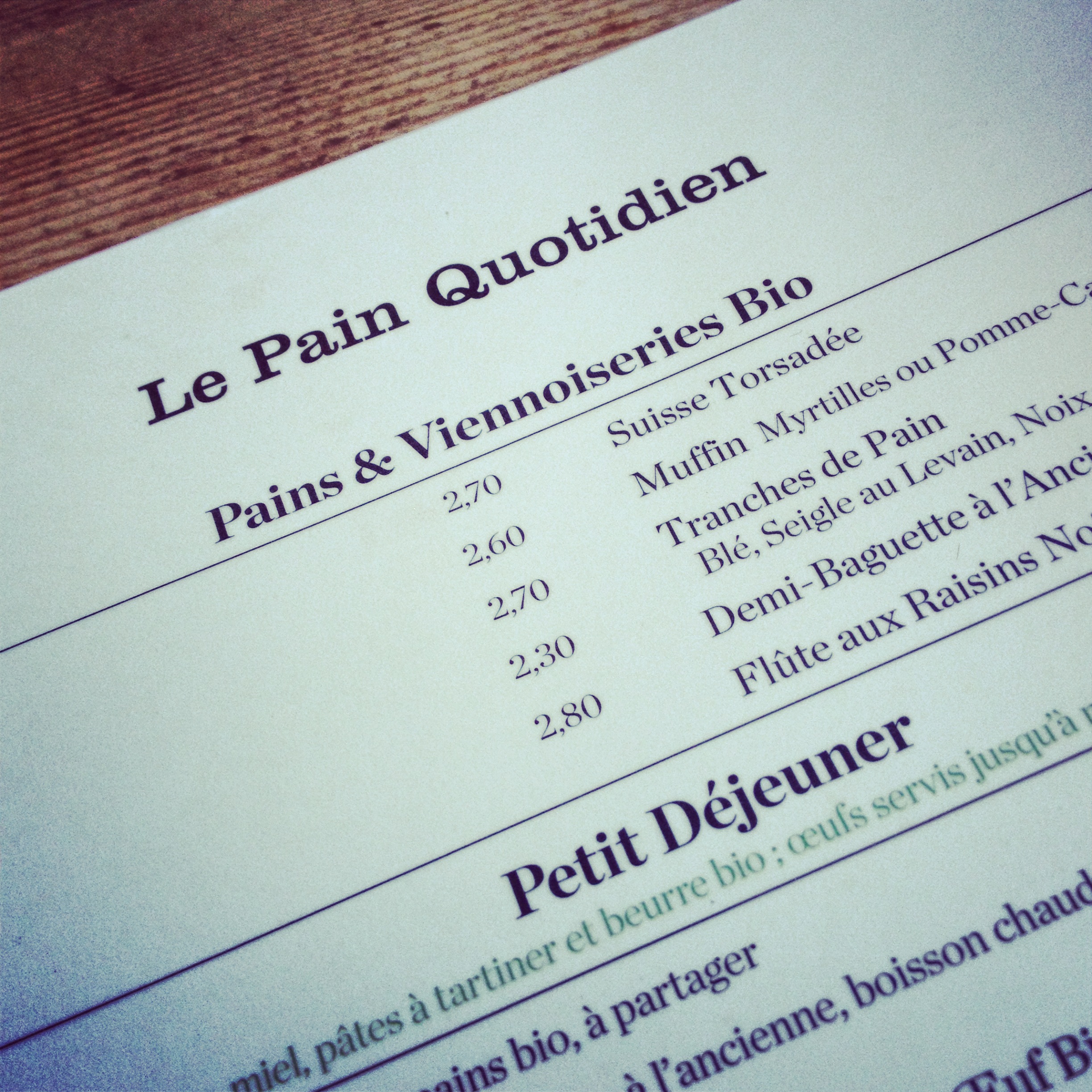
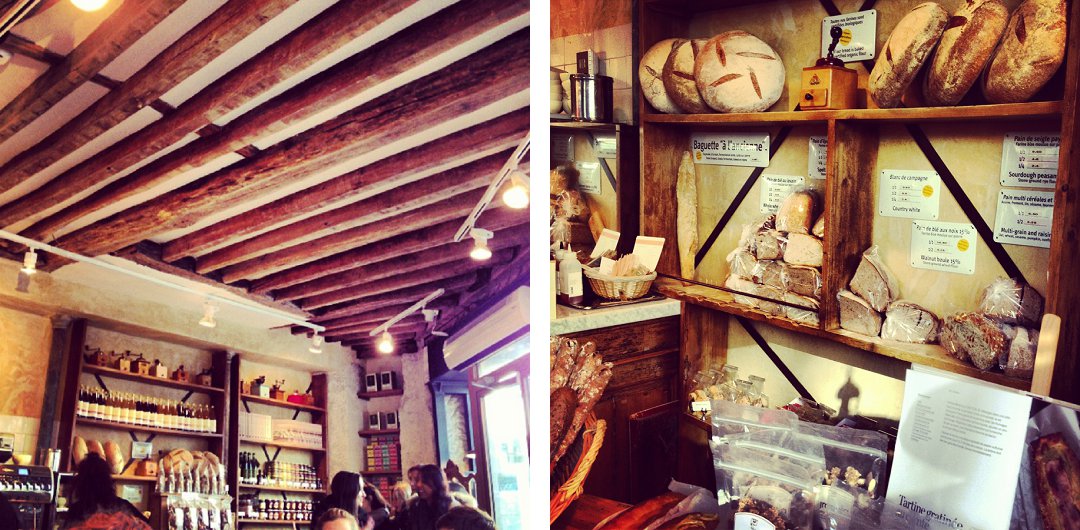
Not only super Parisien, effortlessly cool – but with boiled eggs, on the menu. Another blissful start to the day…
by Helen | Nov 15, 2013 | Italy, Travel
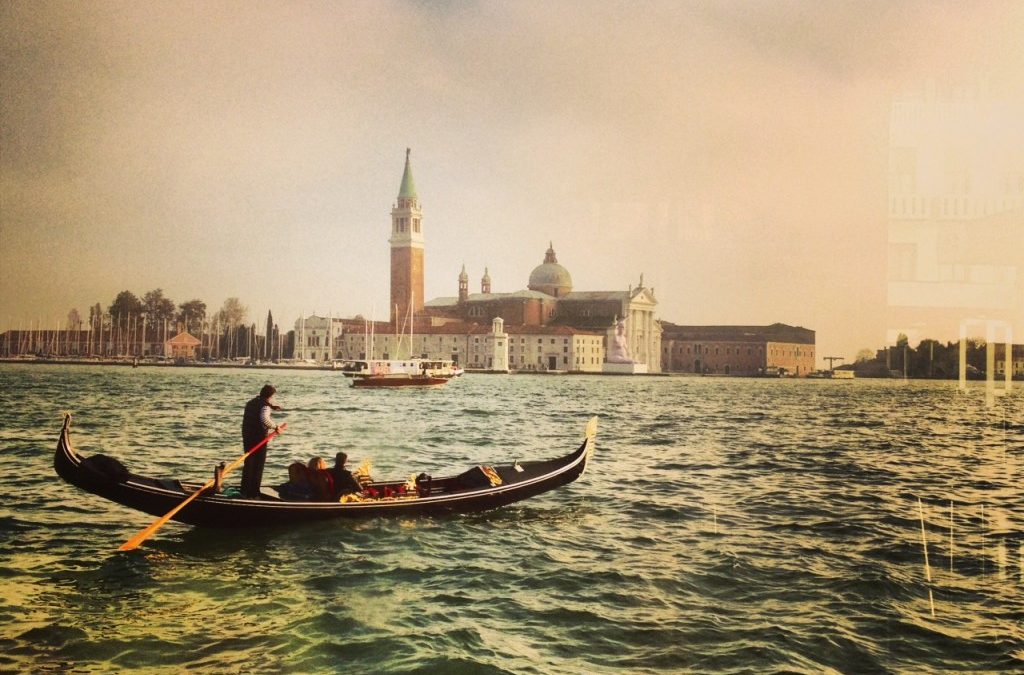
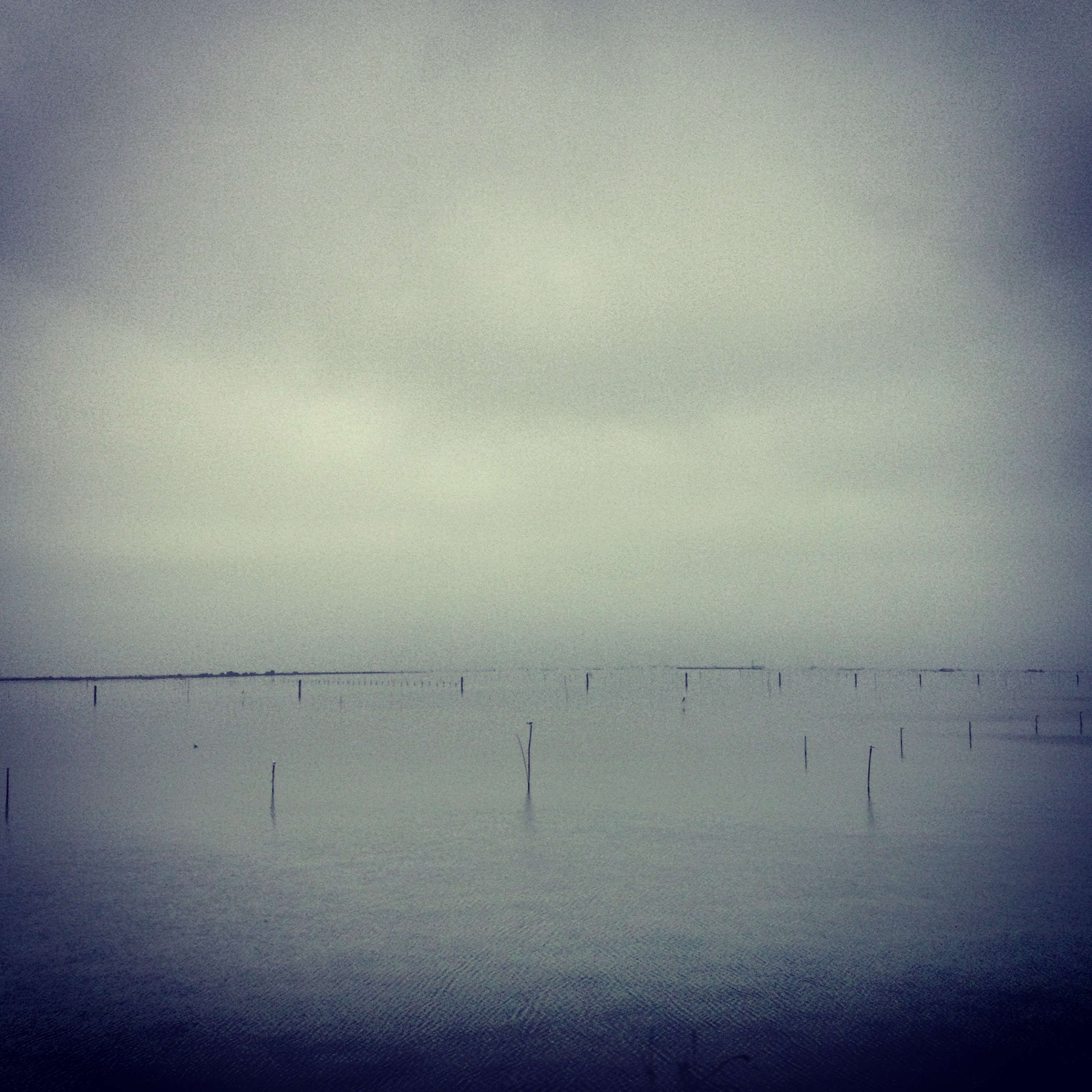
Of all of the places we visited recently, Venice has to be one of the most memorable. We arrived on a cold, misty afternoon and were prepared for the weather to stay this way as we’d been under thick cloud all the way from Rimini. The lagoon, on either side of the road bridge into Venice was eerie, but still very beautiful, in the mist. Huge cruise liners, like floating cities, suddenly appeared out of the fog, signalling that we had reached Venezia…
Driving to Venice is a bit daunting – even after negotiating much of the length & breadth of Italy! – but through trial and error this is what we found out & hopefully it may be helpful if you too decide to take the car. Obviously, being all canals and water and bridges, you have to leave the car in one of the designated car parks outside the centre. Here’s our advice so that you’ll hopefully get there without attempting to kill one another.
- At the end of the road bridge which connects Venice to the mainland, stay in the right hand lane and follow the signs for Garage San Marco. Stay in the right hand lane as this takes you to the SHORT STAY CAR PARK – relatively cheap, considering you’re in Venice (we paid about 12 euros for 5 hours)
- Turn left out of car park and left again – walk across the bus concourse, up the steps/bridge and you’ll find Santa Lucia train station on your left & the Grand Canal on your right
We walked from this point to St Mark’s Square – it’s a long walk, through winding streets, piazzas, up steps, over bridges and you WILL get lost, but it doesn’t matter as it all leads eventually to the spectacular Piazza San Marco & the stunning Basilica. It is touristy. It is busy. The pigeons will dive bomb. But, it is one of the most breath-taking sights we saw in all of Italy. A fine reward after a very long walk…

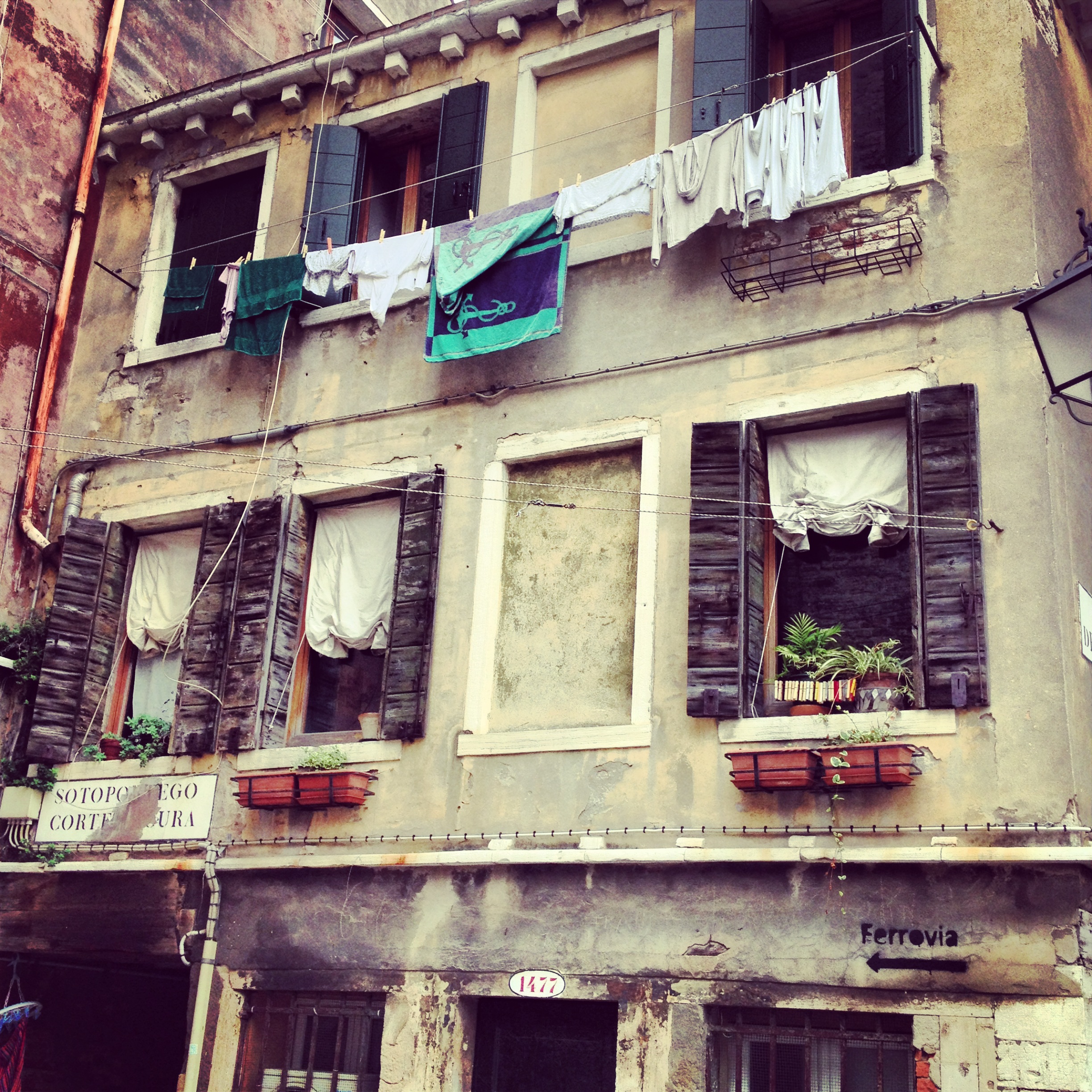
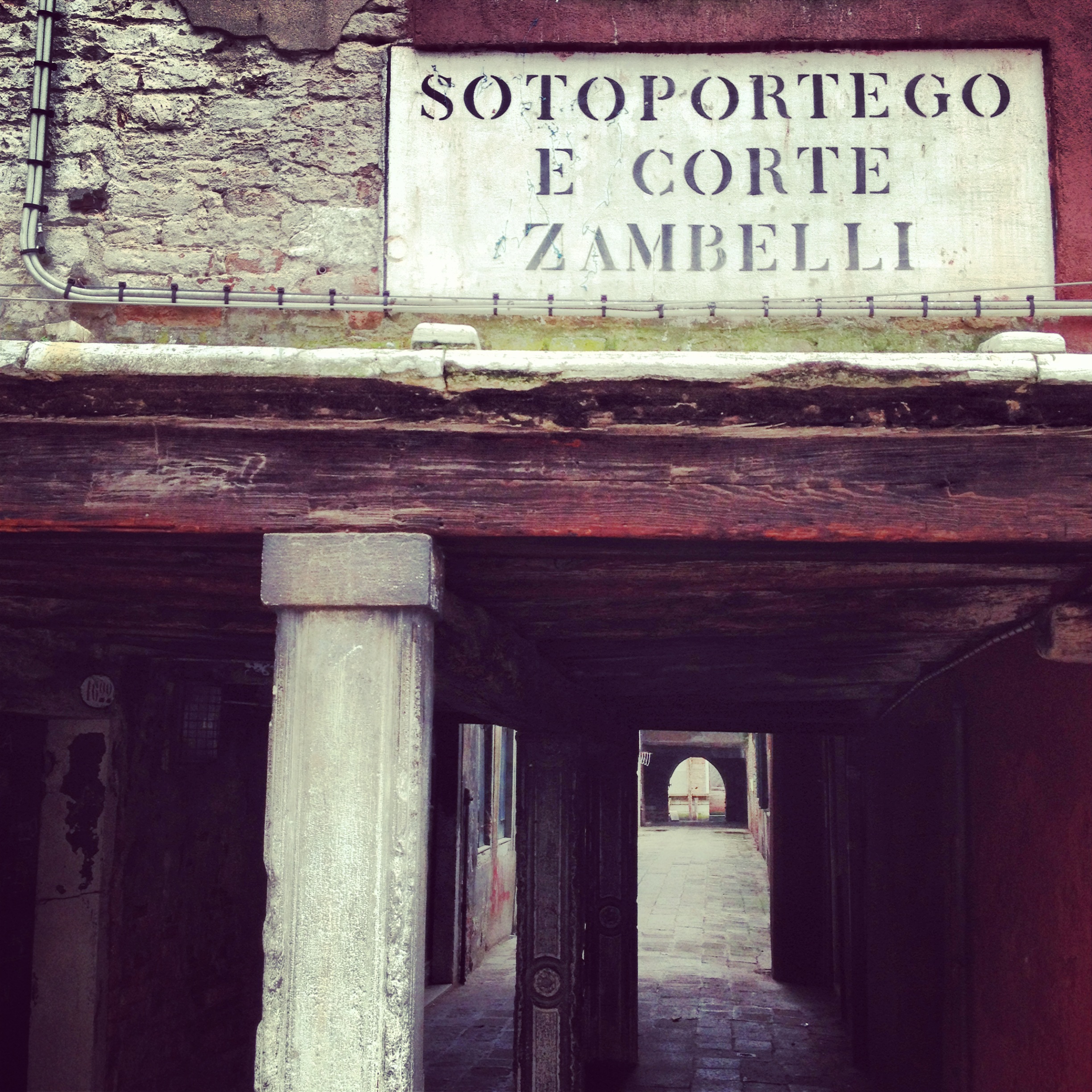
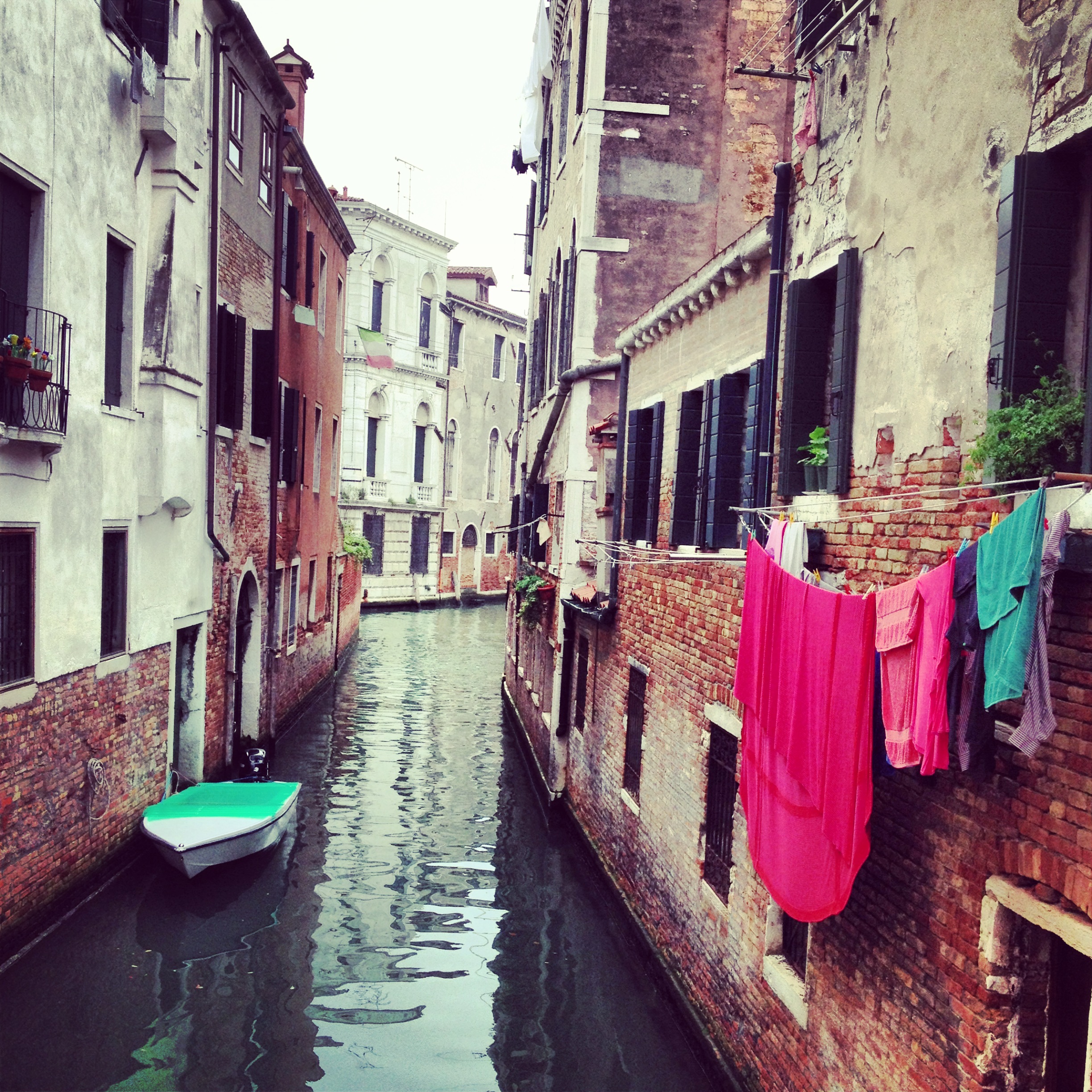
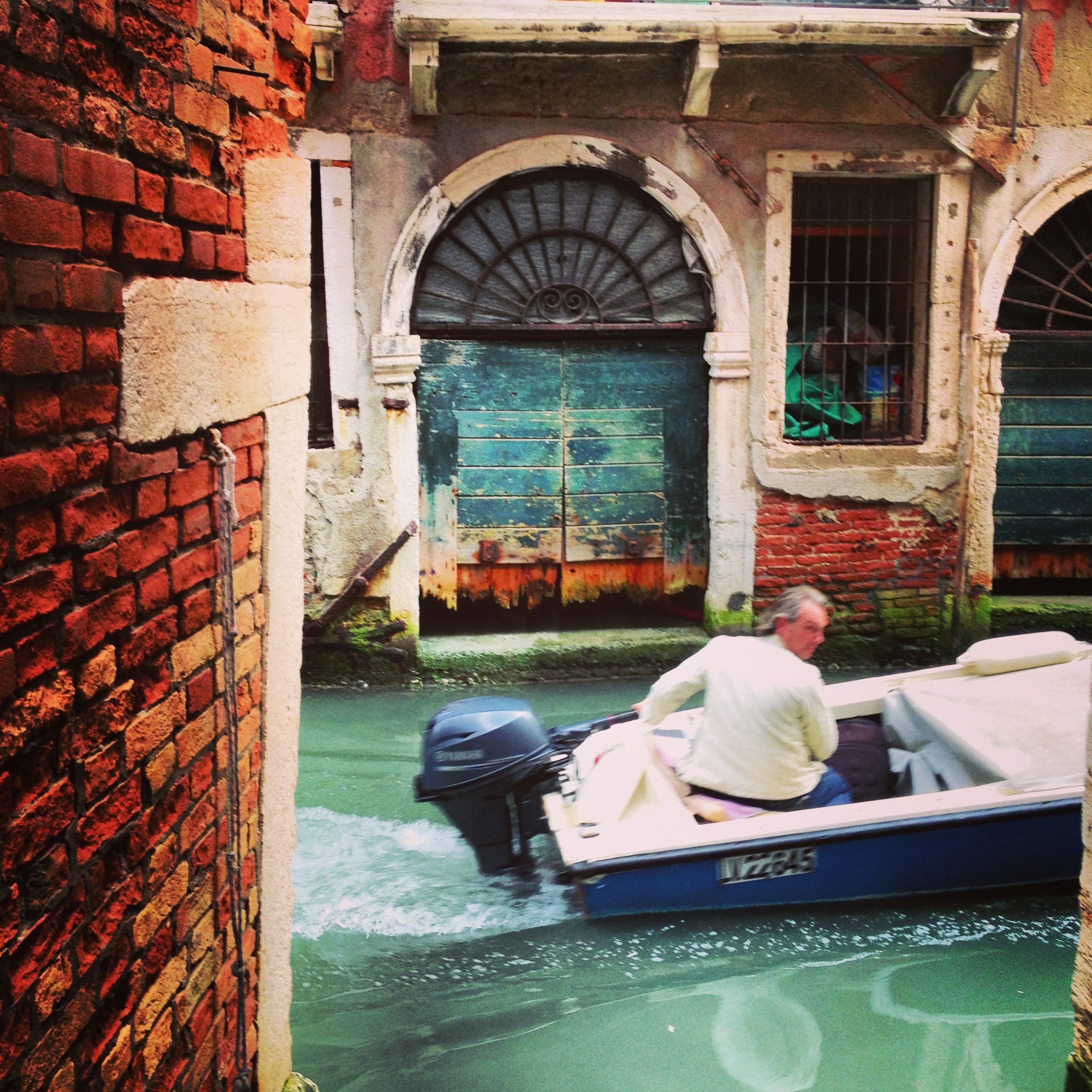


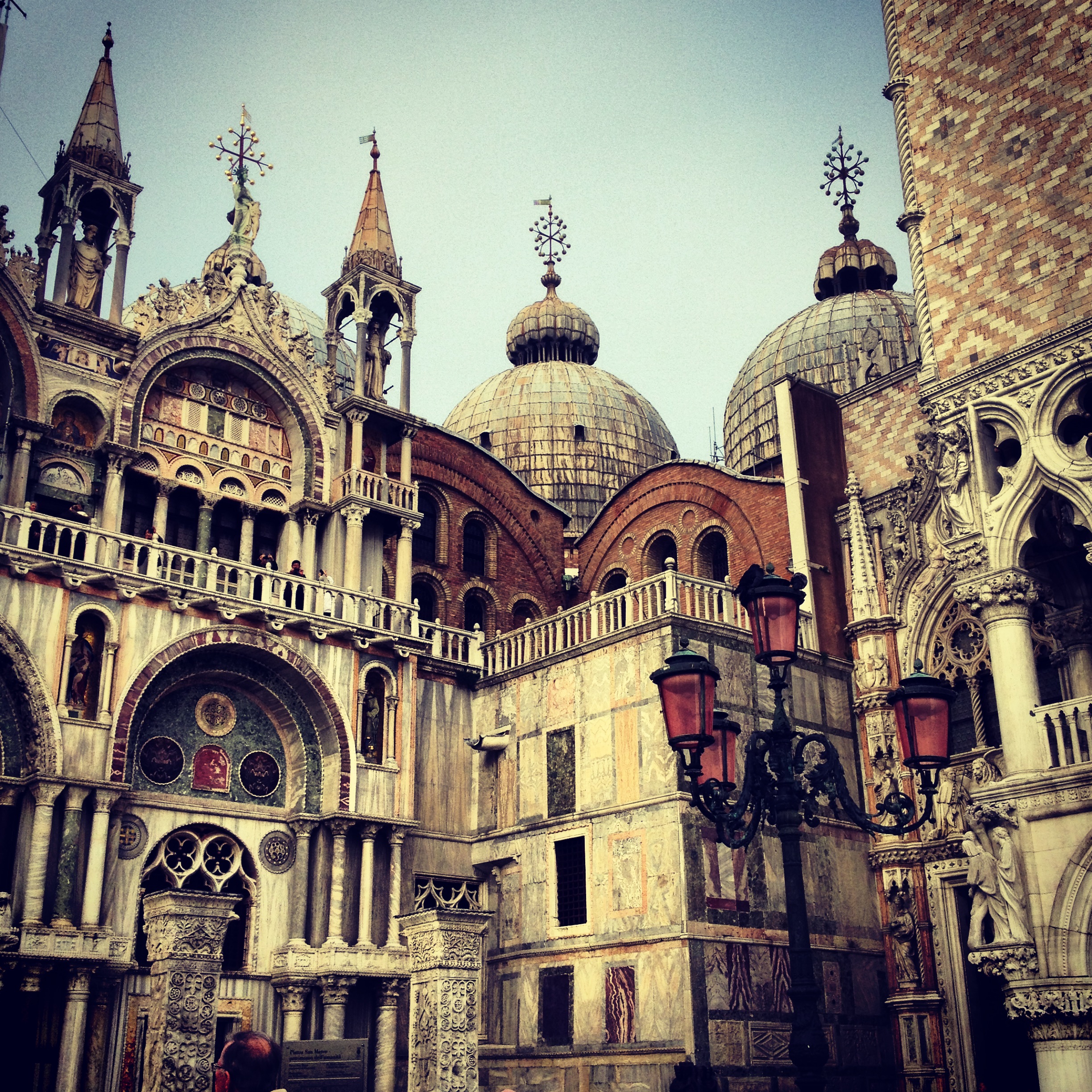
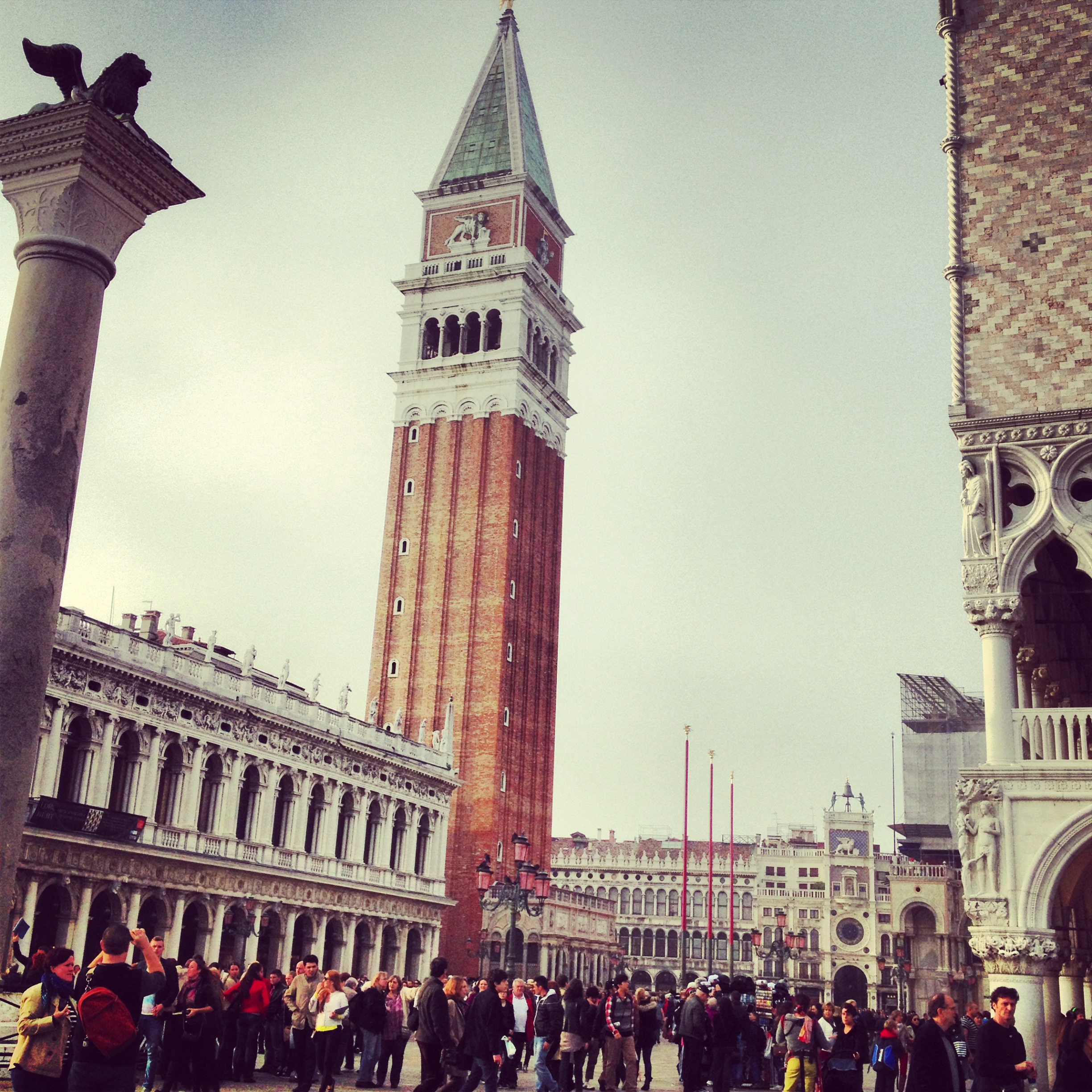
It’s been a good few years since my last trip to Venice and we were better equipped this time to get around quickly and easily – which was just as well, as sadly, this visit was a flying one. We hadn’t even intended on stopping in Venice, having booked a hotel in Verona, and intending to spend the day there. However, the lure was just too much and we spend a fabulous afternoon strolling through the streets and alleyways and over bridges, before hopping back on a water taxi to collect the car and head off to Verona.

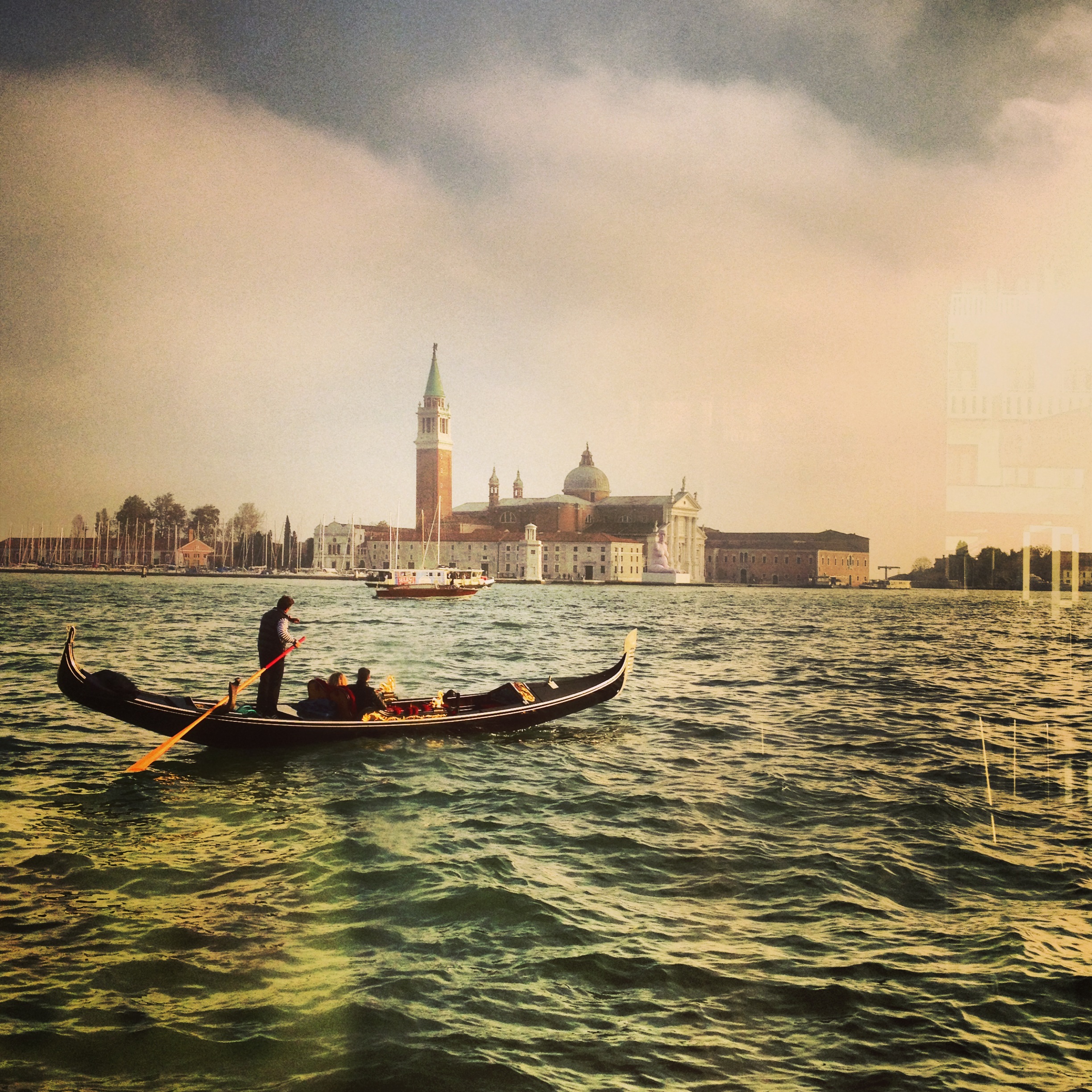
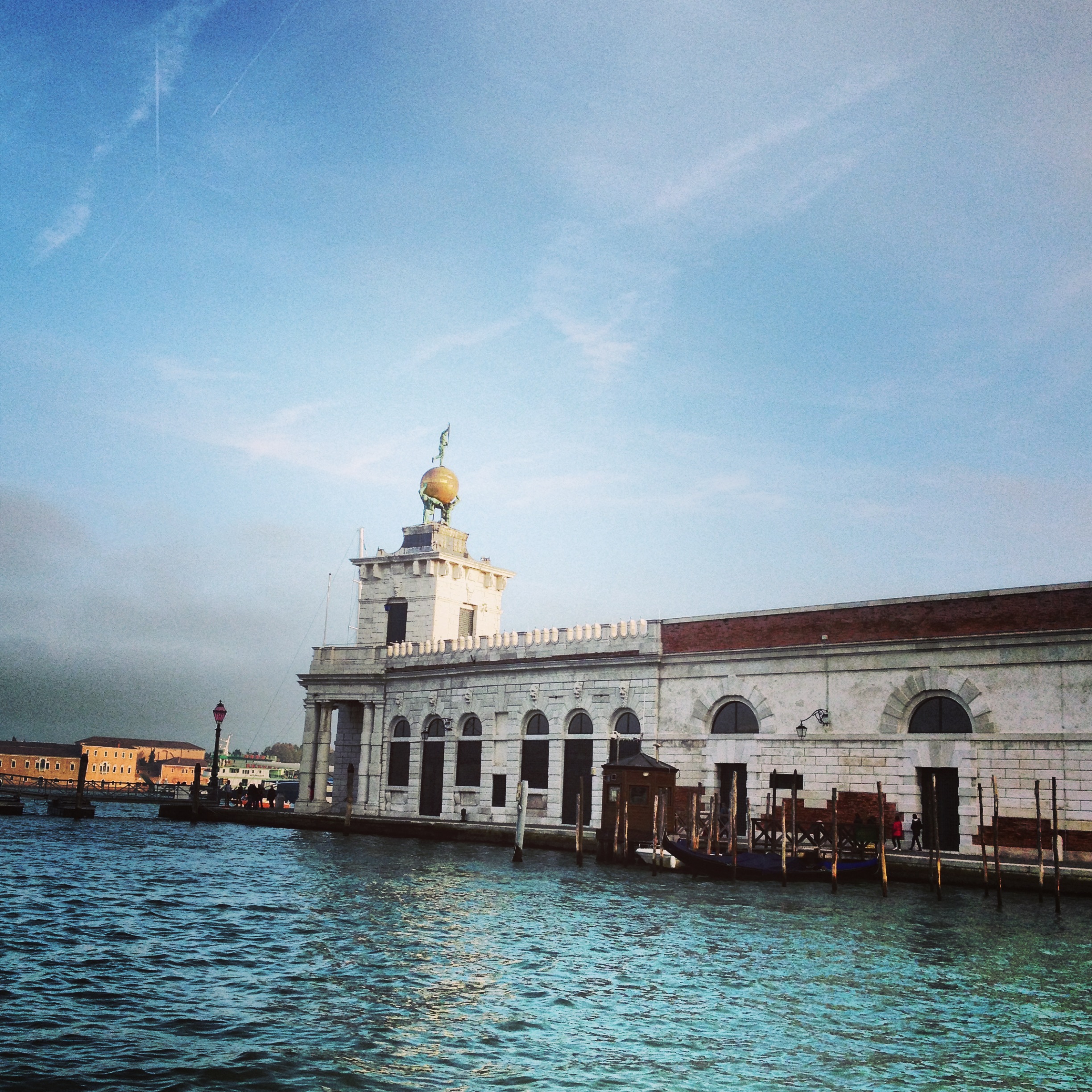

From Piazza San Marco, it’s very easy to get a shuttle back. (There’s also the options of water taxis, and if you’ve more money than sense, a gondola). The journey from St Mark’s to Santa Lucia (where you need to get off if you’re parked in Garage San Marco), takes about an hour and is probably the best way to see Venice. Carabinieri. Ambulances. Private gondolas. Speedboats. They’re all there – a magical experience!

by Helen | Nov 12, 2013 | Italy, Travel
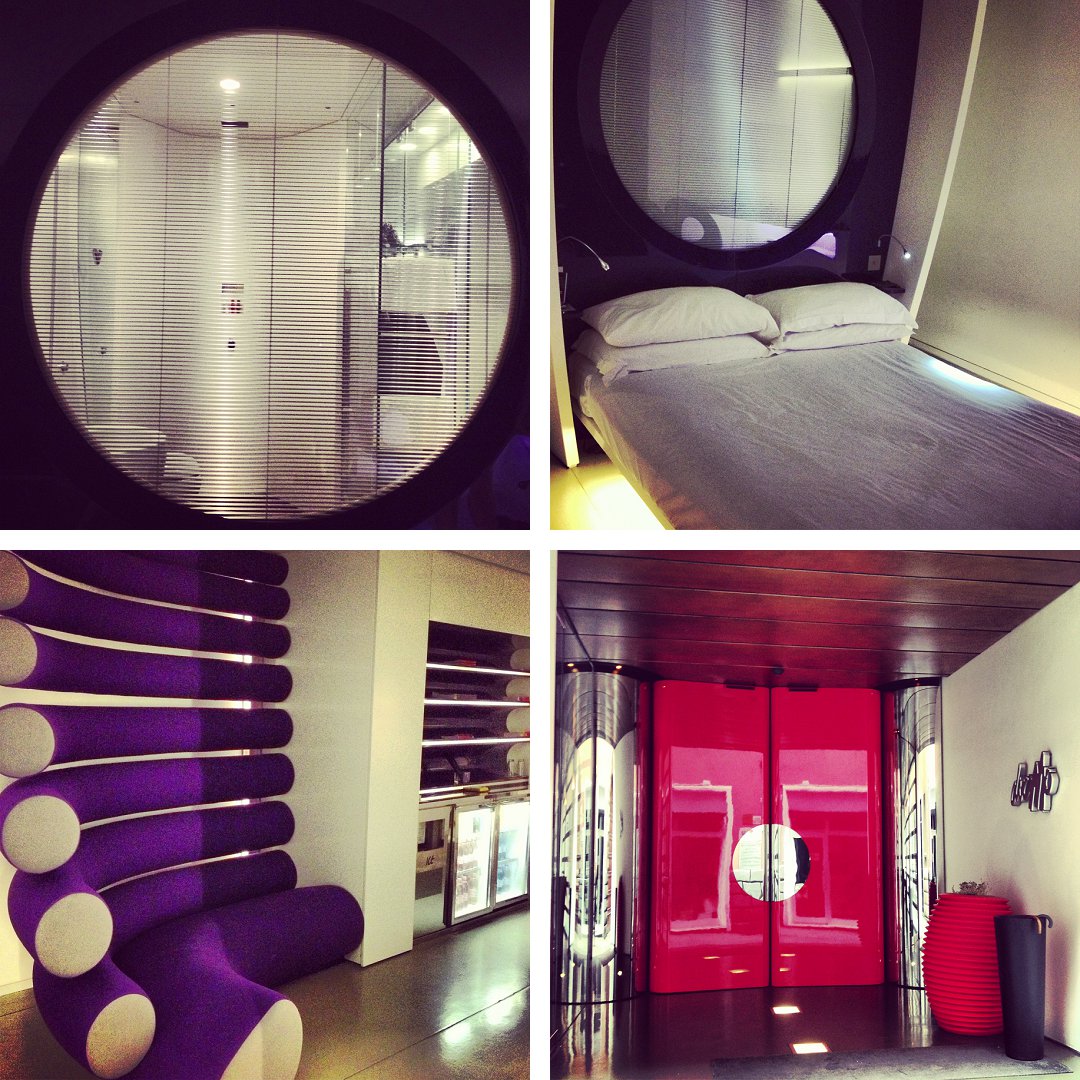
Rimini – Hotel DuoMo… a pretty spectacular find of a hotel, right in the heart of Rimini. Surrounded by historical buildings and vaulted, arched walkways, sits the very striking Hotel DuoMo – almost brash compared to its neighbours, but somehow it fits. Bold, cherry reds and purples dominate with lots of glass and steel. A very modern reception area sets the tone for the rest of the hotel. Being on a long road-trip, we couldn’t splash out on the best rooms and had to be very mindful about what we were paying for accommodation – but this hotel came up trumps.
A very cool place indeed. The inaugral project from architect & designer, Ron Arad…
What would please Me Most in a hotel is not soMeone else’s idea of chic, elegance of style, but rather coMfort, clarity and ease of access to inforMation, entertainMent and aMbience…
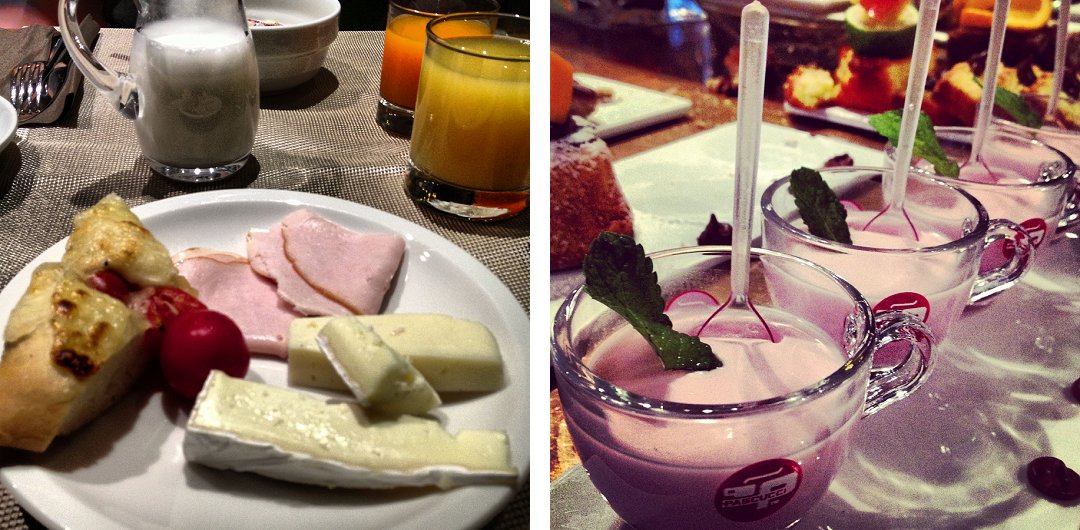
Located in the heart of Rimini centre (about a 20 minute walk from the beach), this was definitely a stand-out hotel. A little bit more expensive than other hotels we stayed in, it was definitely worth it. We booked via Booking.com, so obviously didn’t get the best room in the hotel, but wow! It was amazing. Very futuristic in design but so comfortable – and with a balcony. Although, it was tipping it down when we stayed here, so no vino on the balcony pre-dinner, sadly. Breakfast was fabulous too – meats, cheeses, breads, pastries, cereals, juices, herbal teas etc etc. So, so welcome from the staple diet of cakes we’d been enjoying for breakfast!
So, another kind of accommodation chalked up on our road trip of Italy. We’d have bankrupted ourselves if we’d stayed in places like this one, all the time, but sometimes, it’s a bit of a treat to opt for something a little bit out of the ordinary. Super cool, right in the heart of Rimini and close to the beach. Ticked all of our boxes!
by Helen | Nov 8, 2013 | Italy, Travel
The amazing Matera, in the region of Basilicata, in southern Italy, is going to have a blog post all of its own because it is quite simply, one the most incredible places we visited recently. This blog however, is all about Hotel Basiliani – a real modern jaw dropper, built into the rocks of the Sassi
I’ve been intrigued by Matera for a long time – as a child I was fascinated by these dwellings in the rocks that were abandoned in the 1950s. Then Mel Gibson came along with his film “The Passion of The Christ” – and all I was interested in was ethereal scenery as much of it was filmed in & around Matera. We’d planned on a one day/night stop-over on the way from Tarsia in Calabria to Alberobello, and so wanted somewhere a bit different, but that again wasn’t silly money. The old default search of “boutique hotel in …” brought up Hotel Basiliani – but a quick glance at the gallery of images made me think that this particular boutique hotel would be waaaaay out of our budget. As with a lot of things in Italy, sometimes the perception of something is much more expensive than the reality – and a quick search on booking.com threw up the most incredible apartment. For just over 80 euros. We booked there & then…

The hotel is a series of apartments, built into the rocks. Although it was early October, it was still very warm in Matera, but once inside, the natural air conditioning kicked in. The hotel is described as a “design hotel” and oh my word, it is. Attention to contemporary detail is incredible – once inside the “cave”, we discovered our apartment to be spacious, light, cool and so wonderfully tastefully and under-statedly furnished. Bare whitewashed walls contrasted with chocolate brown floor tiles and well thought out lighting accentuated the space beautifully. After a few days on the road, a deep sumptuous bath was most welcome too! And, as if to put the icing on the cake, a monumental thunder & lightning storm – but no rain – illuminating the re-inhabited rock dwellings…
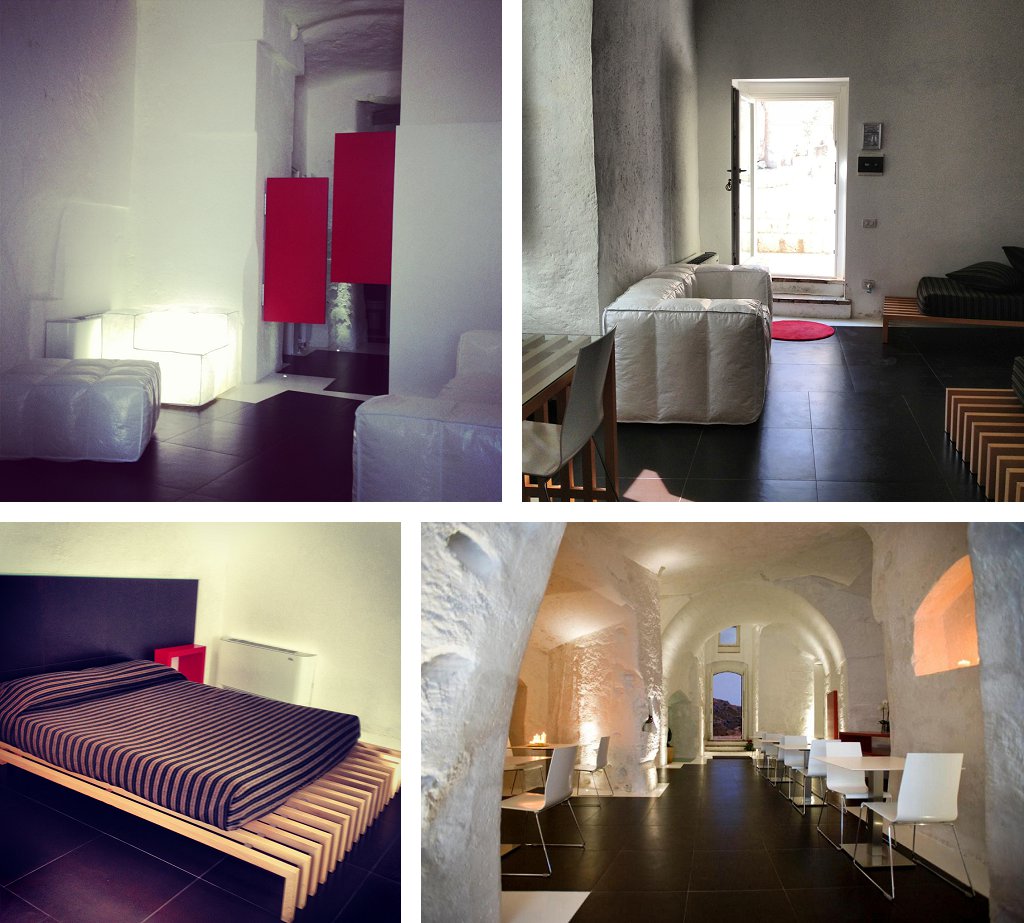
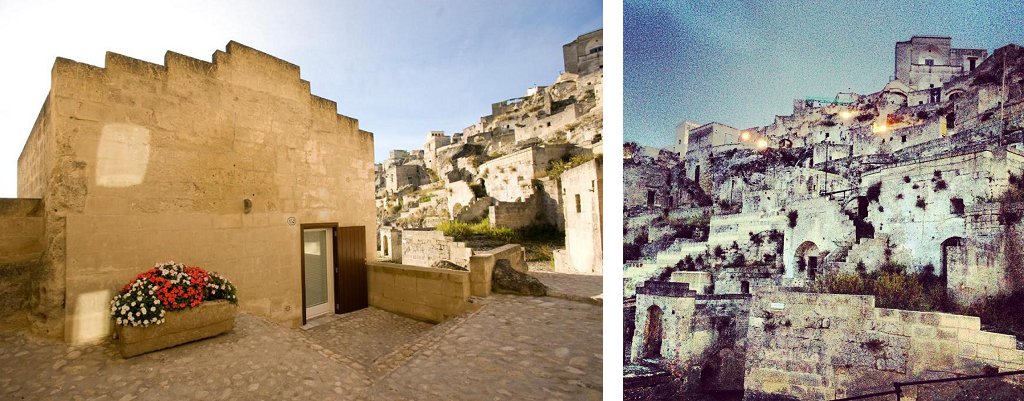
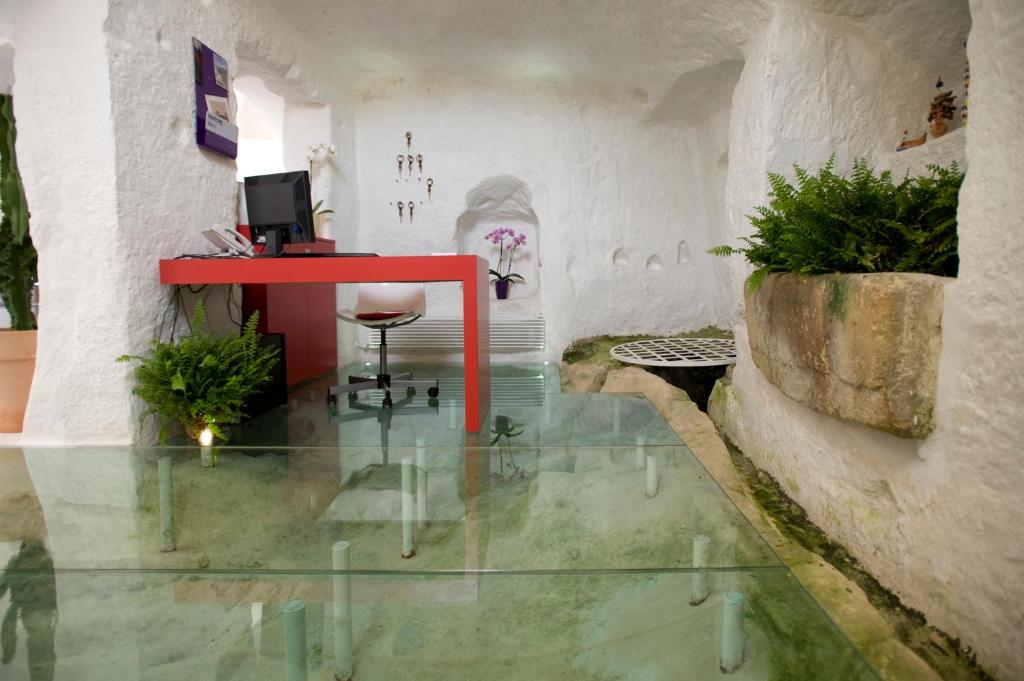
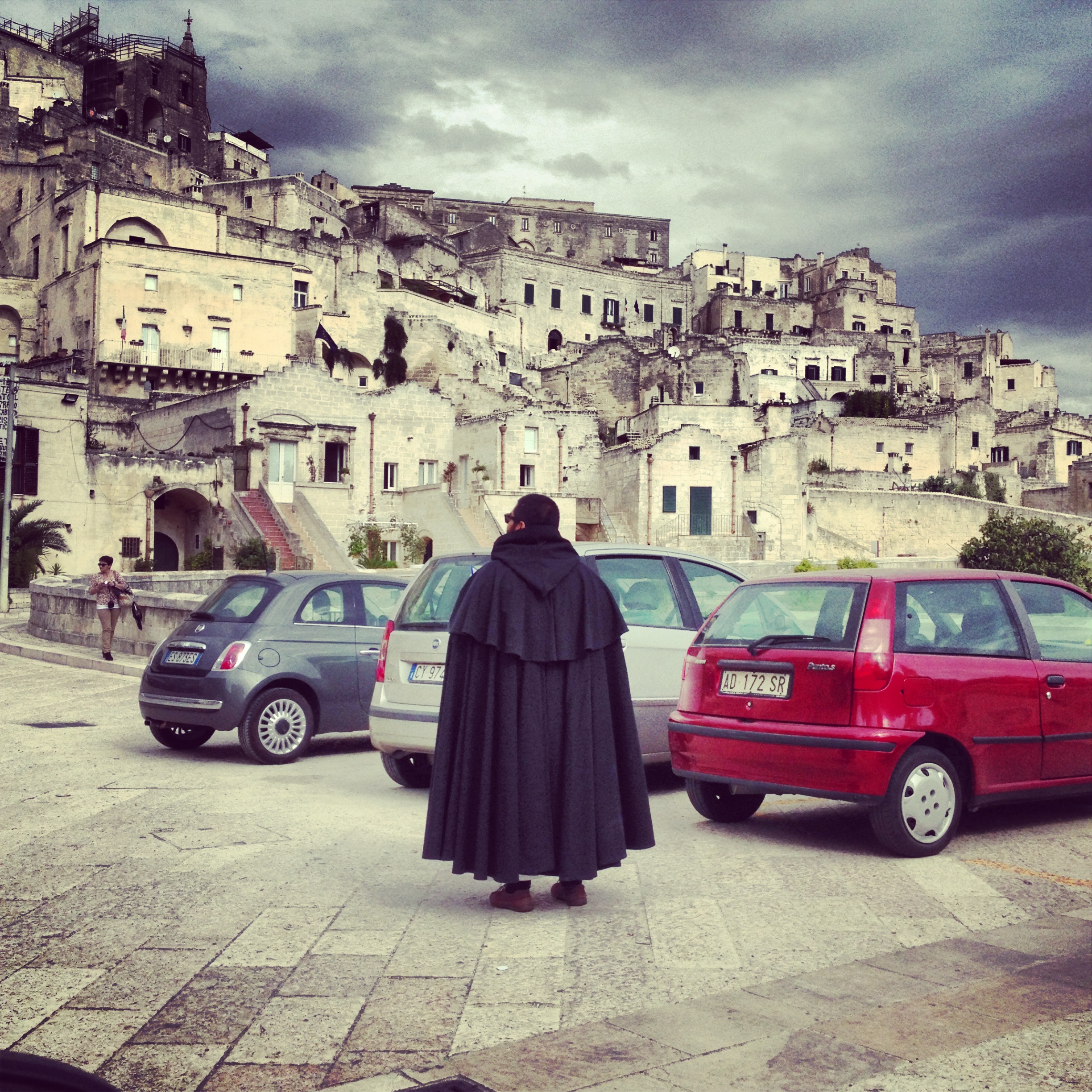
To say that this hotel blew away is an understatement. It was a visual feast, where absolutely everything was on point. The history of the “caves” was there to see, all around the hotel – with features highlighted, like the floor above. Who knew that nearly a decade later, we’d have our very own glass floor? The minimalist design was just perfect – there were no fripperies or unnecessary bits and pieces or things that were there, for no reason. And, as if the hotel wasn’t jaw-dropping enough, Matera itself was beyond our wildest dreams…
by Helen | Nov 6, 2013 | Italy, Travel
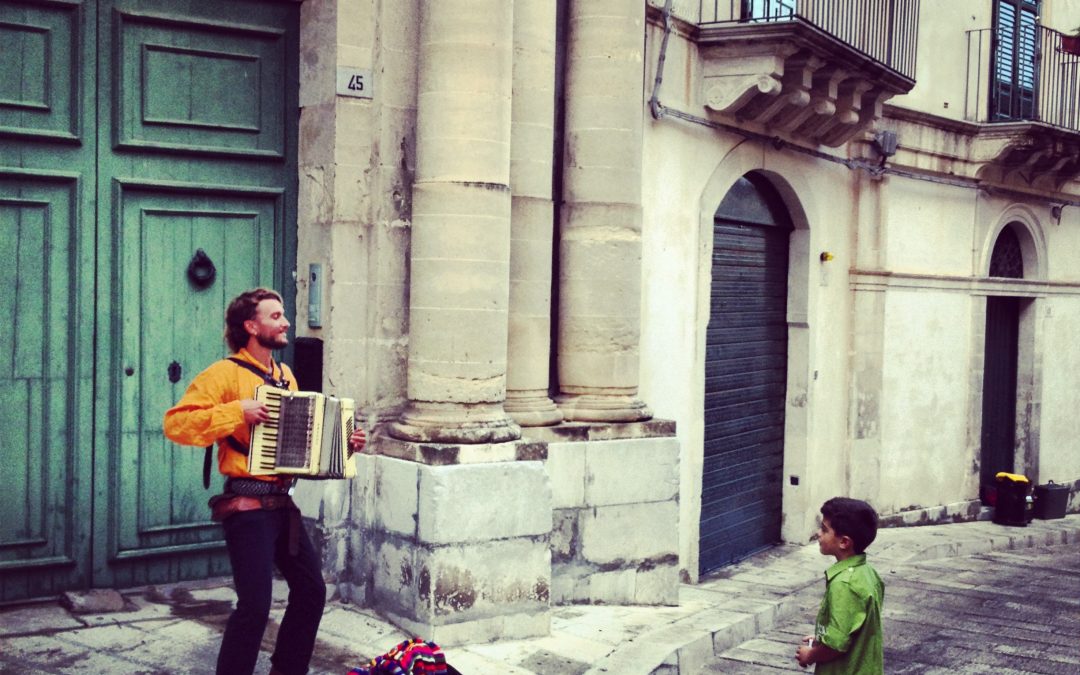
We hit lucky when we were staying in Ortigia, Siciliy – a friend tipped us off about a Buskers’ Festival which was happening in the inland town of Ragusa, and so with very little knowledge about it, other than it was happening, we hit the road. The journey over to Ragusa from Ortigia was stunning – mountainous and winding. And long. We eventually arrived at the town of Ragusa but could see no evidence of anything that resembled a festival. It was deserted – but eventually it clicked. We were in the new part of town and we needed the old part – Ragusa Ibla, and there it was, on the top of the hill…

As is often the case in Italy, things don’t get moving until late afternoon/early evening – and the Buskers’ Festival was no exception. Slowly but surely, the narrow, steep roads started to fill up with entertainers pulling trucks and trolleys full of amazing equipment. Musicians started to pop up on street corners. Magicians performed tricks to growing crowds. Trapeze artists were limbering up. Fire-eaters were starting to warm up. A general feeling of something-about-to-happen was building up…
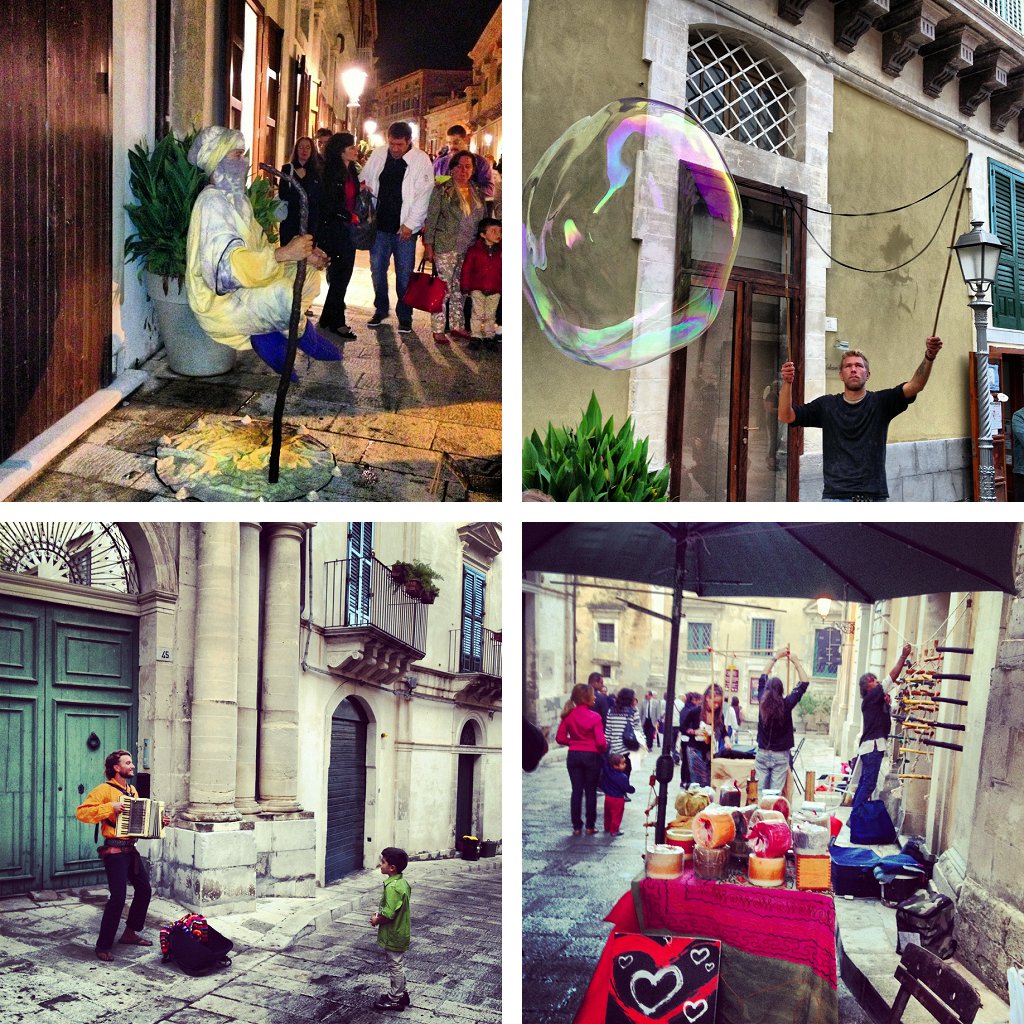
The old town of Ragusa Ibla, a place we’d never heard of and so had absolutely no intention of visiting, is magical. Cobbled streets wind their way up to the baroque Duomo San Giorgio, which towers over the town, and is recognisable as being featured in the opening credits of Inspector Montalbano. The Catholic Cathedral – Duomo di Ragusa, Cattedrale di San Giovanni Battista – is as impressive, and because we were there in the evening and into the night, it was magical.

The Buskers’ Festival is annual event, which takes place in October, with entertainment filling the streets of the old town.
Ragusa Ibla is a beautiful town (Ragusa is the newer town) and well worth a visit. If you’re staying south of Catania on the east coast, it’s doable in a day. But to do it justice, or if you’re travelling over from Palermo or the west coast, or down from Taormina, it would be advisable to stay over as it will be quite a long trip to get there. Easily accessible from Ragusa, is the beautiful baroque town of Noto – with one of the most amazing cemeteries we’ve ever seen. Worth a visit in itself..
by Helen | Oct 30, 2013 | Greece, Travel
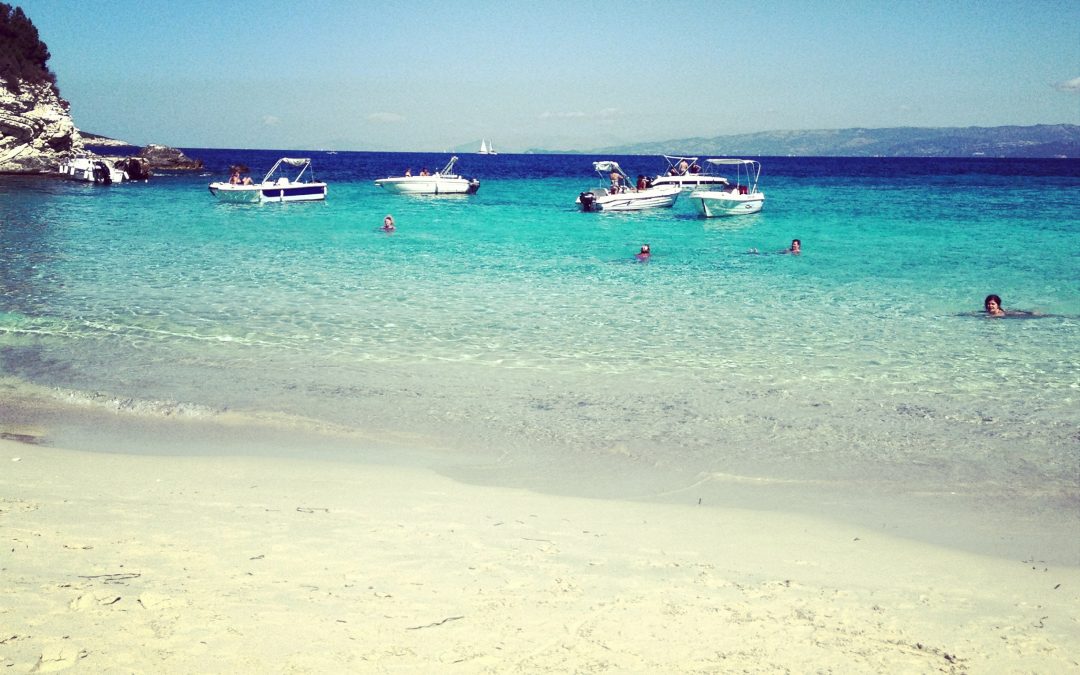
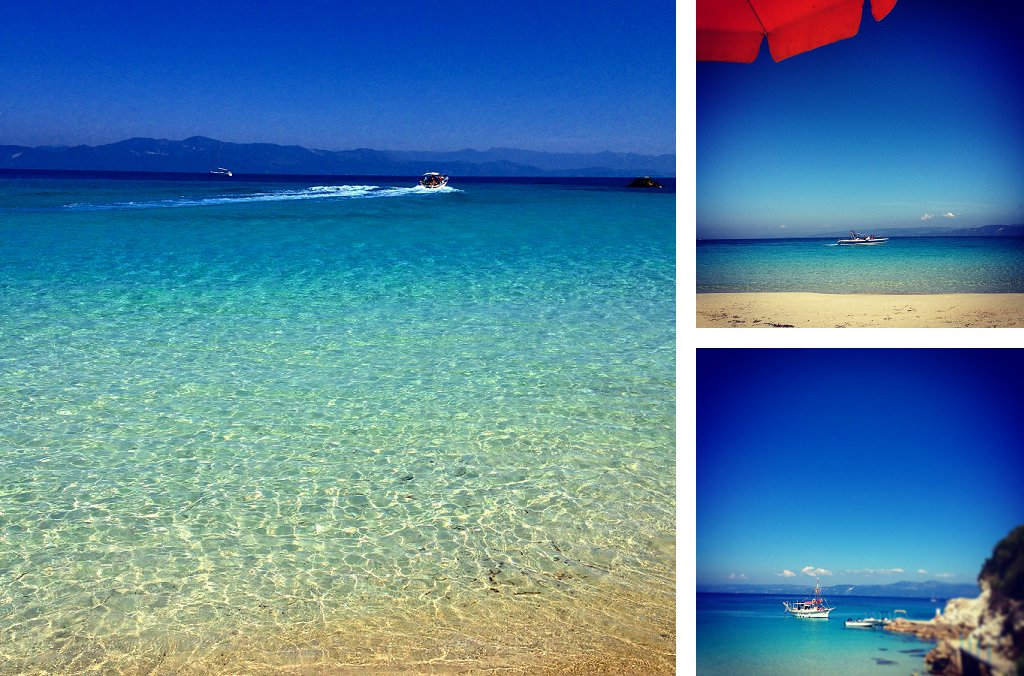
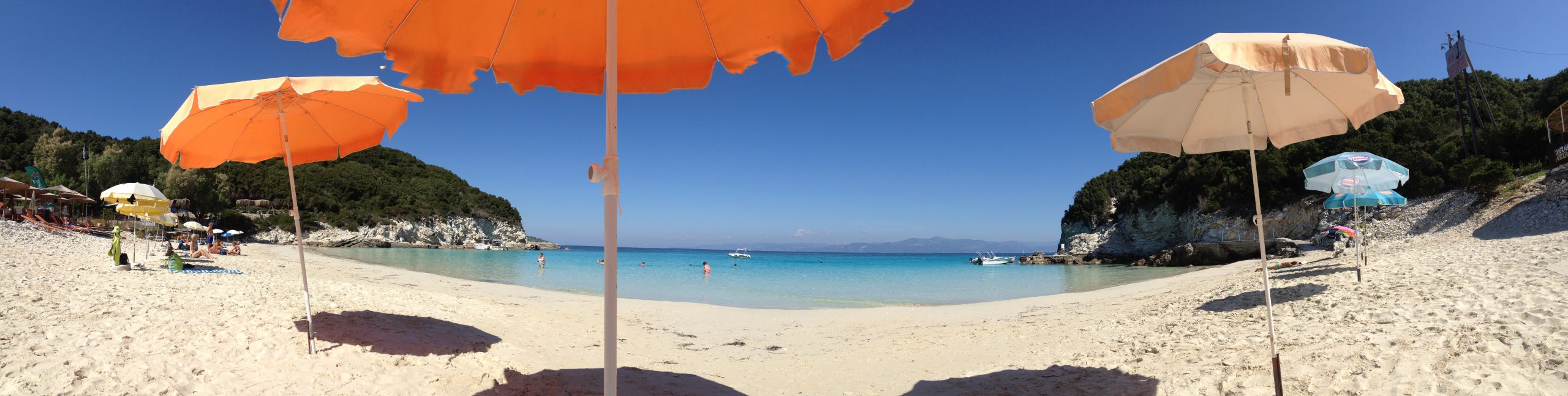
Anti-Paxos is a tiny island, about 2 miles to the south of Paxos, in the Ionian Sea. It is reached by a speedboat service from Gaios on Paxos – but don’t miss the last one back at 5.30pm as you’ll be stranded. The two or three beach tavernas close when the last boat has left and there is very little way in the way of accommodation. Although we did find an abandoned car, high up in the hills, and Vrika beach is very sandy, so there are two options should you miss the last boat!
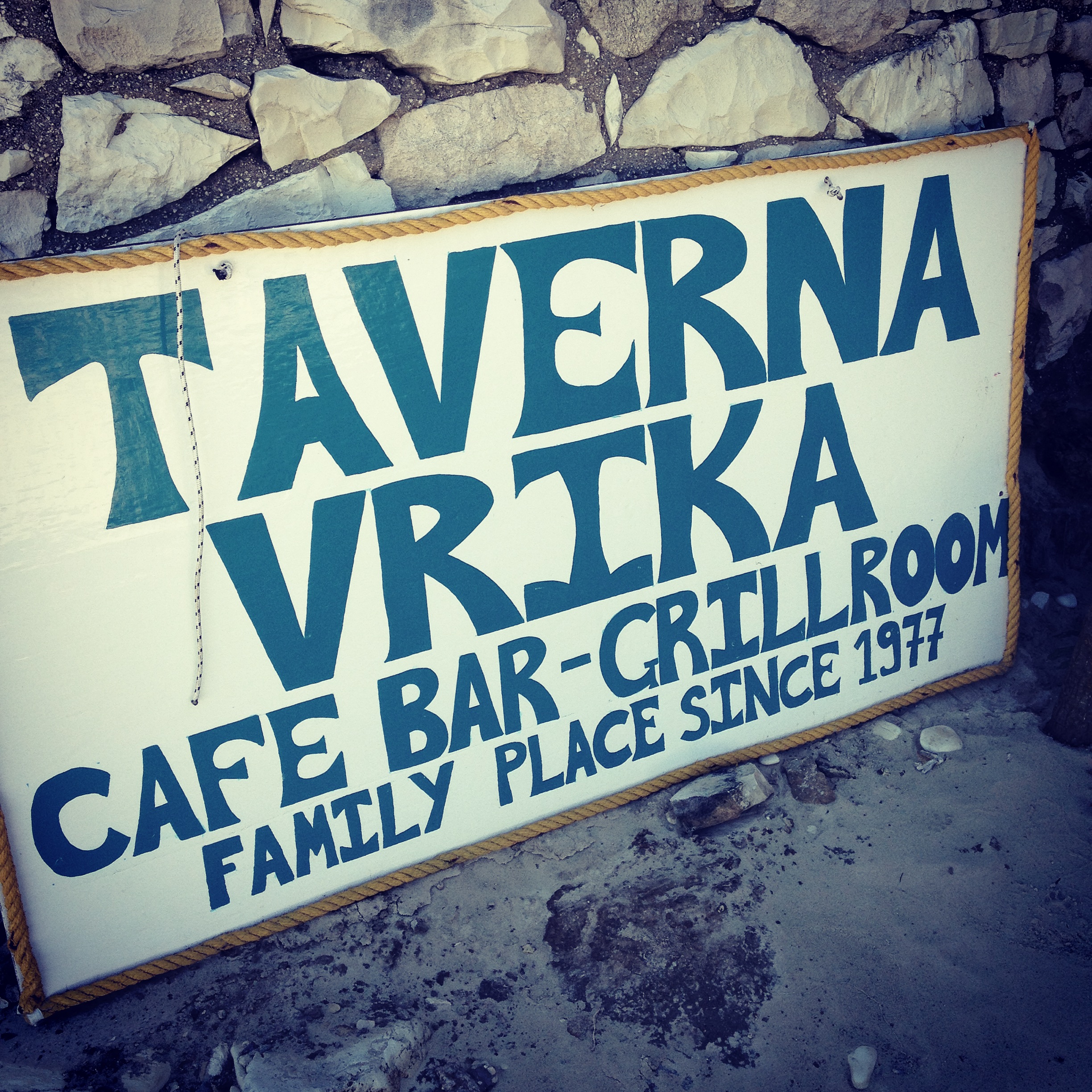
Taverna Vrika Beach is amazing. There are two tavernas – as you get off the speedboat and face the beach, our favourite is the one to your left, furthest away from the boat drop off point. It’s family run – the same people who served us seven years ago are still there – and the food they serve is to absolutely die for. If you eat or drink at the taverna, you can use the sunbeds free of charge – unlike a lot of other beaches we’ve encountered (certainly in Italy, where it’s all very regimented), this is all done on a trust basis. I’d imagine even if you didn’t eat, but still used one of their sun loungers, they wouldn’t mind. They’d probably even bring you a drink.* Factor in the location and you have perfection…
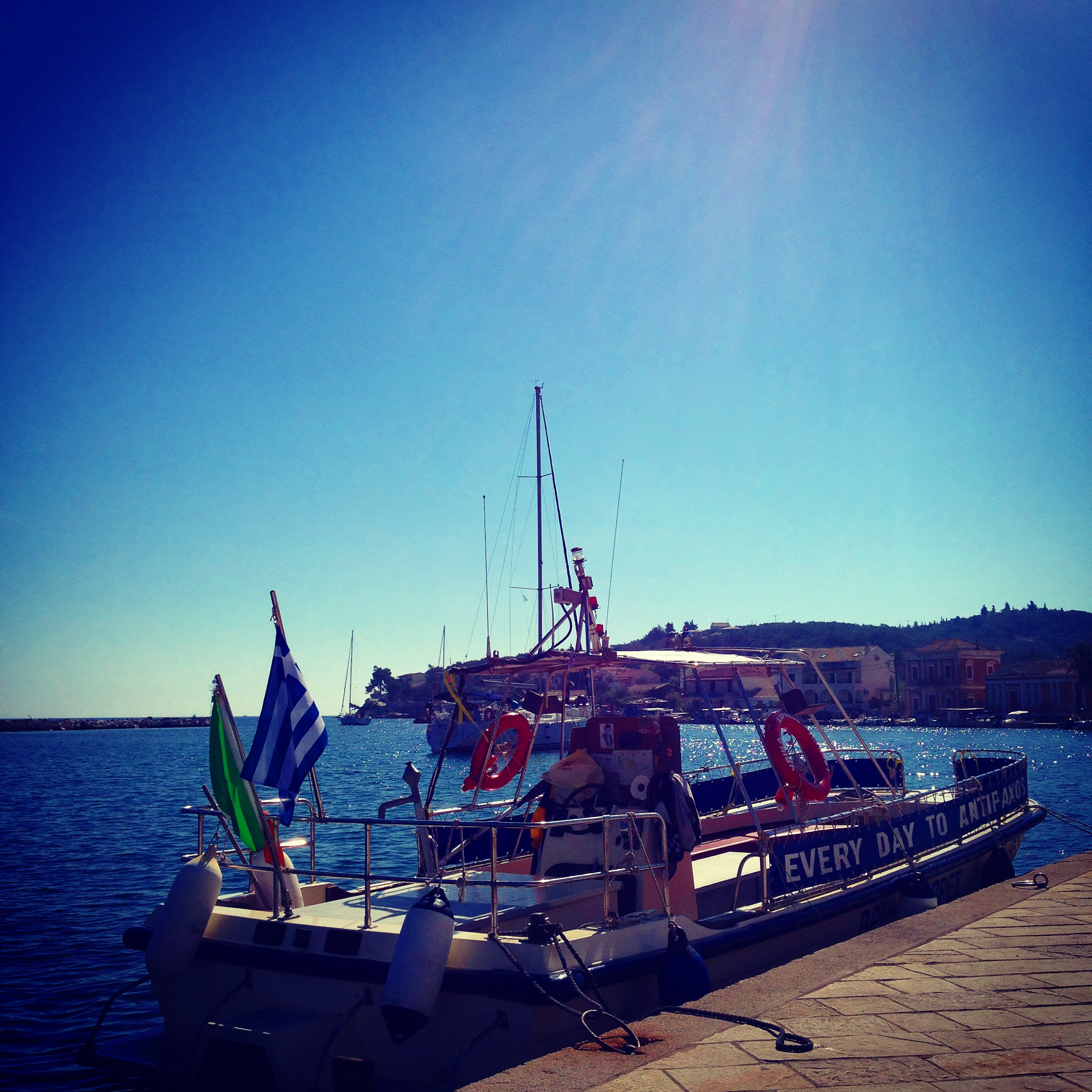
Boats leave from Gaois Harbour to Anti Paxos every couple of hours during the summer – they are small boats (no more than 20 passengers). Best to get there early for the first boat and spend all day on Anti-Paxos. It’s about 6 euro return -and you can’t miss the boat to get back as the beach is so small you see it coming in.
It really is the most idyllic tiny island. Even in the height of summer, the beach is not crowded, simply because everyone has to literally arrive by boat – and the boats can only carry so many people. So, you will always get a spot on the beach or a table at one of the tavernas. That is, if you can bear to get out of the sea…
*True story – on our last visit in 2006, we ate at Taverna Vrika & had a gorgeous meal. Upon asking for the bill, I was horrified to realise I had left our money in another bag back in our apartment on Paxos and we had the sum total of about 4 euros in small change. After much panicked & hushed conversation – and imagining that we’d be well washing up – we explained our situation. To our amazement, the waitress said “no problem, pay next time you come” & brought us a huge plate of melon, absolutely free of charge. We were so taken aback and touched by the trust & generosity that we got the first boat back the next morning to pay the bill. We’ve never forgotten that and it just perfectly sums up Anti-Paxos, Paxos & Greece…
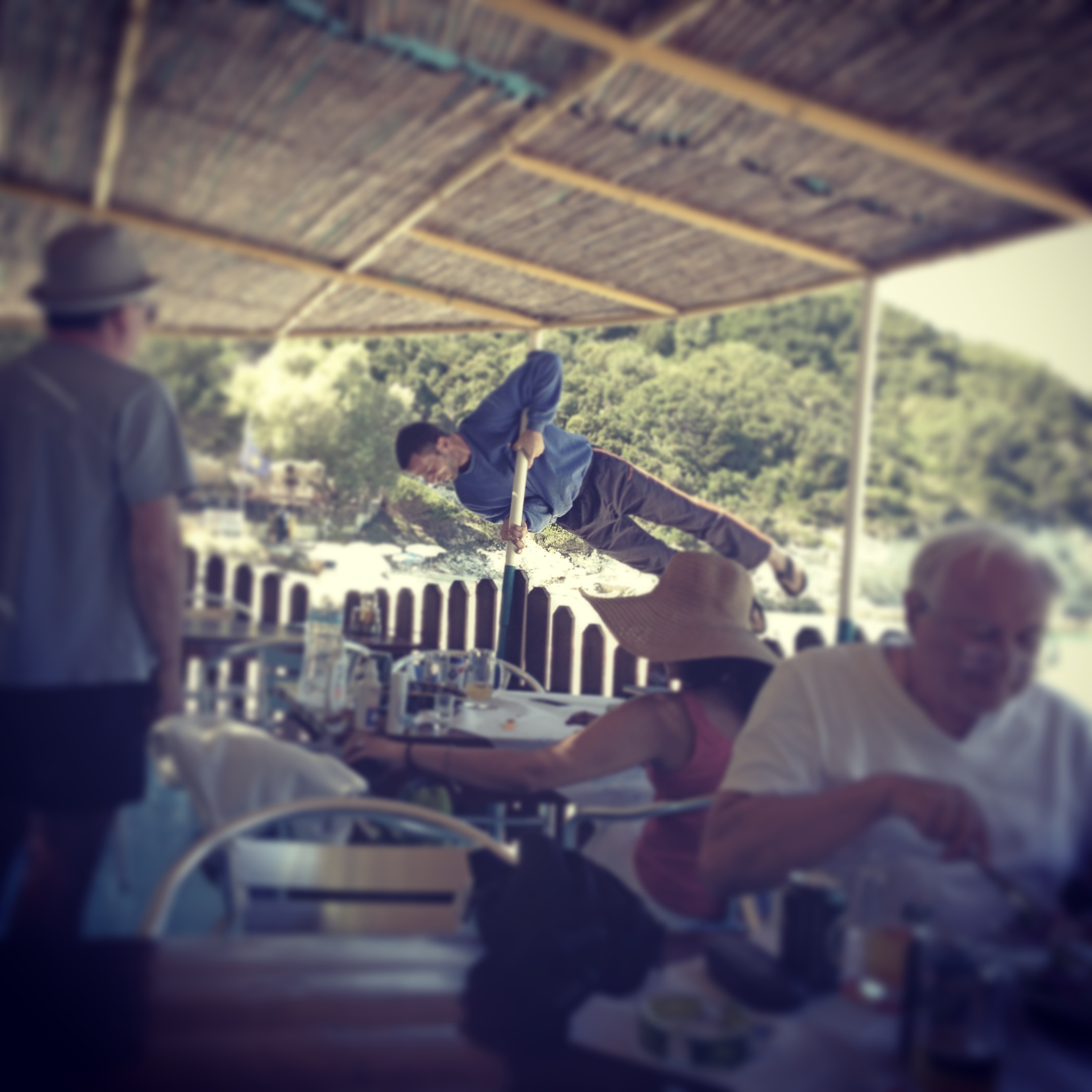
And, we’ve never forgortten this guy. Goodness knows how many times he’s done this trick…