by Helen | Oct 17, 2022 | Renovation
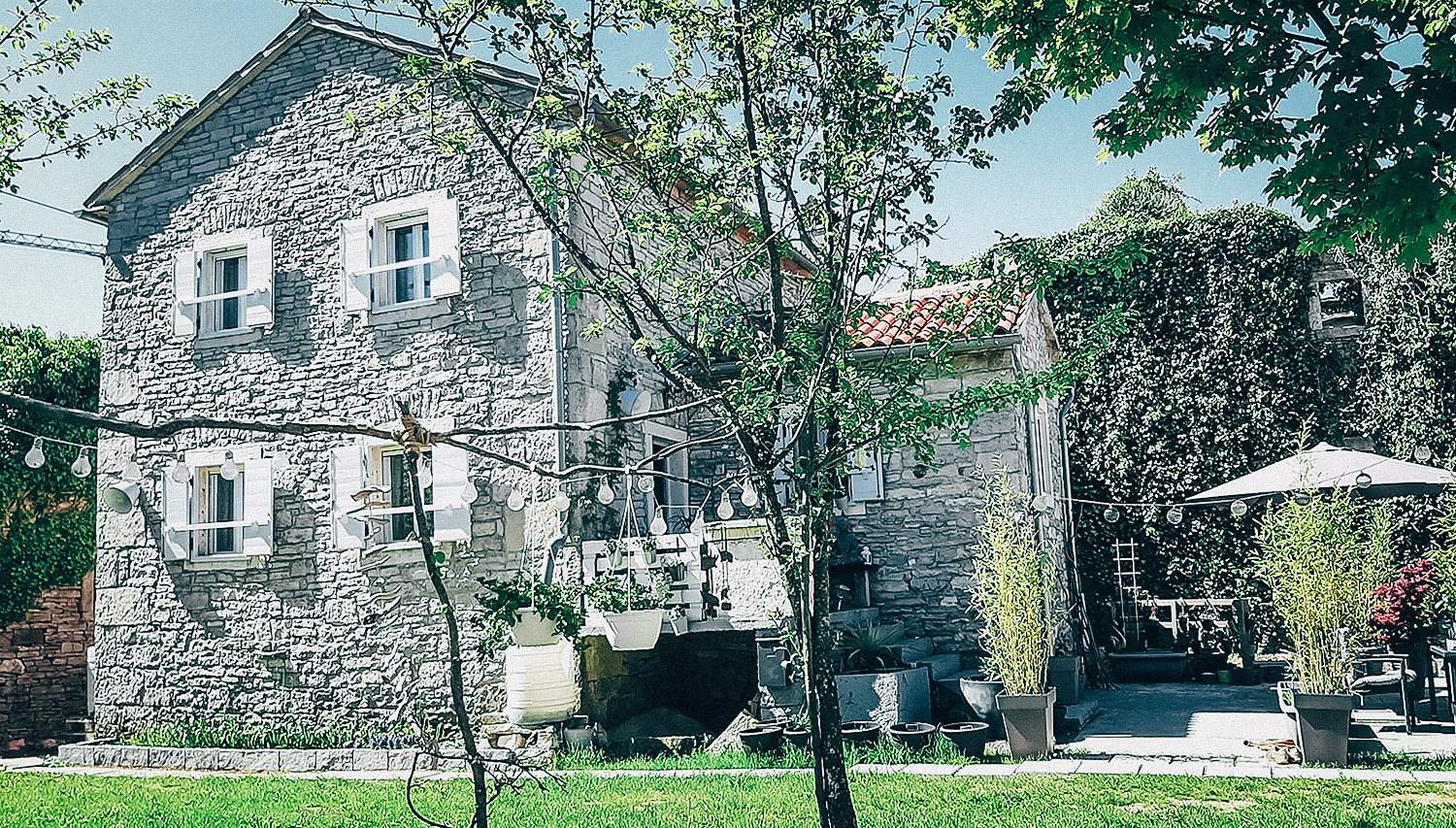
Sunday 16th October 2016 saw us meeting up with the couple who we were buying our Istrian home from, and staying over in the house. With hindsight, all a bit bizarre. But then, not much about this adventure has been normal, so I guess we started off as we were meant to go on. It was a bright early autumn day, still warm us for us to initially meet up for lunch in Novigrad, and sit outside the restaurant, eating fresh fish, overlooking the Adriatic. It was also the day of the Chestnut Festival in Oprtalj – our hosts took us there, but to our amazement, this medieval hilltop town, which we are now so familiar with, was so packed we literally could not get a parking space. So, we headed off to the house.
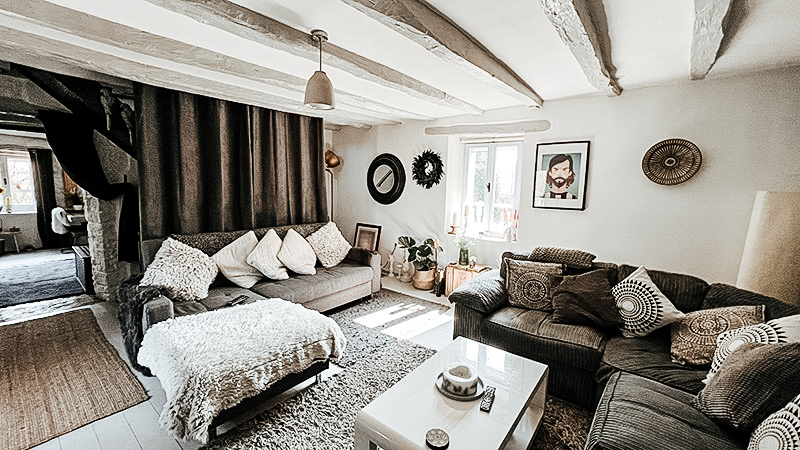
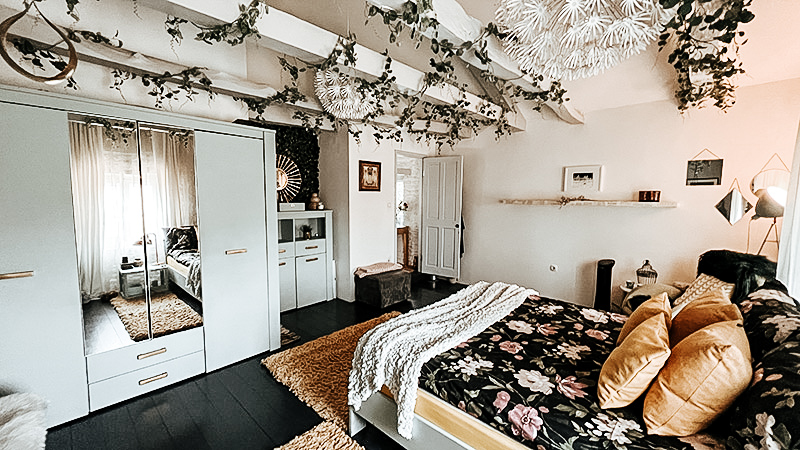
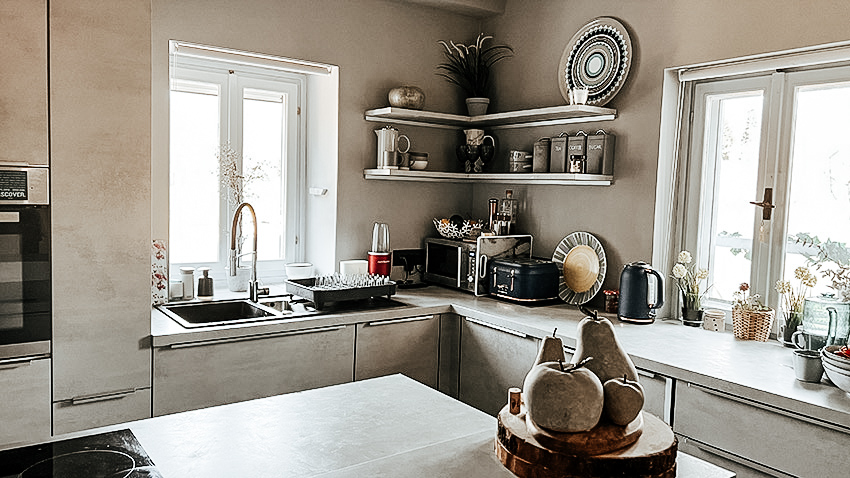
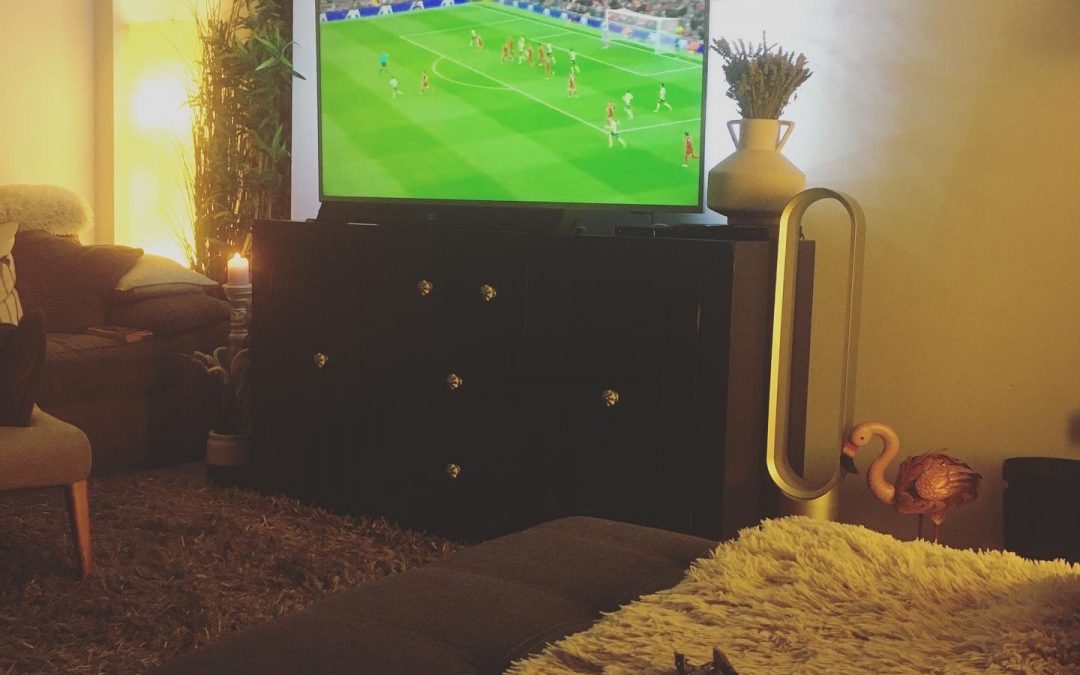
Yesterday, six years later, the weather was exactly the same. And the Chestnut Festival was happening again, in Oprtalj. This time though, we didn’t even bother setting off for the festival as we knew how busy it would be, and unlike six years ago, our living room was just too far too comfy to even contemplate leaving. And, for avoidance of doubt, the “Before” is on the left…
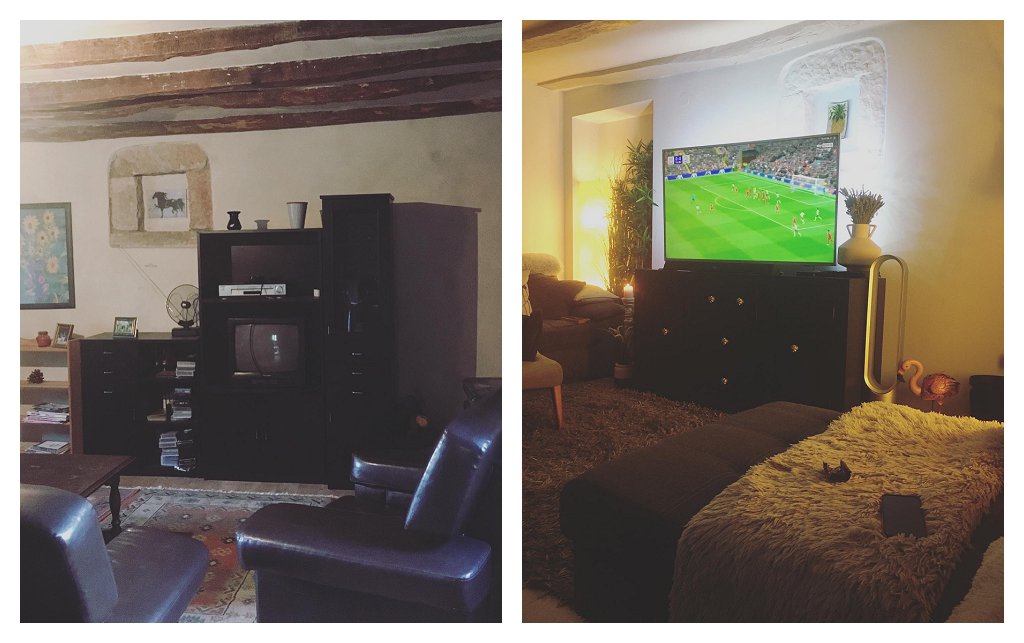 Remembering that I took a lot of photos of the house on 16th October, I’ve spent part of today re-photographing the exact shots. I have thousands of photos of the house, but thought it might be quite nice to see the actual shots, juxtaposed against the “now” photos. Especially as there’s every chance we’re about to embark on the next round of renovation. So, the full Then & Now coming up soon…

by Helen | Oct 3, 2022 | Lifestyle
We’re not short of places to buy food here. Istria is stuffed to the gills with supermarkets – Lidl, Spar. Kaufland, Konzum, Studenac, Eurospin, Tomy, Plodine, Butiga Ultra. They come in all shapes and sizes from the small convenience store (think Tesco Express) to the super-sized, massive stores. Just across the border into Slovenia, we can easy get to Hoffer (Aldi), Tuš, Mercator, Lidl and Spar. And the just a teeny bit further on, in Trieste we have another massive variety – Spar (from small to super-sized), Conad, Coop, Eurospar and Famila. Plus, we can also order online from Valfresco, and get home delivery. So, we’re definitely not short on options and so far, living in Istria for the past five plus years, we’ve never felt that we’ve been missing out on shopping opportunities.
Until I discovered British Corner Shop, online.

According to the website, British Corner shop is “…the online grocery store for British expats around the world. Whether you miss Marmite or crave Warburtons crumpets, we can deliver your British favourites straight to your door. Our website stocks over 6,000 products from Britain’s most loved brands, meaning you can enjoy the British food you miss, wherever you are in the world.”
But, when I discovered them, deliveries to Croatia had been suspended. Post- Brexit (🤬), they relocated their distribution centre to the Netherlands, and certain countries were not included in the initial wave of delivery options. This was so disappointing, especially as I had been on the website and saw that, as well as many familiar brands being available for purchase and delivery, they were also partnered with Waitrose and M&S! Just the sight of some of the goodies made me drool – and despite the many supermarkets at our disposal, I just had to get on their mailing list so that I’d be notified when Croatia was back on the list. And, this summer it happened. Deliveries to Croatia were back on, and even though Waitrose were no longer official partners, it made no difference. M&S still were and they had CRUMPETS in stock! And pikelets. And our favourite M&S crisps, including the salt and vinegar ones that make you suck your cheeks in. Plus, a whole section of branded groceries that you’d get any day of the week from a UK supermarket, but aren’t available here. And all of a sudden, I realised there were MANY things which I’d missed – Cheddars, sage & onion stuffing mix, mushy peas, Cadbury’s chocolate, to name but a few.
I know. I know. All things we could definitely do without. But, when you’ve not had them for a while, they become irresistible – and so the first order was placed. I have to admit, it’s not cheap. Some of the products are way overpriced, but I guess that’s the name of the game. You want it. They have it. So you have to pay them, as there’s no other way you’ll get it, as easily. Looking back, the first order was ridiculous but I justified it to myself. The delivery charge for quite a small parcel (about 2kg) is quite expensive – but the delivery price remains the same up to 30kg, so I convinced myself I was actually making a saving, the more I put into my online basket. Anyway, the order was placed and the service was really quite amazing. The order could be tracked easily and British Corner Shop communicated regularly – often with additional discount codes & offers. Yes, once again, I know...
Five days after placing the order, a big box was delivered by courier and my shop had arrived!
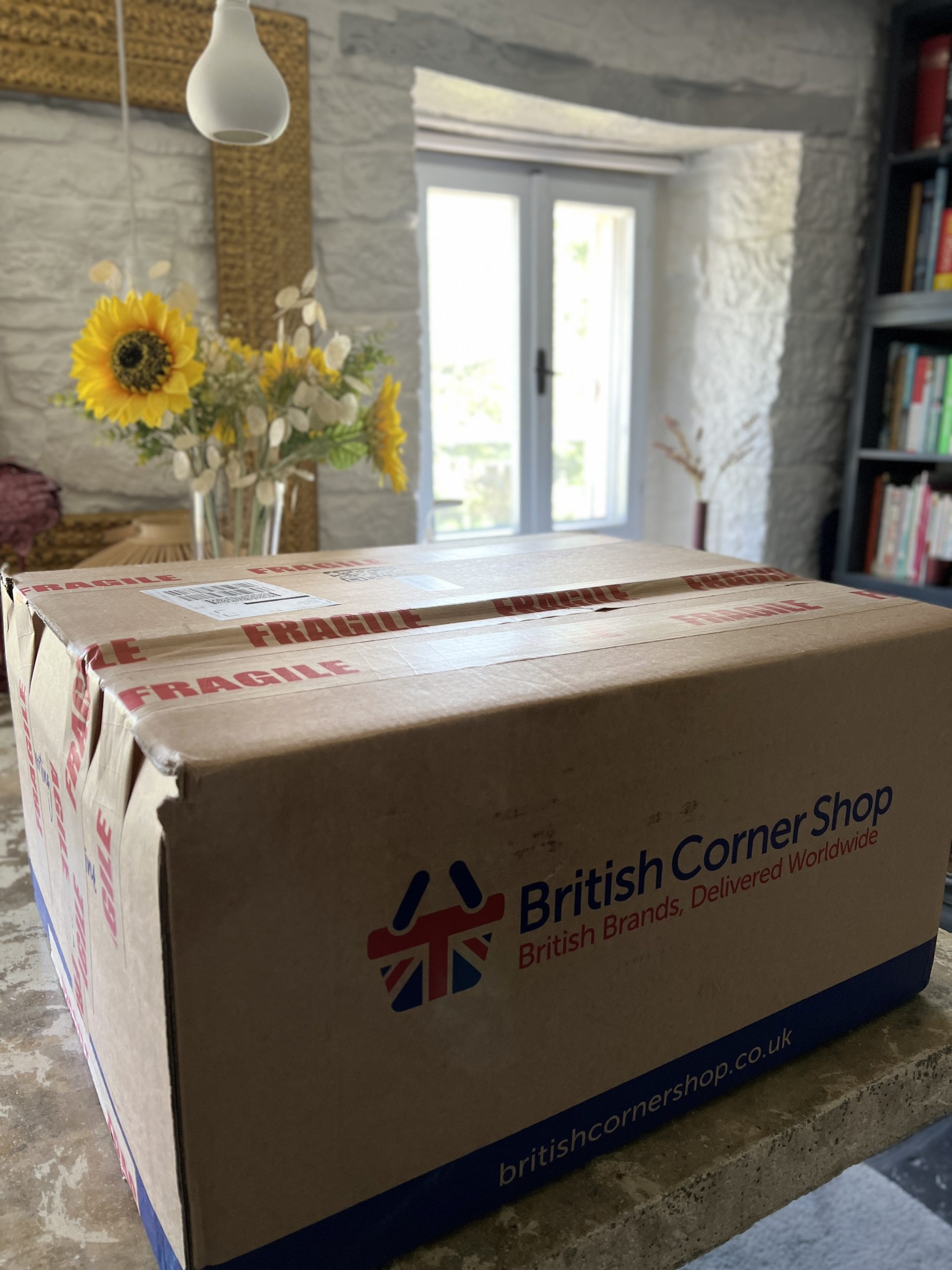
Everything that I’d ordered was included – no replacements or substitutes – and everything arrived as it should have done. Anything which could break or be squashed or smashed was extra securely packed. A couple of personalised postcards were also included – a nice little touch. But best of all, was the excitement of receiving goodies which we’d not had for a long time…
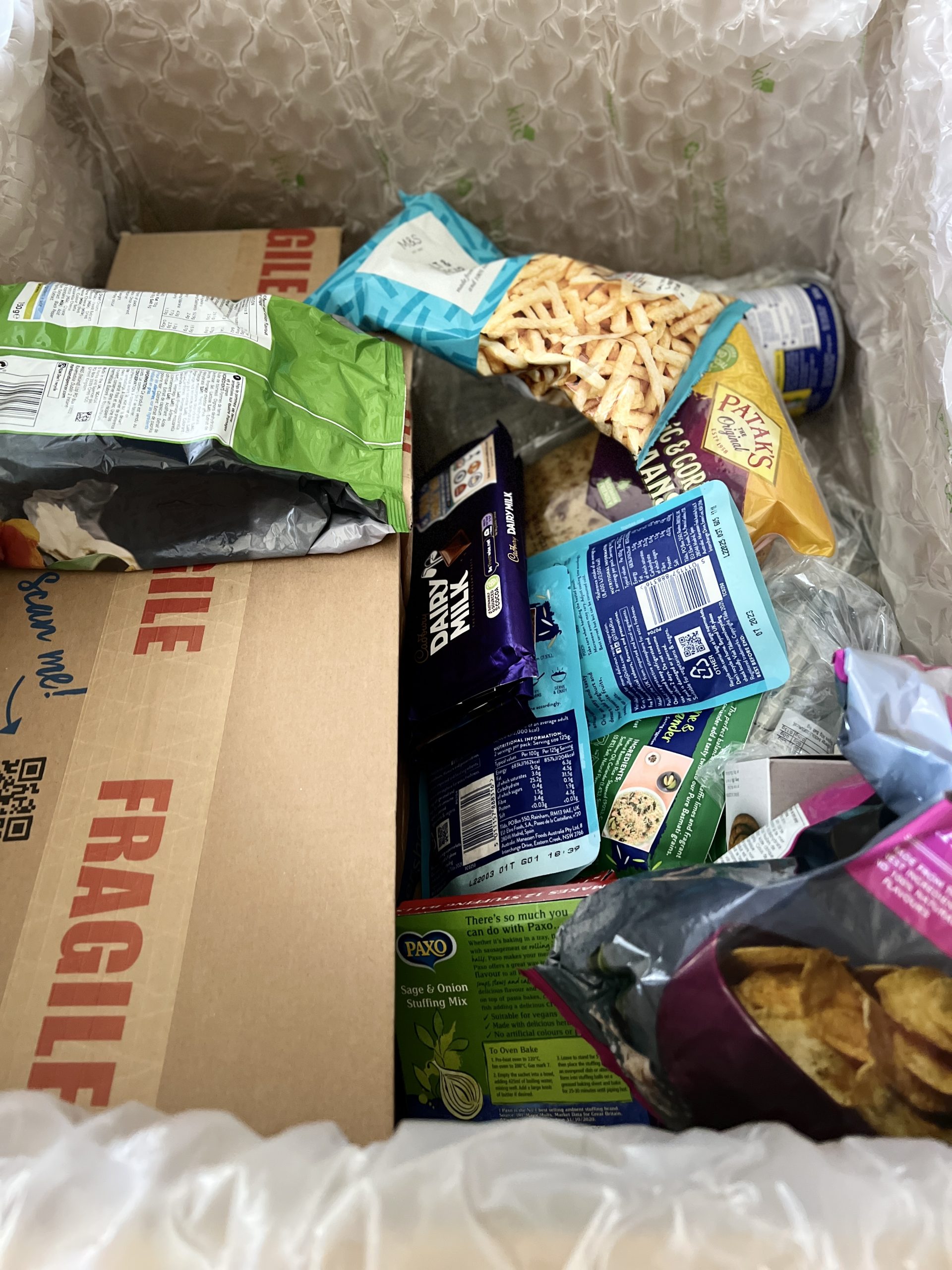
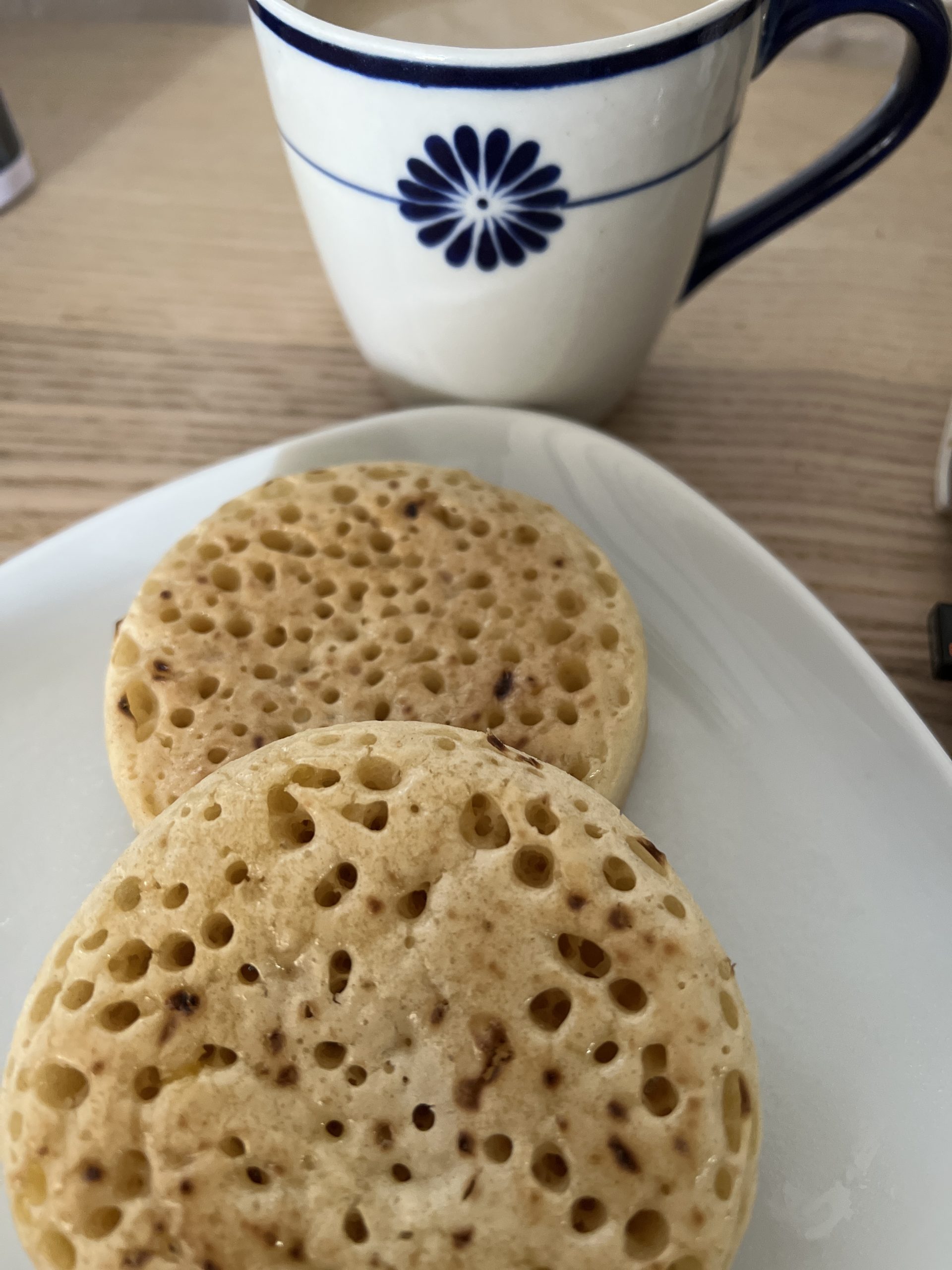
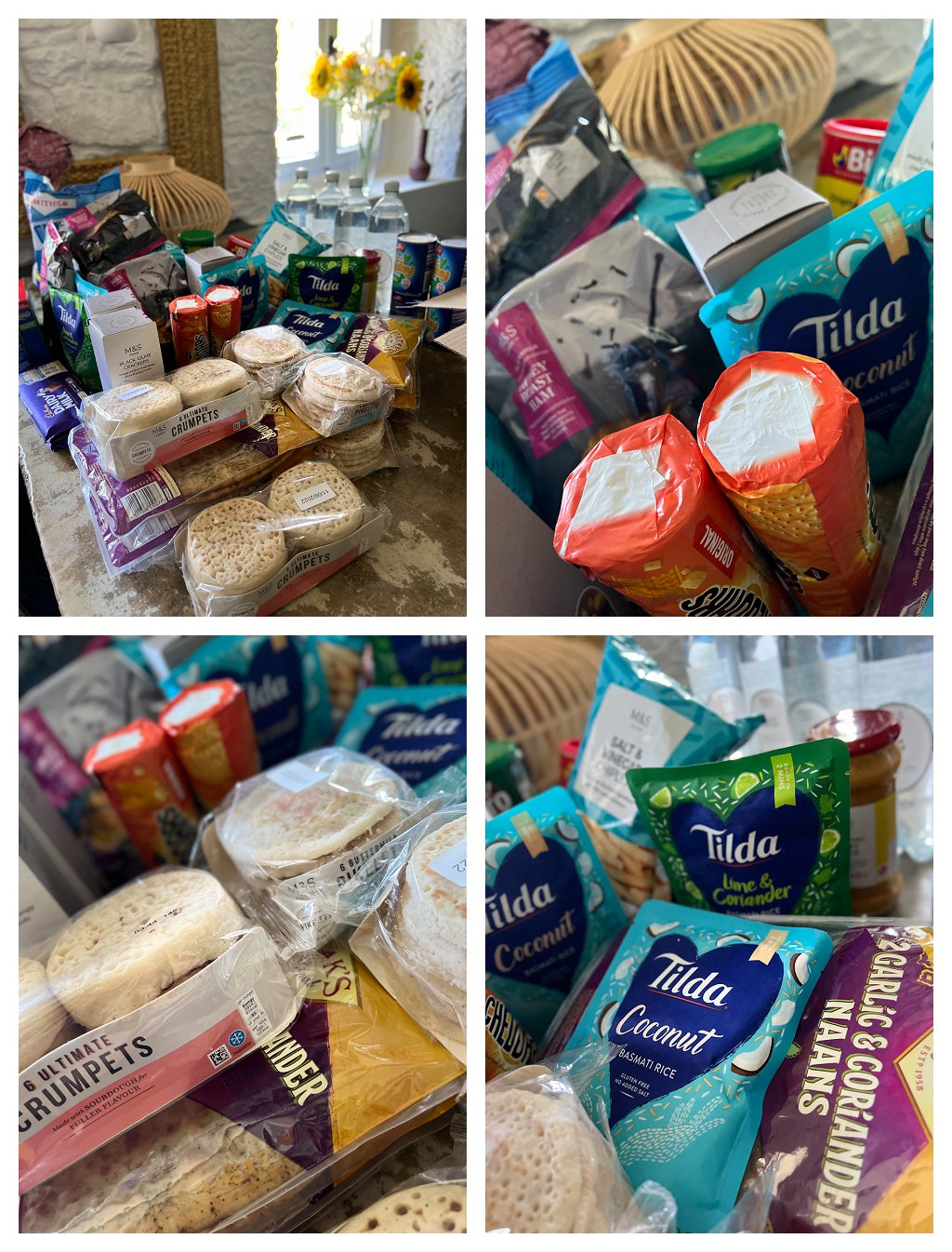 We have ordered subsequently from British Corner Shop and the service has been equally as good. No problems with the online shopping, good communication, no issues with delivery and everything delivered that was ordered. I’ve got over the initial excitement of being able to choose whatever I fancy, and now just top up with essentials (or treats!), so think that I’m using this service a bit more effectively. Although having said that, the Christmas products have just been uploaded and I don’t know how I’ll resist a bit of a festive splurge. In the meantime however, I’m happy enough that I can get a regular crumpet and pikelet fix. Nothing better for breakfast, with a cup of Early Grey tea…

by Helen | Oct 3, 2022 | Lifestyle
As summer has passed, so too have overly summery dinners. Gone are the cool, green salads and light dishes and in come the more hearty recipes. Eating outdoors isn’t really an option any longer – although we still have sunshine, there’s a chill in the air and it all seems far too much faff to bring rugs and throws out, and light the fire-pit and then haul everything to do with dinner outside. It’s no bother in the summer, but as the nights start to draw in, cooking in the kitchen and eating in the warmth of the Well Room or the living room is just so much more appealing. So, we’re finding that our meals are slowly becoming more on the spicy, punchy side, as we prepare for the onset of colder weather – and this weekend, one of our favourite tried and tested Jamie Oliver soups was on the menu. Spicy Squash Laska Soup.
This soup – or to be more precise, broth, as it’s rich and thick – is packed full of Malaysian flavours, and is much more of a substantial meal than a bowl of soup. There are a lot of ingredients and it takes a bit of preparation, but once everything is bubbling away, it’s well worth it. And, the kitchen smells amazing as all of the spices do their work.
what you’ll need
- 1 litre of stock (we used veggie stock cubes)
- Handful of lime leaves
- 3 fresh red chillies, de-seeded (or a big spoonful of dried chilli flakes)
- 2 cloves garlic, peeled
- 1 large thumb-sized piece fresh ginger, peeled
- 3 sticks lemongrass, trimmed and squashed with the back of a knife
- sea salt
- freshly ground black pepper
- 1 small bunch fresh coriander
- olive oil
- 1 heaped teaspoon five-spice (we didn’t have five spice, so used garam masala as a substitute)
- 1 teaspoon ground cumin
- 1 onion, peeled and finely sliced
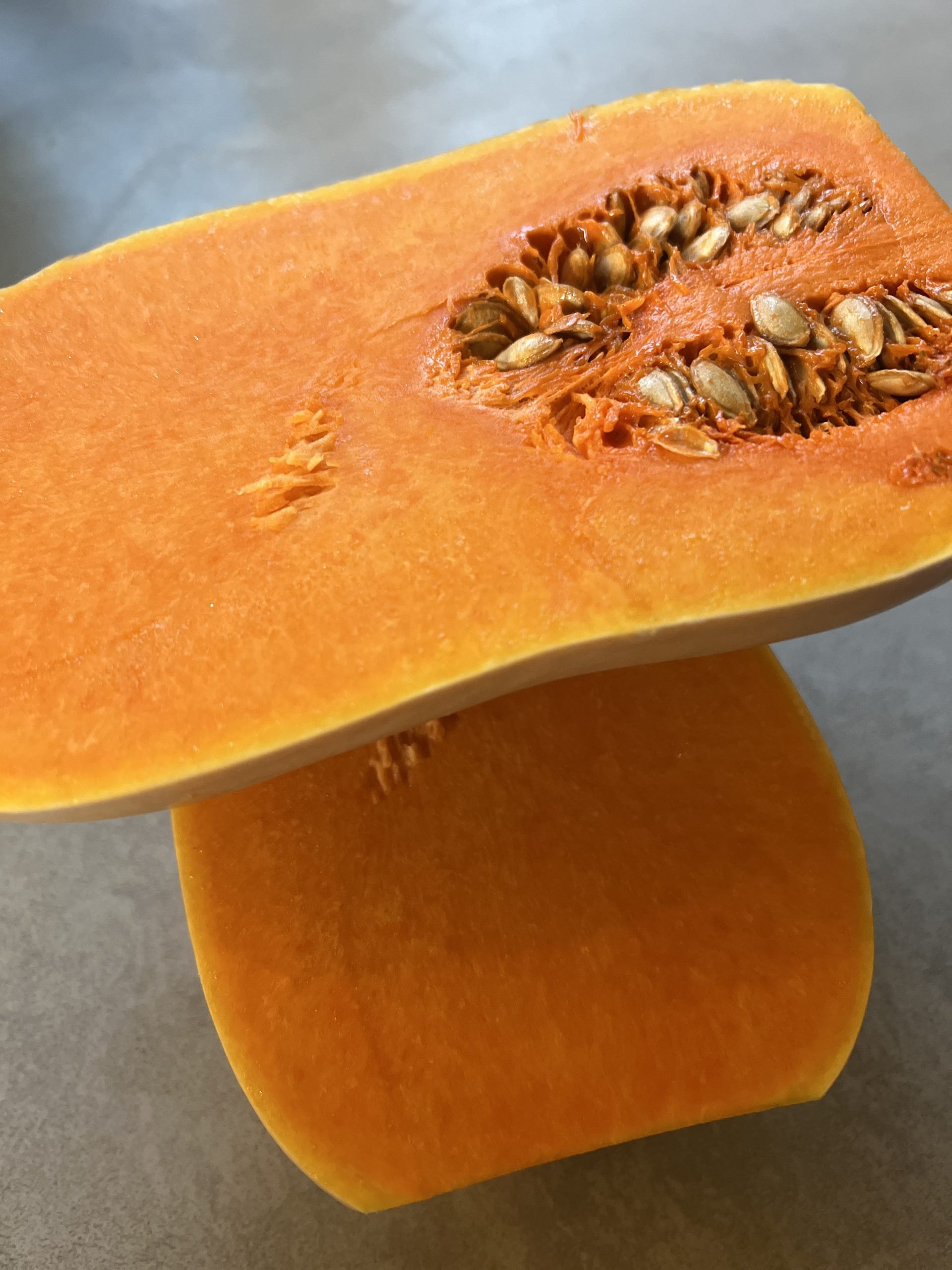
- 1 large butternut squash (or pumpkin), halved, peeled, de-seeded and cut into 1 inch chunks
- 200g basmati rice
- 2 x 400ml tinned light coconut milk
- Fresh lime juice (we used 2 limes)

what you’ll need to do
- To make the fragrant soup base, add the lime leaves, chillies, garlic, ginger, lemongrass and a pinch of salt to a pestle & mortar. Chop the top few leaves off your bunch of coriander and leave to one side, then add the rest to the mortar and grind the ingredients, until all of the “bits” have gone. Add a few good splashes of olive oil, the five-spice and ground cumin.
- Heat olive oil in a pan and then the tip this mixture straight in – fry and stir for a couple of minutes so the aromas are released. Add your sliced onion, then cook gently for 8 to 10 minutes.
- Add the squash to the pan and stir well, then pour in the stock. Bring to the boil, then reduce the heat and simmer for 20 to 25 minutes until the squash is lovely and soft. At this point, add the rice and give it a really good stir. If it looks a bit dry, you can add a splash of water here. Continue to simmer for about 8 minutes until the rice is almost cooked, then add the coconut milk and bring back to the boil. Simmer for a couple of minutes until hot through and thickened a little.
- Take the pan off the heat, give it a good stir, then taste and season carefully with salt and pepper. Add the lime juice – the amount you need will depend on how juicy your limes are, so keep tasting it as you go. Scatter with more sliced fresh chilli and your reserved coriander leaves before serving.
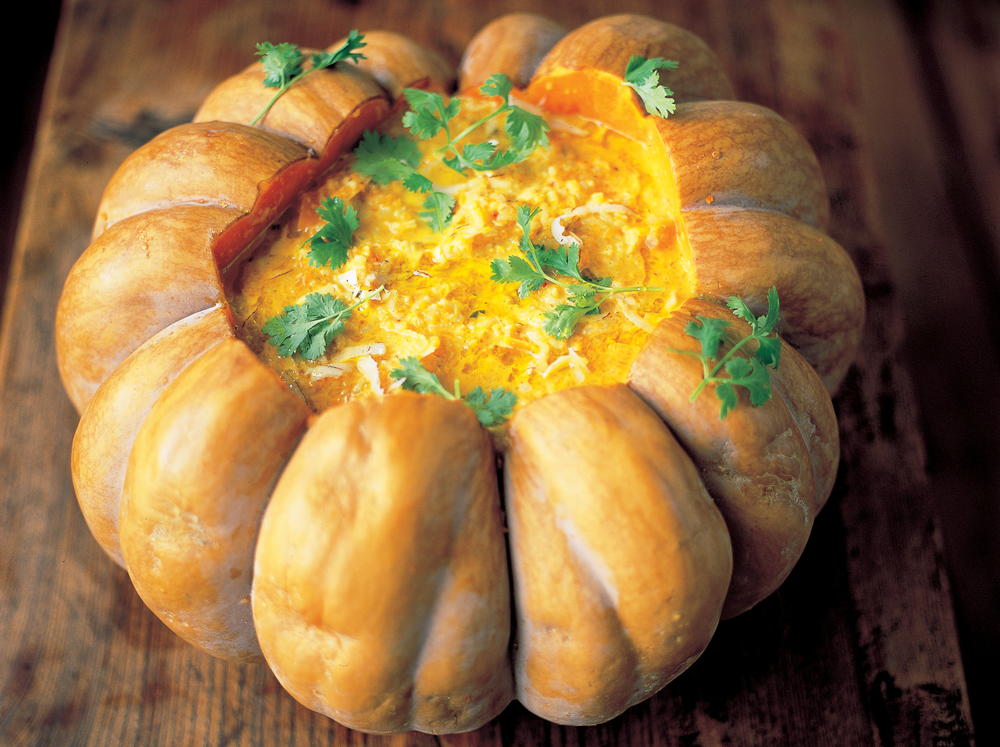
The original Jamie Oliver recipe shows the soup served in the hollowed out pumpkin/squash. This definitely looks a whole lot more elaborate and striking than serving out of the pan into bowls, but to be honest, we just wanted to get the soup down us, rather than prettify it. Perhaps if we were serving it for friends over for dinner, then this might be a great thing to do, but for a Saturday night dinner for two, it just seemed a step too far. Anyway, this is what Jamie’s looked like. Ours, tasty as it was, looked nothing like this…
by Helen | Oct 1, 2022 | Italy, Travel
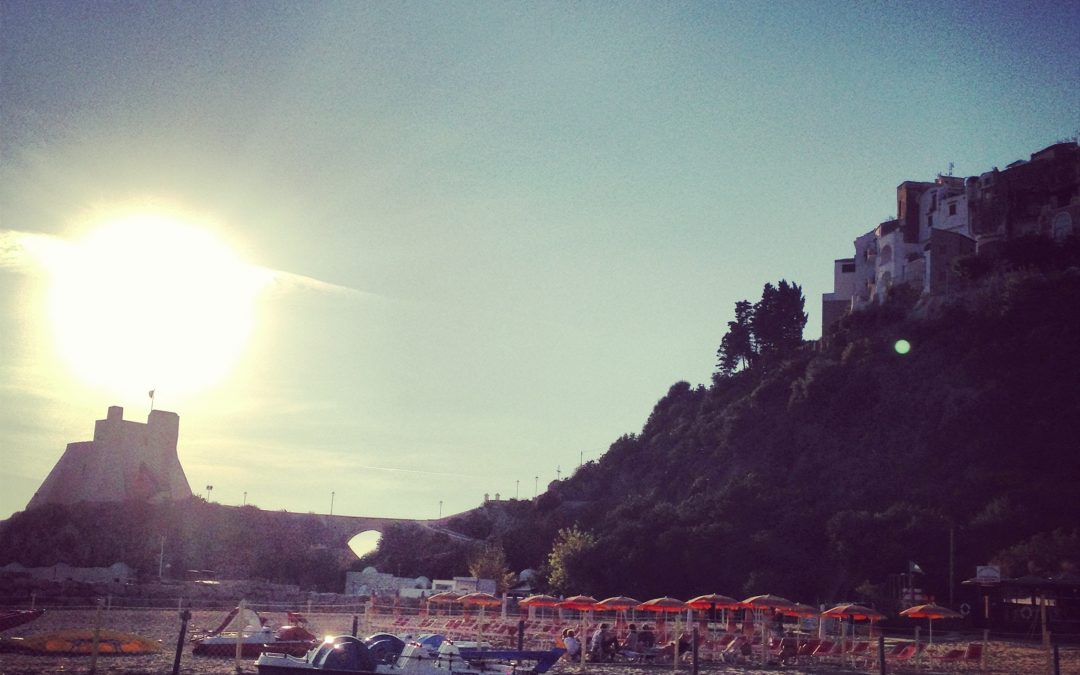
We’d not previously heard of this place, but now we know about it, it’s very definitely somewhere we’d revisit next time we’re in the province of Latina. Halfway between Rome and Naples, the very pretty village, perched high on a hilltop overlooking the sea, is a welcome break from the monotonous road south from Rome. Apart from gems like Sperlonga, this coastal stretch, down the west coast towards Naples is not particularly one for sight-seeing, so finding this village was a real treat. Like a lot of Italian towns, the newer part sprawls out below, with the historical centre much higher up.
Sperlonga is a warren of narrow alleyways and steep steps that often open out onto small piazzas. If you’re a bit unsteady on your feet, or with small children, you need to be prepared for a bit of an uphill climb, but it’s worth it. It’s more of a very large village, than a town, but has all of the essential ingredients of an archetypal Italian town – churches, pealing bells, small but upmarket boutiques (Sperlonga is a getaway for Romans…), very chic restaurants & bars, and stunning cliff top views of the (very well regimented) beach & sea, far below. There’s a small port which we took a stroll down to – think Monaco in miniature! There were serious boats moored up, as well as the odd speedboat zipping around the coast. All very nice!
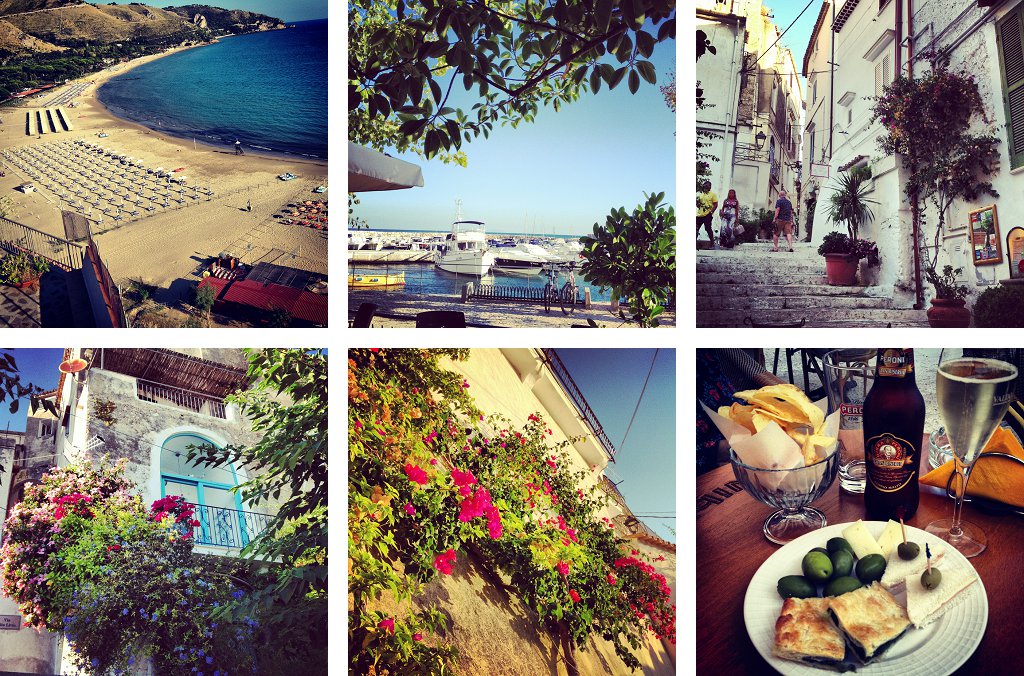
We visited in late September – it was still very warm (air con was needed), but not stifling. The beach was beautiful – long, expansive and like I said before, very well regimented. But that’s generally Italian beaches for you. I’m not sure how I’d like Sperlonga in the height of summer and I imagine it would be very hot and very packed, but it’s a definitely a place to visit if you like history, beauty & out-of-season visits.
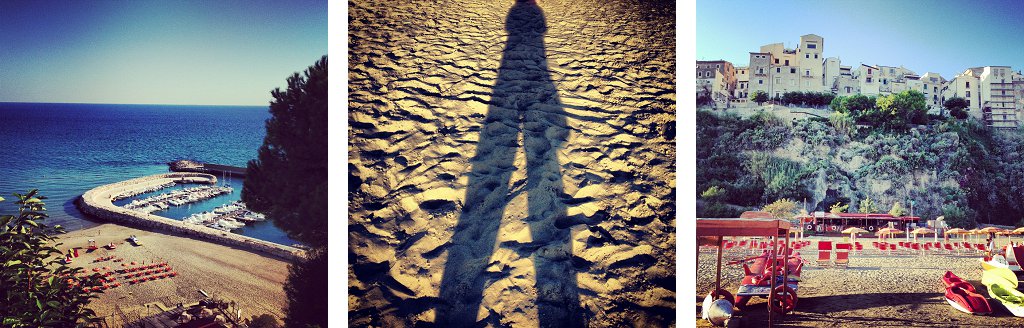
A friend recommended a hotel – Hotel Corallo – and we were so impressed by it, that we’d definitely recommend it ourselves. For just over 80 euros, we had a very large double room, with a large en-suite bathroom and a small balcony. Our lack of sea view (obscured by beautiful medieval buildings), was made up for by a stunning view of the sunset. Breakfast was included – if you’re not a sweet-tooth you may struggle with breakfast here, as it was a bit of a saccharine overload, but the coffee was very, very good.
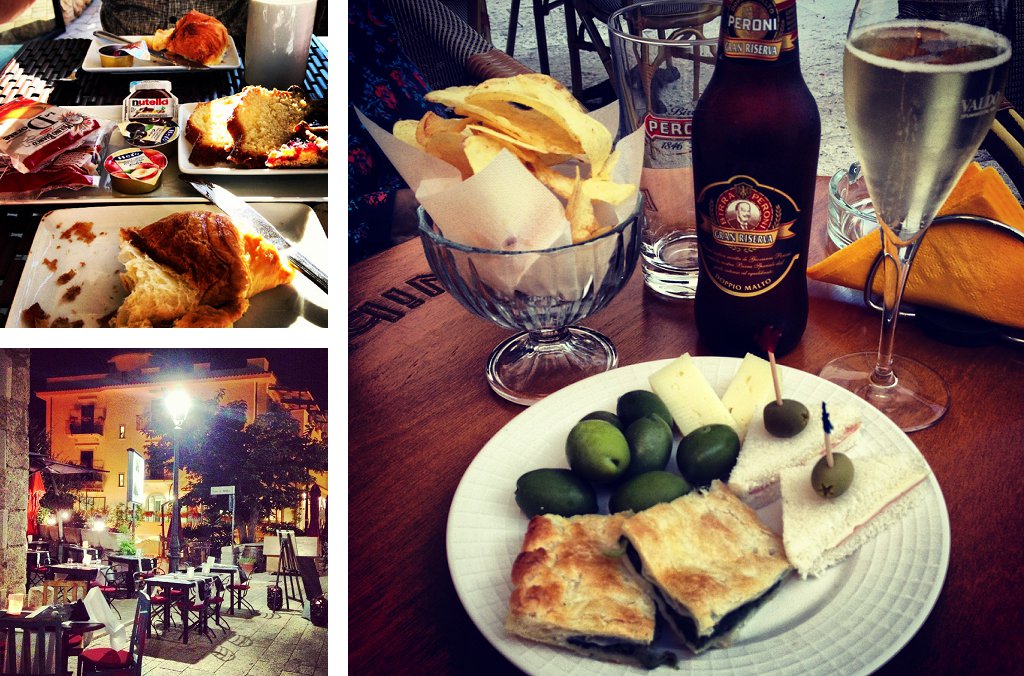
Our stay in Sperlonga was short – an afternoon and an overnight stay, but because we were based in the old town, it was sufficient time to get ourselves familiar with it. It really is a beautiful hilltop town, close to Rome and it definitely does break up that very monotonous SS7 road down the west coast. And, soon, we were back in the car, leaving Sperlonga and back on that road, heading south, on the next part of our Italian road trip.
by Helen | Sep 29, 2022 | Lifestyle
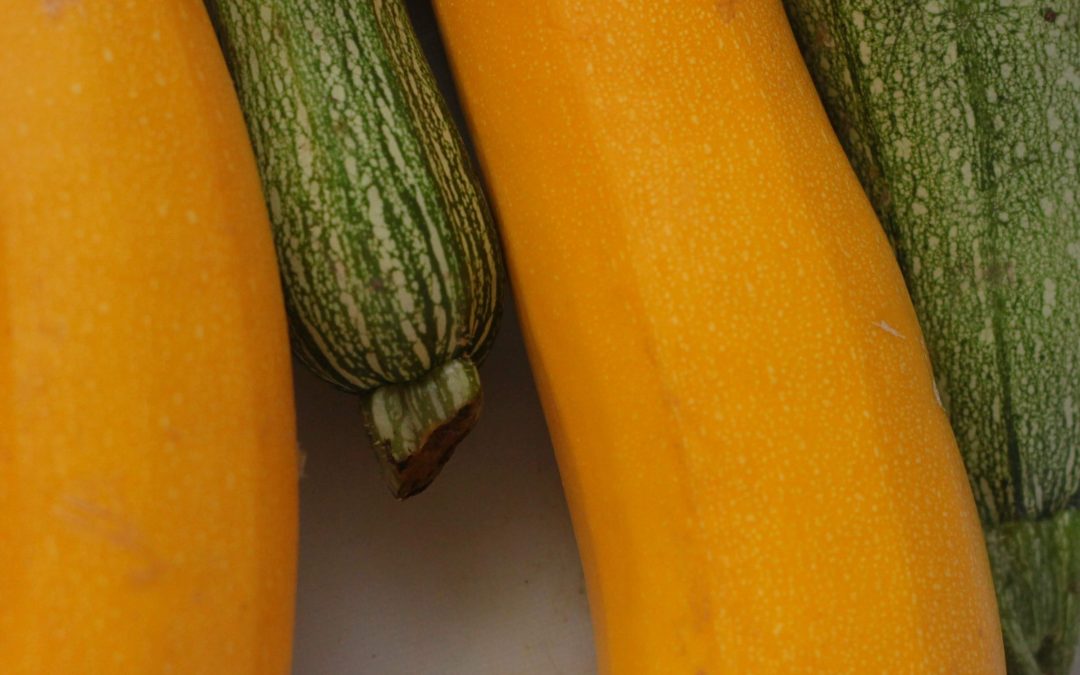
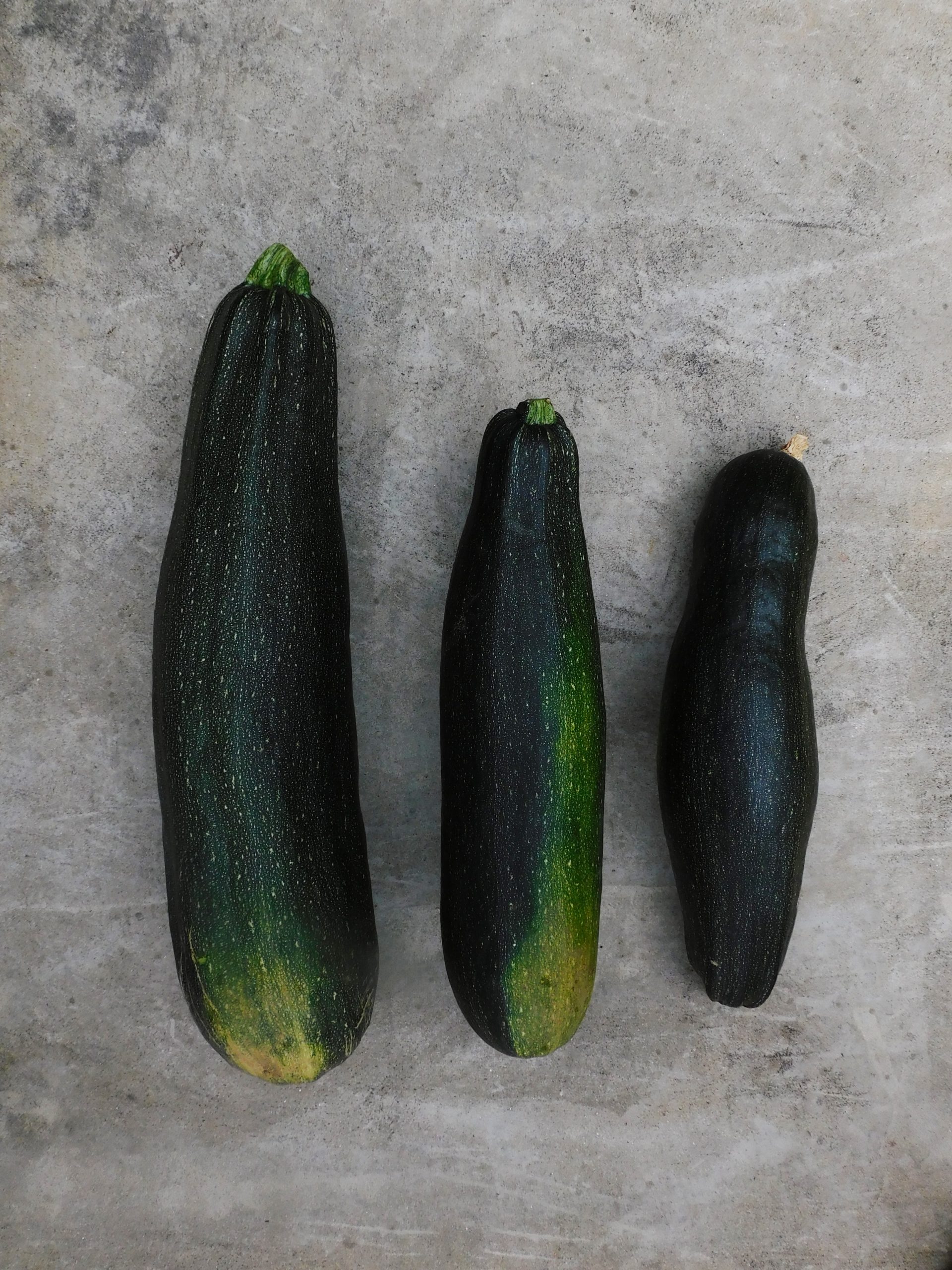
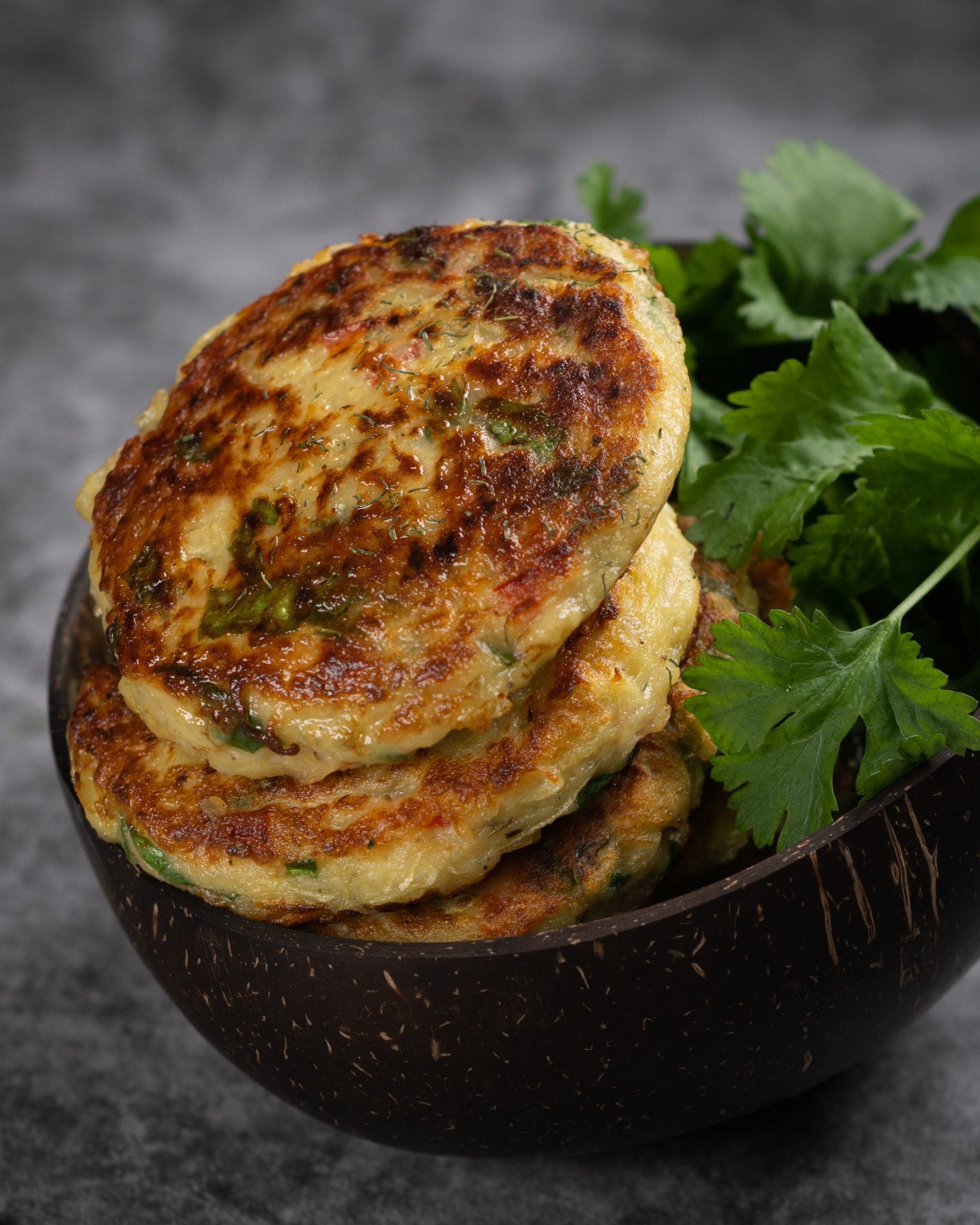
Like a lot of our garden, since autumn – and the rains – have finally arrived, after a very long, hot summer, our vegetables seem to be growing at quite a pace. From seeds, we’ve got a bit of a bumper crop of courgettes, so having done a few soups, we decided to try fritters. I don’t know why I always assumed these would be tricky to make – because they’re not, at all. If you have all of the ingredients to hand, they are quick and very easy. And, if you have an excess of fritters, they can be easily frozen for next time.
what you’ll need
- 240 g courgette – grated
- 2 medium eggs
- 65 g plain flour
- 1 teaspoon baking powder
- Sea salt and black pepper
- Feta (or parmesan or cheddar – in fact, any cheese which takes your fancy. 40g is recommended but we added waaaay more than this!
- Freshly chopped mint
- Peas (if frozen, just run boiling water over then to thaw them)
- Olive oil
what you’ll need to do
-
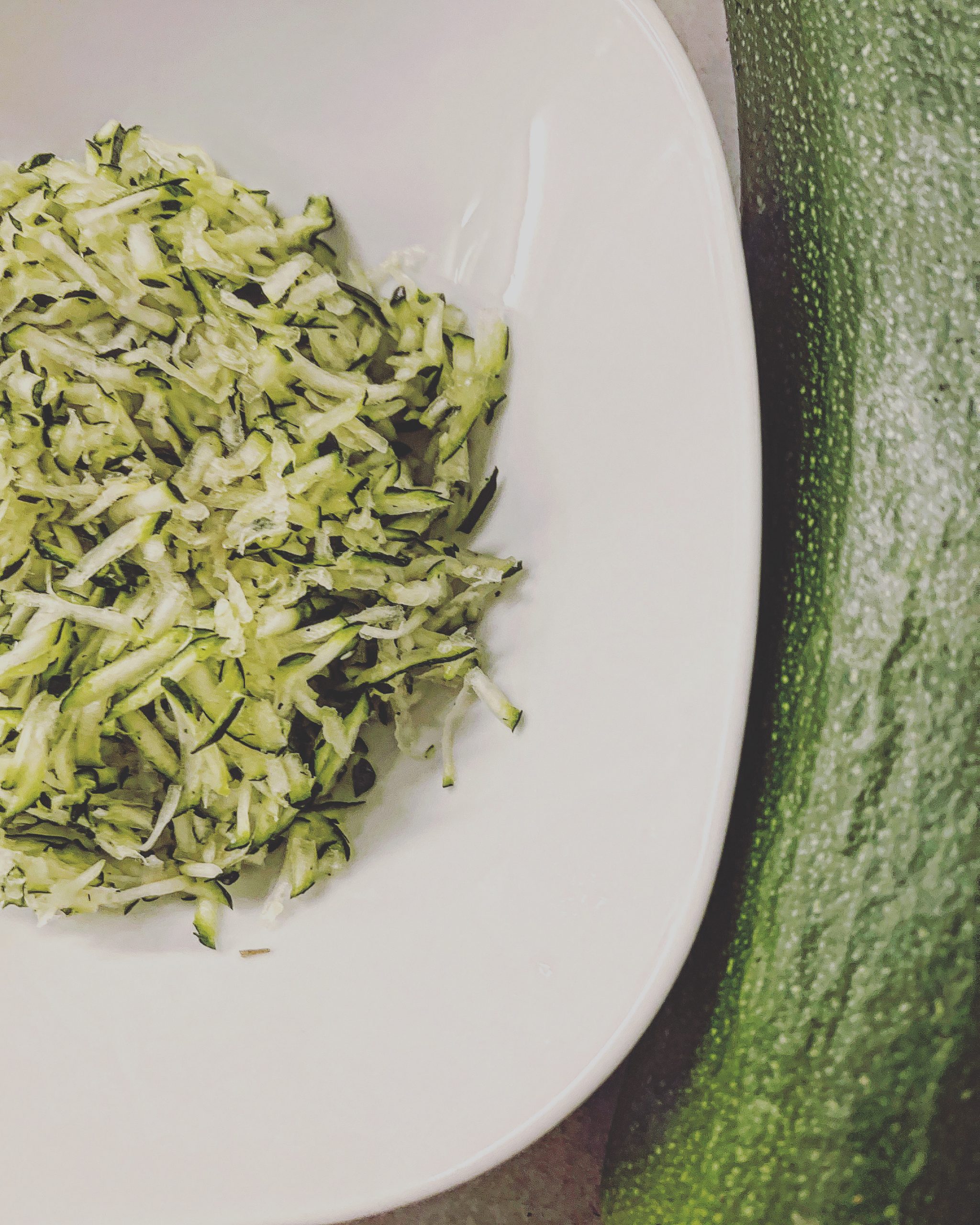
Grate the (medium sized for two people) courgette and then squeeze out the excess liquid and discard. Set the grated courgette aside.
-
In a large bowl, whisk the eggs and then add the flour and baking powder and season, with salt & pepper
-
Add the courgette, peas, cheese and fresh mint and gently mix it in to form a batter.
-
Heat a drizzle of olive oil in a pan and then add spoonfuls of batter to make fritters around 10cmin diameter. Fry for about 5 minutes each side – the thickness of the fritter will dictate the frying time, but you want then to be crispy and brown on the outside.

Served with tzatziki & oven baked rosemary and garlic potato wedges. this was another winning autumn dinner dish. We’re only just really getting into growing our own vegetables and still have a long way to go to be producing enough for us to actually live on, but what we are getting from the garden at the moment, is enabling us to be a bit more experimental in the garden, and not so reliant on the supermarket. And, nothing really popping out of the front door and into the garden to pick a courgette or two for dinner!
by Helen | Sep 28, 2022 | Lifestyle
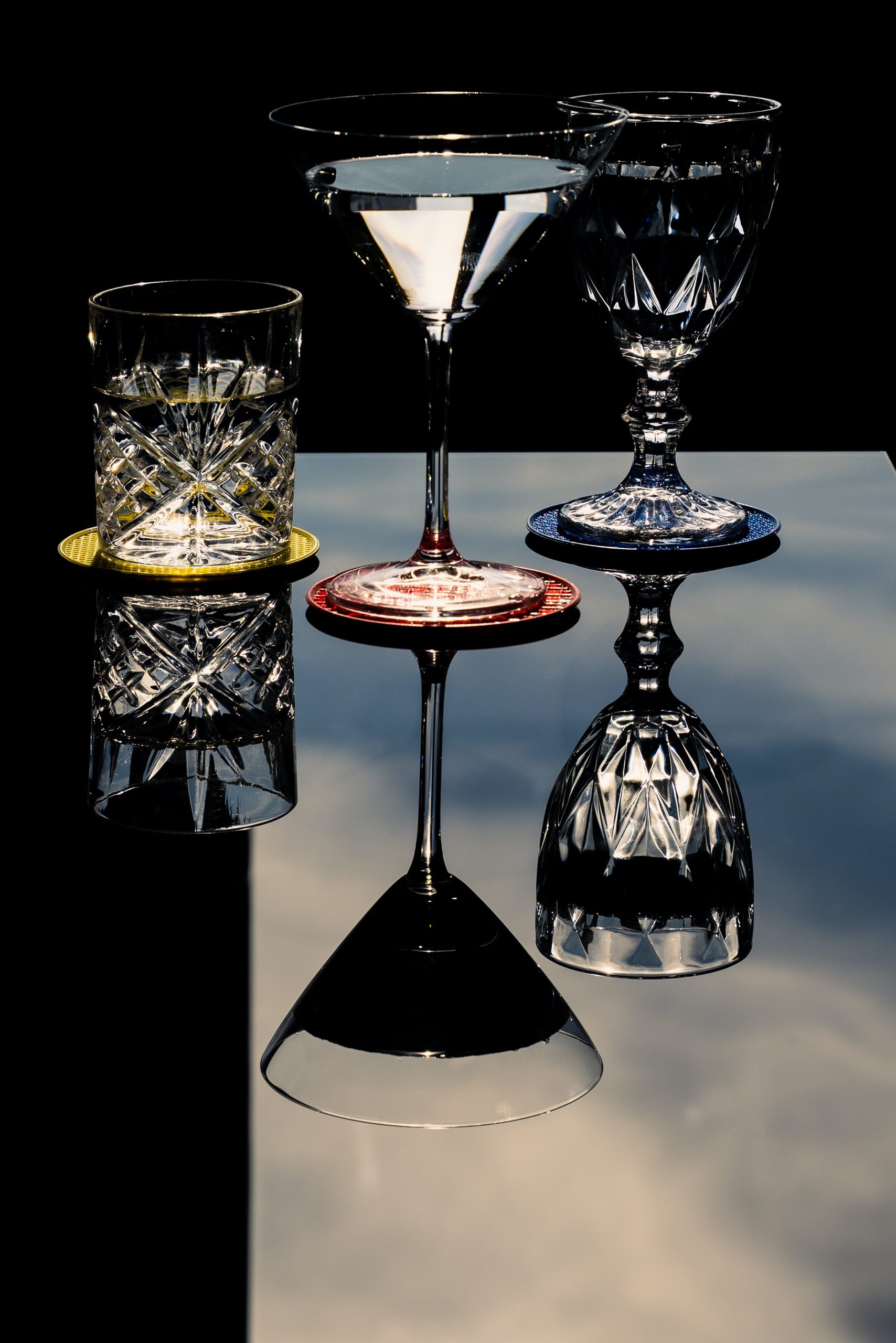
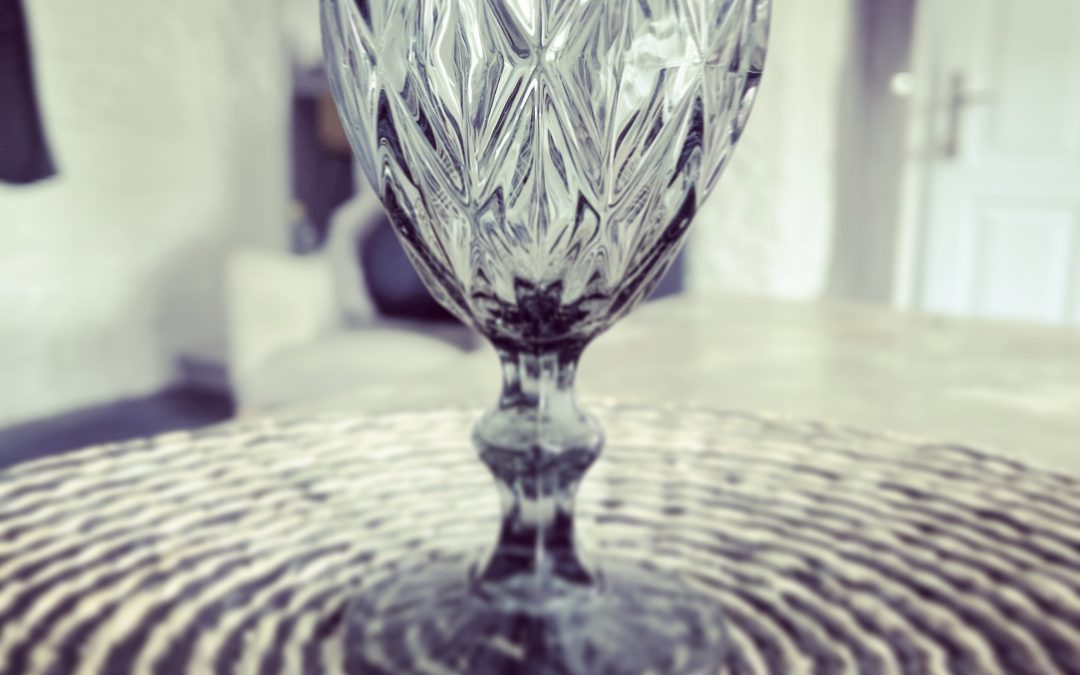
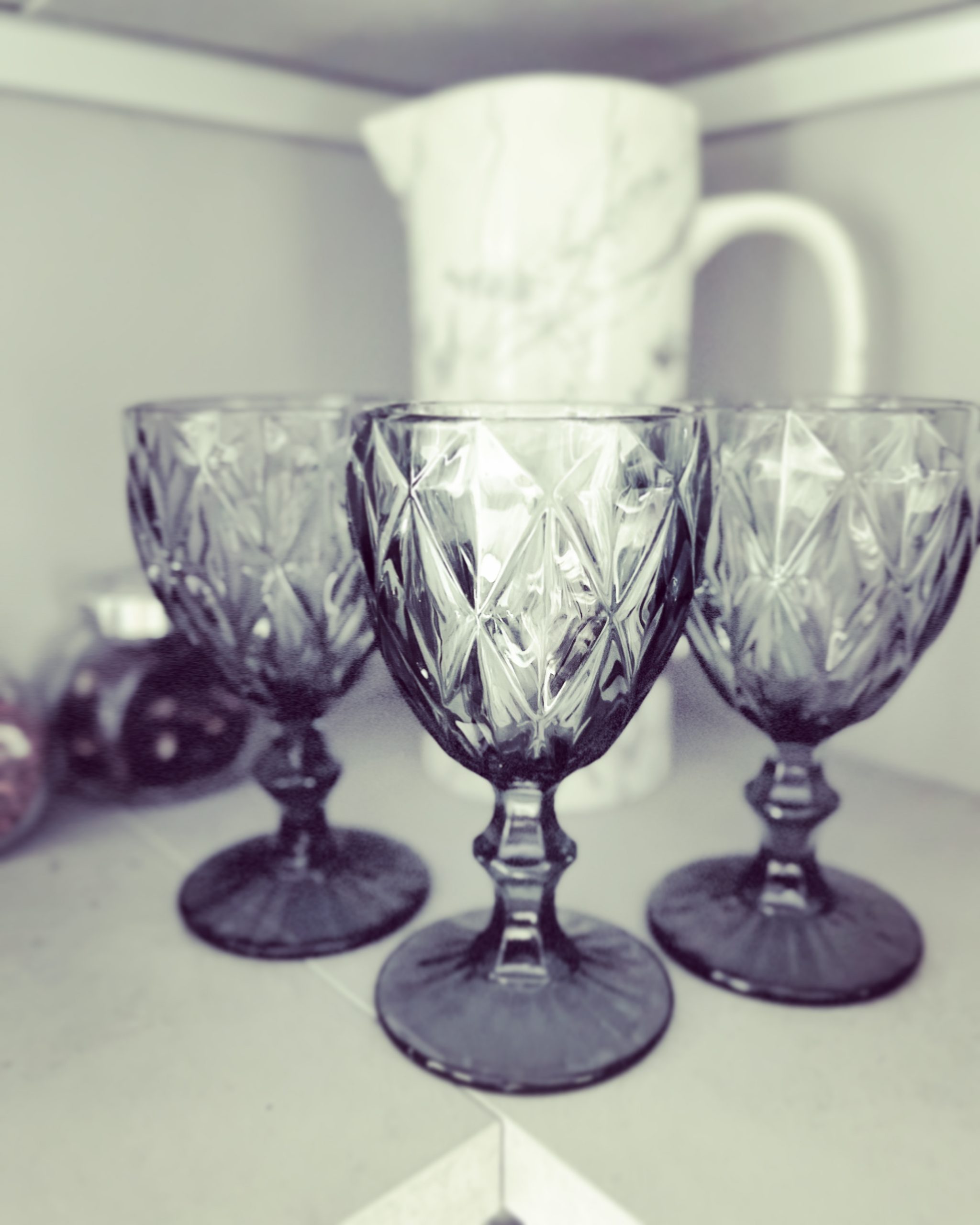
For such a long time, I’ve been trying to find glasses like the one on the right of the photo, above. We seem to smash our “every day” wine glasses on a regular basis in our house and never seem to have an even number, so the quest was on to find something that was a bit more robust than the basic IKEA glasses. Something with a bit of a sparkle. A bit of cut glass. Preferably in a smokey grey colour. And something which looked a lot more expensive and classy than they actually were. Online searches proved a bit fruitless, because even when I found them, the cost of having them sent out to us, was silly money. We do have lots of shops here that I thought would sell them, but nothing was ever quite right.
Until I visited Tedi. Now, I don’t think Tedi operates in the UK, but it’s a great shop. It’s the kind of shop that is full of tat – think Hallowe’en accessories piled high in the summer – but, it’s also my go-to place now for very unusual candles, garden accessories, often plates and dishes, faux plants. The kind of stuff that I like, is usually left unsold as it clearly doesn’t appeal to Tedi customers, so for me, it’s a bit of an Aladdin’s Cave. And, over the summer, guess what I found in Tedi? That’s right! My smokey grey wine glasses…
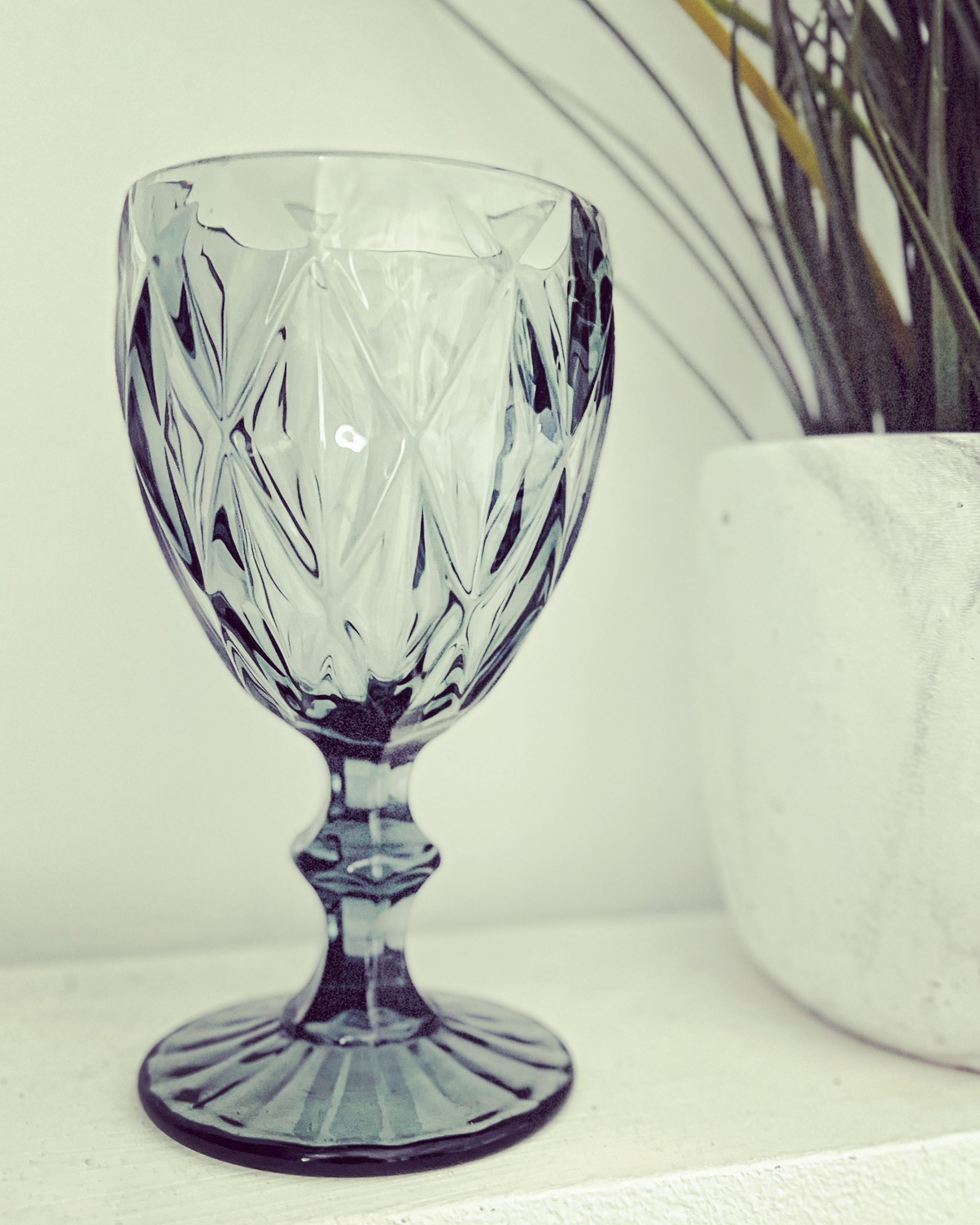
I am sure mine are exactly the same as the one photographed above, but at just €2 each, I am guessing a whole less expensive. They are chunky and comfortable to hold. Unlike those IKEA cheapo ones, which always feel as if they are going to smash your hands. And, sometimes have. The bevelled glass is lovely, and the attention to detail is very intricate.
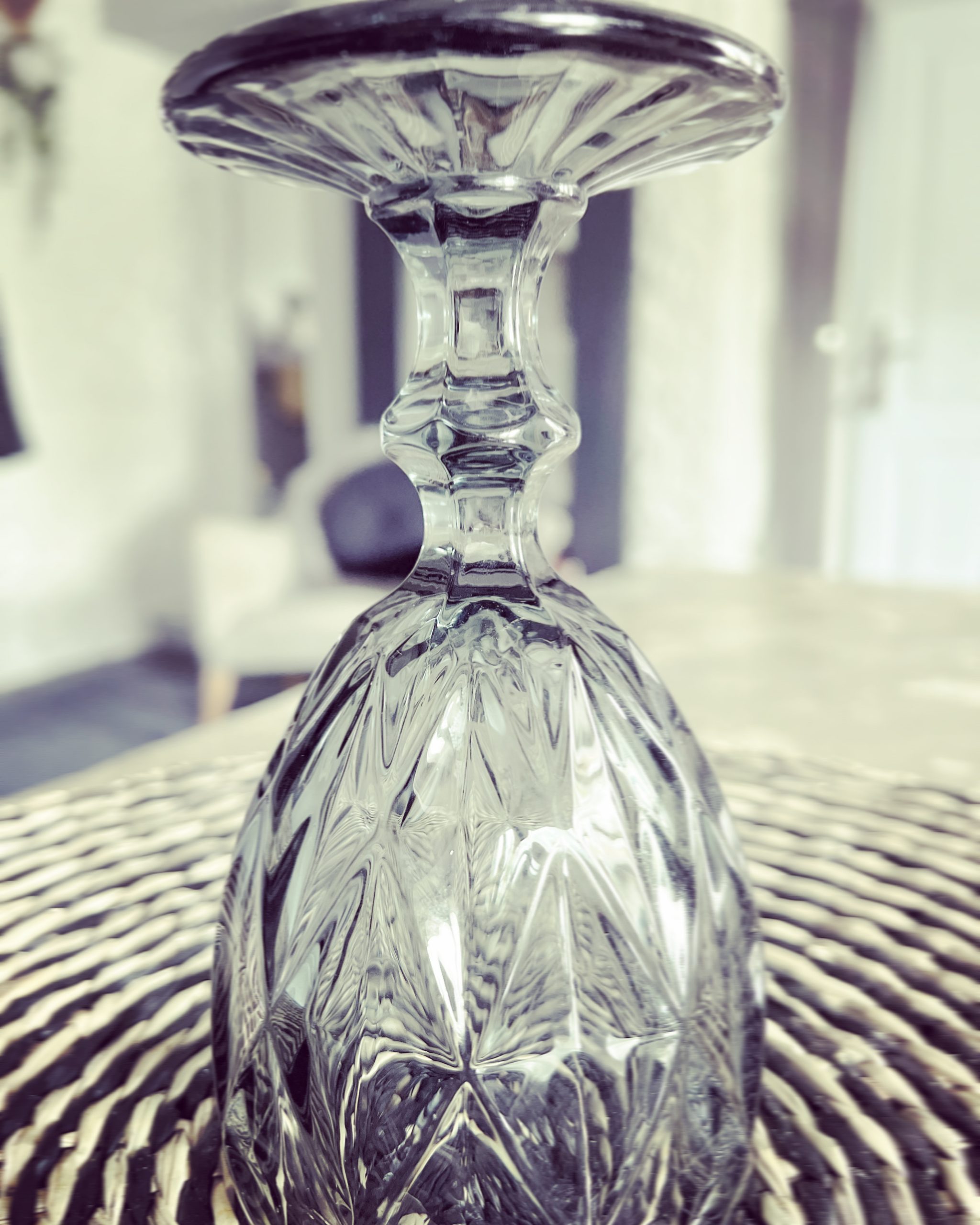
They do look delicate and very pretty, but are sturdy and substantial and the four that I bought have withstood a summer of wine drinking.
So, there you go. Tedi – one to look out for if they ever open in the UK.
by Helen | Sep 28, 2022 | Croatia, Travel
Zadar has the most beautiful sunset in the world, more beautiful than the one in Key West in Florida, applauded at every evening.
So said, Alfred Hitchcock, on a visit to the stunning Dalmatian coastal city of Zadar. And, if he said it, it must be true…
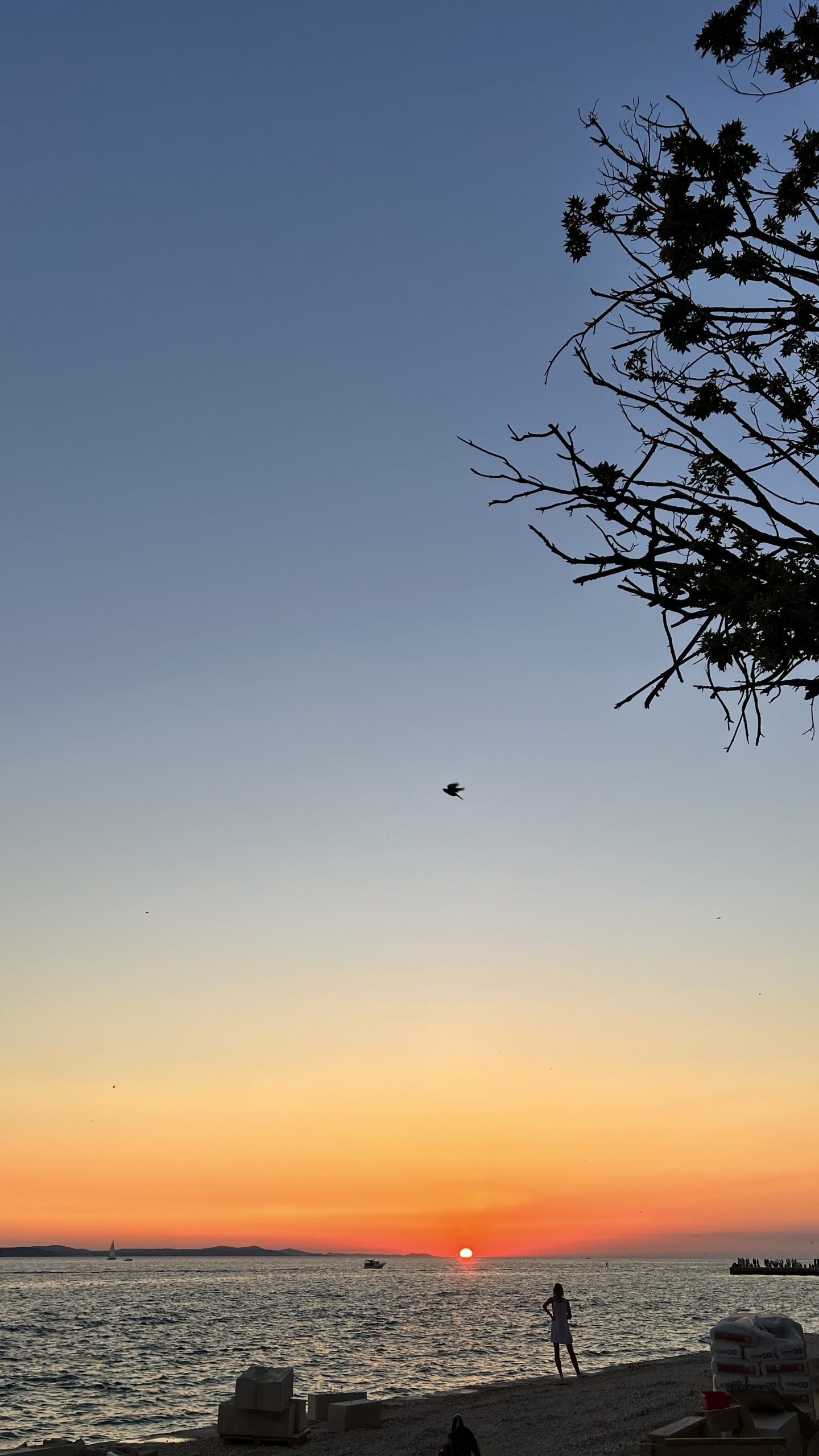
We are now very, very lucky that we can reach Zadar quite easily. Living in Istria, it’s a beautiful drive down the Adriatic Highway – or, the Jadranska Magistrala – the 650 km long road which runs just a few meters parallel to the Adriatic sea, Running from Rijeka on the Kvarner Gulf to Karasovići on the border with Montenegro, this road is one of Europe’s most unforgettable journeys. As it it weaves its way around deeply indented turquoise bays or skirting scree-covered mountains, there’s scarcely a single boring stretch along its length. Especially when you are driving alongside the northern islands of Krk, Rab and Pag, rising like sleeping elephants out of the sparkling sea. This summer, family flew into Zadar from the UK and so we took the opportunity to spend a couple of days here, to introduce them to one of our favourite Croatian cities.
The name Zadar, means gift of the sea, and located where it is, on a peninsula surrounded by the Adriatic, it’s name makes perfect sense. As well as being beautiful, it is ancient and full of history, as explained by Boutique Hostel Forum :
The heart of Zadar, a location where it all began, is a street known as Kalelarga (Široka ulica). The people of Zadar will tell you it’s older than the city itself. Even though Zadar was mentioned already in the 4th century B.C.E. as the settlement of the Liburnians, it was the Romans who started forming the city two thousand years ago on the peninsula with Kalelarga as one of the main streets. The city was built like a typical Roman city with all its amenities. As the Roman Empire started falling apart, so did Zadar deteriorate in particular during the Migration Period, with low point in the 5th and 6th century. From the 6th to 11th century Zadar was a part of the Byzantine Empire. It became the administrative centre of Dalmatia and Venice’s equal on the Adriatic sea. And Venice sure didn’t like that becoming one of the most fierce opponents of Zadar and trying to overpower it for centuries to come. In the 11th century Zadar formed part of the Croatian lands for the first time, with Croatians becoming the majority population. The period between the 11th and 14th century, when the first Croatian university was founded in Zadar, is considered Zadar’s Golden Age. Despite constant threats and occasional pillages, Zadar flourished in every aspect during that period.
The Venetians finally managed to get hold of Zadar in the 15th century and it remained under their rule until the end of the 18th century. Zadar’s economic role was diminished and the city had to face two additional threats: the plague and the Ottomans (Turks). After a brief French rule beginning of the 19th century, Zadar became a part of Austrian (-Hungarian) Monarchy turning into a splendid, vibrant Dalmatian city yet again. Another round of ups and downs was in store for Zadar in the 20th century, with Austrian-Hungarian, Italian, Yugoslav and finally Croatian rule superseding one another. Heavy bombardments during the WWII destroyed more than half of the historical centre. The second half of the 20th century saw tourism-related rise which was again interrupted by a series of attacks during the Croatian War of Independence.
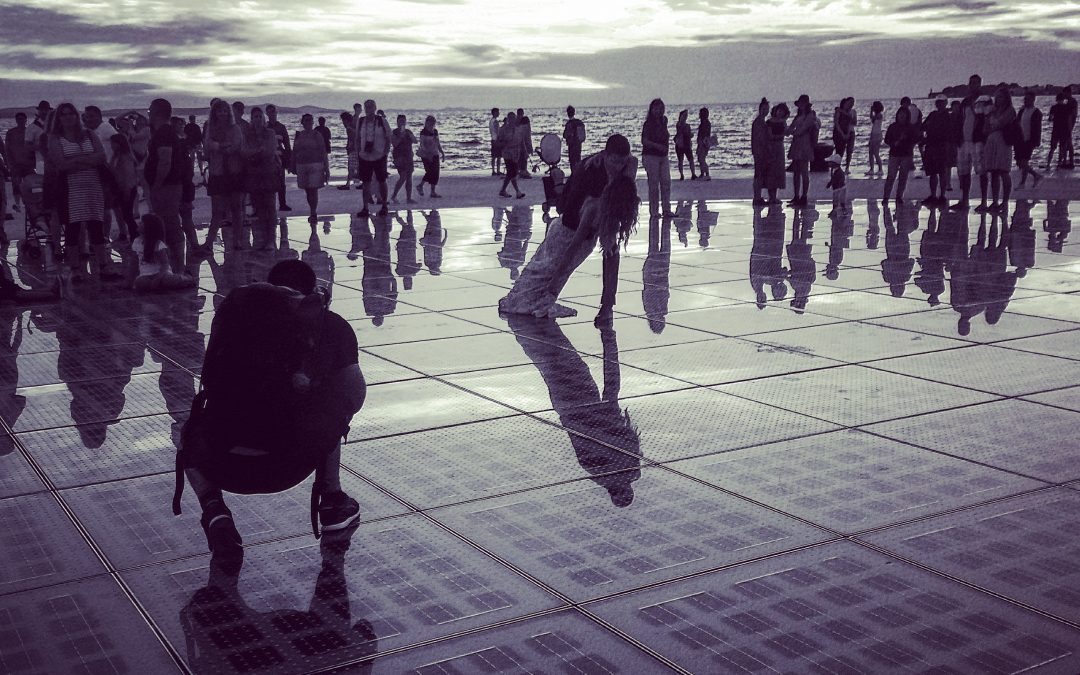
The historical centre of Zadar is small. Concentrated on a tiny peninsula, it can be walked around in a couple of hours. Of course, proper exploration will take a whole lot longer because of the labyrinth of marbled streets, opening out onto squares and parks and the coastal esplanade (The Riva), which is currently being redeveloped in places, ensuring that wide pathways make walking and cycling a much more pleasurable experience. The centre is a traffic free zone, but there are large, and accessible outdoor car parks, around the city. We spent two days there recently, and car parking was easy and inexpensive. There’s much to recommend in and around Zadar, but highlights have to be The Sea Organ and the Salutation to the Sun, both designed by renowned Croatian architect, Nikola Basic.
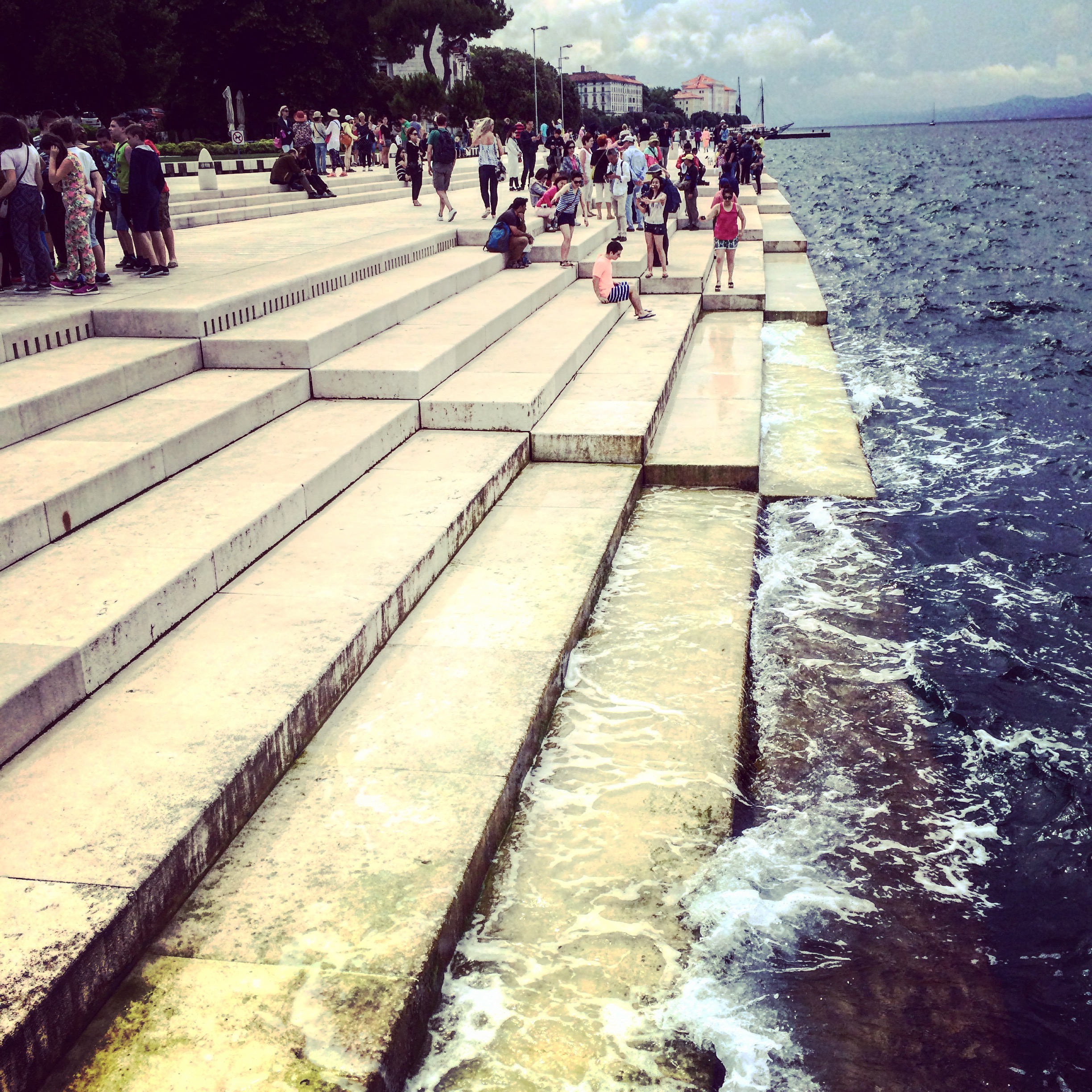
Both a piece of art and an experimental musical instrument, The Sea Organ creates beautiful chimes, using only the rolling power of sea waves. The installation looks like a series of broad steps leading down into the sea, hiding clever engineering beneath their surface, producing ever changing syncopated sounds. Close by, The Salutation to the Sun represents the solar system, with the sun and the planets in their proportionate sizes, featuring a series of circles made from photovoltaic glass panels set into the pavement. The panels gather energy from the sun throughout the day, and come evening, lighting elements beneath the glass create a mesmerizing display that simulates the solar system. The solar energy collected by Sun Salutation also helps power the entire waterfront.

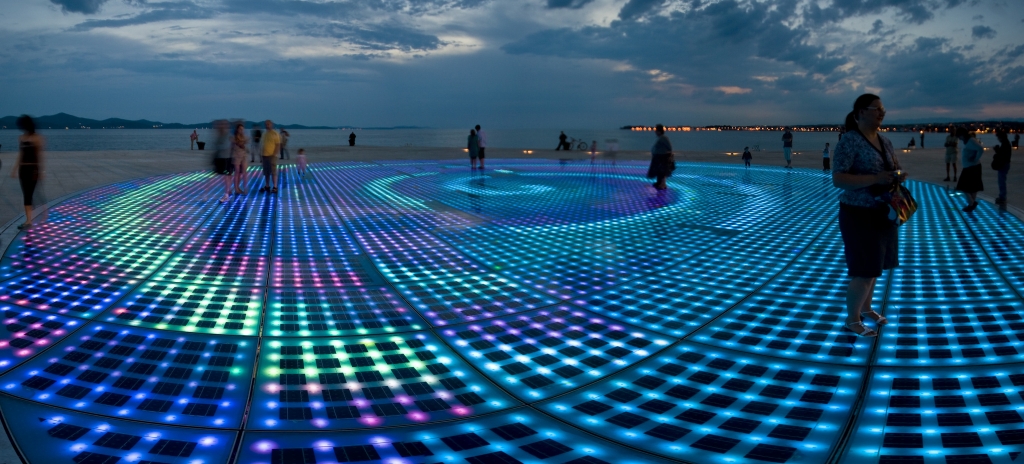
Photo credit : bestofcroatia.eu
Zadar is a city of significant historical influences, including reminders of Venetian rule, but perhaps more obviously, Roman rule. From The Riva, you can walk a short distance and be in the centre of The Forum – no roping off, no entrance fee, no restrictions. Just ancient reminders of a past, right in front of your eyes. We’ve visited Rome and Naples and Athens and other historical sites, but there’s something that’s very special about this part of Zadar. Maybe because when we first visited, we didn’t really know anything about Croatia, lets alone its history, but now we live in the middle of it and it feels so real. Not just a holiday experience, any more…
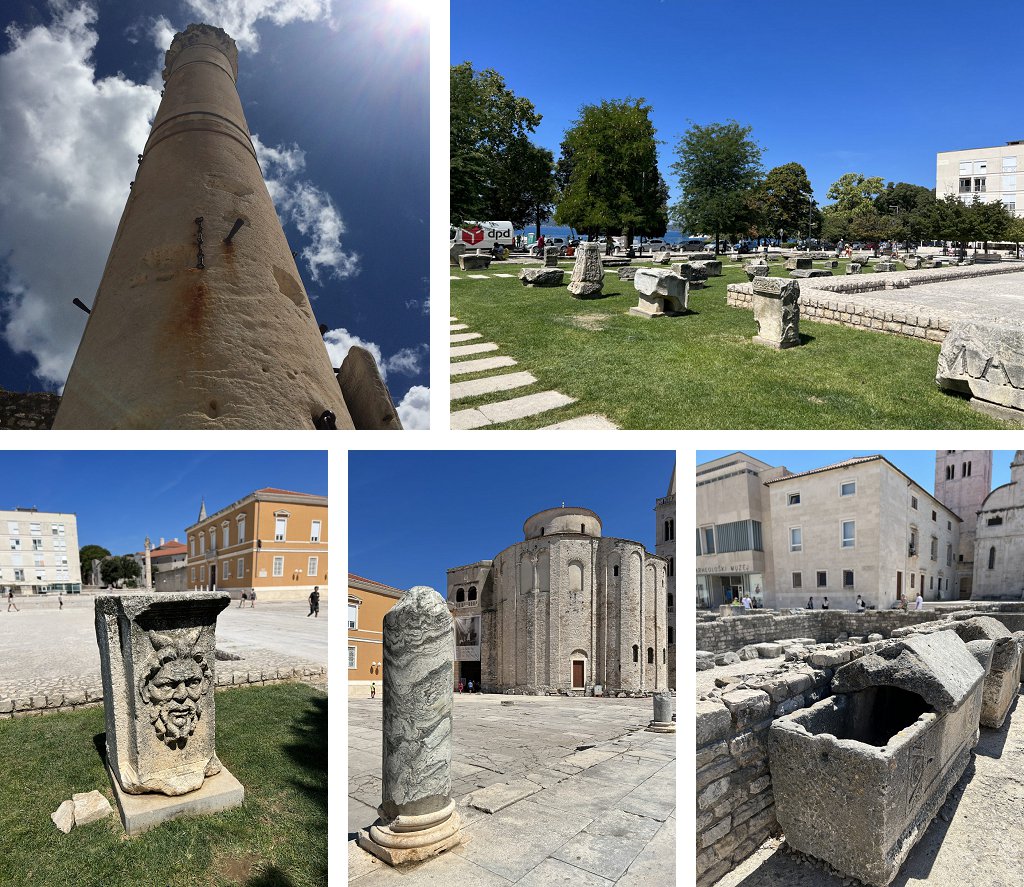
Zadar is located on the Dalmatian coast of Croatia, north of Split and Dubrovnik, making it accessible by road (if you are on a Croatian roadtrip) or by air, having its own international airport. As well as the historical sites and architectural structures, the city is full of fabulous restaurants, cool bars, boutique accommodation – and of course, the turquoise Adriatic which wraps itself around the peninsula. A much recommended Croatian destination.
by Helen | Sep 19, 2022 | Italy, Travel
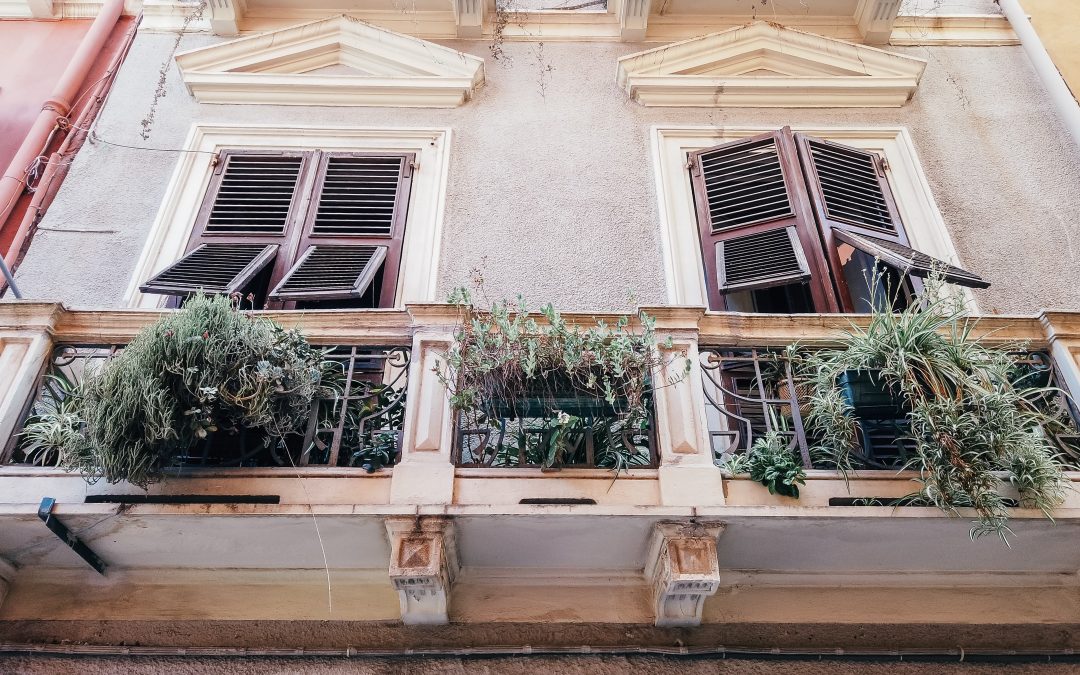
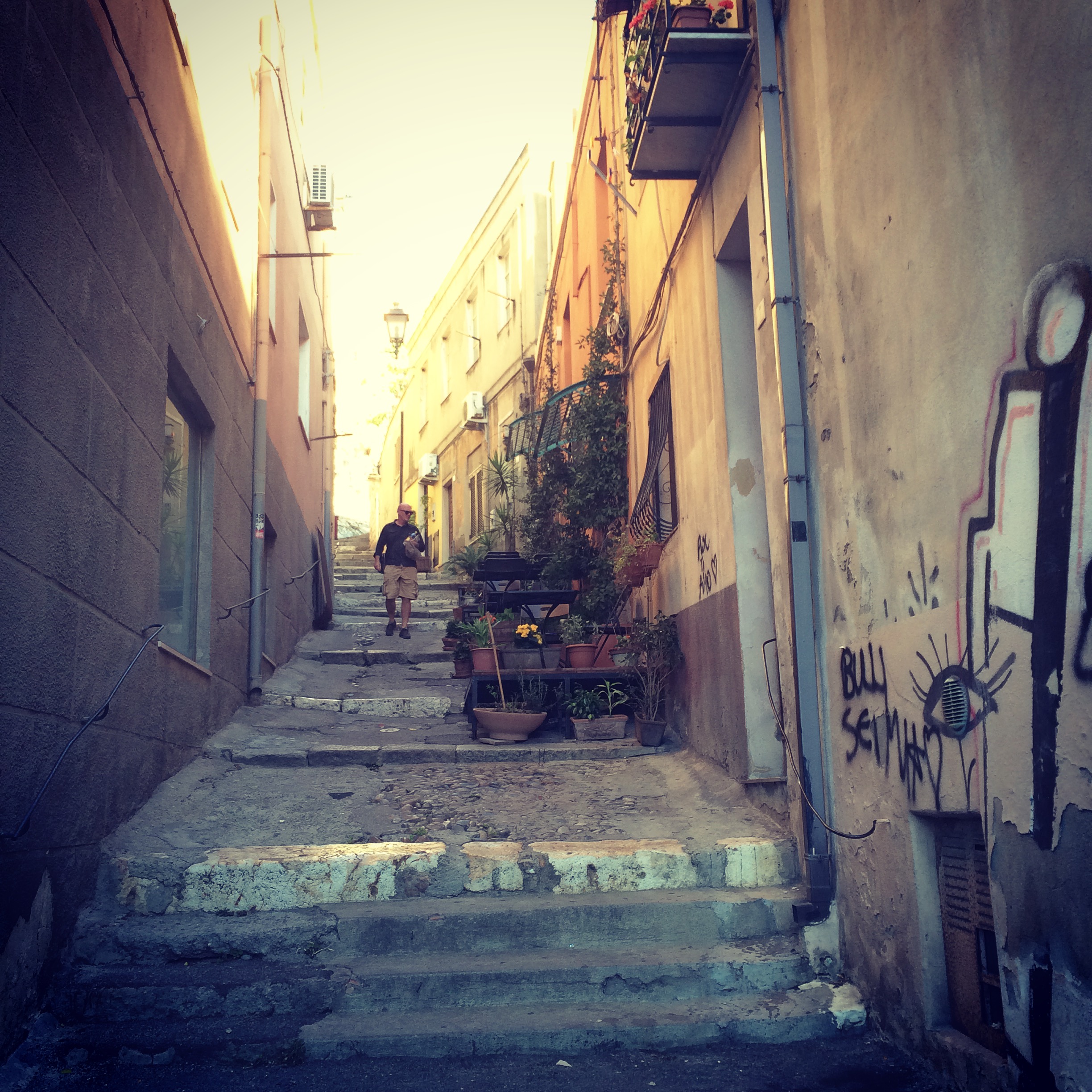
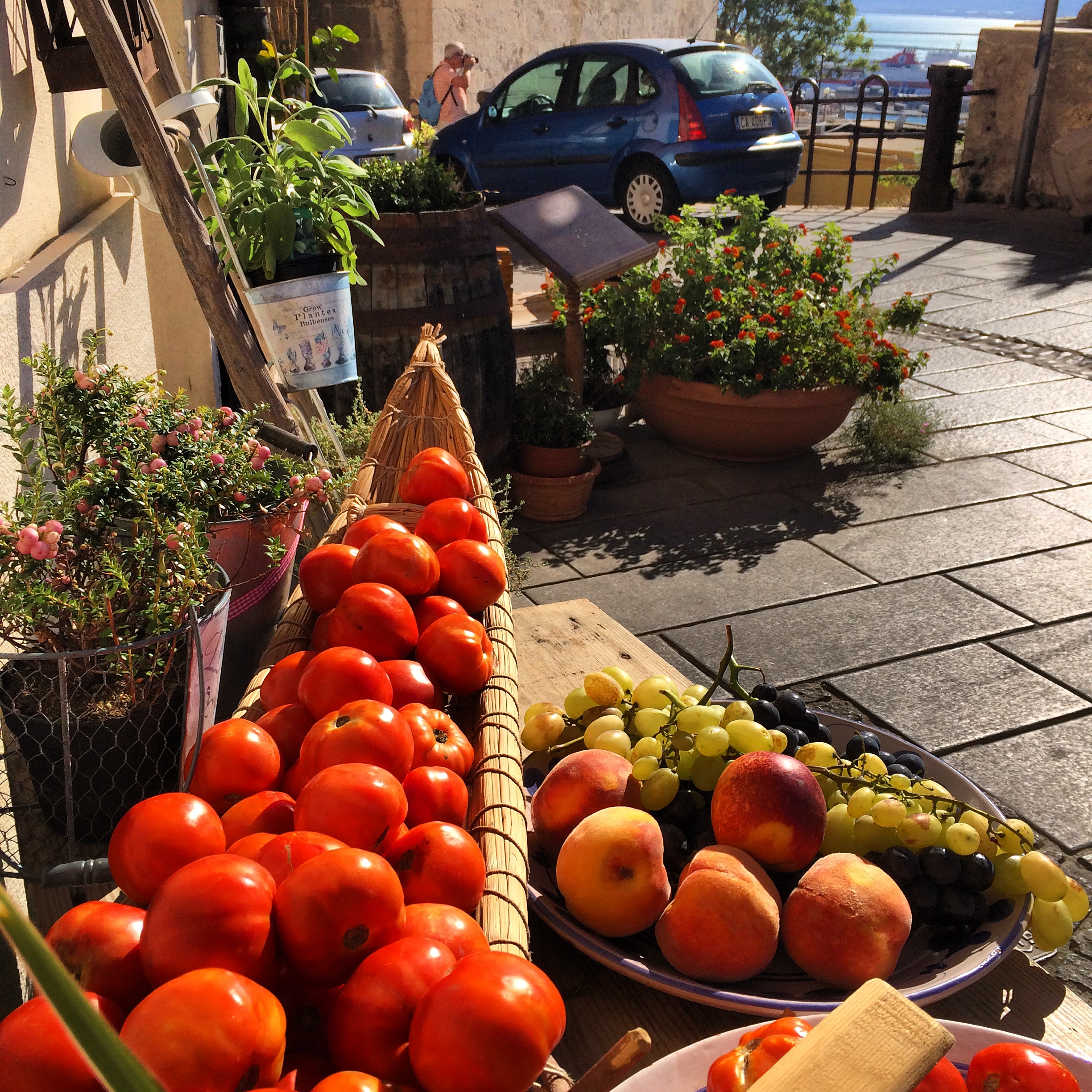
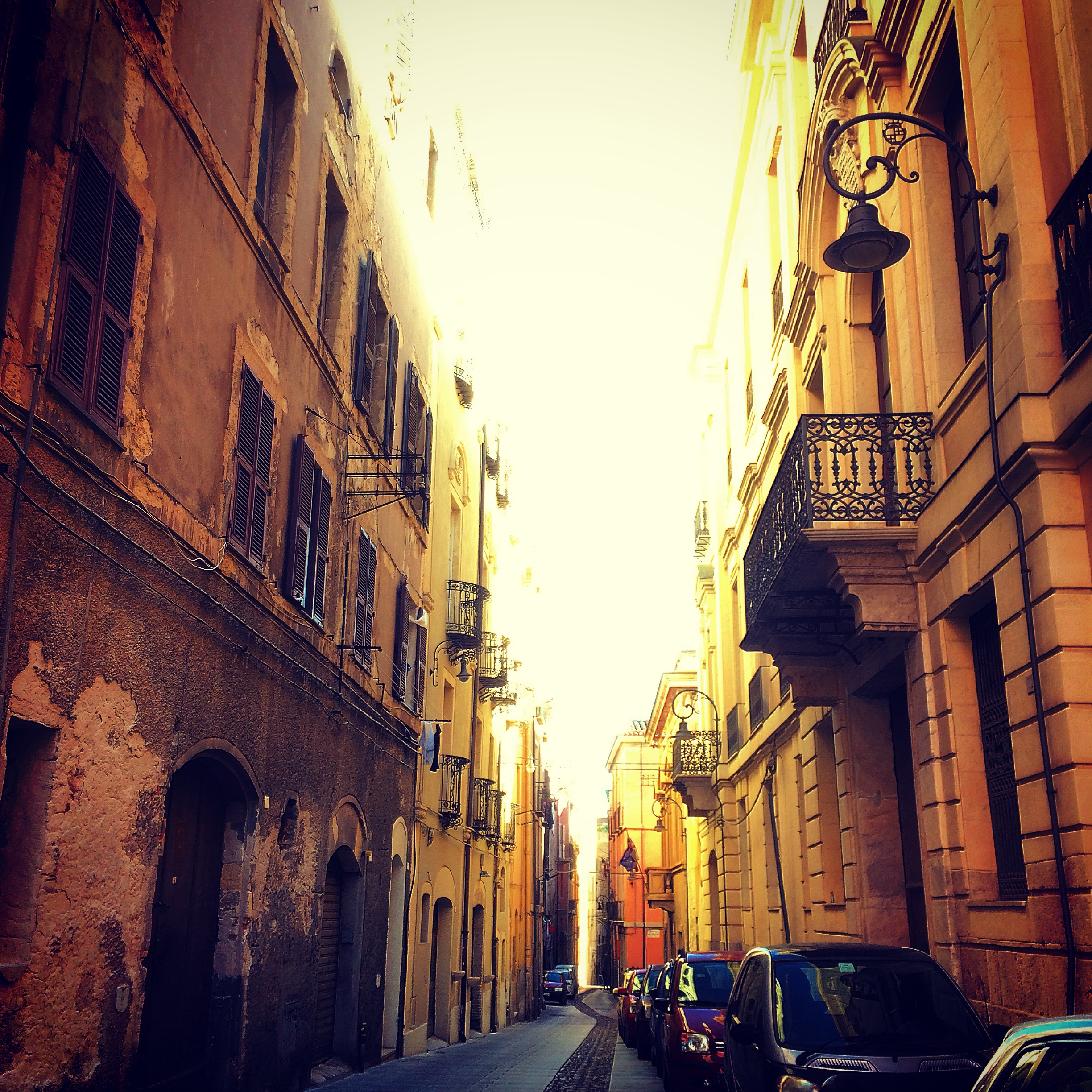
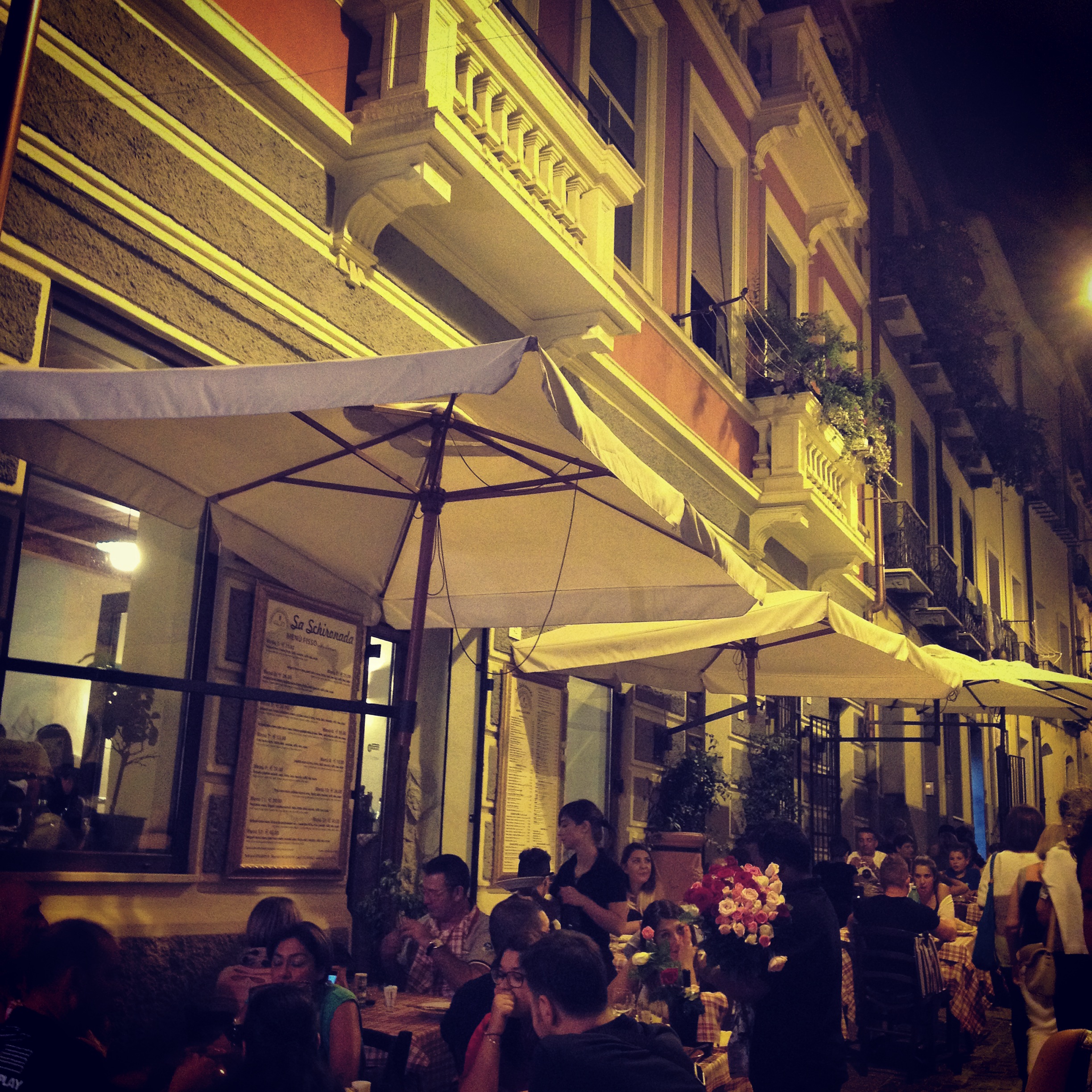
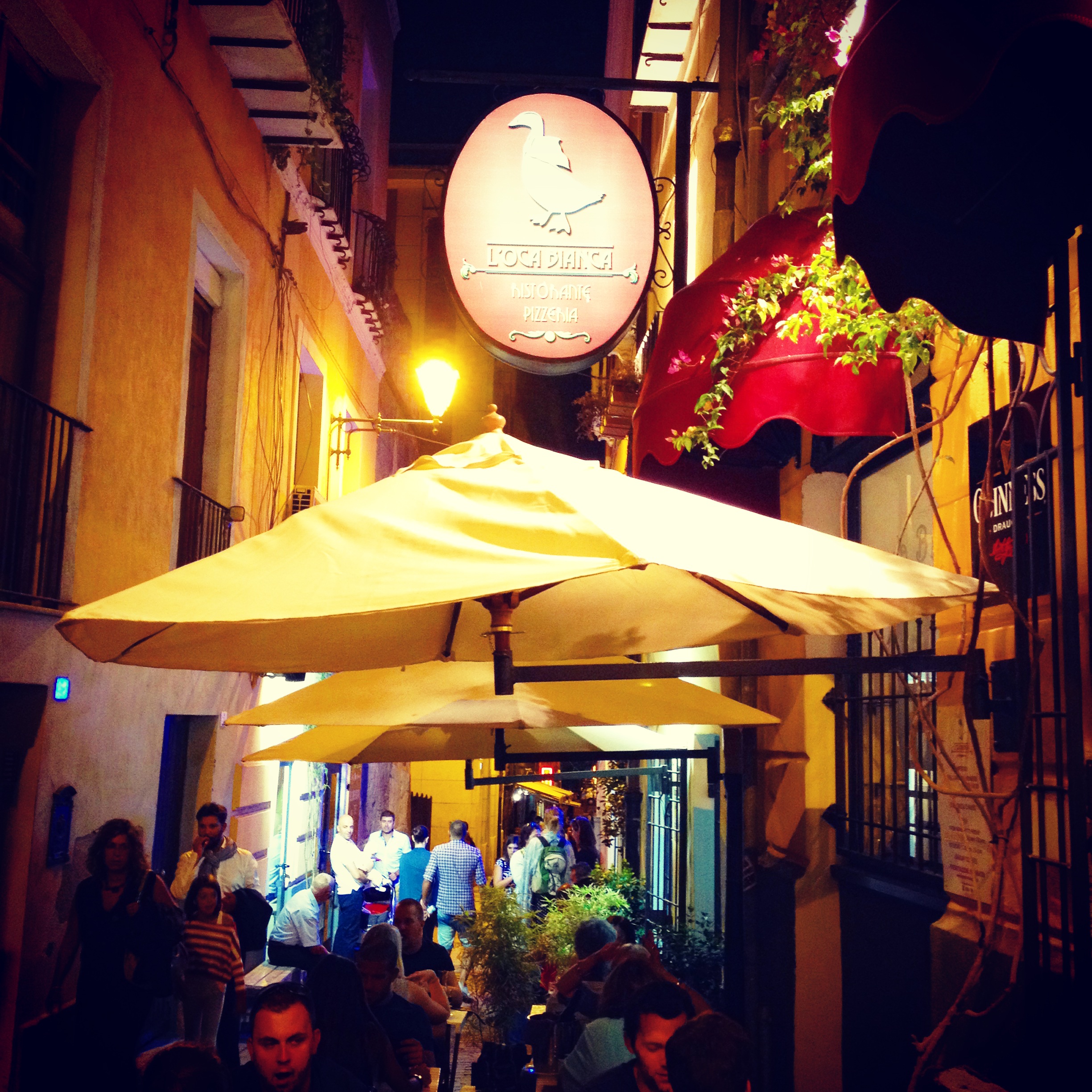
Cagliari is a city like no other Italian city we have visited. It’s a port city, and it wears its history on its sleeve. Everywhere you go you come across traces of its rich past, from ancient Roman ruins, to museums filled with prehistoric artefacts, to centuries-old churches and and elegant palazzi. It is located on the Bay of the Angels (Golfo degli Angeli) and, like Rome, it was built on seven hills, which identify the historic neighbourhoods of the city. The port area is busy, busy, busy – the main road runs along the sea front and cars and buses and vespas and motorbikes whizz past, so you need to be on your toes. Once on the city side though, it reveals itself as a beautifully elegant place, with imposing, honey coloured buildings, with elaborate balconies and shuttered windows, facing the sea. Wide tree-lined boulevards are packed with cafes and bars, and people catching up, eating, drinking and generally making life look pretty wonderful!
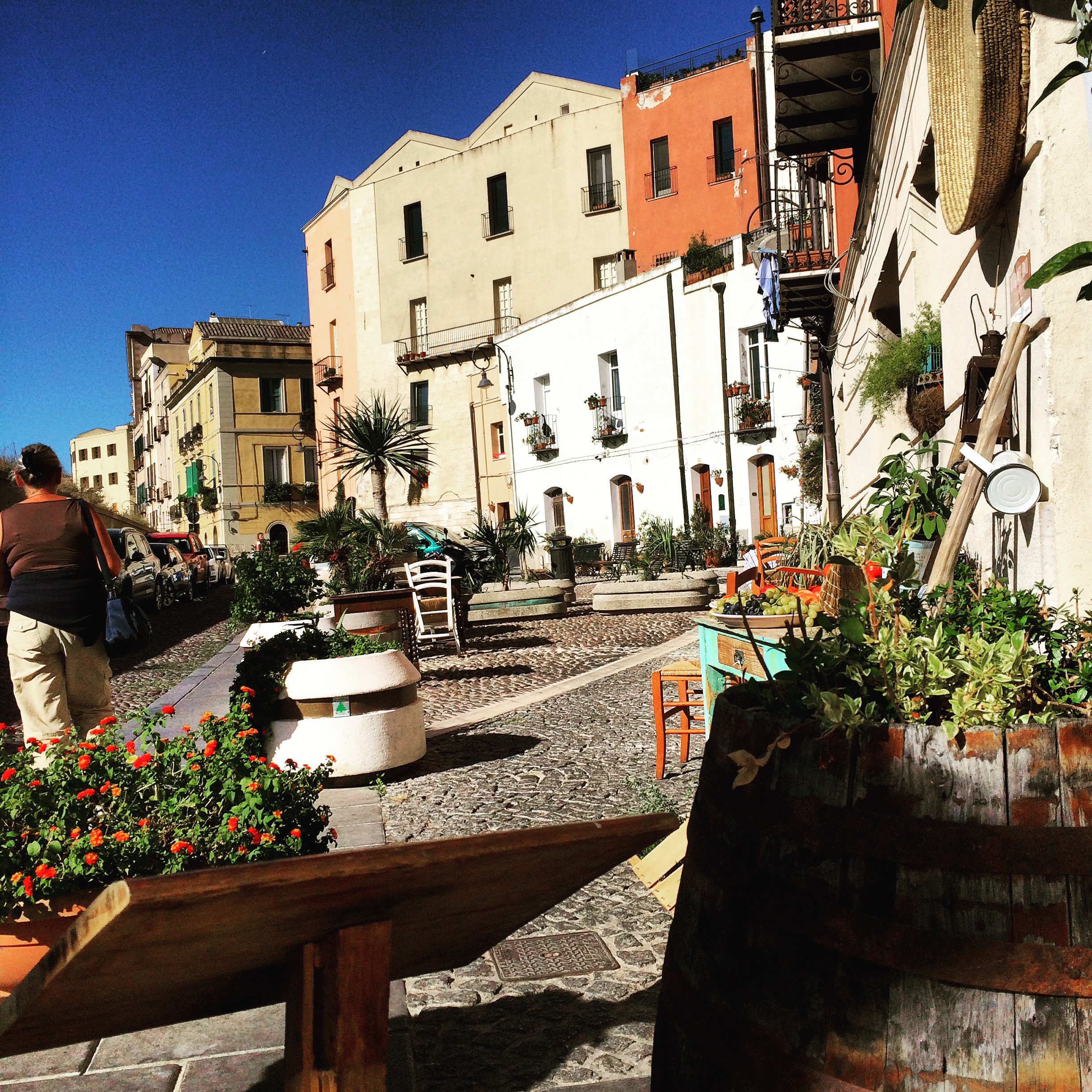
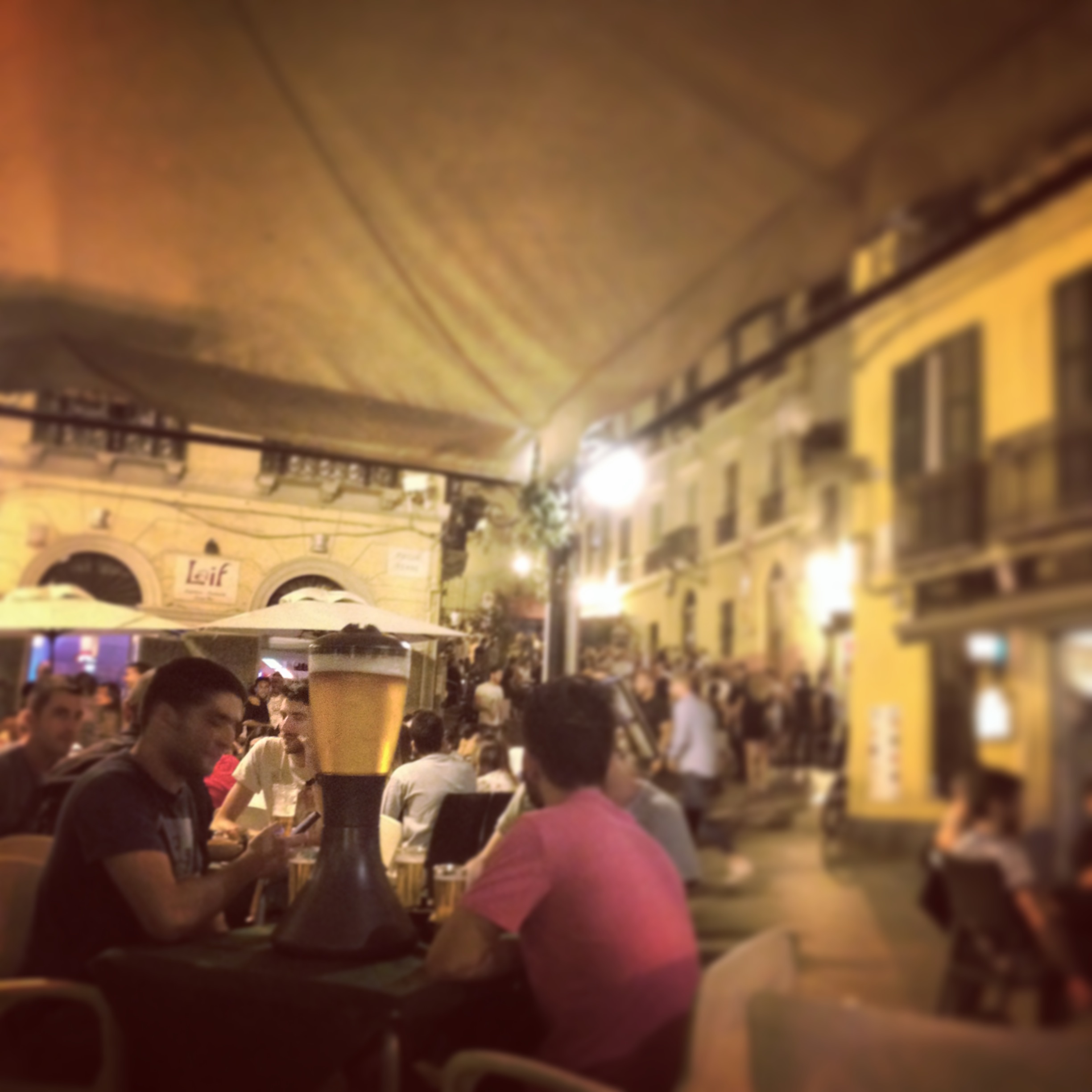
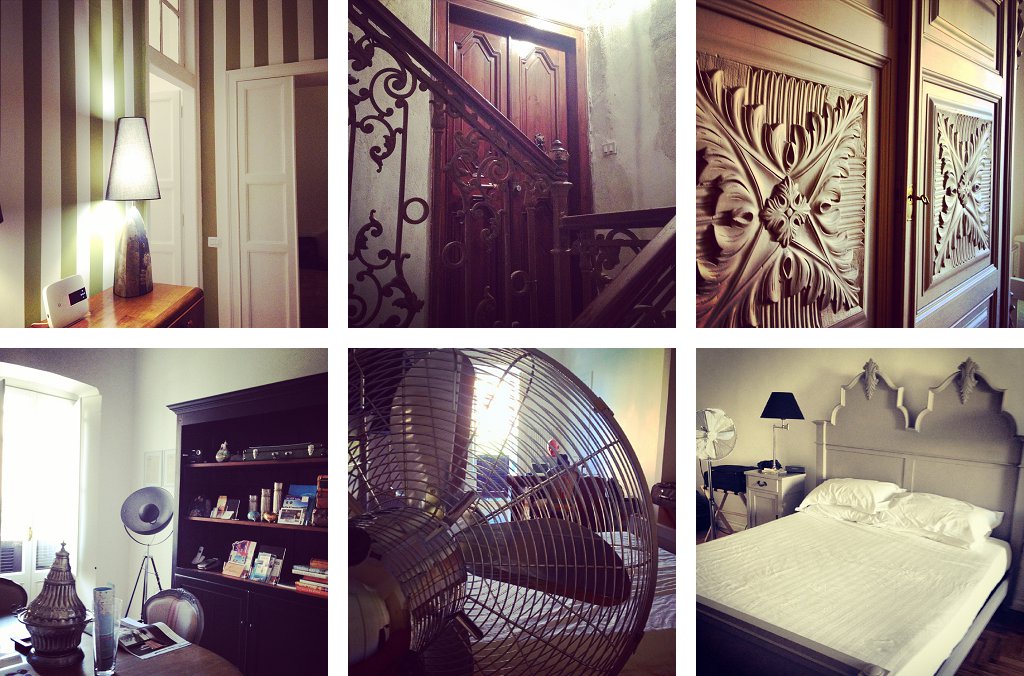
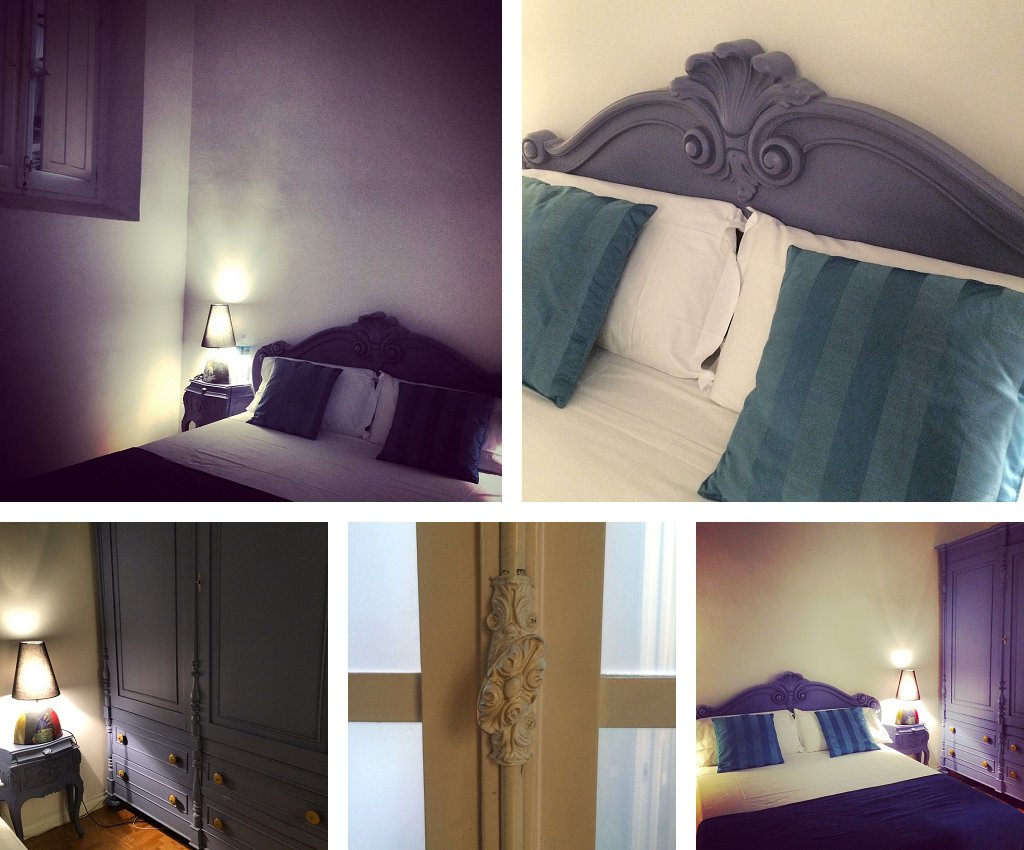
We stayed in an apartment, up the hill from the sea, but still “downtown”, on the beautiful Piazza Yenne. The piazza is bordered by bars and restaurants at ground level, and is lively. But, look up, and you see those beautiful buildings with balconies and railings and shutters. Our apartment was on the top floor of one of these buildings and have been exquisitely renovated – with sound-proofing, too, so we could shut out the noise when we wanted to. Piazza Yenne is the main meeting point for locals, especially during the hot summer nights. People gather here to have a chat before moving on; to sit in the terraces of the many cafes and bars, or simply, to passeggiata. Over the course of two visits to Cagliari we were there for four days in total, and so managed to get out and about and explore quite a lot of the whole city. It’s magical. It’s beautiful. It’s raw and feels real, the kind of city you could actually imagine living in.
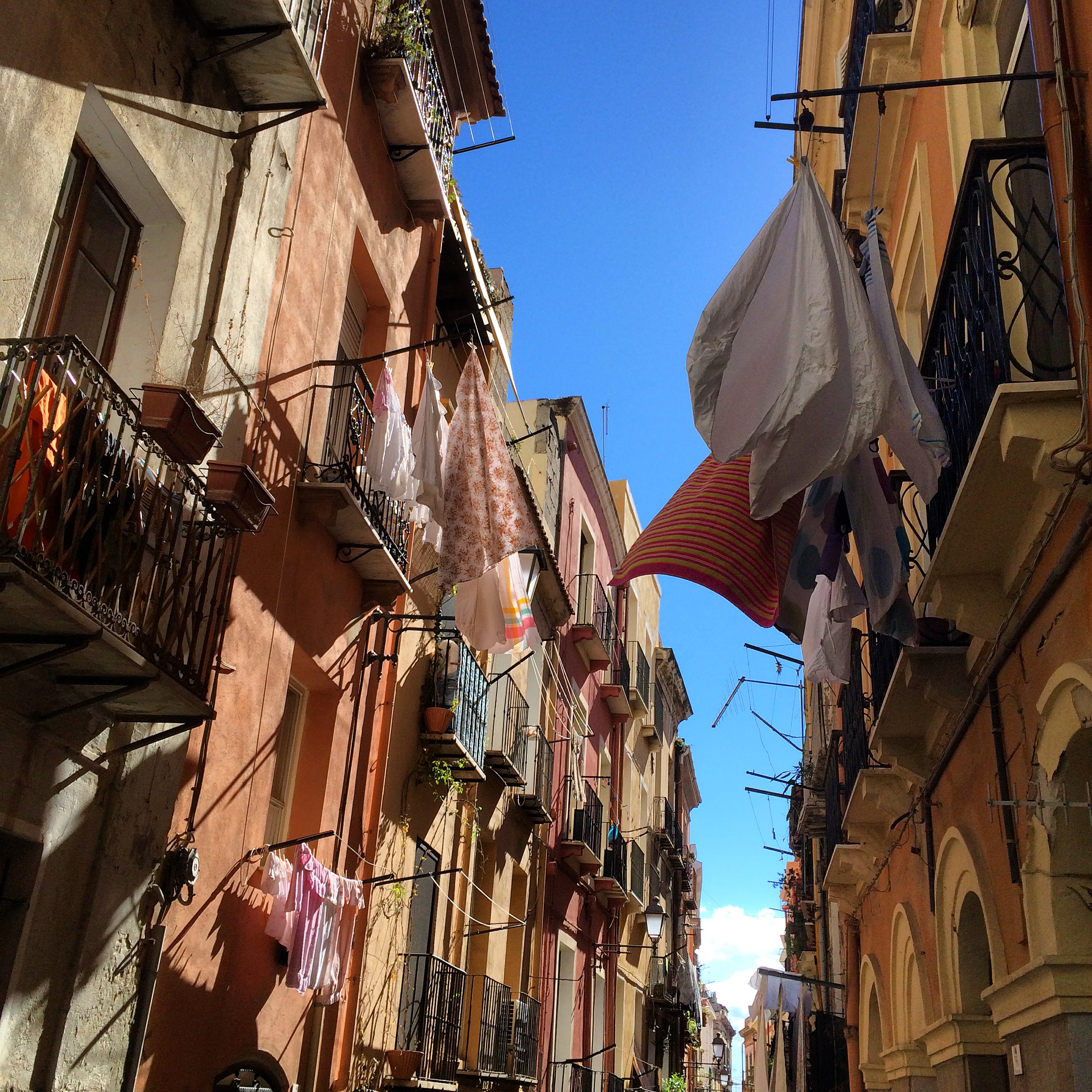
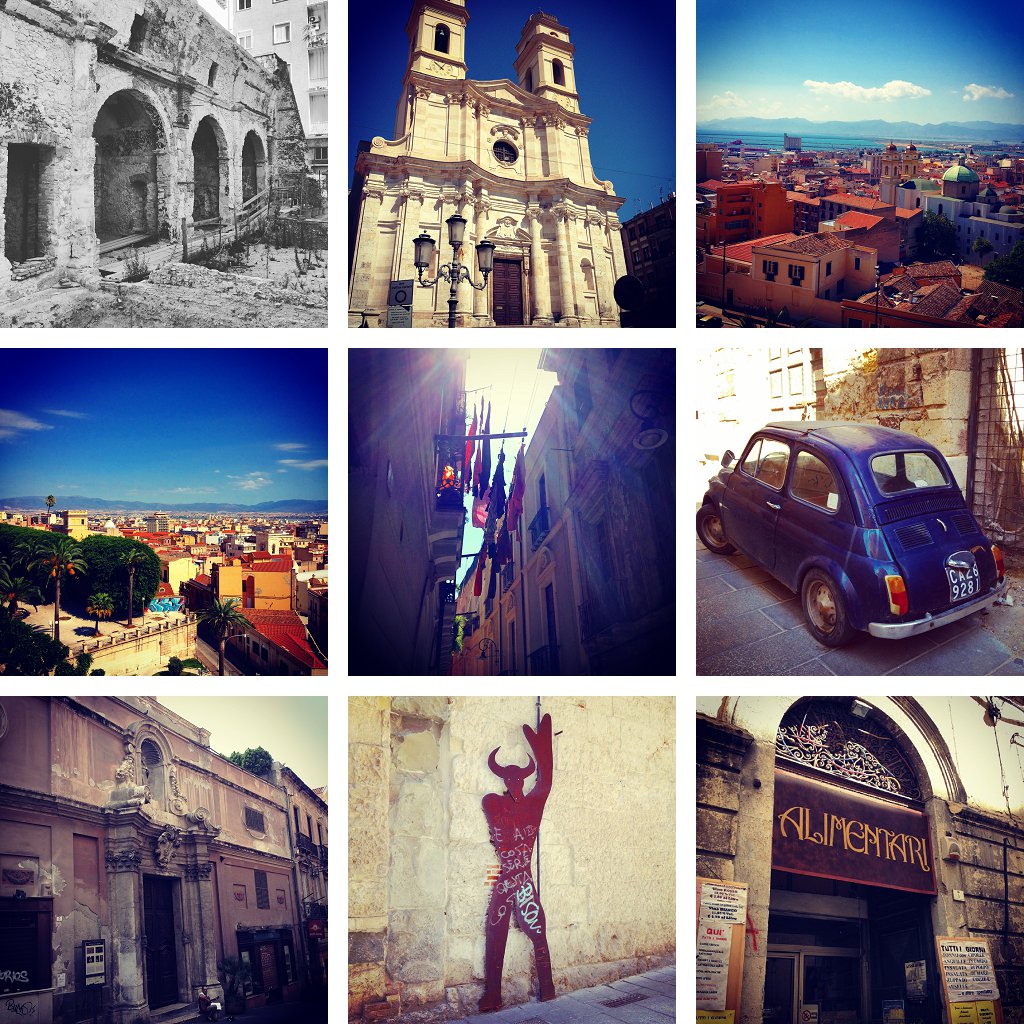
You can either climb up to the upper town, or take a glass street elevator (at the top of Piazza Yenne) – whichever you prefer, just do it, because the upper part of town is even more beautiful and the views even more spectacular. It’s also not quite a crowded and busy, so you can feel a little more as if you have bits of the city to yourself, even in the height of summer.

by Helen | Sep 14, 2022 | Lifestyle
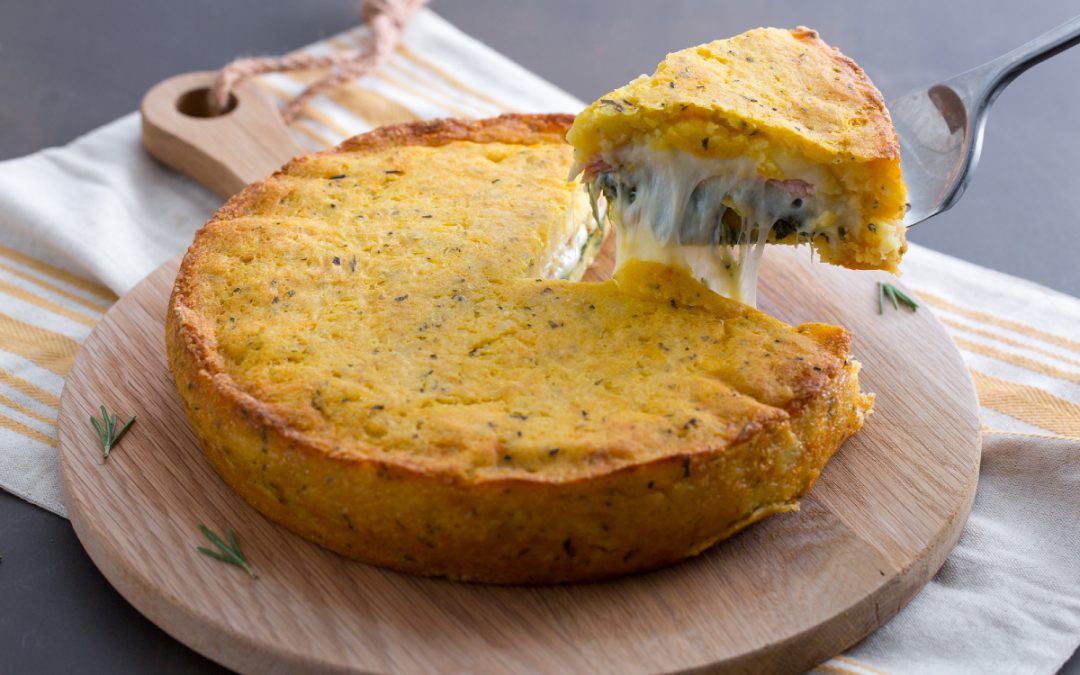
I say this is an Italian Potato and Ham Pie, because I found the recipe on an Italian website – and I used mozzarella and parmesan cheese – but apart from that, I don’t think there’s anything specifically Italian about it. What it is about, is a recipe that is so easy, and ultimately so delicious, that you just have to try it.
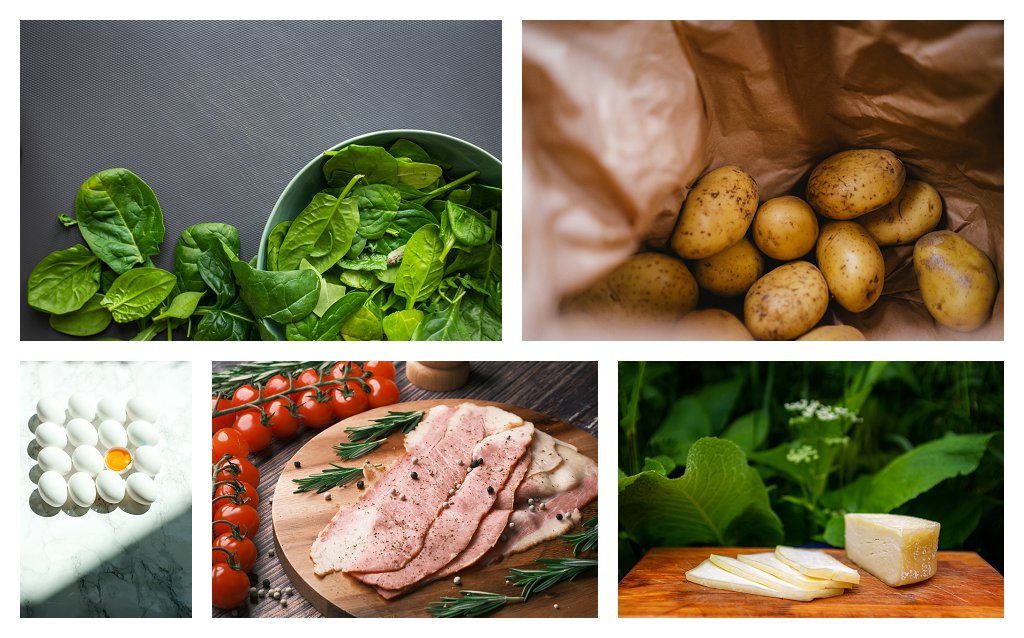
what you’ll need
- Potatoes
- Two egg yolks
- Cheese – the original recipe calls for caciocavallo cheese, but I couldn’t get this and so substituted it with mozzarella
- Grana Padana cheese (or parmesan)
- Fresh Spinach
- Sliced ham
- Olive oil
- Garlic
- Salt & pepper
- Rosemary – fresh is best, but dried will work, too
what you’ll need to do
- Boil the potatoes until ready for mashing – drain, season with salt and pepper, add the grana padana (amount according to taste) and mash, the add the egg yolks, salt & pepper and rosemary and combine, then use of the mixture to line a dish or oven proof tin
- Saute the spinach in the olive oil and garlic – when wilted, drain, so that all of the excess water is removed
- Put a layer of the garlicky spinach over the potato, then a layer of the cheese you are using, then a layer of sliced ham
- Add another layer of cheese and top with the remainder of the potato, pressing it down, so that it is compact
- Brush a little oil over the surface, and bake for around 50 minutes in an oven, pre-heated to 190°C – it’ll then be ready to eat immediately or saved for later, and eaten cold
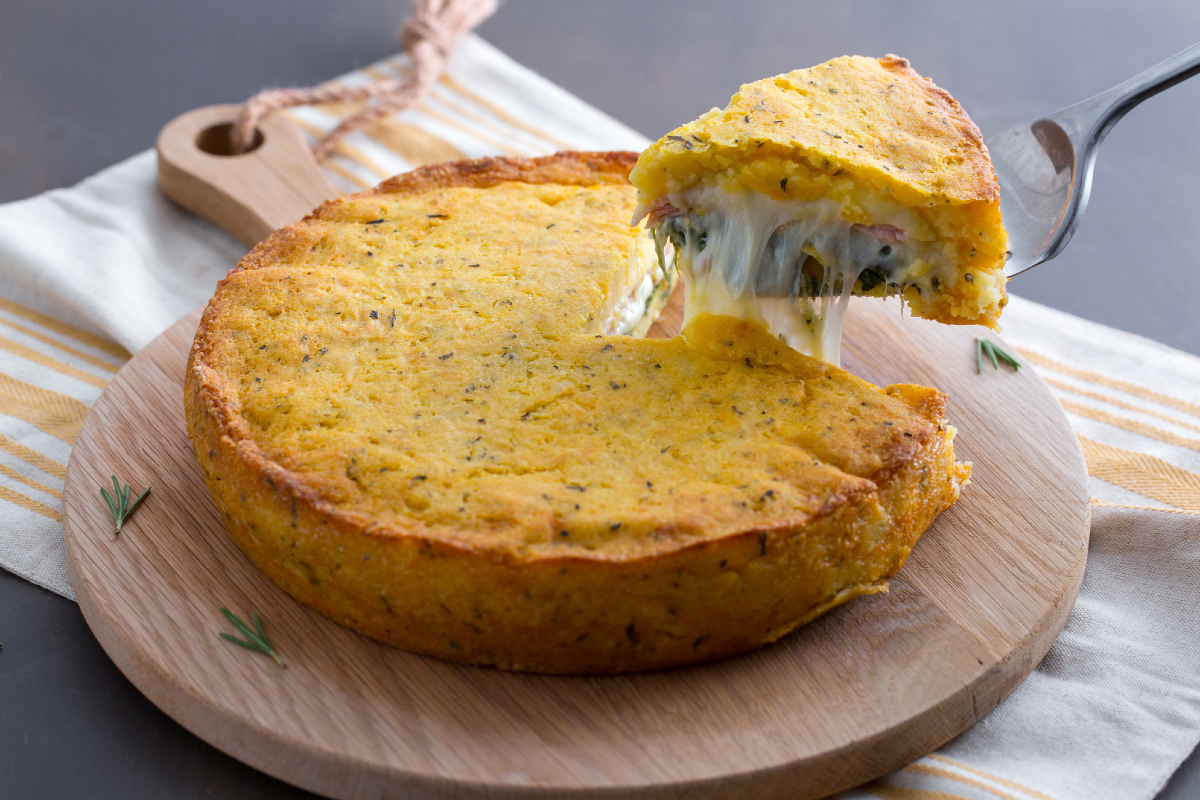
Photo credit : www.giallozafferano.com
by Helen | Sep 5, 2022 | Lifestyle
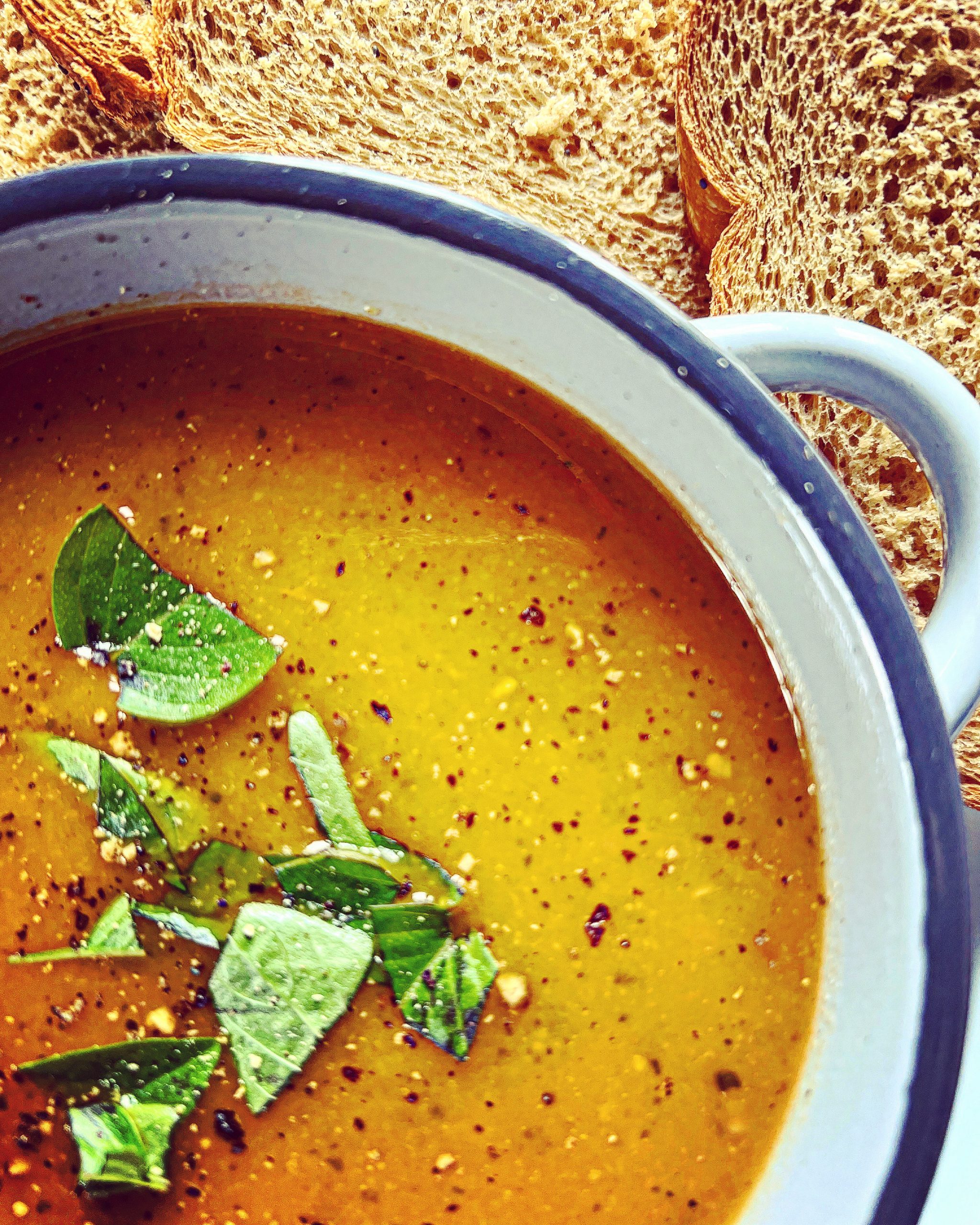
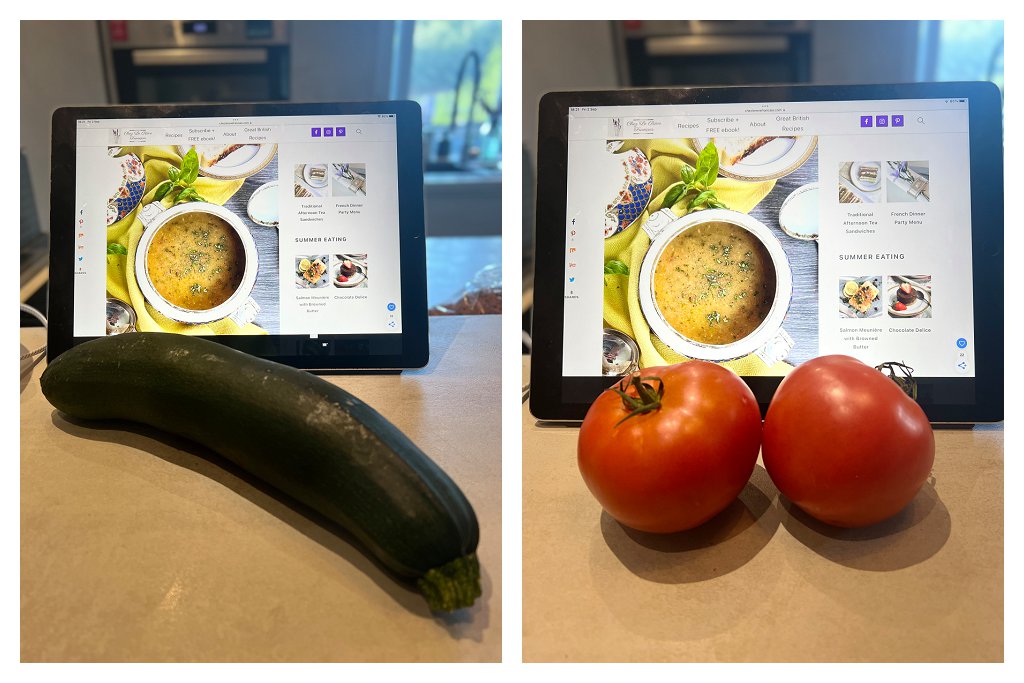
Making a soup is definitely not difficult, especially a veggie one. I’ve made variations on this recipe before, usually making it up as I go along – because how difficult can a soup made of courgettes and tomatoes be? But I decided this time, I wanted something a little bit different, as all of the veggies had come from our garden. Grown from seed. So, this time, I wanted a soup to remember. And, boy, did I find one! It’s still super easy to make, but it packs a punch in flavour terms, as it also includes spicy paprika and a generous sprinkling of chilli flakes. As autumn approaches, and as your garden may have a glut of zucchini and tomatoes, this is definitely a recipe I’d add to your warming and wholesome collection…
what you’ll need
- Tomatoes – ideally ripe tomatoes on the vine for the best flavour. I used a mix of larger beef tomatoes and smaller cherry tomatoes from the garden.
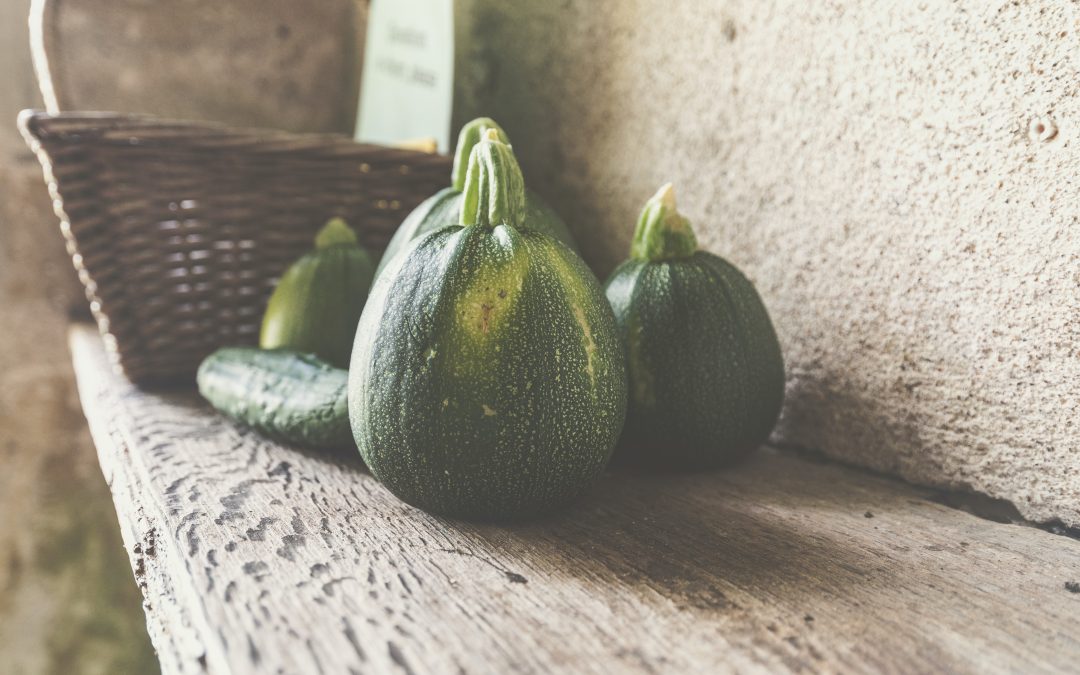
- Courgettes – for this recipe I used one courgette – the one above – and it was definitely sufficient
- Olive Oil – a nice big splash, to start cooking the courgettes
- Large White Onion – red would work as well, I think, but I wanted a bit more depth of flavour
- Plain Flour – a large, heaped tablespoon was used to thicken the soup
- Veggie Stock – two cubes were more than enough, in about a litre of water, which I topped up as & when necessary, as the soup was cooking
- Fresh Basil Leaves, chopped – dried basil would also work, but fresh was delicious
- Spicy Paprika and/or Chilli Flakes – depends on how much of a kick of you want your soup to have. We like spice, so used both.
- Tomato puree – a generous squeeze, for extra colour and richness of flavour
- Salt & Pepper – according to your taste
what you’ll need to do
It really is a chuck-it-all-in-the-pot and let it do itself recipe. I heated the chopped onion and courgettes in the olive oil for about 10 minutes, sprinkling with plenty of salt and pepper. Once soft, I added the paprika and chilli flakes, then the chopped tomatoes and mixed in the plain flour, cooking for a further 10 minutes. The stock was added along with the basil leaves – leaving a few unchopped for garnish – and the tomato puree and simmered for about 40 minutes. The soup was whizzed up until smooth, given another 10 minutes on the hob, and then served with warm, crusty, granary bread. And, there ware more than enough for lunch next day…