by Helen | Aug 8, 2024 | Croatia, Travel
When the San Servolo resort opened again, post lockdown, it was clear they had been keeping themselves very busy. As well as the Steak House and hotel, it looked as if the company had been expanding the site. Our first trip out, when we were allowed to mix and socialise again, was to the new San Servolo Pizzeria. This was a bit of a game-changer for us, as most restaurants near our home were very traditional Istrian konobas and we had missed being able to dine out on pizzas. The restaurant – cool in design, so again a real change from the decor of most local restaurants – became a real staple for us, and visiting family and friends, who all loved it too. As well as the restaurant, an outdoor pool had also been built, and a number of beautiful chalets. We were determined to stay here, even though it was only thirty minutes from home, as we just wanted to do the whole San Servolo experience, and be able to relax with a few drinks when having pizzas.


Unfortunately for us, the chalets at San Servolo, have proven to be extremely popular, and no matter how many times I have looked to make a booking, we’ve been out of luck, as there has never been any availability. However, when we vacated our little apartment in Porec, after moving out of the house, I decided that another couple of days of R&R were needed before we set off on our road trip to Andalucia, and so I tried San Servolo again. As usual – and unsurprising as it was July – the chalets were fully booked, but I did manage to secure a deluxe room in the San Sevolo Villa. And, what a great choice! A lovely big room, as stylishly designed as the rest of the resort, with a big sun terrace and sun loungers, overlooking the grounds. A perfect place to relax even further, after our last few frantic weeks in the house.


Of course, the pizzas featured heavily on both nights, and it was great to finally experience the restaurant, and be able to have another glass of wine, as we were just walking through the gardens to get “home”. Breakfast on both mornings was of a really high standard – buffet style, and as much as you wanted. And, because we realised that this may well have been our last visit to San Servolo we stocked up on their beer (brewed on site and very well renowned in Istria) and a bottle of speciality gin.
Staying at San Servolo, and having our last meals here, made our last couple of days in Istria very special – a place we have long wanted to stay at, and it is where we finished our Istrian adventure…


by Helen | Aug 4, 2024 | Croatia, Travel
When we moved to Istria, we naively thought that our lives would be one long holiday. I mean, that’s why people come to Istria in their thousands. To holiday. But we quickly got into a groove of living in Istria permanently, and it became too easy to “live”. We still had to work. We still had to work on the house. We still had to do regular shopping trips. We did go away a lot, but over the seven years we were there, there were just some places we didn’t associate with *holidays*. And Poreč was definitely one of them. We associated Poreč with admin stuff – our bank’s main branch was there, the most efficient TCom store was there (and we became regular visitors here, as we always had some kind of an internet issue, so the efficiency level, whilst the best we had encountered in Istria, wasn’t technically the best), big supermarkets were there, a big garden centre. So, although it we did visit it, we probably didn’t see it with the same eyes as family saw it, who always loved and highly rated this coastal town. According to Wikipedia, Poreč is a town on the western coast of the Istrian peninsula, its major landmark being the 6th-century Euphrasian Basilica, which was designated a UNESCO World Heritage Site in 1997. The town is almost 2,000 years old, and is set around a harbour protected from the sea by the small island of Sveti Nikola/San Nicola (Saint Nicholas).
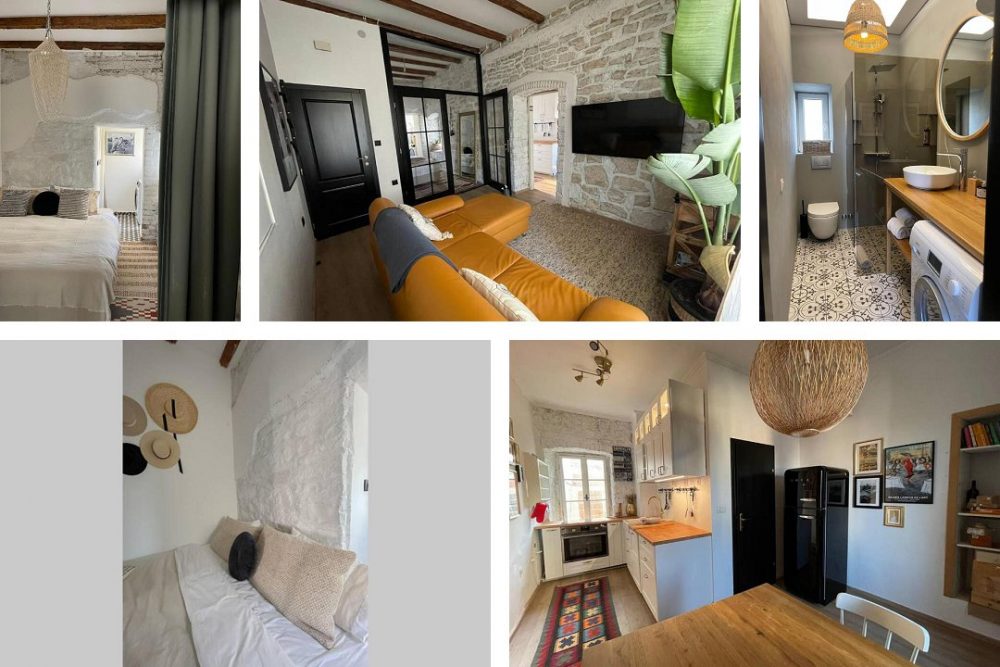
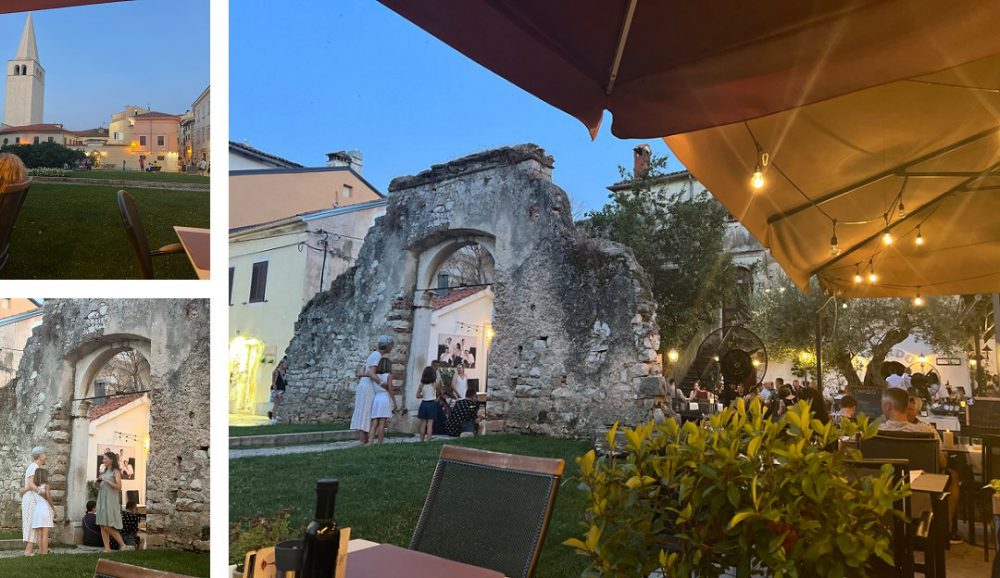
So, why the love for Pore, now, when we’ve sold up and we are moving on? Well, simply because we’ve now had a glimpse of it as a holiday destination rather than an admin pit-stop. When we moved out in early July, we were, quite honestly, too knackered to even begin contemplating the drive across Italy, the ferry journey and the drive from Barcelona to south west Spain. The decision was made to book four nights in the historical centre of Poreč, where could just unwind, relax and if we needed to go to the storage unit for any last drop-offs, we could. A very cute apartment, slap bang in the middle of the Roman heart of Poreč – The Bungalow by the Sea – was booked, and it was the best decision we could have made. Situated above the family run restaurant, it was 5 minutes from the sea and in the heart of the winding, cobbled streets, with a view of a Roman arch, surrounded by very cool and chic bars and restaurants. The apartment was really quite beautiful and perfect for our four night stay. The bonus being it had a washing machine and dryer so were able to get clothes washed before we set off on our road trip. Sadly, we soon filled the apartment with the belongings we had squeezed into the car for the roadtrip, as we needed to reorganise them, so the only photos I have, have to be credited to the booking website…
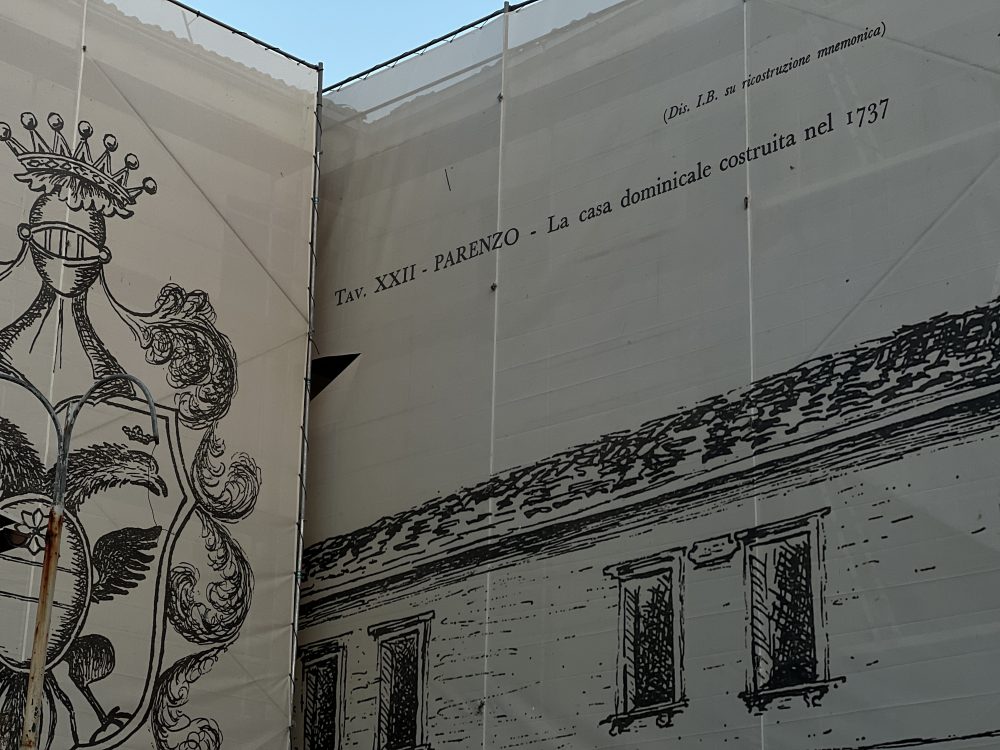
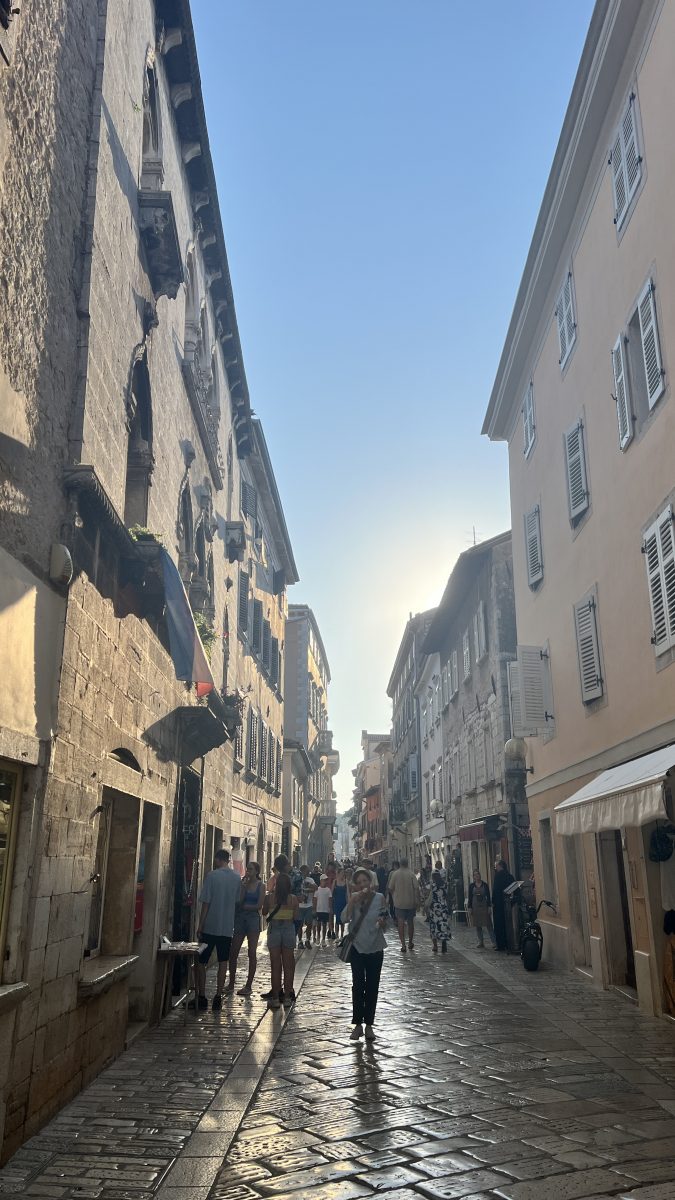
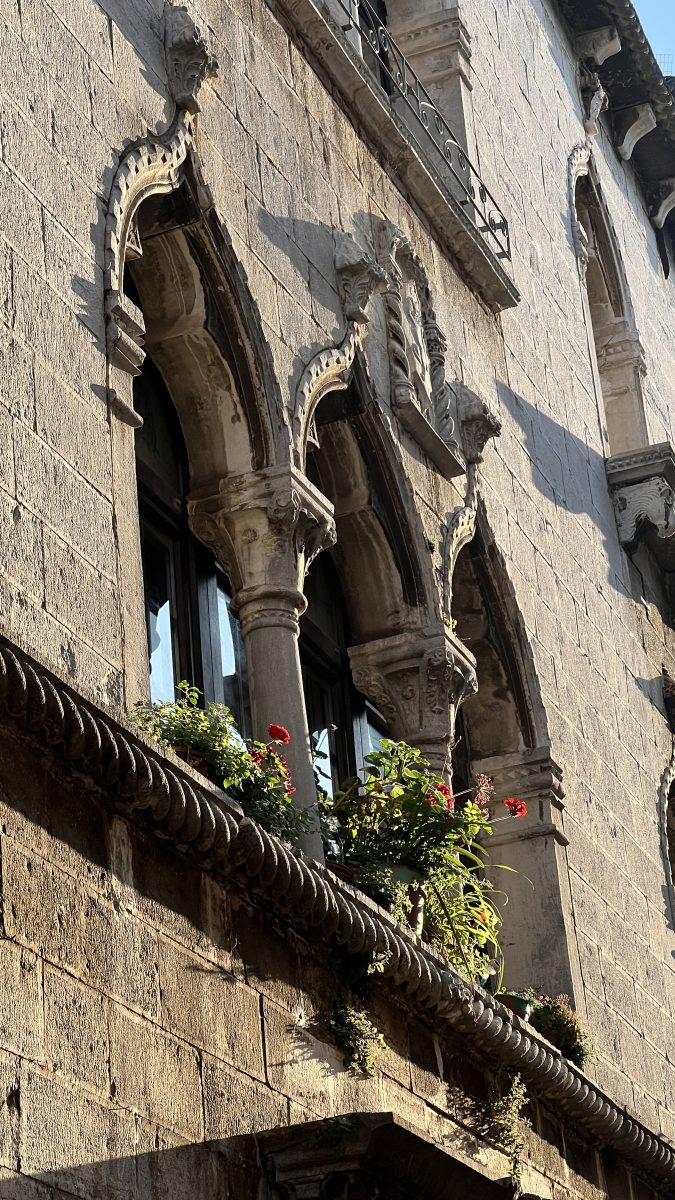
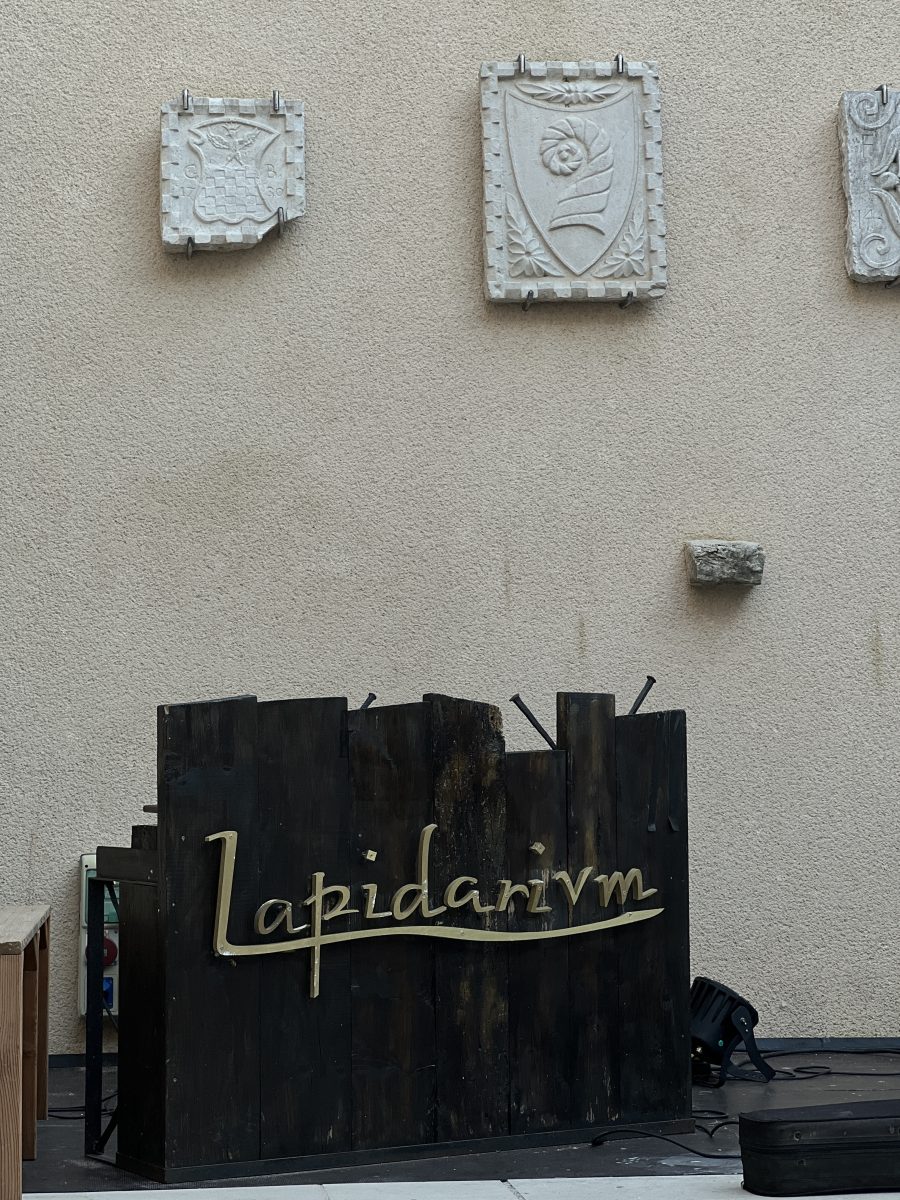
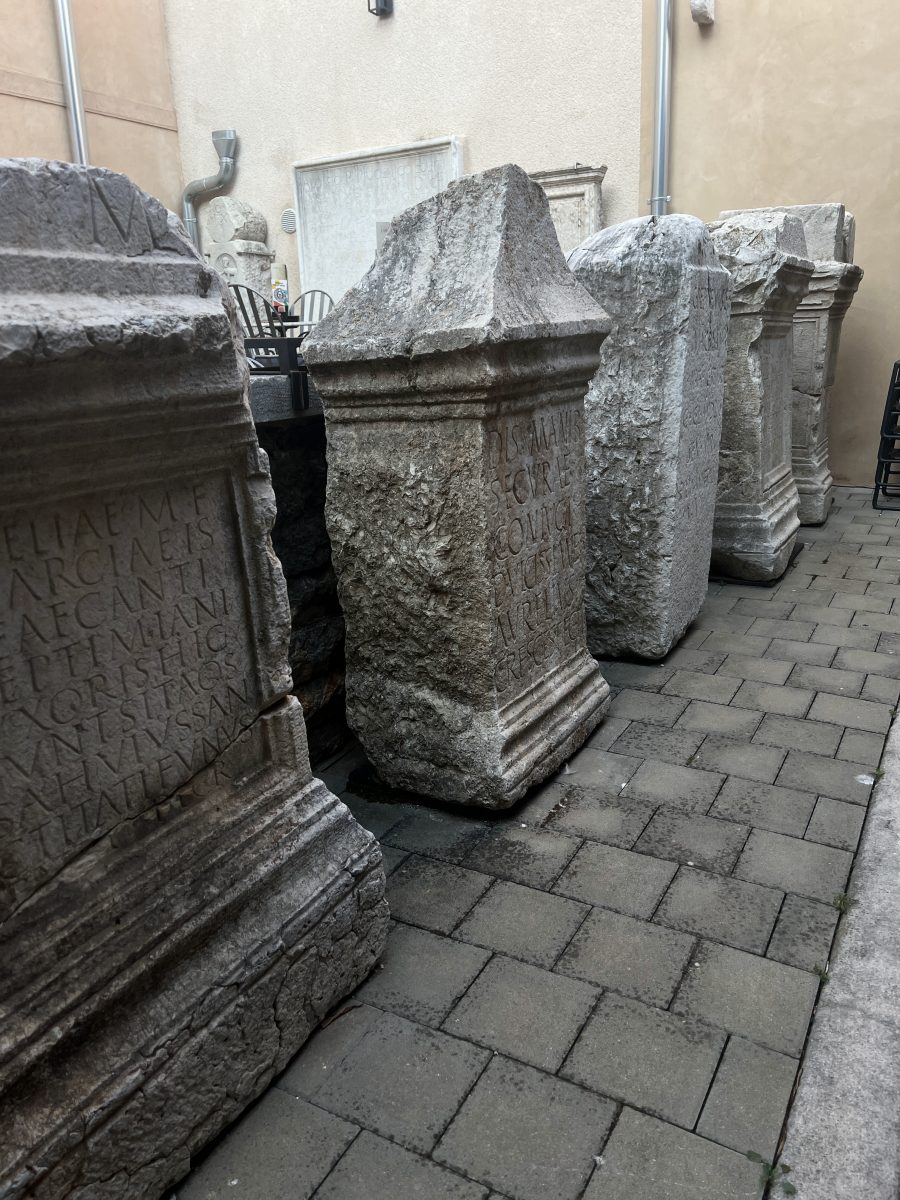
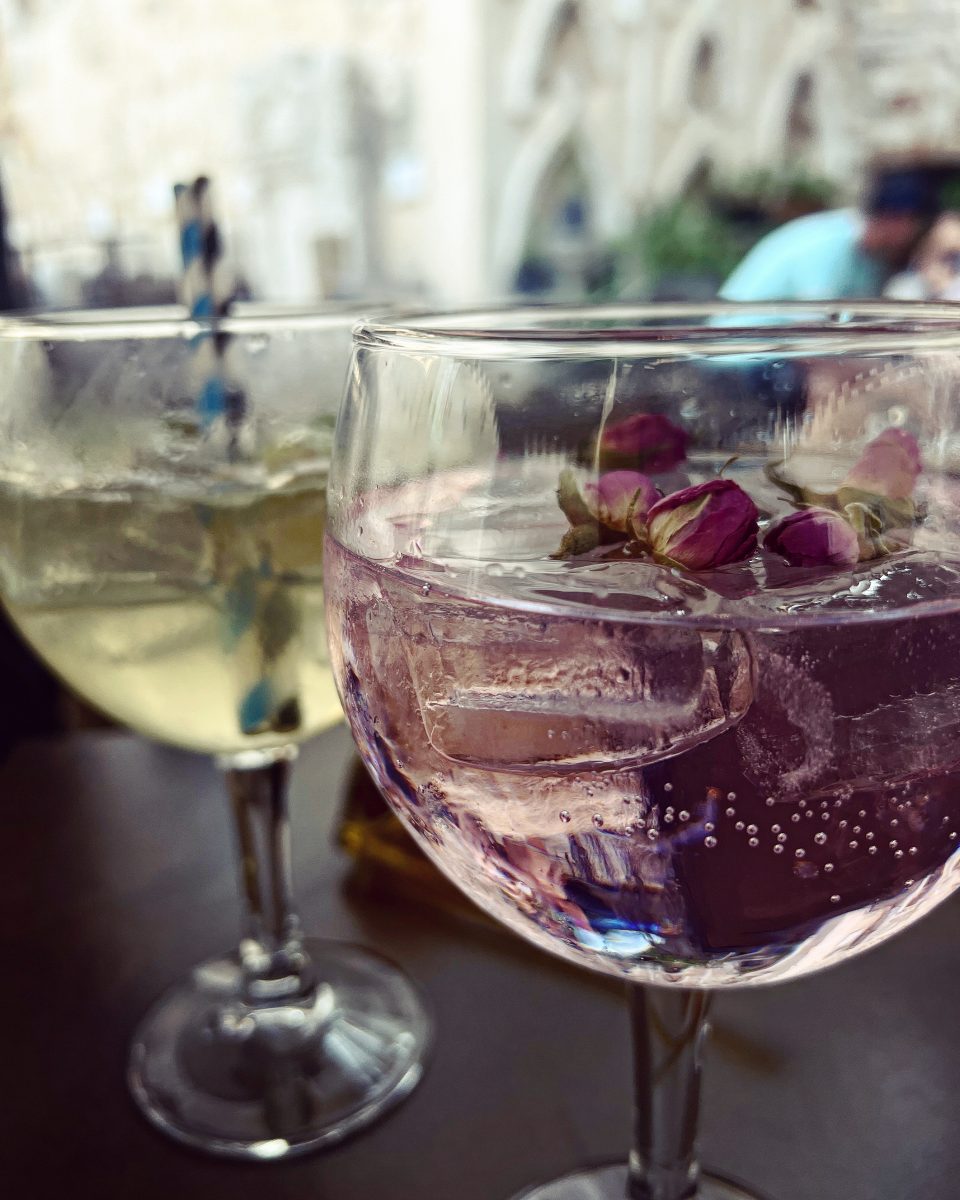
The historical centre of Poreč really is quite beautiful, with many reminders of the past, and it’s no wonder it’s designated by UNESCO as a World Heritage site. Cobbled streets wind up from the sea, twisting and turning and always full of beautiful apartments, independent shops, cute bars and restaurants and very, very historical buildings. Unlike the area where we lived, until recently in Istria, which was very quiet and pastoral, the centre of Porec is lively and buzzing, with a real Mediterranean feel to it. It feels as if it is on the cusp of being discovered, rather than well known, and so doesn’t feel overcrowded or overly touristy. Just beautiful and interesting and well worth a meander.
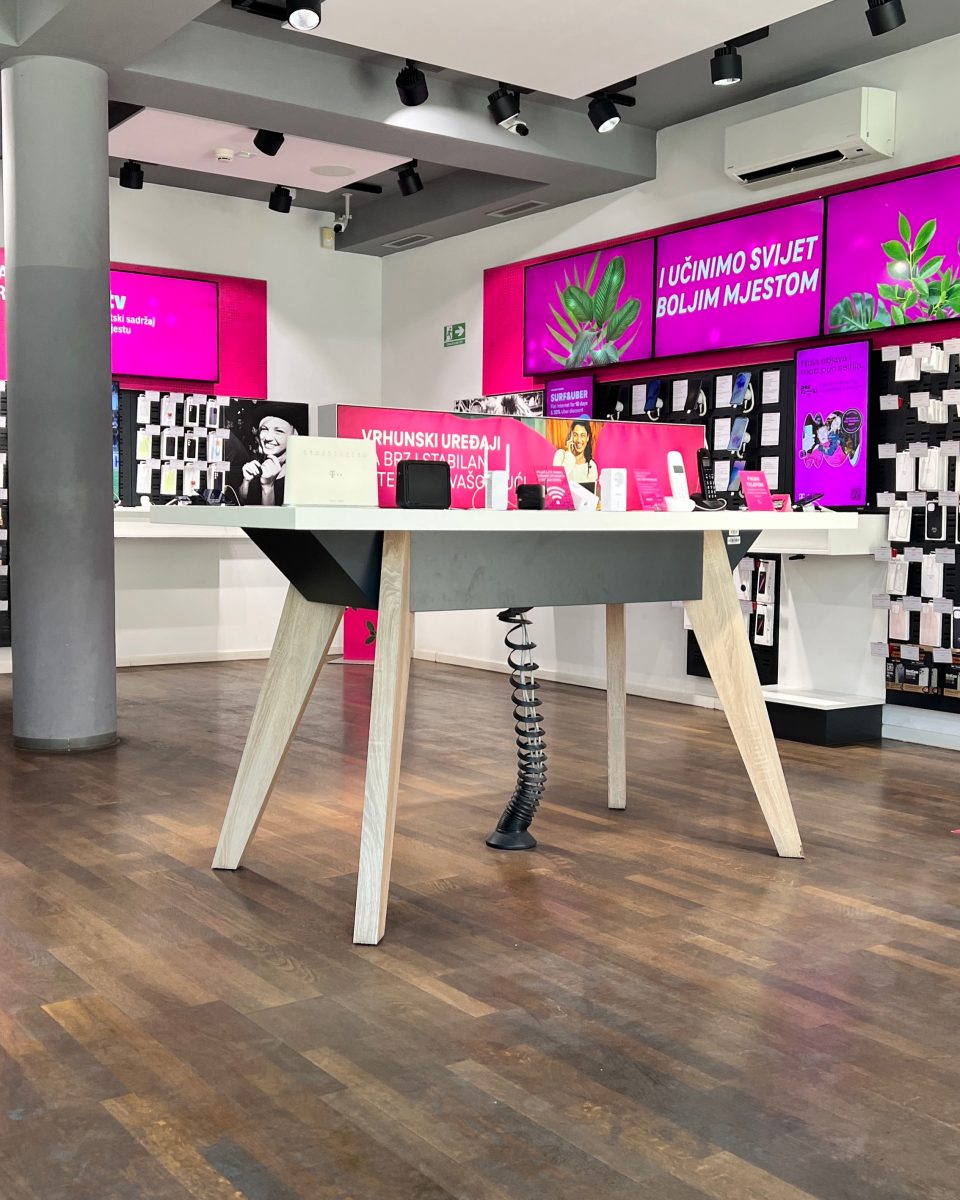
However, our trip to Poreč wasn’t all fun, fun, fun. We still had to squeeze in a trip to our least favourite store of all time – TCom – to try and cancel our internet service with them and leave the routers. Unsurprisingly, our experience was the same as it has ever been – disappointing, and a complete waste of time. Four weeks on, we are still waiting for a refund issue to be resolved and we still have the two routers, travelling in our car with us, across Andalucia. Nice to see that they didn’t let us down at the final hurdle…

by Helen | Jul 30, 2024 | Italy, Travel
I’m never 100% sure about hotels or apartments with names like *Cosy Moods*. Although I should know to hold my judgement as we did once stay in an apartment in Alghero called “Holiday Fever” which exceeded our expectations. And, I’m delighted to say that Cosy Moods did the same. And more.
We booked a couple of apartments here in July, as a thank you to friends who had helped us out massively with getting all of our belongings into storage when we sold our house in Istria. They were travelling back to the UK from Verona and so were getting a train from Trieste, so we thought it was an ideal place to treat them to a night in this beautiful, but often overlooked, Italian city. The location of the building that the apartments were in, was perfect – very close to the station for our friends to leave early the next morning, and very close to the Grand Canal which we knew would be a perfect choice for dinner. Also, ideally situated for parking in the big Molo car park, right on the seafront.
Communications with Asia, the owner were excellent and with her directions, we were soon in our apartments. After a very dicey lift experience – clearly not suited for four people, it was tiny and took an age as it rattled and groaned its way up the floors. At one point, it started to get a little claustrophobic and I genuinely thought it might get stuck – but with some magic button pressing it arrived at the right floor and the doors opened, to much relief all round.
The apartments were utterly gorgeous. Renovated within a historic building, with the most amazing attention to detail. The floor of our apartment was very creaky, but unbelievably beautiful – original floors from the early 18th century, no less, so we could forgive the creaks. Furniture was minimal but carefully chosen, as was lighting. The bathroom was small, but so well designed and featuring the most exquisite marbled walls. Our view was across the rooftops of Trieste and the spires of a church opposite, so lots to drink in. But what I loved most, were true dimension prints on the walls, showing the apartment pre-renovation. They were so clever and worked so well, that you actually felt you could walk through the doorways…


The photos, above and below are close ups of the large wall prints, depicting the rooms before the renovation works.


Dinner on the Grand Canal just topped off a really lovely evening, with two very, very good friends. A wonderful time spent laughing and reminiscing and planning, as dusk fell. Perfect.


by Helen | Jul 30, 2024 | Lifestyle
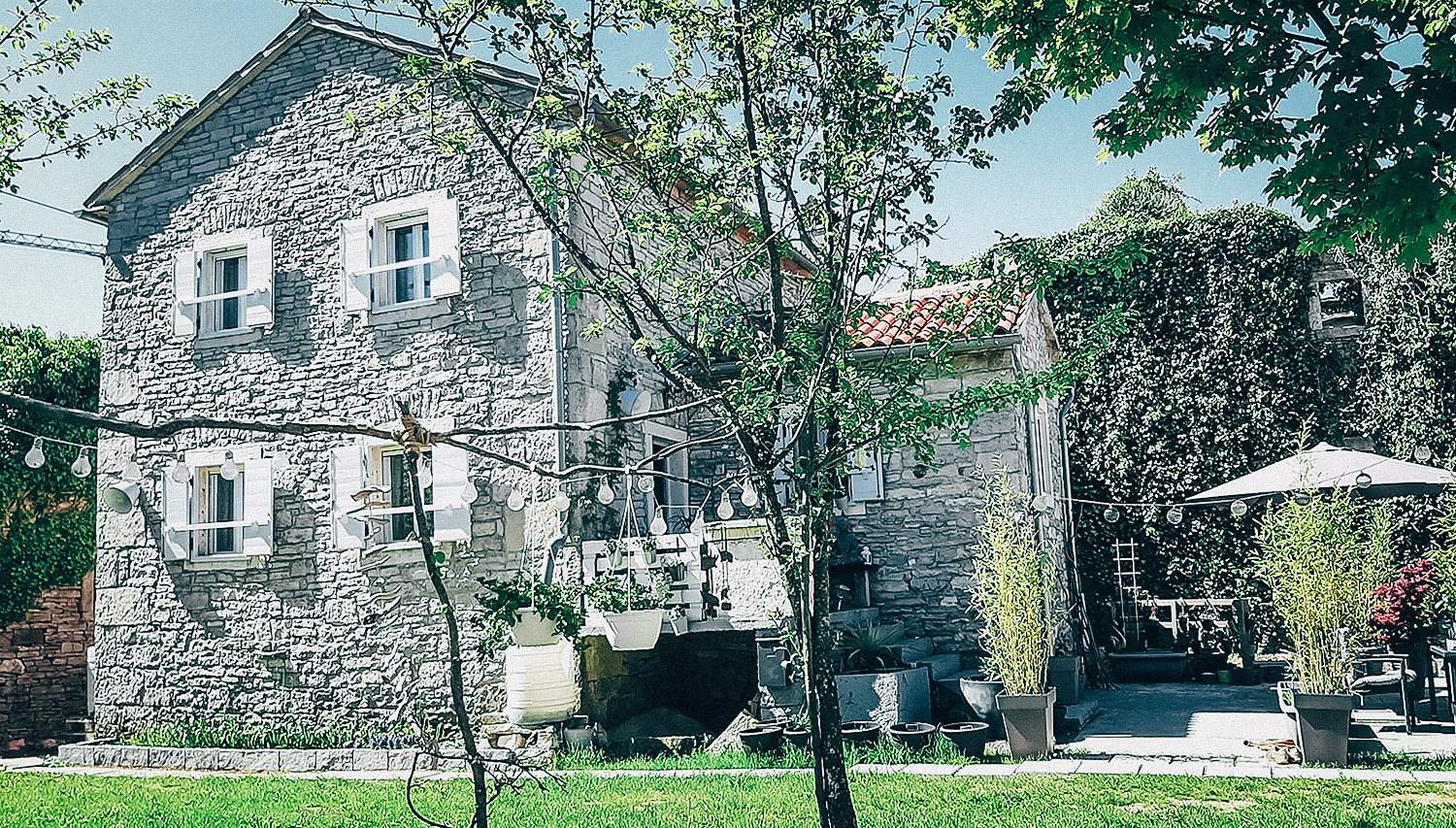
Well, it has happened. On the 8th July, we turned the key in the lock for the final time and said goodbye to our much loved, renovated Istrian stonehouse and our lives for the last seven and a half years.


When we put the house up for sale in March, after the completion of the new garden to the rear of the house, we had our first viewing almost immediately and a price was agreed very quickly. We met the potential new owners a few times before we finally completed, and we could not be happier that they found our home. They *got* her and all of her quirkiness and we hope that they are now enjoying a little piece of Istrian idyll.
Once the sale was agreed and the deposit paid, we swung into action. We weren’t planning to move to the next town, so we had to be super, super organised. We were planning to move Andalucia – and I say planning, because although we had viewed houses online and had spoken to estate agents, we hadn’t had the opportunity to view anything. We also had to clear a whole house and try and get a storage unit – nothing could be transported out to Spain until we knew where we were going to be. However, finding a storage place in Istria did not prove easy. Nothing of the kind seemed to exist, until one day, we were driving back from Porec and we spotted a hoarding at the roadside advertising Blue Box Storage. Very similar to the storage places in the UK, it had recently opened. We checked it out and it was perfect for our needs, so we booked a room from 1st July, so that we could begin to start to move things. Although we’ve done this kind of move before, we still underestimated how long it would take to pack and how many trips we’d need to do, but we did start off well, packing boxes tightly and neatly, and stacking them up in our Well Room. “This is a doddle!” we thought. Stupidly.

We did lots of car trips, moving boxes and smaller items and the unit soon started to fill up. It became clear quite quickly that we were going to need some help, and a big van, and our lovely friends Amanda and Steve, who were going to be in northern Italy, offered to help. What a godsend. We hired a white van for two days, and in that time, we largely cleared what was left in the house. All of the big furniture was moved, artwork wrapped and safely transported and garden furniture dismantled and taken away. Televisions went. Comfy chairs. Kitchen stuff. And pretty soon, we had filled our large room in the the storage unit!


When Amanda and Steve left, the house felt very empty – quite literally. We had a few days of indoor camping, a few more trips to squeeze in yet more stuff into the storage unit, and then before we knew it, we were packing the car with essential belongings to lock the door for the very last time. We were so happy to share this moment with our family, who have spent many happy times in our Istrian home, and over FaceTime, they waved off the house too.
So, our lives are largely in a storage unit, with us now on the road, with a very full car. Things have progressed very quickly since we left and suffice to say, we may be arranging for that storage unit to be emptied in the very near future and all of our belongings making their way down to Andalucia, to join us…


by Helen | Jun 11, 2024 | Lifestyle
If you are a fan of deliciously creamy butter beans, you might like to try this, if like us, this method of cooking them, has so far passed you by. Roasting. Yes, that’s right, roasting then in the oven. And I guarantee, you’ll be as in love with this way of doing them, as we are…
It’s so, so simple to do, but by doing it this way, you give the beans a whole new lease of life. Smothered in olive oil, seasoning and whatever spice you choose to use, they literally crack and burst open with the best flavours, whilst still retaining that buttery, creamy, gorgeous inside. If not left roasting for too long.
All you need to is drain, rinse and pat dry a can of butter beans, then spread them evenly across a baking tray. They will roast so much better if allowed to expand and pop a little bit, so try not to have them sitting on top of each other. Smother with generous glugs of olive oil and season with salt and pepper. Then just add a couple of heaped teaspoons of the spice of your choice. We used garam masala for an Indian kick, but paprika, cumin, ground coriander – whatever tickles your tastebuds – would work just as well, I think. Then, in a pre-heated oven for about 30 minutes on 180°C.
Perfect as a side dish, part of a mezze, incorporated in a salad, added to a soup. The list endless – but do try, as they are gorgeous. The photo below was ours, prepped, ready to go into the oven. Unfortunately, I failed to snap the roasted end product as was just eager to get stuck into them, as the aroma was divine. Roasted butter beans. The future…


by Helen | Jun 7, 2024 | Lifestyle
I’ve been keeping a diary/blog of our journey in our stone house in Istria, since before we moved in, in 2017. We’re now so very close, to moving. Yes, after seven years of renovating and creating a beautiful home from the shell of a building, we’re hopefully onto our next adventure. Packing boxes are now filling up The Well Room, the room designated as the storage room, as we start to pack away things which aren’t going to vital to every day living.

The last time we moved, in 2017 from Manchester to Istria, we really understimated how long it takes to pack up a house for a long distance move, and so we are aiming to be a whole lot more prepared this time. Last time, we were still boxing up belongings on the day the removal lorry arrived, and so forget various things. Including a huge green ceramic pot from the garden, and two lovely, stylish charcoal grey garden chairs. This time, we won’t be leaving anything behind that we don’t intend to.
If all goes according to plan, we complete in 1st July and vacate on 8th July, our buyers kindly having agreed to us having an extra week, to help sort our onwards move. Currently, we still don’t know exactly where to, although our online property search has narrowed to a couple of towns in south western Andalucia. We’re forging links with estate agents, solicitors who specialise in moves of our kind – one of is still an EU citizen, courtesy of Irish ancestry, the other still a UK citizen, so guess the complexities that will arise here – and a company who will transport everything we own from Istria to Andalucia, once we are settled. In the meantime, we think we’re just going to have to get used to living amongst boxes…


Until July 1st comes around, we’re still very nervous and quite anxious in case the whole things falls through. We don’t think it will, as our buyers seem very genuine, and we’re so close to the finishing line, that we’re trying to steady our nerves and reassure ourselves that any wobbles from them would have come much sooner. Plus they have a big chunk of a deposit to lose if they back out now. But we can’t settle until we’ve all signed on the dotted line and the balance has been paid. So, we’re just trying to keep upbeat and keep packing. Hoping that the next time we see our belongings will be in Andalucia…


by Helen | May 27, 2024 | Travel
Saint-Guilhem-le-Désert is a village, Hérault department in the Occitania region in Southern France, renowned for its well-preserved medieval architecture and the Abbey of Gellone, a site of historical and religious importance. The village is nestled in the Gorges de l’Hérault, providing stunning views and a serene environment – and on the recommendation of a friend, we headed out towards the village on a roadtrip. Sadly, the weather wasn’t on our side, and as we got deeper and deeper into the countryside, the clouds gathered and the rain started to fall. However, the roads we were travelling on, were spectacular, lined with the most amazing trees.


The road to Saint-Guilhem-le-Désert, takes you along the stunning Herault Valley, with steep, rugged cliffs, dropping down dramatically into the winding river below. You also need to cross the Pont du Diable, one of many Devil’s Bridges in France. Although the weather prevented us spending time exploring the preserved medieval village of Saint-Guilhem-le-Désert, it was pretty much perfect for an exploration of the bridge and surroundings. Dark, brooding clouds and increasing winds, all added to the feeling of mystery.

The Pont du Diable is a remarkable medieval stone arch bridge, spanning the Hérault River and is one of several bridges in France with this name, and attributed to various legends involving the Devil. According to local legend, the construction of the bridge was fraught with difficulties, leading the monks to strike a deal with the Devil. The Devil promised to help complete the bridge in exchange for the soul of the first living being to cross it. Upon completion, the monks tricked the Devil by sending a dog across the bridge first. Enraged by the deceit, the Devil tried to destroy the bridge but failed, and the bridge has stood firm ever since.
It was constructed between 1028 and 1031 by Benedictine monks from the Abbey of Gellone (located in Saint-Guilhem-le-Désert) and the Abbey of Aniane, and features a single, wide arch design, which was quite advanced for its time and demonstrates the engineering prowess of the medieval period. The bridge spans 50 meters and rises to a height of 18 meters, so is definitely a pretty impressive structure, Originally built to facilitate safe passage for pilgrims traveling to Saint-Guilhem-le-Désert, the bridge became an important stop on the pilgrimage route to Santiago de Compostela, and also improved local connectivity, promoting trade and communication in the region. It is now part of the UNESCO World Heritage designation for the Routes of Santiago de Compostela in France. Located near the Gorges de l’Hérault, it is a scenic area perfect for hiking, swimming, and other outdoor activities – and even on the day we visited, there were very brave people jumping in and swimming.


Maybe next time, we’ll get to Saint-Guilhem-le-Désert, but if not, just pretty delighted that we stumbled across this particular Devil’s Bridge, albeit on a stormy day.

by Helen | May 17, 2024 | Croatia, Travel
Vrbnik is a picturesque town located on the eastern coast of the island of Krk, which is part of Croatia’s northern Adriatic region, known for its medieval architecture, stunning views, and rich cultural heritage. It dates back to medieval times, with its first documented mention in 1100 AD, and has a well-preserved old town area, featuring stone houses and and a maze of winding, narrow streets, including its most famous claim to fame – Klančić, reputed to be the narrowest street in the world, measuring just 43 centimeters at its narrowest point. Definitely not a street to try and navigate if you are even slightly claustrophobic, or with bags and luggage.
We’ve been to Vrbnik before and loved the town, but where we stayed wasn’t the best. It maybe didn’t help that it was August and temperatures had soared, rendering the aircon almost useless. The apartment, although it looked good enough online, was a bit lacking in reality, so we vowed that next time we returned, we’d find somewhere better. And, over Easter we did, when we returned with family. Design Hotel Verbenicum is located just on the outskirts of the old town, about 700 metres from Kozica Beach – but it’s such a small town, that it’s only a ten minute stroll into it. The hotel is super modern, with a huge glass frontage – if you’re lucky enough to get a room at the front – which we did – you will have views of the town and the sea, from your balcony. If you have a rear view, you’ll be overlooking the pool area, and there is a lovely garden area at the front of the hotel, so you won’t miss out on the views. We had a double room and a suite and both were super stylish – designed to a very high standard and with absolute attention to detail. We had everything we needed for an overnight stay – including proper wine glasses, which is always a bug bear of mine, when you pay for good accommodation and have to resort to using the glasses in the bathroom. So, what did we find when we stayed here?


Unfortunately, when we stayed we were still two weeks away from the pool opening, and the hotel did have the feel of having just having opened its doors, after the winter hibernation. However, we thoroughly enjoyed our short stay – and the highlight really has to be the breakfast, which was included in the price. A huge choice of fresh pastries, meats, cheeses, breads and drinks, as well as eggs done any way you wanted – and as many as you wanted, too. The restaurant, where breakfast is served overlooks the terrace and the shimmering sea beyond, and it was an utter delight to relax into the day and have a leisurely, long meal. A pretty much perfect hotel – although be warned if you have mobility issues, it’s pretty steep in places, with lots of steps. This can be avoided by parking at the front and offloading luggage and then taking the car back up to the car park. Not a hassle really, but just good to know.
by Helen | May 16, 2024 | Croatia, Travel
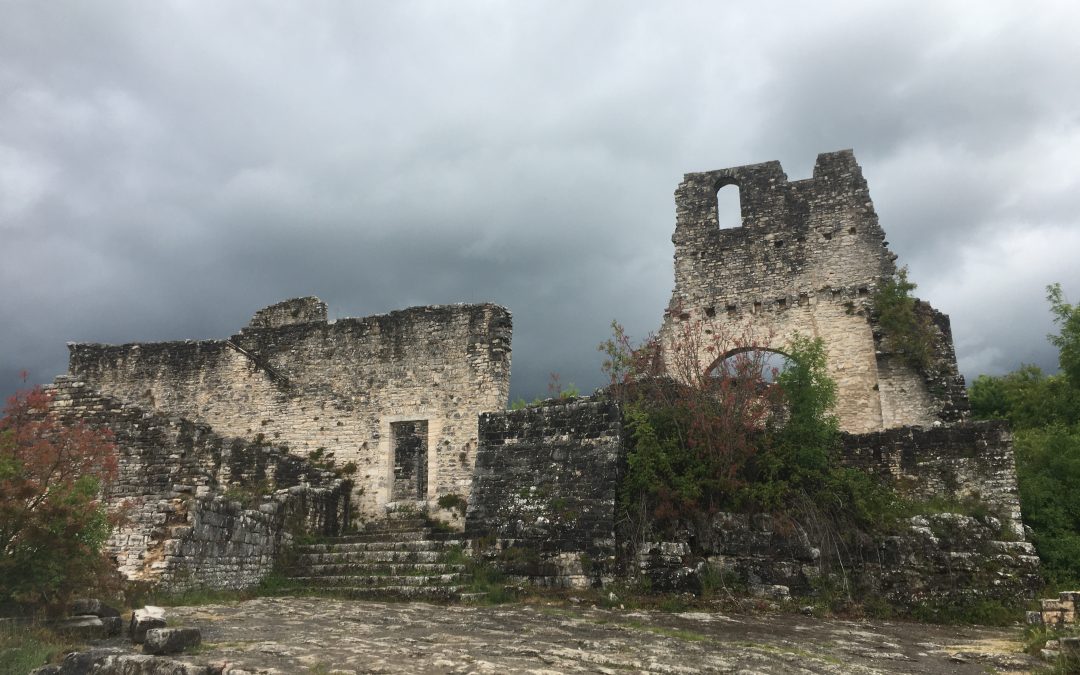
If we take the motorway south, to Pula, through the Istrian peninsula, about halfway down, we cross a high road bridge. From this vantage point, nestled amidst the lush countryside, it is possible to catch glimpses of the hauntingly beautiful ruins of Dvigrad – meaning Two Towns – a place which seems have been frozen in time, and full of mystical ambiance and stories of the past. The site consists of the remains of two towns, Moncastello and Castel Parentino.
Once a bustling medieval town, Dvigrad’s origins go back to the 2nd century BC when it was established by the Illyrians. However, it was during the Middle Ages that Dvigrad reached its peak, becoming a significant political and cultural centre in Istria. With its high, prominent, strategic location, overlooking the verdant landscape, Dvigrad thrived as a fortified settlement. In the 12th century, Dvigrad fell under the rule of the Aquileian patriarchs, marking a period of prosperity and growth. The town flourished under their patronage, witnessing the construction of grand churches, palaces, and fortified walls that reinforced its importance as a regional power. In the 14th century, the town came under Venetian control, which brought further economic and architectural development.At its peak, Dvigrad was a beacon of civilization, a hub of trade and intellectual exchange that attracted merchants, artisans, and scholars from far and wide. However, Dvigrad’s prosperity was not to last. In the 17th century, the town faced a series of calamities, including outbreaks of disease and invasions by foreign forces. The once-thriving streets grew silent as residents fled, seeking refuge from the chaos that engulfed the town. By the end of the century, Dvigrad lay abandoned, its glory days fading into memory.

Like a tiny version of Pompeii or Herculaneum, many fortified structures are still visible. The ruins include the remains of defensive walls, towers, and gates, showcasing typical medieval fortification techniques.However, one of the most notable structures is the Church of St. Sophia, a 9th-century basilica that was the religious center of the town. There can also be seen the remains of various residential buildings, streets, and communal spaces give insight into the daily life of the medieval inhabitants.


Despite its decline, Dvigrad has never truly been forgotten. In recent years, the ruins have captured the imagination of adventurers and history enthusiasts alike, drawing visitors who come to explore its crumbling walls and unravel its mysteries. As you wander through its labyrinthine streets and moss-covered ruins, you can’t help but feel a sense of awe, and a desire to delve deeper into its rich tapestry of history and legend. In a world where time rushes ever forward, Dvigrad reminds us to pause, to reflect, and to cherish the echoes of the past that linger in the present. Today, Dvigrad is an important site for archaeologists and historians studying medieval Istria, and occasionally, cultural events and festivals are held at the site, celebrating its historical significance.

Although declared a cultural heritage site in 1997, Dvigrad is still not a magnet for mass tourism, especially out of season. It can be tricky to get to, there are no entrance fees, nothing is sectioned off, there is no gift shop. In fact, there is nothing, apart from the ruins. And often, no other people apart from yourself. If disappearing down a historical and architectural rabbit hole is what you like, then if you ever find yourself near the Draga Valley, in central Istria, a trip to this very magical place should be on your agenda.

by Helen | May 15, 2024 | Lifestyle
I’ve always been a little bit sniffy about a place called Eataly, located on the harbour front in Trieste. I thought it might be a gimmicky – and why would you choose to shop and eat in a huge converted warehouse, when you were actually right in the centre of Trieste, with all of its fabulous restaurants and independent food and wine shops? So, we’ve always just driven past, often saying one day we’d visit, but never actually getting around to it. Until now. Over Easter, our family came to visit and they love all things Trieste, so it was only a matter of time before they investigated Eataly – and they came back with a very, very favourable impression of this very iconic Italian temple of food and drink.
The first Eataly opened in 2007 when Italian businessman Oscar Farinetti oversaw the conversion of a closed vermouth factory in the Lingotto district of Turin. The “chain” has gone from strength to strength, with more locations open across Italy, Europe, the US and the Far East. The concept behind Eataly, was to create much more than a store. It was to be a market, a school, a place to gather with friends and eat, and a place to learn about food. In 1889, activist Carlo Petrini founded the Slow Food Movement, to counteract the increasing consumption of fast food across Italy, and today, Eataly works with this movement. Adopting the Slow Food ethos, Eataly supports small scale producers, guaranteeing their products are “good, clean and fair” and striving to sell only the highest quality Italian produce.
Eataly Trieste is housed in the Capannone delle Vasche (Tub Warehouse) which was built in 1902 to store the wine barrels arriving from Istria and Dalmatia, a building which has a remarkable store of records that testify to Trieste’s importance as a trading hub. Once close up to this building, now all corton steel, milky Istrian stone and glass, you do get to see it’s definitely more than just a warehouse. Sympathetically restored – the fact that it still does look like the original warehouse – but very definitely modern, it’s an amazing restoration, inside and out. And the fact that the front of the building, where the restaurants are situated, feel as if they are almost in the sea, because of the glass windows, just adds to how beautiful it actually is.
Inside is an absolute foodie’s paradise, with lots of different traders – meats, cheese, bread, olive oil, fish, fresh fruit and vegetables, dairy products, wines, beers, pasta of every variety, chocolates, fresh pizzas. The list is endless. You will see artisans making fresh bread and pasta and pizzas. Master butchers and fishmongers, who will take the time to explain cuts of meat and fish varieties – when we there, a butcher took a customer (who I think was Slovenian) through the huge choice of meats from the Firenze region. And that’s before you explore the homewares section, which is utterly exquisite and where you could easily put a large dent in your bank balance. If all of the retail therapy starts to make your tastebuds tingle, there are four restaurants to choose from, with vantage points overlooking the Adriatic port – Pizza & Cucina, La Piazza, the Dehors of Eataly and La Barcaccia which await you every day to taste the great classics of Italian cuisine, cooked to perfection and with the best raw materials.
It’s the definitely kind of place where you could while away a couple of hours, stocking up on exquisite produce and finishing it all off with an Aperol and an Italian beer, overlooking the water…


When we visited Copenhagen, we were pretty blown away by the food market hall, Torvehallerne, and we are now super delighted that we have finally set foot inside Eataly and discovered that this it is very similar, but almost on our doorstep. We’ll have to make sure we can squeeze in a few more treat visits before we set off on our big new adventure.
Eataly is located at Riva Tommaso Gulli 1, 34123 Trieste (almost opposite Piazza Unità d’Italia) and is open Monday – Sunday 9am – 9pm.